For a 63-year-old, the choice between whole life and term life insurance hinges on whether the primary goal is protecting against temporary financial liabilities or providing a guaranteed legacy that includes a cash value component. Term insurance offers lower premiums for a set period, while whole life provides lifelong protection and a tax-advantaged savings mechanism, albeit at significantly higher entry costs.
Understanding the Life Insurance Landscape at 63
Entering the seventh decade of life shifts the primary motivation for purchasing life insurance. For younger adults, coverage is often about income replacement for dependents or mortgage protection. By age 63, many individuals have entered or are nearing retirement. Your children may be financially independent, and your home mortgage may be near maturity. However, new concerns emerge: covering estate taxes, funding final expenses, providing a legacy for heirs, or supplementing a spouse’s income if Social Security benefits are reduced upon your death.
At this stage, insurers perform rigorous underwriting. Because mortality risk increases significantly after age 60, premiums for all types of life insurance are higher than they would have been at age 40 or 50. Distinguishing between term and whole life insurance is essential because the wrong choice can lead to lapsed coverage or an unnecessary financial burden that compromises your retirement lifestyle.
Term Life Insurance: Temporary Protection
Term life insurance provides coverage for a specific period—typically 10, 15, or 20 years. If you die within the term, your beneficiaries receive the death benefit. If you outlive the term, the policy expires with no payout and no refund of premiums.
For a 63-year-old, term life is often viewed as a "gap-filler." If you have a specific debt that will be paid off in 10 years, or if you want to ensure your spouse is supported until they reach a certain age to claim their own maximized Social Security benefits, a 10-year term policy might suffice.
Advantages of Term Coverage:
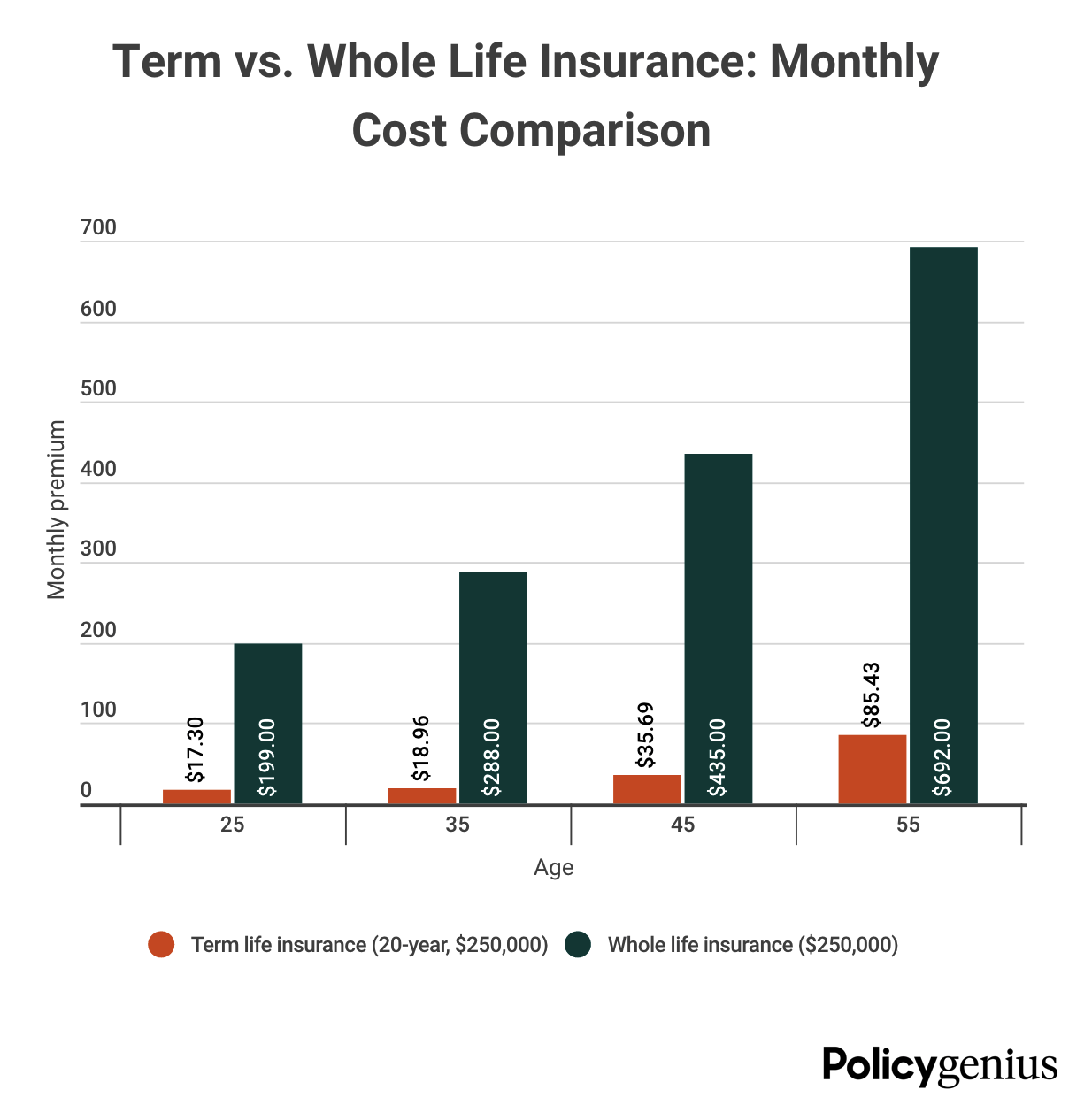
- Lower Premiums: Compared to whole life, the initial cost is substantially lower, allowing for higher death benefit amounts on a smaller budget.
- Simplicity: There is no investment component, cash value, or complex fee structure to track.
- Flexibility: It addresses specific time-bound financial risks without committing you to lifelong payments.
Disadvantages of Term Coverage:
- Expiration Risk: If you die at age 75 or 80—long after a 10-year term expires—your coverage is gone. Renewing at that advanced age is often prohibitively expensive or medically impossible.
- No Return: If you outlive the term, all paid premiums are essentially "sunk costs."
Whole Life Insurance: Permanent Legacy
Whole life insurance is a form of permanent coverage that stays in effect until death, provided premiums are paid. It consists of two parts: the death benefit and a cash value account. A portion of your premium is directed into this account, where it grows at a guaranteed rate of return set by the insurer.
Advantages of Whole Life Coverage:
- Lifelong Certainty: Regardless of when you die, the policy pays out, provided the policy remains in force. This is useful for estate planning, such as covering estate taxes or leaving an inheritance.
- Cash Value Accumulation: The policy functions as a conservative financial asset. You can borrow against the cash value, which can provide liquidity during retirement.
- Level Premiums: Unlike some forms of term insurance that might renew at much higher rates, the premiums for a standard whole life policy remain fixed for the duration of the policy.
Disadvantages of Whole Life Coverage:
- High Costs: The premiums are significantly higher than term insurance because the insurer is guaranteeing a payout eventually, and the policy must fund its own internal cash value growth.
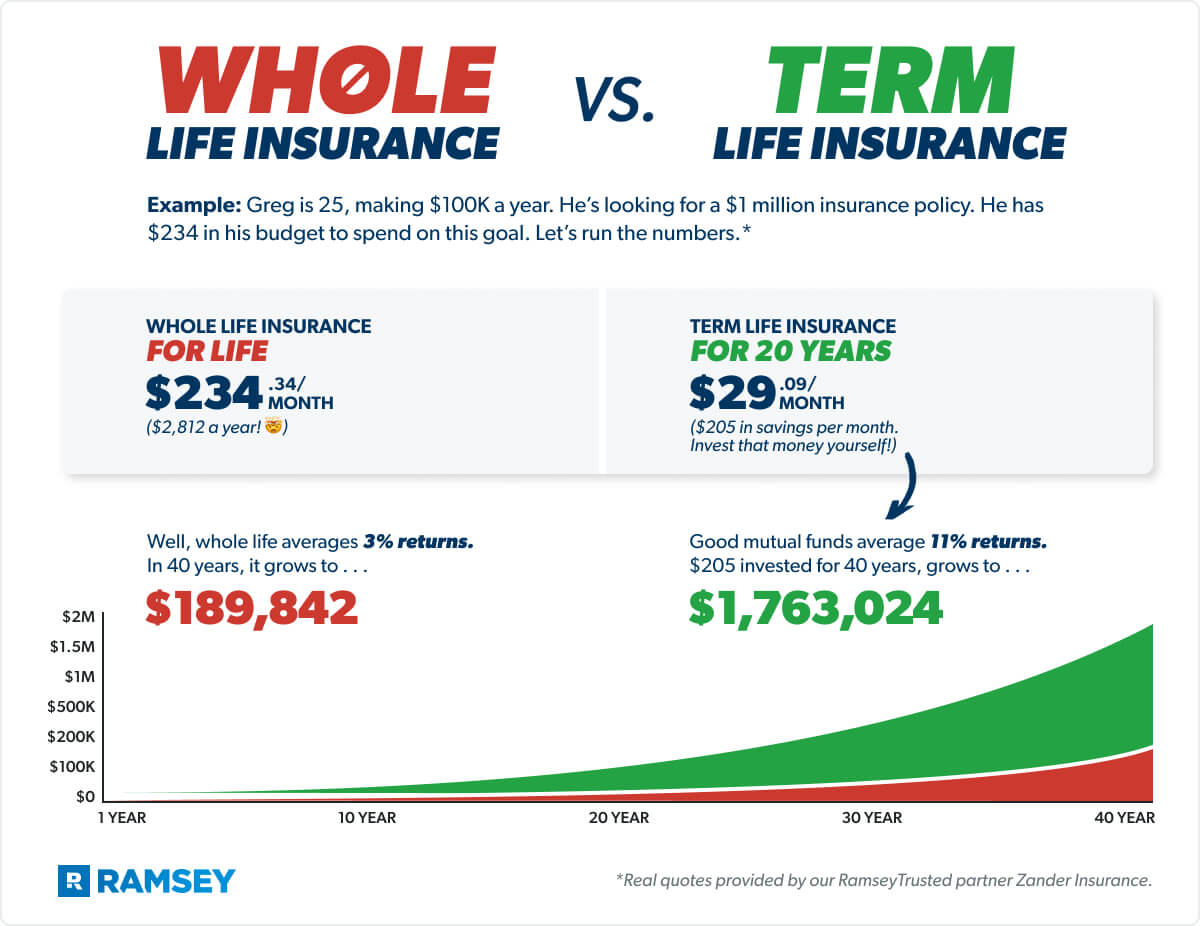
- Opportunity Cost: The rate of return on the cash value is typically conservative. Investing the premium difference in a brokerage account might yield higher long-term returns for some individuals.
Comparing Key Considerations for 63-Year-Olds
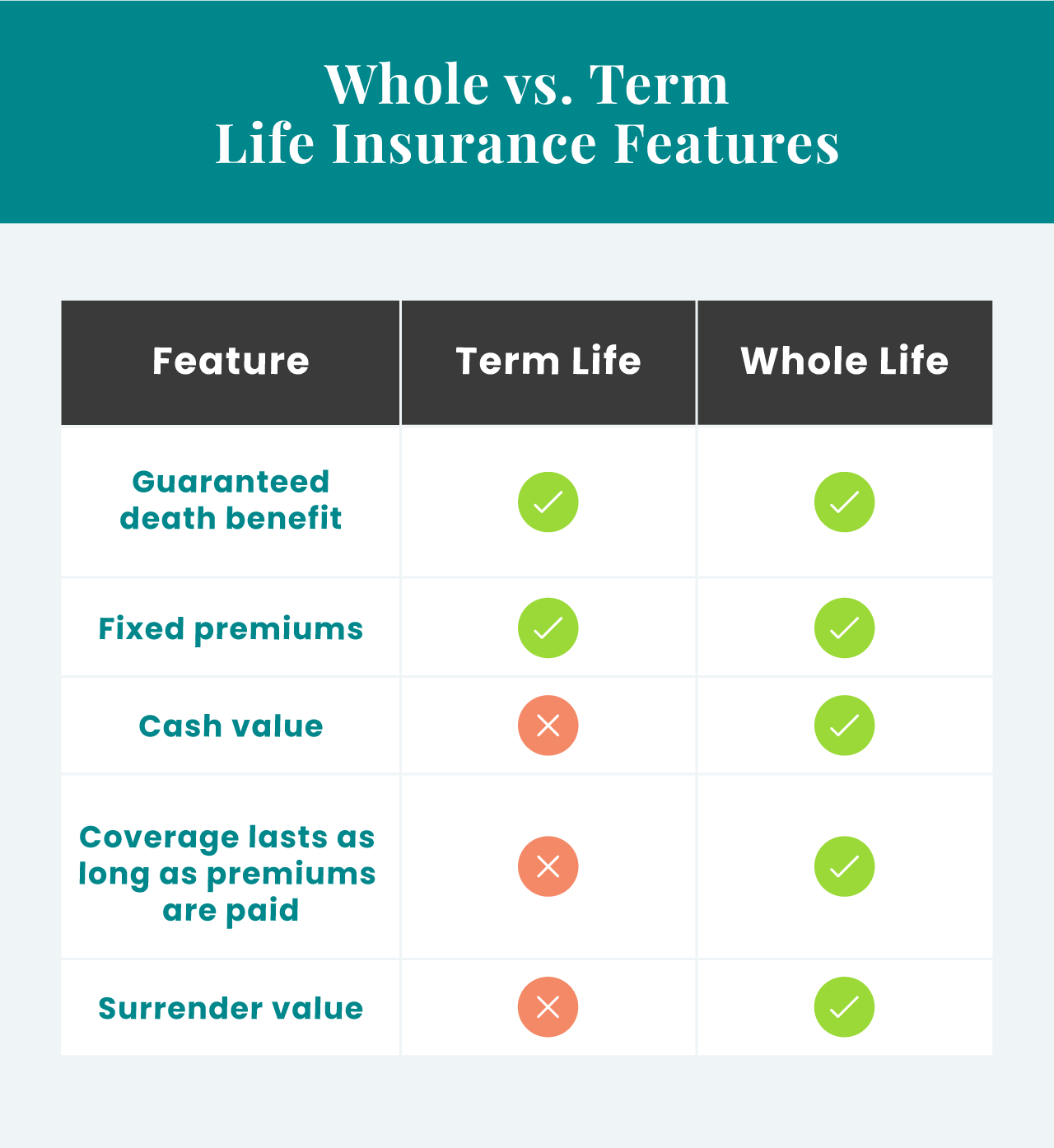
| Feature | Term Life Insurance | Whole Life Insurance |
|---|---|---|
| Duration | Fixed (e.g., 10–20 years) | Lifetime (to age 100 or 121) |
| Premiums | Lowest initial cost; increases upon renewal | Higher, level premiums |
| Cash Value | None | Guaranteed growth |
| Primary Goal | Short-term debt/income protection | Legacy, estate planning, or forced savings |
| Payout | Only if death occurs within term | Guaranteed payout at any age |
Financial Implications of Selecting Coverage
When determining which policy fits your 2026 financial profile, look at your net worth and cash flow. If you are living on a fixed income, a high whole life premium might become an unsustainable expense. Conversely, if you are a high-net-worth individual, a whole life policy can be a strategic tool to provide "liquidity" for your heirs.
Often, people confuse whole life with Universal Life (UL). While both are permanent, whole life has guaranteed premiums and returns, whereas Universal Life offers more flexible premiums but carries more risk if the policy underperforms. At 63, the predictability of a traditional whole life product often aligns better with the need for retirement stability than the fluctuations of a variable or universal policy.
Common Pitfalls to Avoid
- Overestimating Longevity: Do not assume you will live until 95 when choosing a term length. If your goal is to provide for a spouse, consider that if you outlive a 10-year policy, your spouse may be left with significantly fewer resources.
- Ignoring Underwriting: At 63, insurers will require a medical exam or a review of your medical records. Pre-existing conditions such as hypertension, diabetes, or heart history will impact your premiums more severely now than they would have even five years ago.
- Viewing Insurance as an Investment: While whole life has a cash value, it should be viewed primarily as a financial protection tool. Do not buy a policy expecting it to outperform the stock market; buy it for the death benefit and the guaranteed stability it offers.
Professional Advice and Regulatory Protections
Before committing to a policy, verify that the insurance carrier is rated by agencies such as A.M. Best or Moody’s. You should also consult with a fee-only financial planner who is not incentivized to sell you a specific insurance product. Life insurance is a legal contract, and once issued, it is difficult and often costly to cancel or change.
In the United States, your policy is protected by state-level Guaranty Associations, which provide a safety net if an insurance company becomes insolvent. However, coverage limits vary by state, so verify your state’s specific protection levels on the National Organization of Life and Health Insurance Guaranty Associations (NOLHGA) website.
Frequently Asked Questions
1. Can a 63-year-old qualify for life insurance without a medical exam? Yes, "no-exam" or "simplified issue" policies exist, but they are generally more expensive and offer lower death benefits. At age 63, if you have any health concerns, the underwriting process will likely lead to higher premiums regardless of the policy type.
2. Is it worth buying term insurance at 63 if I am retiring soon? It depends on your debt load. If you have a mortgage that will be paid off by the time you are 73, a 10-year term policy can ensure that your spouse is not burdened with a house payment if you pass away before the debt is cleared.
3. Does the cash value in whole life insurance get paid to beneficiaries? Typically, the beneficiaries receive the death benefit, not the cash value. The cash value is an internal account used to support the policy’s structure. If you have taken a loan against the policy and have not paid it back, the loan amount will be deducted from the death benefit.
4. Can I switch from a term policy to a whole life policy later? Many term policies include a "conversion rider" that allows you to convert your term coverage into permanent coverage without undergoing a new medical exam. This is a valuable feature to look for, as it protects you against future health declines.
5. How much life insurance does a 63-year-old actually need? This is calculated by evaluating your outstanding debts, final expenses (such as funeral costs), estate taxes, and the amount of income your spouse or dependents would need to maintain their standard of living. Avoid buying "too much" just to be safe if it compromises your current quality of life.
Recommendation for Your Next Action
If you are unsure of your path, start by calculating your "coverage gap." List your debts, the amount you wish to leave as an inheritance, and the estimated costs for end-of-life arrangements. Once you have a total, compare the cost of a 10-year term policy against a whole life policy for that same amount. If the whole life premium exceeds 5-10% of your annual discretionary income, prioritize the term policy to ensure you have coverage without creating a cash flow crisis. Discuss your findings with a fiduciary financial advisor to ensure your life insurance decision aligns with your broader retirement and estate plan.