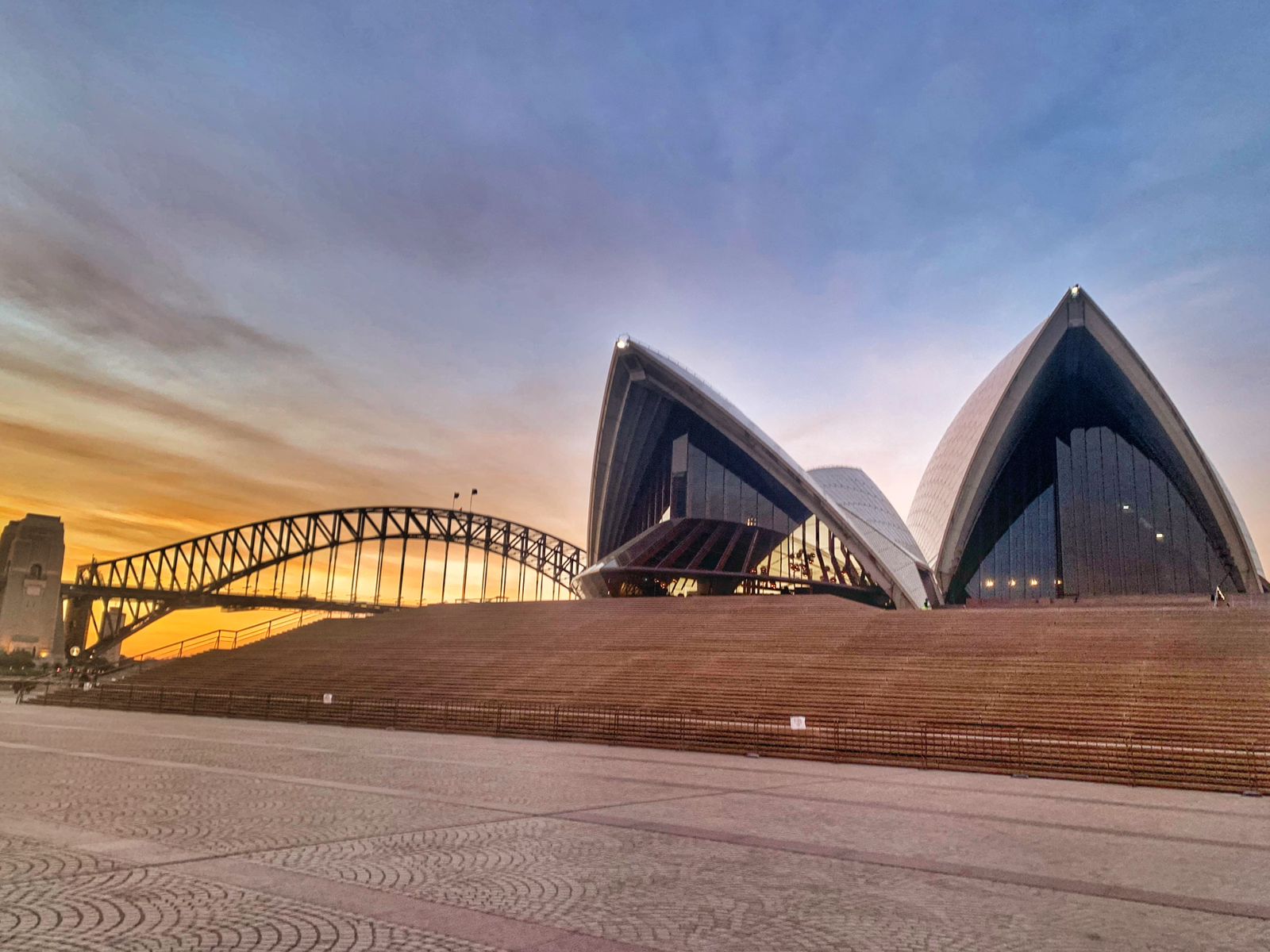
Stepping into an opera house for the first time can feel intimidating, but choosing the right production makes all the difference. The best operas for first timers feature universally relatable themes, memorable melodies, fast-paced plots, and manageable lengths, allowing newcomers to experience the full emotional power of live orchestral music and unamplified vocals without feeling overwhelmed.
Why Choosing the Right First Opera Matters
For centuries, opera has earned a reputation as an exclusive, high-brow art form reserved for cultural elites. This misconception often deters curious audiences who worry they will not understand the language, will find the music inaccessible, or will feel out of place in formal dress codes. In reality, opera is the original cinematic experience—combining sweeping orchestrations, high-stakes drama, breathtaking vocal acrobatics, elaborate costume design, and theatrical staging into a single night out.
Selecting the wrong opera for your maiden voyage can permanently sour your perspective. Sitting through a four-hour, musically avant-garde tragedy with minimal plot progression or an endless, obscure historical drama can test the patience of even seasoned theatergoers. Conversely, starting with a lively comedy, a tightly paced thriller, or a universally recognized romance guarantees an engaging evening. The ideal entry-level opera balances theatrical spectacle with an intuitive storyline, ensuring you leave humming the tunes rather than checking your watch.
What Makes an Opera Accessible?
When evaluating an opera for newcomers, performing arts educators and directors look for several defining characteristics. These elements lower the barrier to entry and ensure that the narrative remains engaging from the overture to the final curtain call.
- Memorable, Humming-Worthy Melodies: Accessible operas rely on lyrical, instantly recognizable tunes rather than dense, dissonant modern compositions. If you can leave the theater remembering the main theme, the production has done its job.
- Pacing and Length: First-time attendees benefit from works lasting between two and three hours, including intermissions. Fast-paced plots with constant twists, misunderstandings, or high-stakes tension prevent audience fatigue.
- Universal Themes: Love, jealousy, class rebellion, humor, and betrayal are timeless human experiences. Operas built around these core emotions resonate instantly, regardless of whether they are sung in Italian, French, German, or English.
- Visual Spectacle: High production values—including vibrant costumes, creative set designs, and cinematic lighting—keep the visual senses engaged while you adjust to listening to foreign-language singing.
The 5 Best Operas for First Timers
The following selections represent the gold standard for opera novices. Each offers a distinct theatrical flavor, ranging from screwball comedy to heartbreaking tragedy, while remaining thoroughly accessible.
1. La Bohème by Giacomo Puccini
- Language: Italian
- Average Runtime: 2 hours and 15 minutes (with one intermission)
- The Vibe: Deeply romantic, heartbreaking, and intensely melodic
If you have ever seen the musical Rent, you are already familiar with the plot of La Bohème, as Jonathan Larson's modern Broadway hit is a direct adaptation of Puccini's masterpiece. Set in the freezing attic rooms of 1830s Paris, the story follows a tight-knit group of impoverished young artists—poets, painters, and musicians—struggling to survive while pursuing their art.
The plot centers on the fragile romance between Rodolfo, a struggling poet, and Mimi, a seamstress who knocks on his door looking for a light for her candle. Their immediate connection blossoms into a passionate love affair, complicated by Mimi's worsening illness.
Why it’s great for beginners: La Bohème is arguably the most frequently performed opera in the world for a good reason. Puccini’s score is a masterclass in emotional manipulation, filled with soaring, lush orchestrations that pull at your heartstrings whether you speak Italian or not. Act I features one of the most famous "meet-cutes" in theatrical history ("Che gelida manina" / "Your tiny hand is frozen"), and the entire runtime moves swiftly. Bring tissues; there is rarely a dry eye in the house by the final curtain.
2. The Magic Flute (Die Zauberflöte) by Wolfgang Amadeus Mozart
- Language: German (with spoken dialogue)
- Average Runtime: 2 hours and 45 minutes (with one intermission)
- The Vibe: Mythological, whimsical, fantastical, and deeply philosophical
Mozart’s final opera is part fairy tale, part Freemason allegory, and part Saturday-morning cartoon. The Magic Flute follows Prince Tamino, who is rescued from a giant serpent by three mysterious ladies and sent on a quest to rescue Pamina, the kidnapped daughter of the Queen of the Night. Accompanied by Papageno, a lovable, bird-catching everyman who values food and wine over philosophical enlightenment, Tamino navigates trials of fire and water to find truth and love.
Why it’s great for beginners: Unlike most traditional operas that feature continuous recitative (sung dialogue), The Magic Flute features spoken dialogue in the native language of the audience, making it much easier to follow the plot twists. Musically, it offers a staggering variety: from the gravity-defying, pyrotechnic coloratura acrobatics of the Queen of the Night's famous vengeance aria to the simple, folk-like hums of Papageno. Its fantastical elements, talking animals, and magical instruments also make it exceptionally popular for younger audiences and families.
3. The Barber of Seville (Il barbiere di Siviglia) by Gioachino Rossini
- Language: Italian
- Average Runtime: 2 hours and 45 minutes (with one intermission)
- The Vibe: Hilarious, fast-paced, chaotic, and musically energetic
If you prefer laughter over tears, Rossini’s sparkling comic masterpiece is the ultimate choice. The Barber of Seville is a classic romantic comedy driven by disguises, intercepted letters, and elaborate deception. Count Almaviva has fallen head over heels for Rosina, a wealthy young ward kept under strict lock and key by her greedy guardian, Dr. Bartolo, who plans to marry her himself. To win her heart, the Count enlists the help of Figaro, the town’s clever, multitalented barber and fixer.
Why it’s great for beginners: Rossini’s music is infectious, characterized by rapid-fire vocal delivery, rhythmic drive, and bubbly melodies (including Figaro’s iconic introductory entrance aria, "Largo al factotum," which you will instantly recognize from pop culture). The humor is slapstick and timeless, translating across centuries without losing its punch. The chaotic energy of the first-act finale is guaranteed to leave you smiling.
4. Carmen by Georges Bizet
- Language: French
- Average Runtime: 3 hours (with one intermission)
- The Vibe: Gritty, passionate, exotic, and dramatically intense
Set in vibrant 19th-century Seville, Spain, Carmen is a gripping psychological drama about obsession, jealousy, and fatalism. Carmen is a fiercely independent, free-spirited gypsy woman working in a cigarette factory who captures the attention of Don José, a naive corporal in the local guard. Carmen seduces Don José, causing him to abandon his military career, desert his hometown sweetheart, and join a band of smugglers. When Carmen eventually loses interest in him and turns her affections toward the glamorous bullfighter Escamillo, Don José's jealousy spirals into a tragic, violent finale.
Why it’s great for beginners: Even if you have never stepped foot inside an opera house, you know the music of Carmen. The "Habanera" and the "Toreador Song" are two of the most recognizable tunes in Western musical history. The opera packs relentless theatrical momentum, vivid Spanish-influenced orchestration, and high-stakes drama into a production that never lags. It serves as a bridge between classic romanticism and gritty realism.
5. La Cenerentola (Cinderella) by Gioachino Rossini
- Language: Italian
- Average Runtime: 2 hours and 45 minutes (with one intermission)
- The Vibe: Enchanting, witty, heartwarming, and virtuosic
While Rossini’s La Cenerentola is based on the familiar fairy tale by Charles Perrault, it strips away the magical elements—no fairy godmother, no glass slipper, and no pumpkin carriage. Instead, Angelina (Cinderella) is a mistreated stepdaughter living with her absurdly vain stepfather Don Magnifico and her two self-absorbed stepsisters. The Prince (Don Ramiro) and his clever valet (Dandini) swap clothes to discover who women are when they aren't chasing royal titles, leading to mistaken identities, genuine kindness, and ultimate redemption.
Why it’s great for beginners: This opera replaces the magical glass slipper with an engraved matching bracelet, grounding the fairy tale in clever human psychology and sparkling comedy. Rossini’s vocal writing for the lead mezzo-soprano is breathtakingly fast and agile, providing a masterclass in bel canto vocal technique. It is an uplifting, feel-good production that guarantees a joyful night out.
Comparison of Recommended Operas for Beginners
| Opera Title | Composer | Language | Primary Genre | Best For | Runtime |
|---|---|---|---|---|---|
| La Bohème | Giacomo Puccini | Italian | Romantic Tragedy | Emotional depth & lush melodies | ~2h 15m |
| The Magic Flute | W.A. Mozart | German | Fantasy / Singspiel | Families, spectacle, & spoken dialogue | ~2h 45m |
| The Barber of Seville | Gioachino Rossini | Italian | Slapstick Comedy | High energy & pure entertainment | ~2h 45m |
| Carmen | Georges Bizet | French | Dramatic Thriller | Familiar tunes & high-stakes drama | ~3h 00m |
| La Cenerentola | Gioachino Rossini | Italian | Romantic Comedy | Uplifting humor & vocal acrobatics | ~2h 45m |
Practical Tips for Your First Opera Night
Preparation can transform an intimidating outing into an effortless cultural event. First-time attendees often worry about etiquette and comprehension, but modern opera houses cater extensively to newcomers.
- Embrace the Supertitles: Virtually all major opera houses project English translations (or the local language) on a screen directly above the stage or on individual seat-back monitors. Use them to follow the nuance of the plot without worrying about missing a word.
- Research the Plot in Advance: Do not worry about "spoiling" the story. Reading a 300-word plot synopsis on Wikipedia or the opera company's website beforehand allows you to relax and focus on the stagecraft, music, and vocal performances rather than decoding who is who.
- Understand the Dress Code: The days of mandatory white tie and evening gowns are largely gone. While some patrons still dress up for opening night galas, "business casual" or smart attire is standard. Wear whatever makes you feel comfortable for a sit-down evening.
- Arrive Early: Plan to arrive at least 30 minutes before curtain. This gives you time to find your seats, browse the physical program notes, buy a drink or snack, and soak in the architecture of the auditorium without feeling rushed.
- Know When to Applaud: A common anxiety for newcomers is clapping at the wrong time. Generally, it is customary to applaud at the end of an aria (when the singer holds a high note and the orchestra pauses) and during curtain calls. If the rest of the audience starts clapping, follow their lead.
Frequently Asked Questions
Do I need to speak Italian, French, or German to enjoy an opera?
No. Opera houses utilize supertitles—digital translations projected above the stage—so you can read the lyrics in real time while listening to the original language. This preserves the authentic phonetic beauty and historical integrity of the vocal writing while ensuring total comprehension.
How should I dress for my first night at the opera?
Dress codes have relaxed significantly in recent decades. While you will see some patrons wearing formal evening wear, especially at weekend galas, standard smart-casual attire (such as blazers, dresses, slacks, or neat sweaters) is entirely appropriate and common.
How long do operas typically last?
Most standard operas range between two and three hours, including one or two 20-to-25-minute intermissions. These intermissions provide ample time to stretch your legs, visit the restroom, or purchase refreshments in the lobby.
Is opera music difficult to listen to if I only like pop or classical music?
Not the selections on this list. Operas like La Bohème and Carmen feature some of the most hummable, melodically accessible tunes in Western music history. They served as the pop music of their respective eras, designed to captivate broad public audiences.
Conclusion and Next Actions
Embarking on your opera journey requires nothing more than curiosity and an open mind. To get started, check the seasonal calendar of your local opera company, a regional symphony orchestra, or university music department. Look specifically for a production of La Bohème or The Barber of Seville, secure a seat with a clear view of the supertitles screen, read a brief synopsis beforehand, and allow yourself to be carried away by the unamplified power of human voices.