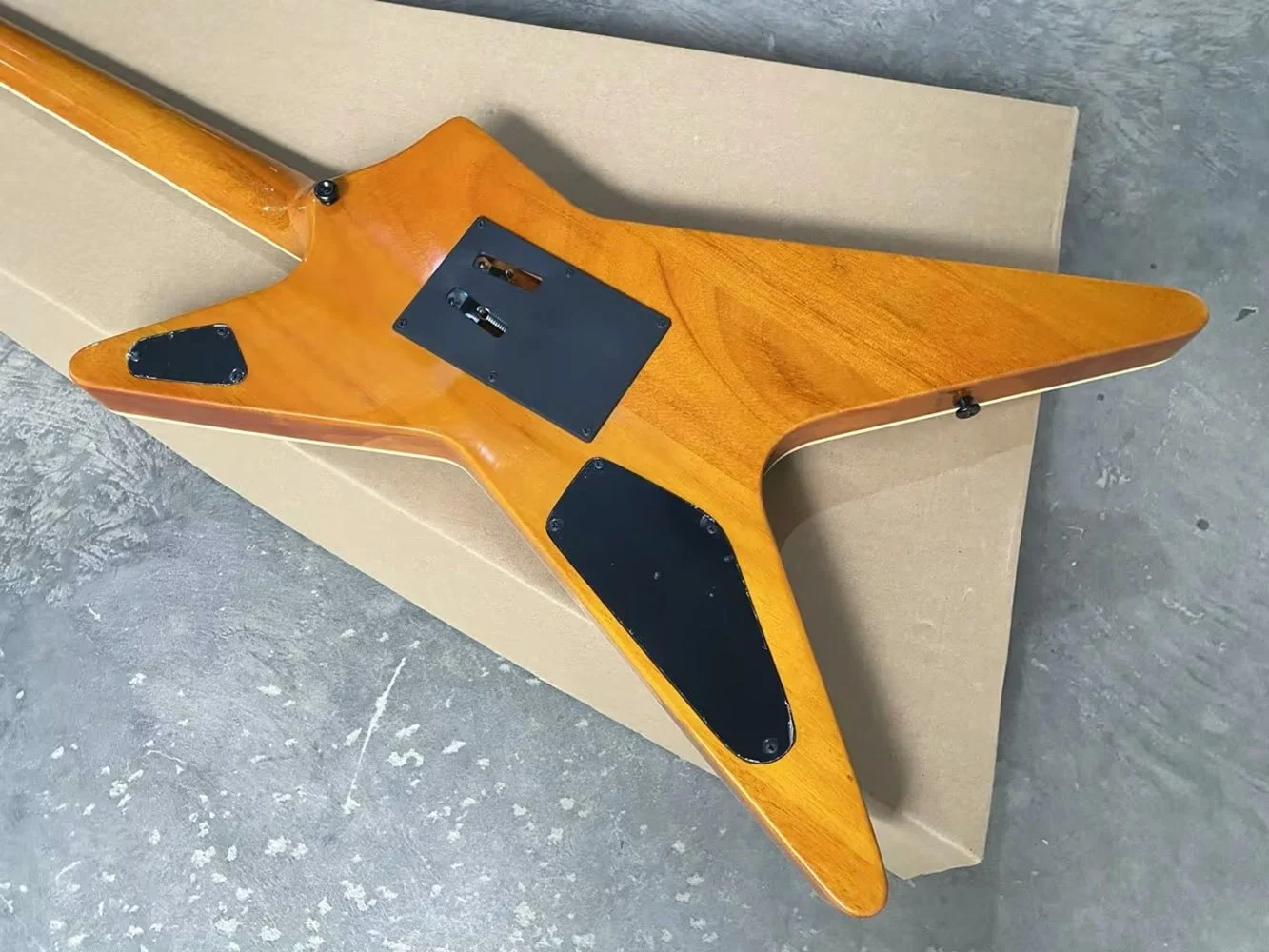
The Washburn Dime 3 commands a legendary status in heavy metal lore, but the intense hype surrounding these signature guitars often overlooks their practical flaws, fluctuating build quality, and inflated collector pricing that fails to align with modern performance standards.
Introduction to the Washburn Dime 3 Legacy
Few electric guitars evoke as much fierce devotion and nostalgic reverence as the Washburn Dime 3 series. Introduced during Dimebag Darrell’s tenure with Washburn Guitars in the late 1990s through the early 2000s, these instruments became synonymous with the aggressive groove metal tone of Pantera. Complete with extreme offset V-shapes, striking graphic finishes, and licensed Floyd Rose tremolo systems, they represented the pinnacle of 1990s shredder aesthetics. For decades, players and collectors have hunted down vintage models, driving resale prices to staggering heights on the secondary market.
Yet, when stripping away the emotional attachment to the late, great guitarist and evaluating these instruments through an objective lens, a different picture emerges. The Washburn Dime 3 is frequently placed on a pedestal it struggles to justify in terms of ergonomics, manufacturing consistency, and modern value. While the guitar remains an essential piece of metal history, prospective buyers and players often find that the real-world playing experience does not match the online folklore. Examining the specific structural, ergonomic, and economic drawbacks of the Dime 3 reveals why this famous signature model is not always worth the hype.
1. Ergonomic Nightmares: Unforgiving Design and Poor Playability
The most immediate hurdle when picking up a Washburn Dime 3 is its hyper-aggressive physical design. Built around an offset V-shape—often referred to as the Dime slant or Razorback-derived geometry—the instrument prioritizes visual impact over biomechanical comfort. While this geometry looks incredible on stage, it introduces severe compromises for anyone trying to play sitting down, practicing for long stretches, or navigating complex fretboard passages.
Sitting Down and Classical Posture Demands
Unlike standard superstrats or traditional single-cut bodies, the Dime 3 cannot simply be rested comfortably on your right leg while seated. The lower V-wing extends aggressively, forcing the player to adopt a strict classical guitar posture by placing the body between the legs. This forces the neck out at an awkward, steep angle, straining the left shoulder and wrist. For home practice sessions, recording studios, or casual jamming on the couch, the instrument is profoundly unwieldy, often requiring a heavy strap even while seated to prevent the guitar from slipping into hazardous positions.
Neck Profiles and Heavy Headstocks
Washburn produced various iterations of the Dime 3, from high-end Custom Shop models down to more affordable import versions. However, many production units suffered from inconsistent neck carves that felt overly chunky or boxy compared to the ultra-thin, lightning-fast wizard profiles popularized by Ibanez during the same era. Furthermore, the massive headstock design combined with the offset body creates notable neck dive. Players must constantly fight to keep the neck from dipping toward the floor while standing, which strains the fretting hand and causes fatigue during extended sets.
2. Manufacturing Inconsistency Across Production Tiers
The Washburn era of Dimebag Darrell’s endorsement spanned multiple tiers of manufacturing, ranging from elite USA Custom Shop builds to budget-friendly Korean and Indonesian imports. This fragmented production strategy is a primary driver of the massive quality discrepancies found in the used market today, catching unwary buyers off guard.
The Gulf Between USA Custom Shop and Import Models
True USA Custom Shop Dime 3 guitars—such as the Culprits, Slime, and Stealth variants—feature exceptional craftsmanship, premium woods, and meticulous fretwork. However, these represent a tiny fraction of the total instruments produced. The vast majority of Dime 3s encountered on the secondary market are mid-tier or budget import instruments. These lower-tier models often suffered from subpar quality control, including soft basswood bodies prone to stripping screw holes, mediocre bridge routing, and unstable neck pockets that could shift under string tension.
Hardware Limitations and Floyd Rose Fragility
Many mid-tier Washburn Dime 3 models shipped with licensed Floyd Rose tremolo systems rather than the genuine German-made Floyd Rose Original. Over time, the softer metal alloys used in these licensed units lead to stripped knife edges, worn-out string lock blocks, and chronic tuning instability—especially under the aggressive, heavy whammy-bar abuse that Dimebag popularized. Upgrading these bridges often requires professional routing and hardware replacement, adding unexpected costs to an already expensive purchase.
| Model Tier | Body Wood Quality | Tremolo System | Typical Build Consistency |
|---|---|---|---|
| USA Custom Shop | Premium Mahogany / Alder | Floyd Rose Original / Schaller | Exceptional, collector-grade craftsmanship. |
| Mid-Tier Production | Select Basswood / Mahogany | Licensed Floyd Rose (Takeuchi/Ping) | Moderate; hardware upgrades often required. |
| Budget Imports | Soft Basswood / Agathis | Low-grade Licensed Tremolo | Variable; frequent fret and tuning issues. |
3. Inflated Collector Pricing Versus Modern Performance Value
Economics play a massive role in why the Washburn Dime 3 falls short of expectations today. Following Dimebag Darrell’s tragic passing in 2004, and later when his estate transitioned guitar endorsements to Dean Guitars, Washburn Dime models instantly transitioned from production instruments into coveted collector's items. Today, market hype drives prices to levels that completely disconnect the guitar's physical worth from its actual utility as a musical tool.
Paying the Nostalgia Tax
When a clean, mid-tier Washburn Dime 3 from the early 2000s commands thousands of dollars on the used market, buyers are paying an enormous "nostalgia tax." From a pure specifications standpoint, a modern $1,000 to $1,500 guitar from brands like Jackson, ESP LTD, or Ibanez will routinely outperform a vintage mid-range Washburn in fret leveling, pickup articulation, hardware stability, and overall resonance. The buyer is paying for the heritage and the Pantera association, not for superior modern lutherie.
Pickup Pairings and Sonic Limitations
Many Washburn Dime models came equipped with stock Seymour Duncan Dimebucker pickups in the bridge position, paired with a Seymour Duncan ’59 in the neck. While the Dimebucker delivers a searing, razor-sharp high-end cut designed to slice through a heavy mix, it is notoriously polarizing. Players looking for modern, mid-focused aggression, tight low-end tracking for down-tuned metal, or warm clean tones often find the Dimebucker too sterile, thin, and trebly. Swapping pickups is an option, but it does little to justify the inflated baseline cost of acquiring the instrument in the first place.
Comprehensive Comparison: Washburn Dime 3 vs. Modern Metal Alternatives
To understand how the Washburn Dime 3 stacks up against contemporary offerings, it helps to compare key performance metrics side by side. Modern guitar manufacturing benefits from advanced CNC precision, superior metallurgical treatments for hardware, and more ergonomic body shapes tailored to aggressive playing styles.
| Feature / Metric | Washburn Dime 3 (Vintage/Used) | Modern High-End Metal Guitars (ESP/Jackson) |
|---|---|---|
| Ergonomics & Balance | Severe neck dive; difficult to play seated. | Balanced bodies; contoured heel joints. |
| Tremolo Stability | Often requires replacement if licensed Floyd Rose. | Genuine Floyd Rose 1500/Original or Evertune. |
| Price-to-Performance Ratio | Poor due to collector markups and nostalgia. | High; optimized for modern recording and live use. |
| Fretwork & Neck Finish | Variable depending on factory tier. | Consistent stainless steel frets and compound radii. |
Practical Alternatives for Dimebag Tone Seekers
For players who love the aggressive look of offset V-style guitars and crave the iconic Pantera tone without paying exorbitant collector prices or dealing with poor ergonomics, several superior alternatives exist on the market:
- Dean Dime Series: After leaving Washburn, Dimebag Darrell endorsed Dean Guitars, helping design the Dime Razorback and ML shapes. Many players find Dean's neck profiles and factory setups more consistent for heavy metal riffing.
- ESP LTD EX or V-Series: Offering exceptional build quality, stable Floyd Rose or hardtail configurations, and EMG or Seymour Duncan pickups, these guitars provide aggressive styling with modern playability.
- Jackson King V or Warrior: These classic offset shapes deliver aggressive aesthetics without sacrificing upper-fret access or structural stability, backed by Jackson's renowned compound-radius fretboards.
Common Mistakes to Avoid When Buying a Vintage Dime 3
Buyers determined to acquire a Washburn Dime 3 despite its drawbacks must navigate a market fraught with pitfalls. Avoiding common mistakes protects both your investment and your playing experience:
- Failing to Verify Authenticity: Due to the high value of these guitars, counterfeit instruments and replica bodies bearing fake Washburn serial numbers occasionally surface on online marketplaces. Always verify neck pocket stamps, headstock volutes, and hardware stamps.
- Overlooking Neck Warp: Extreme V-shapes and sharp headstocks place unique tension strains on the neck. Check for excessive relief, stripped truss rods, or lifting bridges that indicate structural neglect.
- Ignoring Import Specs: Do not assume a Washburn Dime is a USA Custom Shop model just because of the graphics. Check the serial number format and country-of-origin stamp on the back of the headstock to avoid paying custom-shop prices for an import model.
Frequently Asked Questions
Are all Washburn Dime 3 guitars made in the USA?
No. While Washburn produced elite USA Custom Shop models, the vast majority of Dime 3s produced during the late 1990s and early 2000s were manufactured in Asian facilities, primarily Korea and Indonesia. These import models featured different wood selections, hardware components, and price points compared to their American-made counterparts.
Why are Washburn Dime guitars so expensive on the used market?
The high secondary market prices are driven primarily by collector demand, nostalgia, and the association with Dimebag Darrell. Because Washburn no longer produces these guitars and Dimebag passed away in 2004, supply is strictly limited, inflating prices far beyond the instrument's actual manufacturing and performance value.
Can you play a Washburn Dime 3 comfortably while sitting down?
Playing a Washburn Dime 3 sitting down is notoriously difficult due to the sharp lower V-wing. Players must use a classical guitar posture by placing the body between their legs or rely on a sturdy guitar strap while seated to prevent the instrument from sliding off balance.
What is the difference between a Washburn Dime 3 and a Dean Dime ML?
While both brands produced signature models for Dimebag Darrell, the Washburn Dime 3 featured distinct body geometry, specific neck profiles, and unique graphic finishes authorized during his Washburn endorsement era (1997–2004). After 2004, Dimebag switched to Dean Guitars, where similar shapes were marketed under names like the Razorback and ML.
Is the Dimebucker pickup worth using for modern metal?
The Seymour Duncan Dimebucker offers an aggressive, high-output, treble-heavy response designed specifically to cut through a dense live mix. However, players seeking thick, warm mid-range growl or ultra-tight low-end tracking for modern drop-tunings often find the Dimebucker too sterile, leading many to swap it out for pickups like the Seymour Duncan Invader or EMG 81.
Final Recommendation
The Washburn Dime 3 remains a thrilling piece of heavy metal history, but it is an instrument built for nostalgia and visual impact rather than modern functional perfection. If you are a dedicated collector or a die-hard Pantera fanatic with surplus funds, acquiring a verified USA Custom Shop model can be a rewarding centerpiece for a collection. However, if your primary goal is practical performance, reliable tuning stability, and comfortable playability for modern gigging or recording, your money is far better spent on a contemporary high-performance guitar from brands engineered for today's technical standards.