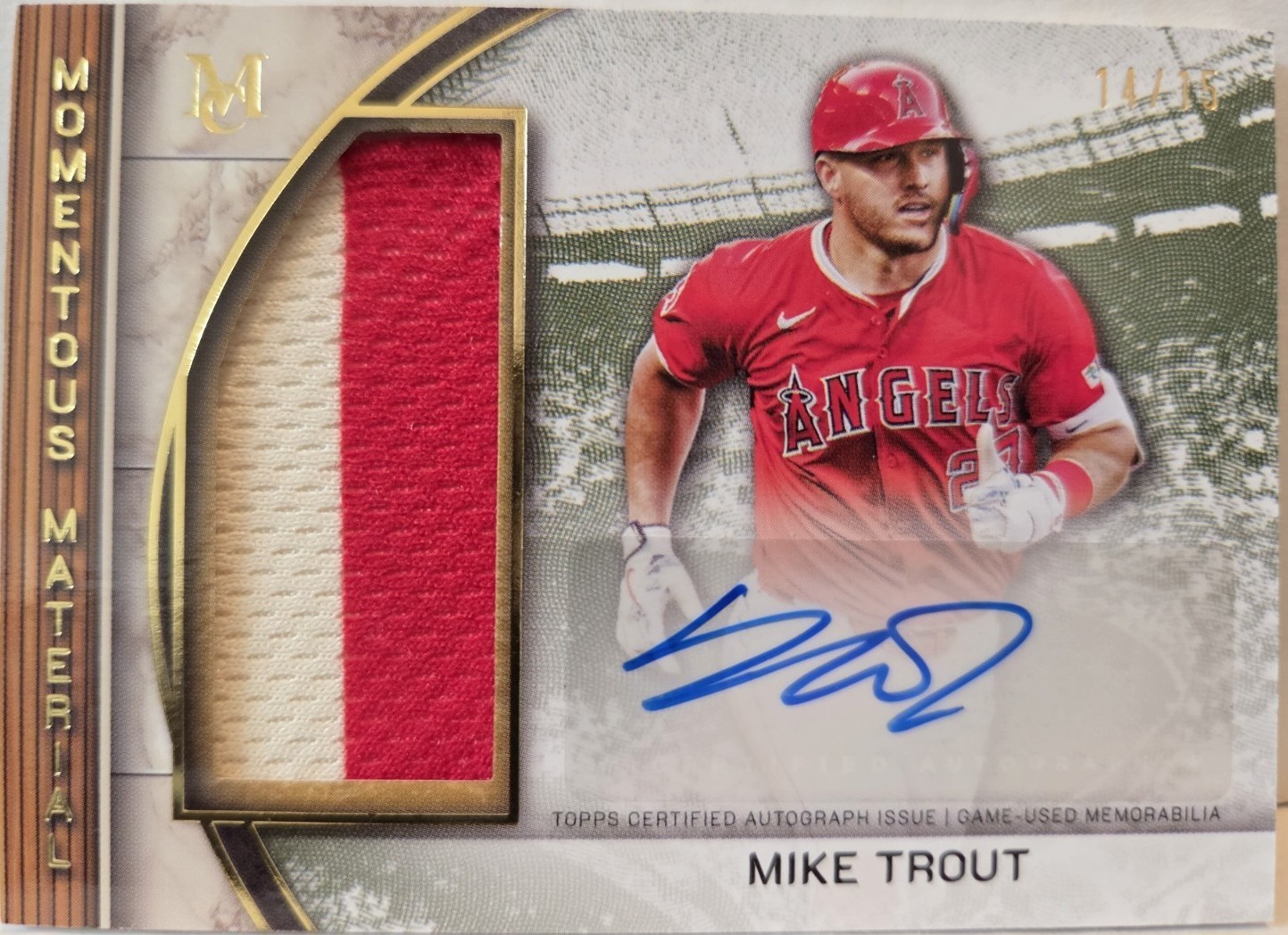
The 2025 Topps Museum Collection baseball set represents one of the hobby’s most prestigious high-end releases, characterized by its artistic design, premium card stock, and heavy emphasis on relic and autograph content. This comprehensive reference outlines the structure, key insert sets, and chase elements that define the 2025 production, providing collectors with the necessary insights to navigate the checklist and maximize the value of their acquisitions.
Understanding the 2025 Topps Museum Collection Product Structure
Topps Museum Collection is positioned as a "hit-heavy" product, designed to appeal to both serious collectors and investors who prioritize rarity and visual aesthetic. Unlike standard flagship releases that focus on massive base sets to capture the entire league roster, Museum Collection utilizes a refined, smaller base set that showcases high-quality photography and thick, premium-feel card stock.
The primary appeal of the 2025 iteration lies in its box configuration. Each hobby box typically contains a limited number of packs, with each box guaranteeing a specific distribution of hits, including autographs, memorabilia cards, and, at the top end of the spectrum, high-value "Museum Framed" cards. Because this is a high-end product, collectors should approach the checklist with the understanding that the "base set" is secondary to the insert and autograph parallels. The product aims to bridge the gap between mass-market trading cards and luxury collectibles, using heavy card stock and subtle, museum-inspired borders.
The Anatomy of the 2025 Checklist: Base and Parallels
The base set for 2025 Topps Museum serves as the canvas for the product's design language. While the total number of cards is smaller than traditional Topps sets, the checklist is divided into tiers that create artificial scarcity. Understanding these tiers is essential for collectors attempting to build a master set or focusing on specific player collections.
- Standard Base: These are the backbone of the set. While they lack the premium hits of the inserts, they are often used as "filler" to maintain the structural integrity of the box opening experience.
- Parallel Tiers: Topps employs a strict hierarchy for parallels. These are identifiable by color and numbering, often including:
- Copper
- Amethyst
- Emerald
- Sapphire
- Ruby
- Gold (The ultimate chase parallel, often serial-numbered to 1/1)
Collectors should verify the specific numbering of each parallel tier in the official checklist before purchasing, as secondary market values fluctuate significantly between an Amethyst parallel (often numbered to 99) and a Ruby parallel (often numbered to 25 or less).
High-Value Chase Elements: Autographs and Relics
The "Museum" in the title refers to the gallery-style presentation of cards. The core value of the 2025 set is found in its multi-layered relic and autograph checklist. These are generally categorized into distinct sub-sets that collectors monitor closely:
- Canvas Collection: These cards utilize a textured, canvas-like surface. The focus here is on artistic representation rather than photography, often featuring reproductions of hand-drawn art.
- Momentous Material Jumbo Relics: These are highly sought after because they feature oversized jersey swatches or patches. The "Jumbo" aspect significantly affects the market valuation, as collectors generally prefer larger, multi-color patch pieces over standard, single-color jersey swatches.
- Museum Framed Autographs: Arguably the most recognizable feature of the brand. These cards are encased in a metal frame, giving them a heavy, luxury feel. Because they are pre-encased, they are a favorite among collectors who enjoy the "slabbed" look without needing to send the cards to a third-party grader immediately.
Comparative Analysis of 2025 Topps Museum Elements
The following table categorizes the different hit types and their general impact on collector value.
| Card Category | Primary Feature | Rarity Level | Market Appeal |
|---|---|---|---|
| Framed Autographs | Metal-framed, on-card ink | Very High | Premium Investment |
| Jumbo Relics | Oversized jersey/bat pieces | High | High (Eye Appeal) |
| Canvas Collection | Artistic, textured stock | Medium | Niche/Personal |
| Base Parallels | Color-coded variants | Variable | Set Builders |
| Rookie Autographs | First-year prospect ink | Ultra-High | Speculative Value |
Strategic Acquisition: How to Use the Checklist
When utilizing the 2025 Topps Museum checklist, your strategy should be dictated by your goal. If you are a set builder, you must track the base set and the lower-tier parallels. If you are an investor, your focus should shift entirely toward the "hit" list—specifically the short-printed (SP) or super-short-printed (SSP) autographs of star rookies and legendary hall-of-famers.
A common mistake collectors make is overvaluing "relic" cards that feature generic jersey pieces. In the 2025 market, a "player-worn" jersey swatch is significantly less valuable than a "game-used" swatch. Always cross-reference the card back or the official Topps checklist to confirm the origin of the memorabilia. If the card states "not associated with any specific player, game, or event," it is a manufactured relic and carries much lower market value than those containing game-worn material.
Managing Expectations: The Reality of Box Breaks
Before investing in a hobby box of 2025 Topps Museum, it is vital to understand the distribution probabilities. High-end products are designed with variance. It is mathematically possible to open a box and receive hits that do not recoup the initial investment cost. The "floor" of this product—the lowest possible value you might receive—is mitigated by the quality of the base cards, but the "ceiling" is determined by the specific autograph or patch card pulled.
When buying, look for "sealed" boxes to ensure the integrity of the contents. Because of the popularity of Museum Collection, there is a risk of secondary market tampering. Ensure that the box arrives with the official Topps factory seal intact. If you are purchasing individual hits (singles) online, use the checklist to verify the serial numbering against the card image provided by the seller.
Frequently Asked Questions
1. Is the 2025 Topps Museum Collection considered a "high-end" product? Yes, it is categorized as a premium, high-end release. It features thicker card stock, a higher price point per hobby box, and a guaranteed set of autographs and memorabilia hits that are not found in lower-tier products.
2. What is the difference between "player-worn" and "game-used" relics in this set? "Game-used" means the item was worn by the player during an actual professional game. "Player-worn" typically means the player wore the item during a photo shoot or a league-sponsored event. Game-used relics are significantly more desirable to collectors.
3. Are the "Framed" cards grabbable for grading? Yes, but they require specialized holders. Because they come in a metal frame, they are already "encased" by Topps. Grading them requires submitting the card in its frame to specific grading services that accommodate thicker, non-standard card dimensions.
4. Where can I find the most accurate 2025 checklist? The most reliable source is the official Topps website or the "Cardboard Connection" and "Beckett" databases. Avoid unofficial forums or social media posts for checklists, as they may contain errors regarding print runs or parallel tiers.
5. How do I identify a 1/1 parallel in the 2025 set? These cards will be clearly marked with a "1/1" stamp on the back of the card, usually in the lower corner or near the Topps logo. They are the rarest cards in the set and are often the most coveted by high-end investors.
Next Steps for Collectors
For those looking to move forward with the 2025 Topps Museum Collection, the first step is to establish a budget. Given the premium nature of the boxes, it is often more cost-effective for focused collectors to purchase individual cards (singles) of specific players from the secondary market rather than attempting to "hunt" them through box breaks.
If you enjoy the "rip"—the experience of opening packs—prioritize your purchases from reputable hobby shops that provide proof of authentication. Review the checklist against your favorite team or player roster before making a commitment. By identifying which specific subsets (e.g., the Canvas Collection or the Framed Autographs) align with your personal collection goals, you can avoid unnecessary spending and focus on acquiring the items that provide the most long-term satisfaction.