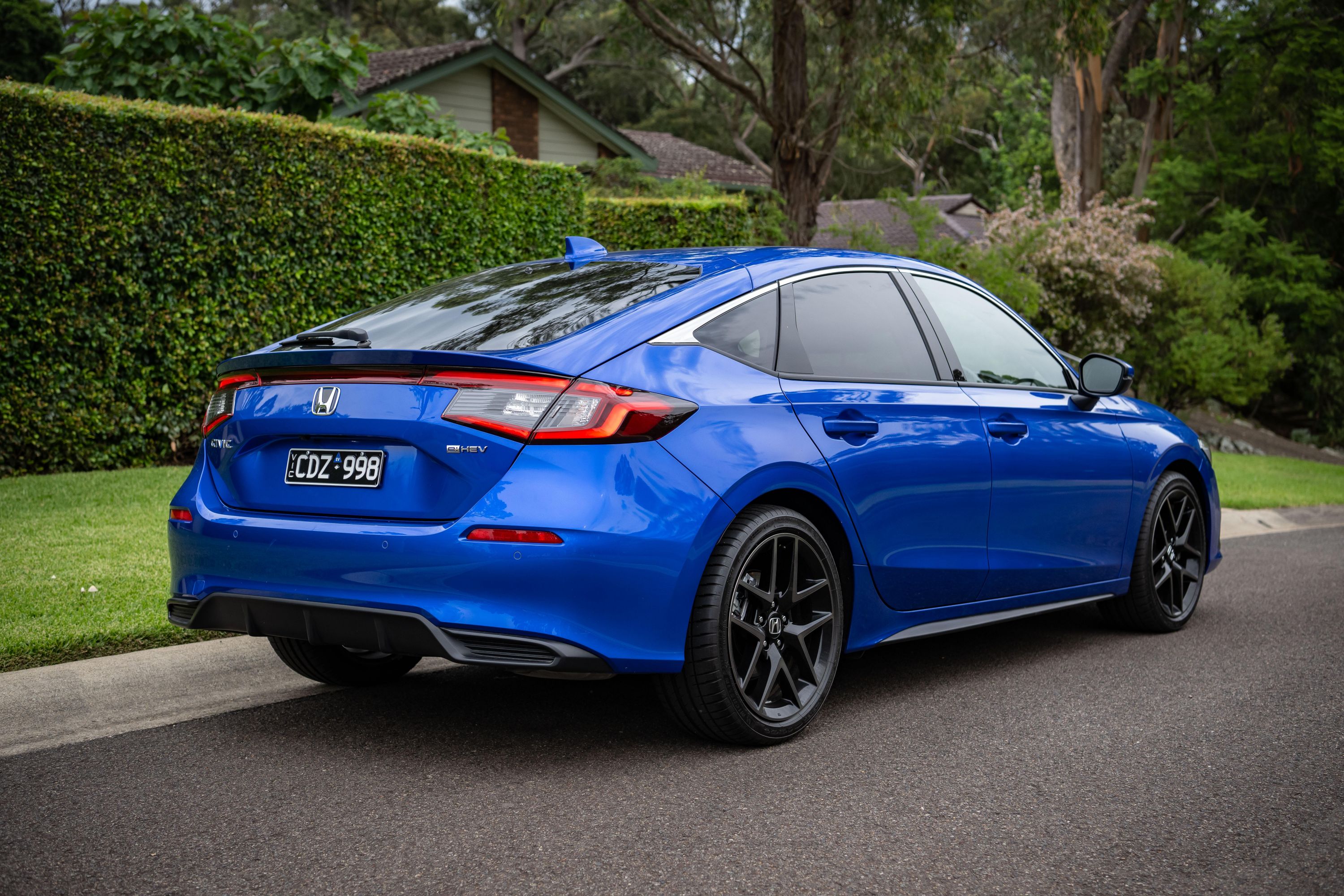
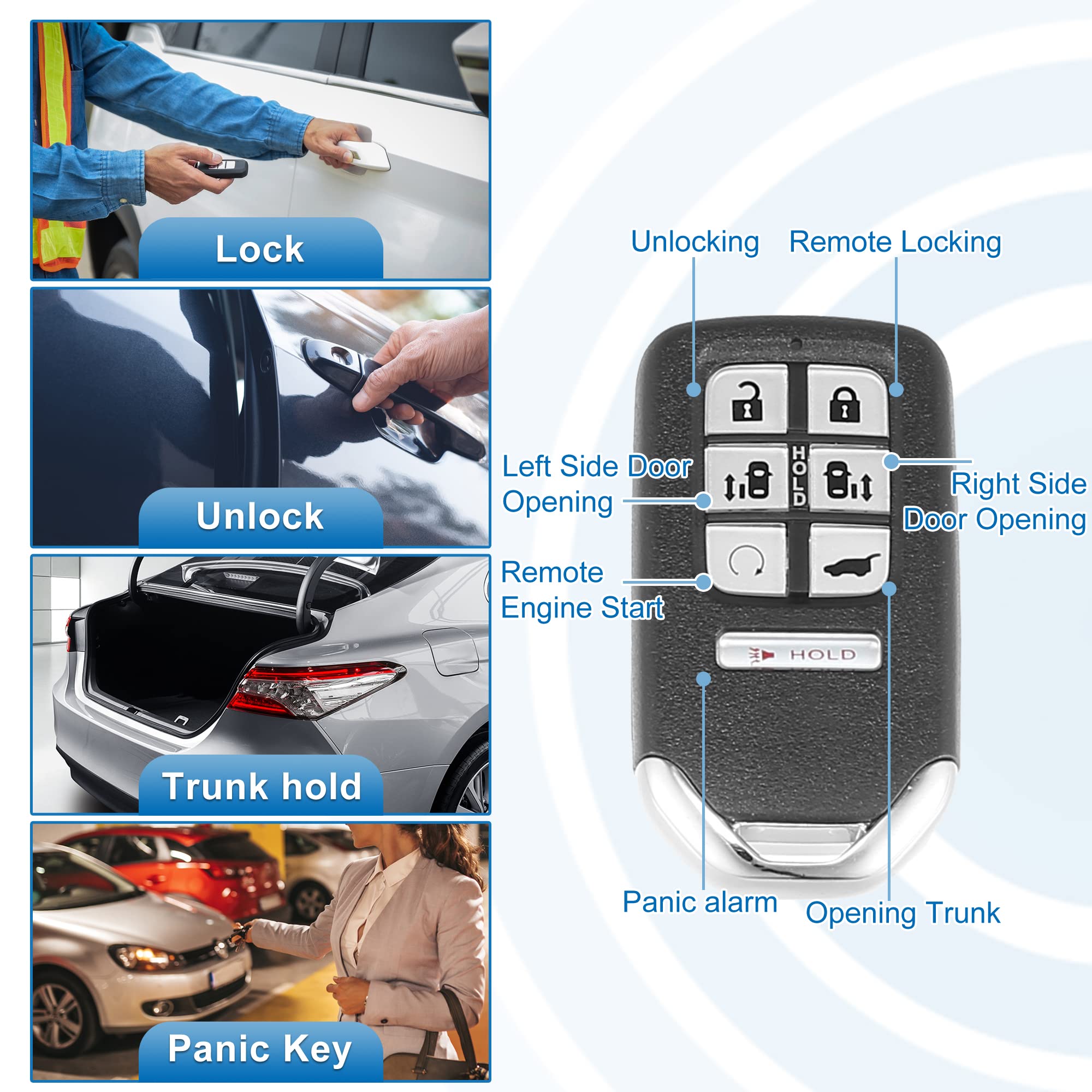
Adding a remote start system to a 2014 Honda Civic requires choosing between OEM factory-integrated solutions, plug-and-play aftermarket kits, or universal hardwired systems. While the 2014 Civic did not feature factory remote start as a standard trim-level inclusion, owners can achieve seamless integration by matching specific bypass modules and remote transmitters to the vehicle’s immobilizer and electrical architecture.
The 2014 Honda Civic, part of the ninth generation (2012–2015), utilizes a complex engine immobilizer system that complicates basic aftermarket installations. Because the vehicle requires a transponder signal to be present for the ignition to fire, any remote start system must include a data bypass module. This device mimics the signal of the factory key, allowing the engine to start remotely without compromising the vehicle's inherent anti-theft security protocols.
Evaluating Remote Start System Categories
Understanding the differences between available technologies is the first step in determining which solution suits your technical proficiency and operational requirements.
OEM Factory-Integrated Kits
The Honda Genuine Accessories catalog previously offered remote engine start kits designed specifically for the 2014 Civic. These systems utilize a dedicated Honda transmitter, often replacing or supplementing the factory key fob. The primary advantage of an OEM kit is electrical compatibility; the wiring harnesses are designed to snap into existing connectors with minimal modification to the vehicle’s factory loom. However, these systems often have a more limited range compared to premium aftermarket units and can be more expensive due to proprietary hardware costs.
Plug-and-Play Aftermarket Modules
These systems have become the gold standard for DIY enthusiasts and professional installers alike. Brands like Fortin and iDatastart produce vehicle-specific T-harnesses that connect directly to the ignition switch and the vehicle’s data bus. These kits typically require a "flash" or programming step, where the module is connected to a computer to download the specific firmware for the 2014 Civic. The advantage here is the reduction of manual wire splicing, which significantly lowers the risk of short circuits or system malfunctions.
Universal Hardwired Systems
Hardwired systems require an installer to tap into the vehicle's ignition, starter, parking light, and brake wires individually. While these systems are often cheaper in terms of raw hardware, the labor cost for installation is significantly higher due to the complexity of the task. For a 2014 Honda Civic, these systems are generally discouraged unless you are seeking a highly customized feature set, such as smartphone integration or long-range LoRa (Long Range) communication, which may not be available in standard plug-and-play kits.
Essential Prerequisites and Hardware Requirements
Before purchasing any hardware, you must verify your vehicle's specific configuration. The 2014 Honda Civic is equipped with a standard turn-key ignition or a push-to-start button depending on the trim level (such as the EX-L or Si). A remote start system designed for a turn-key vehicle will not function on a push-to-start model, and vice versa.
| Feature | Plug-and-Play Kit | OEM Factory Kit | Hardwired System |
|---|---|---|---|
| Installation Time | 1–2 Hours | 2–3 Hours | 4–6 Hours |
| Wiring Required | Minimal (T-Harness) | Moderate | Extensive |
| Firmware Needs | High (Flash Required) | Low (Plug-in) | Low/Moderate |
| Range | Variable | Short/Medium | High |
| Cost | Moderate | High | Variable |
The Role of the Data Bypass Module
The bypass module is the most critical component of the installation. In the 2014 Civic, the engine control unit (ECU) checks for a unique rolling code from the transponder chip inside your key head. When you trigger the remote start, the bypass module sends this digital signal to the ECU, effectively "tricking" the car into believing a valid key is present in the ignition cylinder. Without a properly programmed bypass, the car will turn over but fail to start, or the engine will cut out immediately after turning over.
Step-by-Step Implementation Strategy
Successful installation relies on preparation and rigorous testing. If you are not comfortable working with automotive wiring or vehicle trim panels, professional installation at a certified automotive electronics shop is strongly advised to maintain your vehicle's electrical warranty status.
1. Verification and Firmware Flashing
Before physical installation, you must use a programming tool (often a USB-to-module adapter) provided by the manufacturer. Connect the bypass module to a laptop, navigate to the manufacturer’s portal, and select the specific 2014 Honda Civic firmware. This process initializes the module to communicate with your vehicle’s specific CAN bus protocols.
2. Disassembly and Harness Routing
Remove the lower steering column cover and the driver’s side kick panel. In the 2014 Civic, the ignition switch harness is typically located on the right side of the steering column. Use a multimeter to identify and verify the 12V constant power, ignition, and ground wires. Even with a T-harness, it is best practice to verify these signals with a multimeter rather than relying solely on wire colors, which can vary across manufacturing plants.
3. Module Integration
Connect the T-harness to the vehicle's ignition switch and route the wires to the control module. Secure the module using zip ties to prevent rattling behind the dashboard. Ensure that no wires are pinched during the reassembly of the plastic panels. The antenna for the remote start should be mounted high on the windshield or behind the dashboard for optimal signal reception; avoid placing it directly against metal surfaces, as this will drastically decrease your remote range.
4. Programming the System to the Vehicle
Once installed, the module must be "learned" to the vehicle. This usually involves a sequence of plugging the module into the harness while holding a button, turning the key to the 'On' position, and waiting for specific LED blink patterns. Follow the manufacturer’s manual exactly; even a one-second deviation in the timing of the key turn can result in a failed pairing.
Safety Protocols and Troubleshooting
Remote start systems introduce potential hazards if not installed or used correctly. Always ensure the vehicle is in Park (or Neutral for manual transmissions, though this requires extra safety sensors) before arming the system.
Common Troubleshooting Scenarios
- Engine starts and immediately shuts off: This is the most common symptom of a failed bypass programming. The module is not sending the correct immobilizer signal. Re-flash the module and re-run the learning procedure.
- Key fob range issues: Check the antenna connection. If the antenna wire is kinked or placed too close to the vehicle's body control module (BCM), it may suffer from radio frequency interference.
- System unresponsive: Verify the main fuse located on the remote start harness. If it is blown, inspect the installation for any exposed wire strands that may be shorting against the vehicle frame.
Safety Limitations
Never use a remote starter in a closed garage or a poorly ventilated space. The 2014 Honda Civic, like any internal combustion vehicle, emits carbon monoxide. If your remote start system features a smartphone app, ensure that your subscription is active, as some cellular-based units will not activate if the service account has lapsed.
Frequently Asked Questions
Can I install a remote start if I only have one key?
Most bypass modules require two original keys to complete the "learning" sequence for the immobilizer. If you only have one key, you may need to visit a locksmith or a dealership to have a secondary key programmed before you can install an aftermarket remote start system.
Will remote start affect my factory security system?
A high-quality aftermarket system will integrate with your factory security system. When the remote start is triggered, the module will temporarily disable the factory alarm, start the engine, and then re-arm the system once the vehicle is turned off, ensuring your Civic remains protected.
Does the remote start void my electrical warranty?
In many jurisdictions, manufacturers cannot void a warranty based on aftermarket modifications unless they can prove the modification caused the specific failure. However, an improperly installed remote start can damage the BCM. Always keep documentation of the installation.
Can I control the climate with a remote starter?
The remote start system does not control the HVAC settings directly; rather, it allows the vehicle to run. You must set your climate control knobs or temperature settings to 'Heat' or 'A/C' before exiting the vehicle the night before. The car will then maintain those settings upon starting.
What is the advantage of a smartphone-based remote start?
Smartphone modules use cellular data to communicate with the vehicle from virtually anywhere. Unlike traditional key fobs that are limited to a few hundred feet, a smartphone unit allows you to start your car from your office or home, regardless of the distance, provided both the phone and the car have cellular service.
Next Steps for Owners
If you are ready to proceed, start by identifying whether your Civic has a standard key or push-to-start ignition. Purchase a vehicle-specific kit—preferably one with a T-harness—to simplify the installation. Consult the official installation manual for your specific module brand (such as Fortin or Directed Electronics) and ensure you have a secondary key available for the programming phase. If you choose to hire a professional, provide them with the vehicle's specific trim details to ensure they order the correct firmware and harness, avoiding compatibility issues during the appointment.