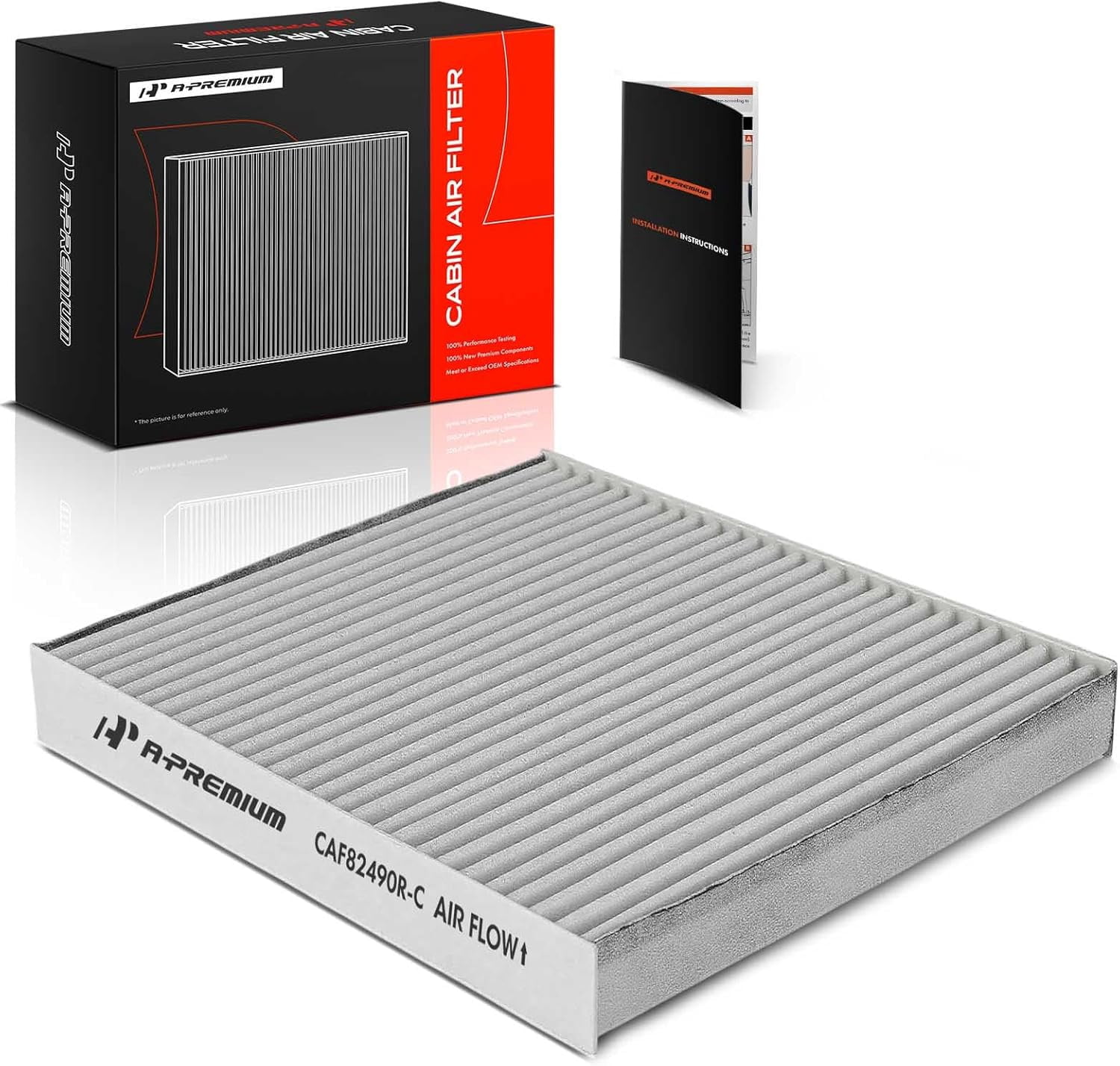
The 2012 Honda CR-V requires a specific rectangular cabin air filter, typically identified by OEM part number 80292-TV1-E01, located directly behind the interior glove compartment. For optimal air quality and HVAC performance, this filter should be inspected every 15,000 miles and replaced at least once every 12 to 24 months, depending on local air quality and driving conditions.
The cabin air filter is often the most overlooked component of a vehicle's maintenance schedule, yet it plays a critical role in the health of both the passengers and the vehicle's HVAC (Heating, Ventilation, and Air Conditioning) system. For owners of the 2012 Honda CR-V—a pivotal year that marked the beginning of the fourth generation—understanding the technical specifications and the simplicity of the service process can save significant money and improve the daily driving experience. As we move through 2026, maintaining older, reliable vehicles like the 2012 CR-V remains a priority for many, and the cabin air filter is a foundational piece of that upkeep.
Technical Specifications for the 2012 Honda CR-V Cabin Air Filter
The 2012 Honda CR-V uses a standardized filter size that is shared across several Honda and Acura models from that era. This makes finding replacements relatively easy, whether you prefer original equipment manufacturer (OEM) parts or high-quality aftermarket alternatives.
OEM Part Numbers and Dimensions
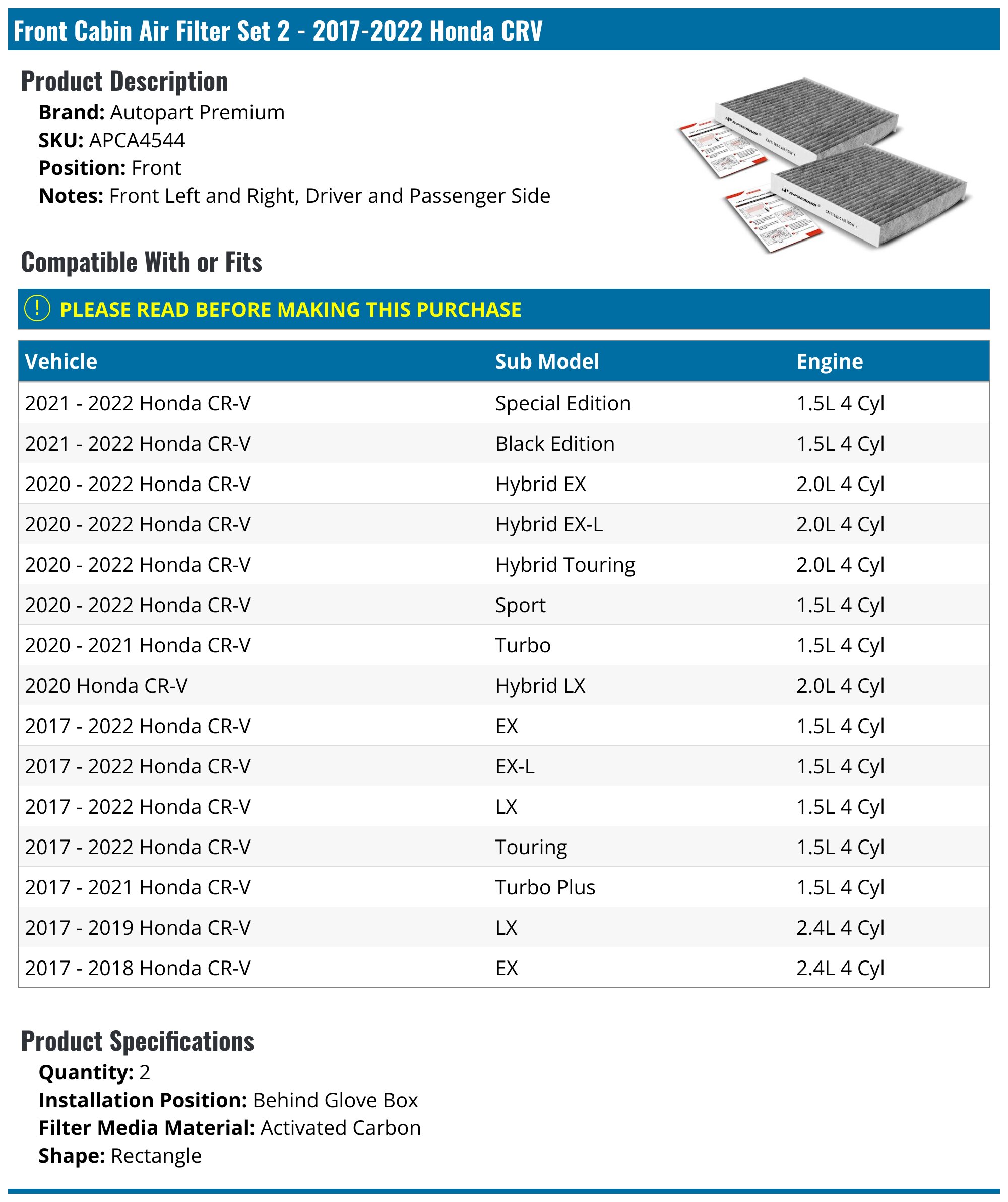
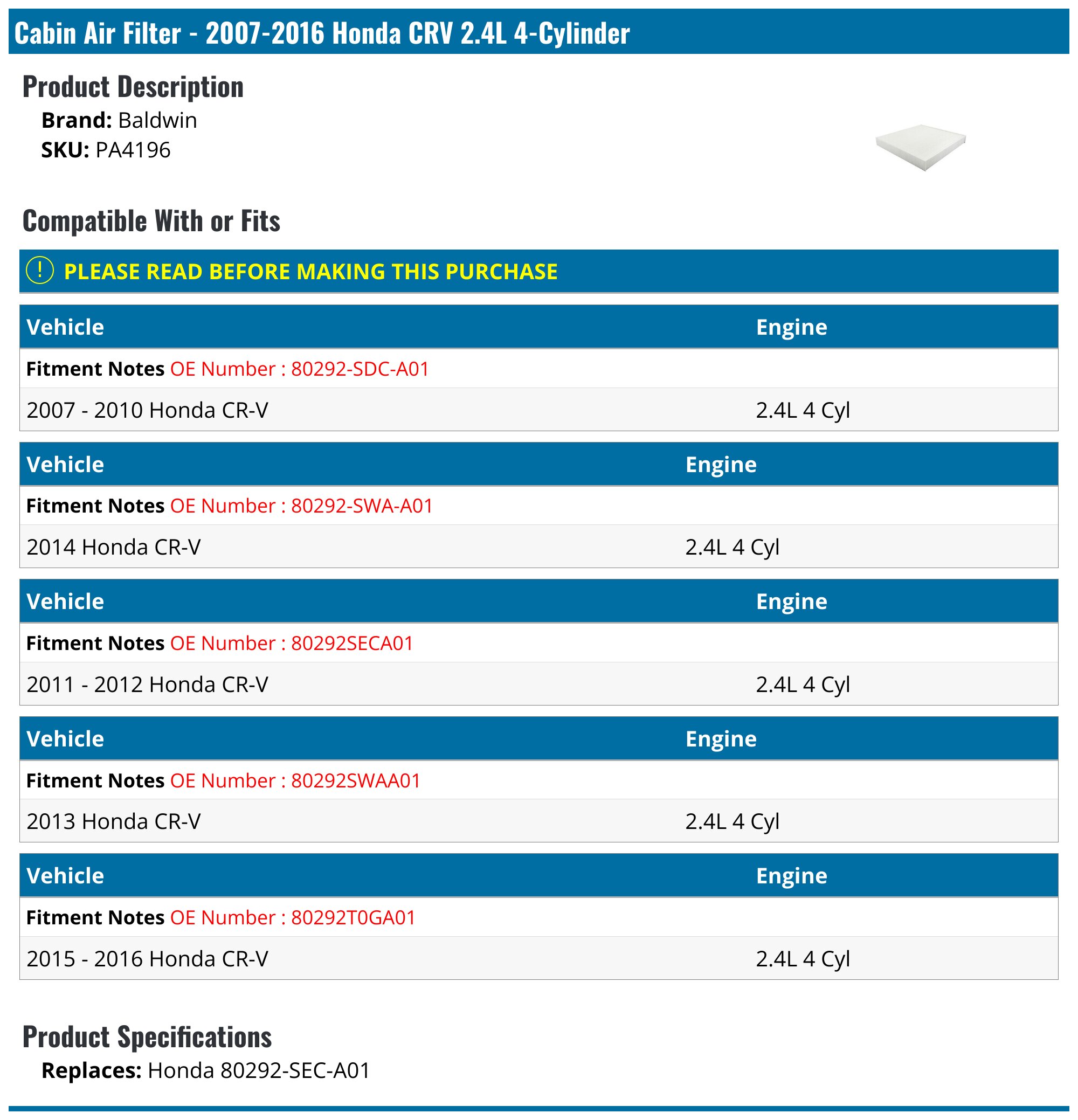
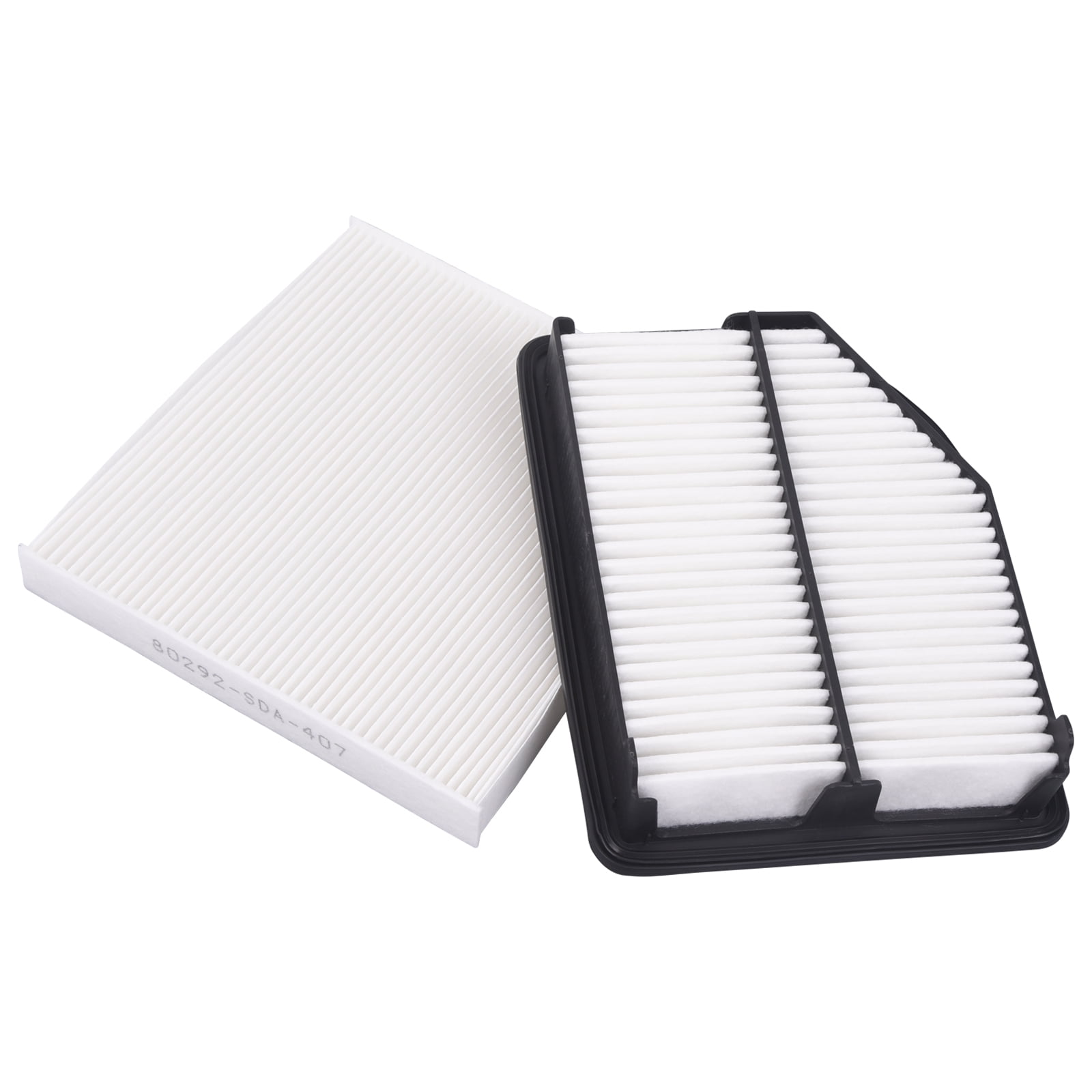
The official Honda part number for the 2012 CR-V cabin air filter is 80292-TV1-E01. You may also find it cross-referenced with older but compatible numbers such as 80292-SDC-A01 or 80292-SEC-A01.
The physical dimensions of the filter are approximately:
- Length: 8.31 inches (211 mm)
- Width: 8.07 inches (205 mm)
- Height/Thickness: 1.14 inches (29 mm)
When purchasing a filter, ensuring these dimensions match is vital. A filter that is too small will allow "blow-by," where unfiltered air bypasses the media, while a filter that is too large will buckle, creating gaps and potentially whistling noises when the fan is on high.
Media Types and Filtration Efficiency
In 2026, the variety of filtration media available for the 2012 CR-V has expanded significantly. Owners can choose based on their specific environmental needs:
- Standard Particulate Filters: These are usually made of non-woven synthetic fibers. They are designed to trap dust, pollen, and large spores. They provide the highest airflow but offer no protection against odors or chemical fumes.
- Activated Carbon Filters: These filters include a layer of charcoal or carbon. They are highly effective at neutralizing odors from exhaust fumes, trash, or industrial areas. They also help trap volatile organic compounds (VOCs).
- HEPA (High-Efficiency Particulate Air) Filters: These offer the highest level of filtration, capable of trapping 99.97% of particles as small as 0.3 microns. They are ideal for drivers with severe allergies or those living in areas prone to wildfire smoke, though they can slightly restrict airflow compared to standard filters.
- Antimicrobial Filters: Some premium options include a bio-functional layer that prevents the growth of mold and bacteria on the filter media itself, which is a common cause of "dirty sock" smells in car AC systems.
The Importance of Regular Service
Neglecting the cabin air filter does more than just let a little dust into the cabin. Over time, a clogged filter creates a cascade of mechanical and comfort issues.
Protecting the Blower Motor
The blower motor is the fan that pushes air through your vents. When a cabin air filter is packed with debris, the motor must work significantly harder to pull air through the restricted surface. This leads to increased electrical resistance, heat buildup, and eventually, premature failure of the blower motor or the blower motor resistor. Replacing a $15 filter is a proactive way to avoid a $300 to $500 repair bill for a motor replacement.
HVAC Efficiency and Defrosting
In winter months or humid conditions, the HVAC system relies on dry, moving air to clear the windshield. A clogged filter restricts this airflow, making it difficult to defrost or demist the glass quickly, which poses a safety risk. Furthermore, a restricted filter reduces the overall efficiency of the air conditioning system in the summer, meaning the compressor stays engaged longer to cool the cabin, which can slightly impact fuel economy.
Interior Air Quality
The air inside a vehicle can be up to six times more polluted than the air outside due to the concentration of pollutants in a small space. For the 2012 CR-V, which is frequently used as a family vehicle, maintaining a clean filter ensures that passengers—especially children and the elderly—are not breathing in concentrated levels of road dust, brake dust, and allergens.
Step-by-Step Replacement Guide for the 2012 Honda CR-V
One of the best features of the 2012 CR-V is that the cabin air filter is "tool-less." You do not need a single screwdriver or wrench to complete this task. The entire process takes less than ten minutes.
Step 1: Preparation and Access
Ensure the vehicle is parked and the ignition is off. Open the passenger-side door and empty the contents of the glove box. Since you will be lowering the glove box beyond its normal stopping point, anything inside will spill out onto the floor.
Step 2: Disengaging the Damper Arm
On the right-hand exterior side of the glove box, you will see a small plastic rod or "damper arm." This arm is responsible for the "soft-open" feature of the glove box.
- Slide the arm downward or pull it toward the rear of the car (depending on the specific clip tension) to unhook it from the glove box peg.
- Be gentle; this plastic arm can become brittle over time, especially in older 2012 models.
Step 3: Releasing the Glove Box Stops
With the damper arm disconnected, look at the sides of the glove box. There are two plastic "stops" that prevent the box from falling open.
- Place your hands on the outer edges of the glove box frame.
- Squeeze the sides inward toward the center of the box.
- This will allow the stops to clear the dashboard frame, and the glove box will swing down toward the floorboard, revealing the HVAC housing.
Step 4: Removing the Filter Cover
You will now see a long, thin plastic rectangular cover. This is the cabin air filter tray or access door.
- Locate the plastic tabs on the left and right sides of the cover.
- Squeeze the tabs simultaneously and pull the tray straight out toward you.
Step 5: Swapping the Filter (Crucial Step)
Slide the old filter out of the tray. Take note of the debris—this often confirms why the replacement was necessary.
- Airflow Direction: This is the most common mistake. Look for an arrow on the side of the new filter. On the 2012 Honda CR-V, the airflow is downward. The arrow on the filter should point toward the floor.
- Ensure the filter sits flush within the tray. There should be no gaps on the edges.
Step 6: Reassembly
- Slide the tray back into the housing until you hear the tabs click.
- Lift the glove box back up and squeeze the sides to move the stops back into the dashboard frame.
- Reconnect the damper arm by snapping it back onto the peg.
- Test the HVAC system by turning the fan to its highest setting to ensure there are no unusual noises or vibrations.
| Filter Feature | OEM (Honda) | Aftermarket (Standard) | Premium (Carbon/HEPA) |
|---|---|---|---|
| Filtration Level | High (Particulate) | Moderate | Very High (VOCs/PM2.5) |
| Odor Reduction | Low | Low | High |
| Airflow Rate | Optimized | High | Moderate |
| Material | Synthetic Fiber | Paper/Synthetic | Multilayer + Carbon |
| Average Cost (2026) | $25 - $35 | $12 - $18 | $22 - $45 |
Troubleshooting Common Issues
Musty or Moldy Smells
If you replace the filter and still notice a sour or "basement" smell when the AC is turned on, the issue may be mold growth on the evaporator core. In such cases, replacing the filter is the first step, but you may also need to use an aerosol HVAC cleaner. These cleaners are sprayed into the air intake (usually at the base of the windshield) to kill bacteria on the cooling coils.
Rattling or Whistling Noises
If you hear a new whistling sound after installation, the filter tray likely isn't snapped in completely, or the filter media has buckled. Re-open the housing and ensure the filter is perfectly flat. If you hear a "thumping" or "rattling" sound, a leaf or twig may have fallen into the blower motor squirrel cage while you had the filter out. You may need to reach into the housing (with the power off!) and feel for debris.
Reduced Airflow on High Settings
If the air coming out of the vents feels weak even with a new filter, ensure you didn't accidentally buy a "High Density" HEPA filter that your older blower motor is struggling to push air through. Alternatively, check that the "Recirculation" door is functioning correctly, as a stuck door can mimic a clogged filter.
Maintenance Intervals and Driving Conditions
While the standard recommendation for a 2012 CR-V is replacement every 15,000 to 30,000 miles, real-world conditions in 2026 often dictate a more aggressive schedule.
- Urban Drivers: If you spend most of your time in stop-and-go traffic, your filter is constantly sucking in exhaust fumes from the vehicle in front of you. An activated carbon filter replaced every 12 months is recommended.
- Arid/Dusty Climates: In regions with heavy dust or construction, the filter can become physically "loaded" much faster. Inspect the filter every 6 months; if you can't see the bottom of the pleats due to dirt, change it.
- High Humidity Areas: Moisture can lead to the filter media becoming damp, which encourages mold growth. Change the filter annually regardless of mileage to prevent odors.
Comparison of Service Options: DIY vs. Professional
In 2026, labor rates at dealerships and independent shops have continued to rise. For a 2012 Honda CR-V, the cost of a cabin air filter service at a dealership typically ranges from $60 to $95, including the part and "labor."
By contrast, performing the service yourself costs only the price of the part ($15–$30) and takes less than 10 minutes. Because no tools are required, this is arguably the most cost-effective DIY maintenance task available for this vehicle. Not only do you save money, but you also ensure that a high-quality filter of your choosing is installed, rather than the bulk-grade filter often used in "quick-lube" shops.
Frequently Asked Questions
Does the 2012 Honda CR-V have a "hidden" second cabin filter?
No. Unlike some older luxury vehicles or certain heavy-duty trucks, the 2012 CR-V uses a single-stage filtration system located behind the glove box. All cabin air must pass through this single filter before reaching the vents.
Which way should the arrow point on the filter?
The arrow on the cabin air filter for a 2012 CR-V should point downward. This indicates the direction of airflow from the outside intake down into the blower motor. If your filter says "This Side Up," then that side should face the ceiling of the car. Always check if the arrow indicates "Air Flow" or "This Side Up" as they mean opposite things.
Can I wash and reuse my old cabin air filter?
Standard paper and synthetic filters are not washable. Attempting to wash them will destroy the electrostatic charge of the fibers and may lead to mold growth. However, certain aftermarket brands like K&N offer "washable/reusable" cabin filters made of a specialized mesh. These can be cleaned with a specific kit, but they are more expensive initially.
Will a dirty cabin air filter affect my engine performance?
No. The cabin air filter is entirely separate from the engine air filter. The cabin filter cleans the air you breathe, while the engine air filter cleans the air the engine "breathes" for combustion. However, a clogged cabin filter can indirectly affect fuel economy by forcing the AC compressor to run longer to compensate for poor airflow.
Why is there a plastic frame in my filter housing?
In some 2012 CR-Vs, the filter sits inside a removable plastic tray (the frame). You must remove the old filter from this frame and slot the new one in. Do not discard the frame, as the new filter usually does not come with one unless specifically noted.
Final Recommendation for 2012 CR-V Owners
For the best balance of air quality and HVAC longevity, we recommend installing an activated carbon cabin air filter every spring. This timing ensures you have a fresh filter ready for the high-pollen counts of spring and the high-demand AC usage of summer. Given the ease of access behind the glove box, there is no reason to pay a premium for professional installation. By managing this simple task yourself, you ensure your 2012 Honda CR-V remains a comfortable and healthy environment for years to come.