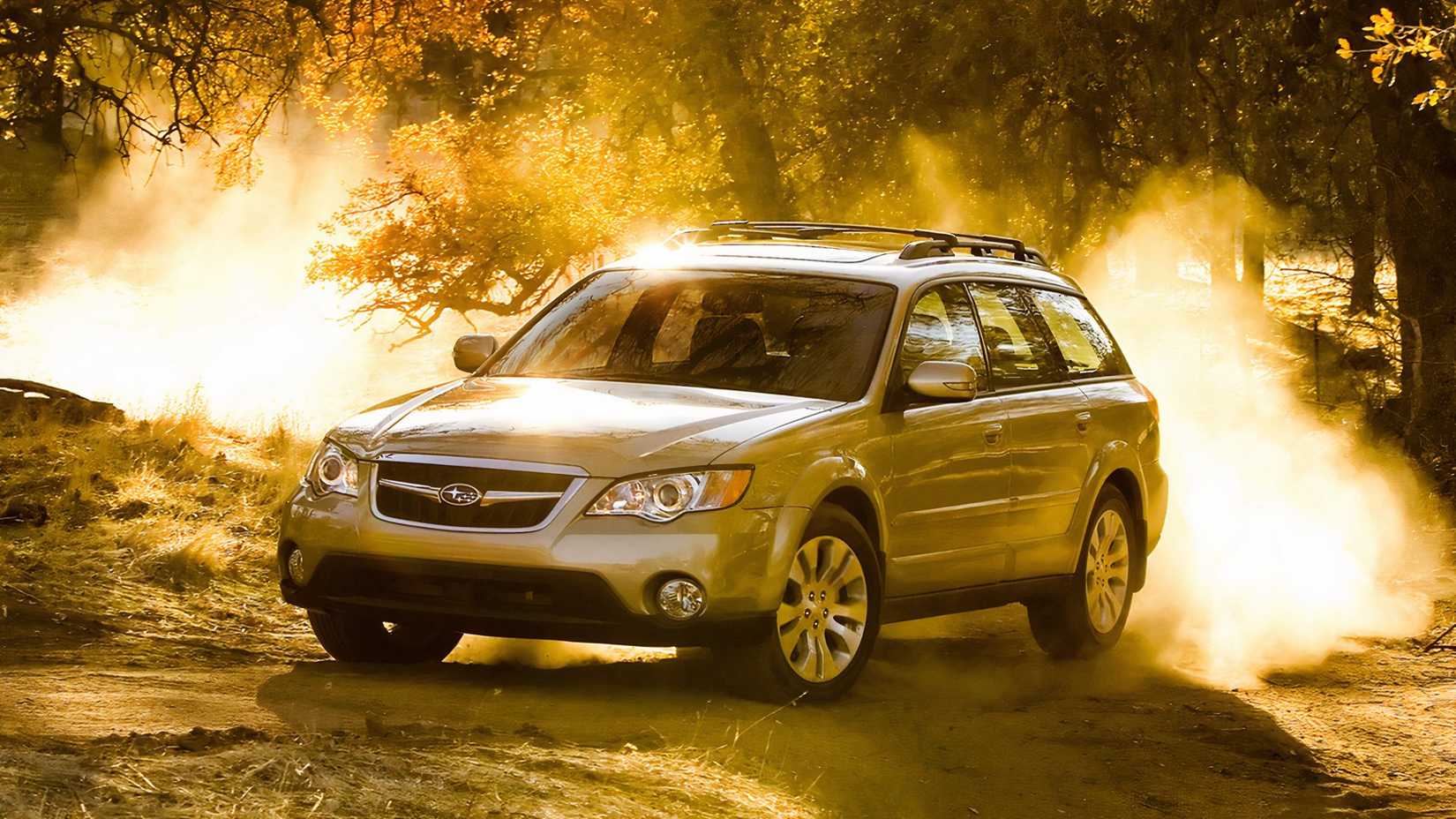
The 2006 Subaru Outback is widely regarded as a versatile and capable all-wheel-drive vehicle, but it is prone to specific mechanical challenges as it ages, most notably head gasket failures, timing belt maintenance requirements, and suspension wear. Understanding these common failure points allows owners to prioritize preventative maintenance and manage long-term repair costs effectively.
The 2006 Subaru Outback, built on the third-generation Legacy platform, remains a common sight on roads in 2026. While the vehicle is praised for its safety ratings, symmetrical all-wheel drive, and utility, it is also part of a cohort of Subaru models notorious for specific powertrain and chassis vulnerabilities. For the current owner, distinguishing between routine maintenance and critical mechanical failure is essential to keeping the vehicle operational.
Understanding the Engine Vulnerabilities
The 2006 Outback was offered with two primary engine configurations: the 2.5-liter naturally aspirated flat-four (EJ25) and the 3.0-liter flat-six (EZ30). Each engine comes with its own set of reliability considerations.
Head Gasket Failures in the 2.5L Engine
The most cited issue for the 2.5L engine is the failure of the cylinder head gaskets. In this generation, the factory-installed gaskets were prone to internal or external coolant leaks. An internal leak often leads to overheating or combustion gases entering the cooling system, while external leaks manifest as oily residue or coolant drips appearing at the seam between the cylinder head and the engine block.
If you suspect head gasket failure, look for these indicators:
- Persistent Overheating: The temperature gauge climbs into the red zone, especially under load.
- Discolored Oil: The engine oil appears milky or frothy, indicating coolant contamination.
- Coolant Loss: You find yourself frequently topping off the radiator with no visible leaks on the ground.
- Exhaust Smoke: White, sweet-smelling smoke exiting the exhaust pipe.
Repairing this issue is labor-intensive because the engine must be lifted or removed to access the heads. Owners are strongly advised to use upgraded, multi-layered steel (MLS) gaskets during replacement to prevent recurrence.
The Timing Belt Interval
Unlike the 3.0-liter engine, which utilizes a timing chain, the 2.5-liter engine uses a timing belt that must be replaced every 105,000 miles or 105 months, whichever comes first. Because the EJ25 is an interference engine, a snapped timing belt will result in catastrophic piston-to-valve contact, likely destroying the cylinder heads.
Drivetrain and Transmission Concerns
Subaru's all-wheel-drive (AWD) system is the brand's hallmark, but it requires diligent maintenance to avoid expensive repairs.
Automatic Transmission Jerking
Some 2006 Outbacks equipped with the 4EAT automatic transmission experience harsh shifting or "jerking," particularly during the 2-3 shift. This is often linked to the transmission valve body or the transmission control unit (TCU).
Initial troubleshooting steps include:
- Fluid Inspection: Check the transmission fluid for a burnt smell or metallic debris.
- Fluid Exchange: A drain-and-fill procedure using genuine Subaru-compatible ATF can sometimes resolve minor shift quality issues.
- Software Updates: In some cases, a dealer or specialized shop can perform a "re-learn" of the transmission's shift logic.
Differential and AWD Components
The center differential, which is housed inside the transmission, can wear out over time. A common symptom is a binding sensation during low-speed, tight turns. If the car feels like it is "scrubbing" or hopping during a sharp turn in a parking lot, the center differential clutch plates may be worn.
Suspension and Steering Wear
Given the age of these vehicles, original rubber bushings and suspension components have likely reached the end of their service life.
- Control Arm Bushings: The rear bushings on the front control arms frequently crack, leading to a loose steering feel, uneven tire wear, and "clunking" noises when going over bumps.
- Wheel Bearings: A rhythmic humming or growling noise that increases in intensity with vehicle speed usually points to a failing wheel bearing. Subaru wheel bearings from this era are known to have a finite lifespan, and replacement is a standard repair for high-mileage units.
- Strut Failure: The rear struts, particularly on models with the self-leveling suspension feature, are expensive to replace with OEM parts. Many owners choose to convert these to standard, non-leveling aftermarket struts to save costs without sacrificing significant utility.
Electrical and Interior Gremlins
While mechanical issues are the primary concern, the 2006 Outback is not immune to electrical wear.
- Instrument Cluster Illumination: It is common for the backlight bulbs in the climate control or the instrument cluster to burn out. These are often inexpensive to replace but require careful removal of the dashboard trim.
- Door Lock Actuators: The electric door lock actuators in this generation are known to weaken over time. If a door fails to lock or unlock via the key fob, the motor inside the actuator has likely failed.
- Sunroof Drainage: If you notice dampness in the floorboards, check the sunroof drain tubes. They can become clogged with debris, causing water to back up and spill into the cabin rather than exiting beneath the vehicle.
Summary of Common 2006 Outback Maintenance Issues
| Component | Common Issue | Recommended Action |
|---|---|---|
| Head Gaskets | Internal/External Leaks | Replace with MLS gaskets |
| Timing Belt (2.5L) | Belt snapping/Failure | Replace at 105k-mile intervals |
| Wheel Bearings | Growling/Humming | Replace bearing assemblies |
| Control Arms | Worn Bushings | Replace bushings or full arms |
| Transmission | Hard Shifting | Flush fluid; check valve body |
Frequently Asked Questions
Is the 2006 Subaru Outback still reliable in 2026?
Reliability at this age depends entirely on the service history. If the head gaskets have been addressed and the timing belt is current, the 2006 Outback remains a very capable vehicle. However, it requires a higher standard of preventative maintenance than a newer car.
Should I avoid the 2.5L engine because of head gasket issues?
Not necessarily. The head gasket issue is a known design flaw that, once repaired with modern, upgraded parts, is generally solved for the remainder of the vehicle's life. Always prioritize buying a unit that can provide documentation of this specific repair.
What is the most expensive common repair?
The head gasket repair is the most significant financial investment due to the labor involved in removing the engine. Other expensive repairs include transmission rebuilds or replacing a failing center differential.
Can I do these repairs myself?
Basic maintenance like oil changes, spark plug replacement, and brake pad swaps are well within the ability of an intermediate home mechanic. Major tasks like timing belt replacement or head gasket repair require specialized tools and engine hoist equipment; these are best handled by a professional shop unless you are highly experienced.
Does the 3.0-liter flat-six engine have the same problems?
No, the 3.0-liter (EZ30) engine uses a timing chain and does not suffer from the same head gasket issues as the 2.5-liter engine. However, the 3.0-liter engine is significantly more cramped in the engine bay, making other repairs more difficult.
Recommendations for Current Owners
If you currently own a 2006 Subaru Outback or are considering purchasing one, your first priority should be a comprehensive "pre-purchase" style inspection by a shop familiar with older Subarus.
- Verify the Timing Belt: If the seller cannot produce a receipt for the timing belt service, assume it has not been done. This should be your first expense to ensure the engine's longevity.
- Monitor Fluids Weekly: Given the age of the cooling system, keep an eye on your coolant reservoir levels. Catching a small leak early can prevent a catastrophic overheating event.
- Upgrade the Bushings: If you notice steering "wander," opt for polyurethane or high-quality rubber aftermarket bushings. This will sharpen the vehicle's handling significantly, often making it feel like a much newer car.
By proactively addressing the specific vulnerabilities of the 2006 Subaru Outback, you can mitigate the risk of mid-trip breakdowns and extend the life of the vehicle well beyond its original design expectations.