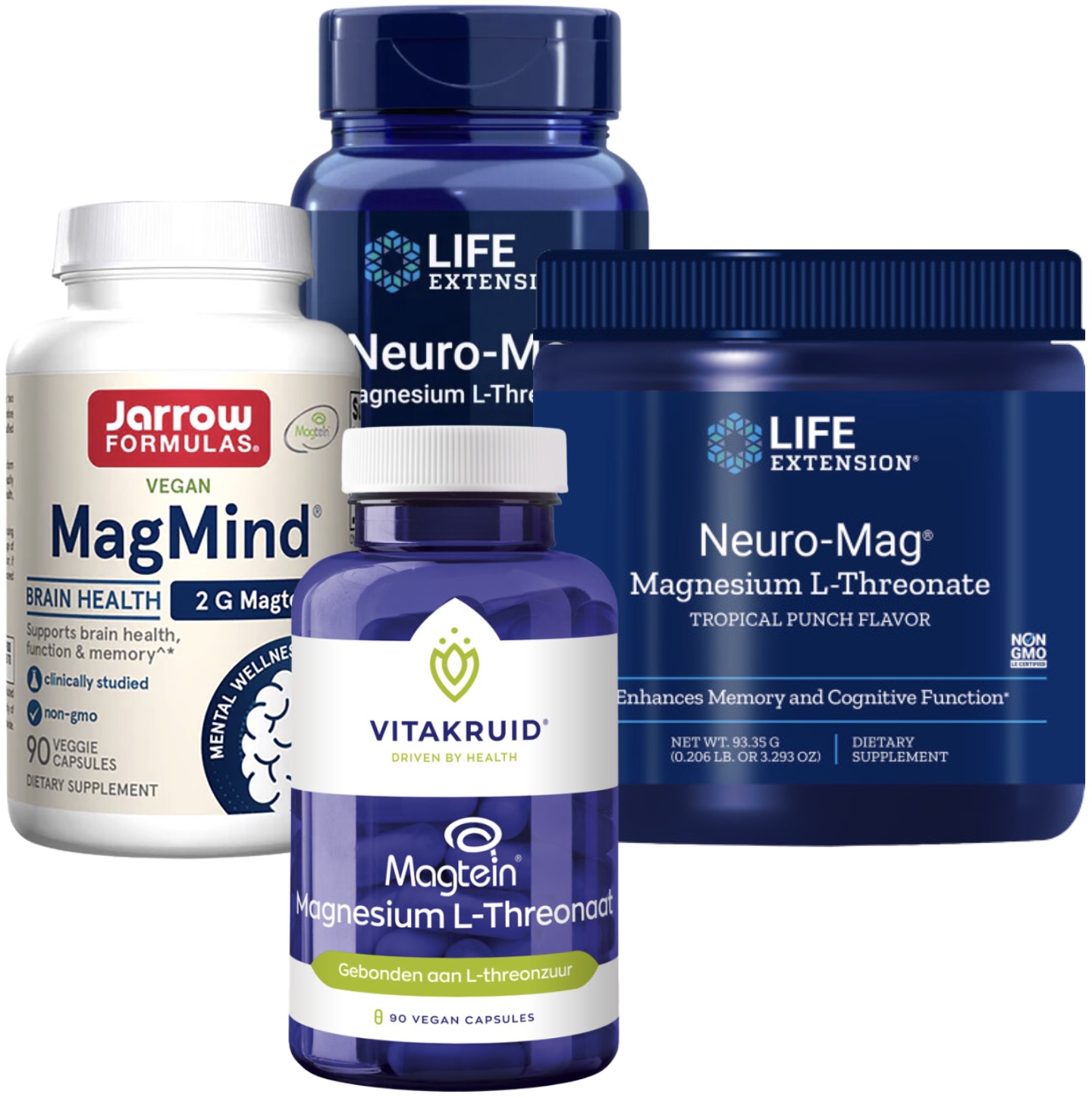
To achieve the best results with magnesium threonate, you should time your intake based on your primary goal: take the full dose in the morning for enhanced cognitive focus and memory, or take it two hours before bed to improve sleep quality and reduce nighttime anxiety.
Magnesium L-threonate (often marketed under the brand name Magtein) has become a staple in neuro-optimization protocols as of 2026. Unlike other forms of magnesium—such as citrate, oxide, or even glycinate—magnesium threonate is specifically engineered to bypass the limitations of the blood-brain barrier. While general magnesium supplements are excellent for muscle recovery and digestive regularity, they often fail to significantly raise magnesium levels within the cerebrospinal fluid. This article explores the technical nuances of timing this specific compound to maximize its unique neurological benefits.
Understanding the Uniqueness of Magnesium L-Threonate
Before selecting a timing protocol, it is essential to understand why magnesium threonate requires a different strategy than standard minerals. Most magnesium salts have high osmotic activity in the gut, which can lead to laxative effects before therapeutic levels are reached in the brain. Magnesium L-threonate is a chelate involving magnesium and L-threonic acid, a metabolite of Vitamin C.
Research, including the foundational studies conducted at the Massachusetts Institute of Technology, indicates that L-threonate acts as a "shuttle," allowing the magnesium ions to enter the brain more efficiently. As of 2026, clinical observations continue to support the idea that elevating brain magnesium levels can increase synaptic density and plasticity. This means the "best results" are not just about mineral sufficiency, but about structural changes in how neurons communicate.
The Science of the Blood-Brain Barrier (BBB)
The blood-brain barrier is a highly selective semipermeable border that prevents solutes in the circulating blood from non-selectively crossing into the central nervous system. Most magnesium supplements are filtered out or poorly transported across this barrier.
Magnesium L-threonate’s efficacy stems from its ability to increase the concentrations of magnesium in the brain by approximately 7% to 15% more than other forms. While that percentage may seem small, the neurological impact on NMDA (N-methyl-D-aspartate) receptors is profound. These receptors are responsible for controlling synaptic plasticity and memory function. By timing your dose correctly, you align the peak plasma levels of the supplement with the specific physiological demands of your day or night.
Way 1: Morning Timing for Cognitive Optimization
The first strategy for timing magnesium threonate is morning administration. This approach is favored by students, professionals, and those seeking to mitigate age-related cognitive decline.
Enhancing Synaptic Plasticity and Learning
When taken in the morning, magnesium threonate works to prime the brain for the day’s cognitive load. The primary mechanism involved is the modulation of the NMDA receptor. Magnesium sits in the "pore" of the NMDA receptor, preventing it from being overstimulated by glutamate. This might sound counterintuitive—blocking a receptor to improve focus—but it actually prevents "noise" in the brain.
By taking your dose with your first meal of the day, you ensure that as you encounter new information, your synapses are better equipped for "Long-Term Potentiation" (LTP). LTP is the process by which synaptic connections strengthen over time in response to increases in activity. In 2026, neuro-optimization experts suggest that morning timing is most effective for those engaged in high-intensity learning or complex problem-solving.
Managing Executive Function and Brain Fog
Morning timing is also highly effective for clearing "morning brain fog." Many users report that while caffeine provides a temporary burst of energy, magnesium threonate provides a "smoothing" effect on cognition. It helps maintain a calm but alert state. Because magnesium threonate does not typically cause the digestive urgency associated with magnesium citrate, it can be taken on a relatively empty stomach or with a light breakfast without the risk of mid-morning GI distress.
Way 2: Evening Timing for Sleep and Relaxation
The second way to time magnesium threonate is in the evening, approximately 60 to 120 minutes before your intended sleep time. This is the preferred method for individuals struggling with insomnia, high cortisol levels at night, or "racing thoughts" that prevent sleep onset.
The GABA Pathway and Cortisol Regulation
Magnesium is a natural agonist for GABA (gamma-aminobutyric acid) receptors. GABA is the primary inhibitory neurotransmitter in the brain; it is responsible for "turning down" the volume of the nervous system. While other forms of magnesium like glycinate are also famous for sleep, magnesium threonate’s ability to enter the brain directly makes it particularly potent for neurological relaxation.
By taking the supplement in the evening, you facilitate the downregulation of the central nervous system. It helps to lower cortisol—the body’s primary stress hormone—which should naturally be at its lowest point before sleep. If your cortisol remains high due to work stress or blue light exposure, magnesium threonate can help "force" the physiological transition into a rest-and-digest state.
Optimizing Sleep Architecture
Beyond just falling asleep faster (sleep latency), evening timing has been shown to improve sleep architecture. This refers to the cycles of light, deep, and REM (Rapid Eye Movement) sleep. By maintaining stable magnesium levels in the brain throughout the night, the brain can more effectively move through these cycles without micro-awakenings. Users often report more vivid dreams—a sign of healthy REM sleep—when utilizing the evening timing protocol.
Comparative Overview: Morning vs. Evening Protocol
The following table compares the two primary timing strategies to help you decide which aligns with your specific health goals.
| Feature | Morning Timing | Evening Timing |
|---|---|---|
| Primary Goal | Cognitive performance & memory | Sleep quality & anxiety reduction |
| Ideal For | Students, creators, executives | Insomniacs, high-stress individuals |
| Key Mechanism | NMDA receptor modulation (LTP) | GABA receptor agonism |
| Synergy | Pairs well with Caffeine or L-Theanine | Pairs well with Apigenin or Melatonin |
| Typical Dose | 1,000mg (approx. 72mg elemental) | 1,000mg - 2,000mg (full daily dose) |
| Long-term Benefit | Increased synaptic density | Reduced neuro-inflammation |
The Hybrid Approach: Split Dosing
For many users, the "best results" actually come from a combination of both timing strategies. This is often referred to as the "Split Dose" method. In this protocol, a user might take 1,000mg (providing roughly 72mg of elemental magnesium) in the morning and another 1,000mg in the evening.
As of 2026, the standard recommended daily intake for Magtein-branded magnesium threonate is 2,000mg. Splitting this dose allows for a steady-state concentration of magnesium in the cerebrospinal fluid. It provides the cognitive "buffer" during the day while still supporting the transition into sleep at night. If you are new to the supplement, starting with a split dose is often the most balanced way to assess your body’s reaction.
Dosage Guidelines and Bioavailability
Regardless of when you time your dose, the quantity matters. It is important to distinguish between the total weight of the compound and the elemental magnesium content.
- Total Weight: Usually listed as 2,000mg per serving. This includes the L-threonic acid.
- Elemental Magnesium: Usually around 144mg per 2,000mg of the compound.
While 144mg may seem lower than the RDA (Recommended Dietary Allowance) for magnesium, which is typically 310mg–420mg for adults, remember that magnesium threonate is not meant to be your only source of magnesium. It is a targeted neurological supplement. You should still aim to get the remainder of your magnesium requirements from diet (nuts, seeds, leafy greens) or a more affordable "body" magnesium like magnesium malate.
Potential Side Effects and Contraindications
While magnesium L-threonate is generally well-tolerated, timing it incorrectly for your specific biology can lead to minor issues.
- Daytime Drowsiness: Some individuals are highly sensitive to the GABAergic effects of magnesium. If you take a full dose in the morning and feel lethargic or "too relaxed" to work, shift your entire dose to the evening.
- Vivid Dreams: For some, the increase in REM sleep can lead to intense or even disruptive dreams. If this occurs with evening timing, try moving the dose to the late afternoon (around 4:00 PM) to allow the peak levels to stabilize before you actually hit the pillow.
- Headaches: A small percentage of users report mild "tension" headaches when first starting. This is often a sign of the brain adjusting to increased mineral levels. Drinking plenty of water and ensuring adequate sodium/potassium intake usually resolves this.
Medical Limitation: Individuals with chronic kidney disease (CKD) should exercise extreme caution with any magnesium supplement, as the kidneys are responsible for excreting excess magnesium. Always consult with a healthcare provider before beginning a new mineral regimen, especially if you are taking blood pressure medication or antibiotics, as magnesium can interfere with absorption.
FAQ
Does magnesium threonate cause diarrhea like other forms?
No, it is significantly less likely to cause digestive upset. Because the L-threonate form is so efficiently absorbed through the intestinal wall and targeted toward the brain, very little "unbound" magnesium remains in the colon to pull in water and cause a laxative effect. However, if you are extremely sensitive, taking it with food can further mitigate any risk.
Can I take magnesium threonate with coffee?
Yes, many people in the "nootropics" community take it specifically to take the "edge" off caffeine. Caffeine can sometimes lead to jitteriness or increased anxiety; the NMDA-blocking properties of magnesium threonate can help provide a more focused, calm energy rather than a frantic one. Note that caffeine is a mild diuretic, so ensure you are staying hydrated.
How long does it take to see results?
While the relaxation effects of evening timing can often be felt within the first few nights, the cognitive benefits—such as improved memory recall and focus—typically take 4 to 8 weeks of consistent use to manifest. This is because these benefits rely on the physical growth of new synaptic connections, which is a biological process that cannot be rushed.
Is it safe to take every day in 2026?
Yes, based on the longitudinal data available as of 2026, daily supplementation within the recommended dosage (usually 2,000mg of Magtein) is considered safe for healthy adults. There is no evidence that the brain develops a "tolerance" to magnesium; rather, it simply maintains an optimal homeostatic level.
Should I take it on an empty stomach?
It can be taken with or without food. However, for the morning protocol, taking it with a small amount of healthy fats (like those found in eggs or avocado) may help with general absorption and prevent any potential stomach fluttering, though it is not strictly required for the supplement to work.
Final Recommendations
To get the best results from magnesium threonate, begin by identifying your primary "pain point." If your days are marred by brain fog and an inability to focus, adopt the Morning Timing protocol: take 1,000mg with breakfast and evaluate your focus over two weeks. If your nights are spent tossing and turning with a restless mind, adopt the Evening Timing protocol: take the full 2,000mg dose two hours before bed.
For most people seeking a general upgrade to their neurological health, the Split Dose approach remains the gold standard in 2026. By taking half in the morning and half in the evening, you support your brain’s needs across the entire 24-hour circadian cycle, ensuring you are sharp during the day and restored during the night.