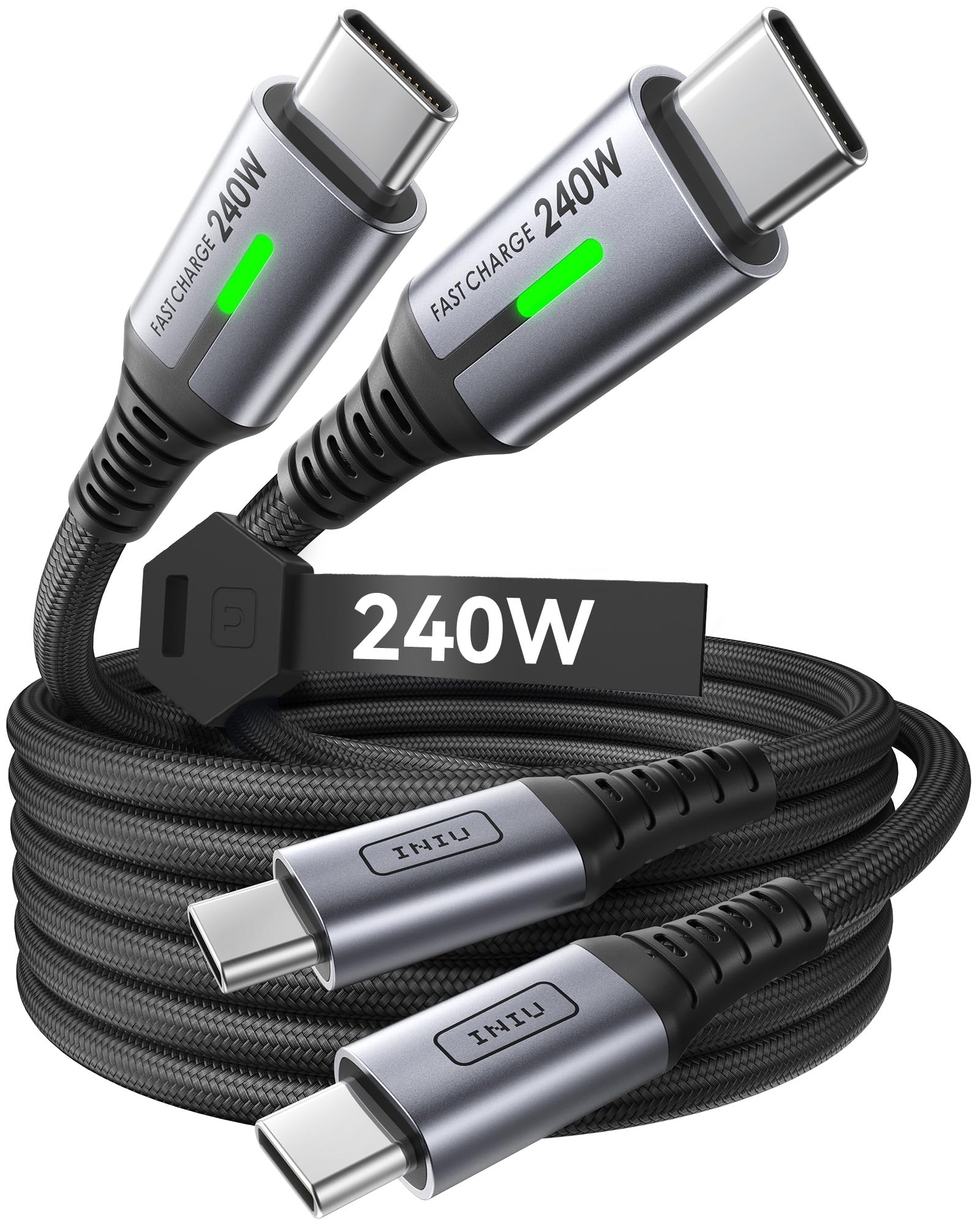
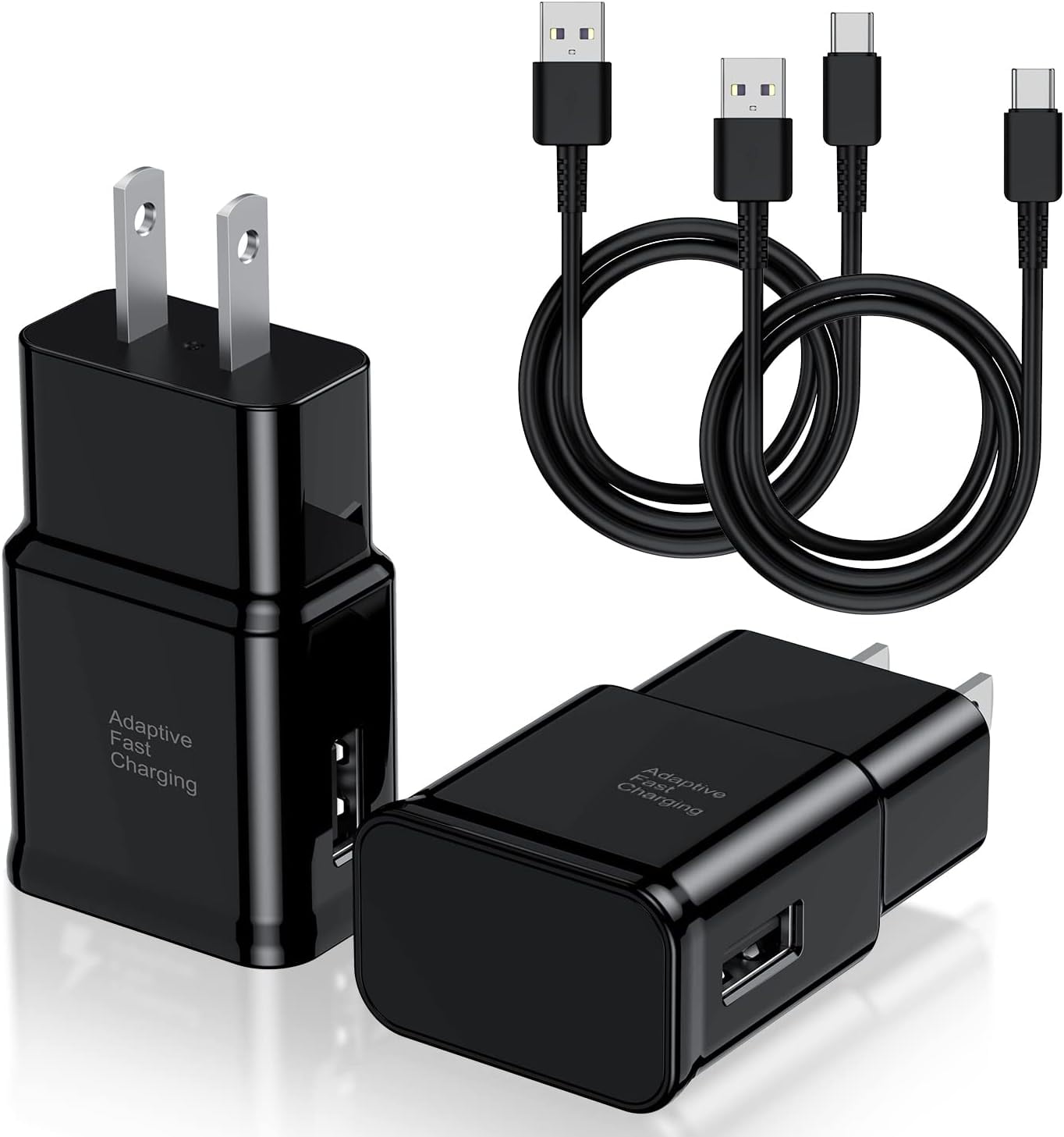
When evaluating everyday power accessories, a 2.4-ampere (2.4A) output occupies an interesting middle ground in the history and evolution of mobile power delivery. Historically, a 2.4A USB port—often operating at 5 volts to deliver approximately 12 watts of power—was considered the gold standard for rapidly charging tablets, large smartphones, and power banks. In the current landscape of mobile technology, however, the definition of rapid power delivery has shifted dramatically upward. While a 2.4A connection significantly outpaces legacy 1A (5-watt) smartphone chargers, it is generally classified today as standard or moderate-speed charging rather than true high-speed or fast charging.
To understand where a 2.4A charger fits into your modern tech ecosystem, it is essential to examine how electrical current, voltage, and power interact. This comprehensive guide explores the capabilities, limitations, and practical applications of 2.4A charging, compares it with contemporary high-wattage protocols, and helps you determine when it is appropriate to use.
The Technical Fundamentals of 2.4A Power Delivery
To evaluate charging speeds accurately, one must look beyond simple amperage ratings and examine total electrical power measured in watts. Power is calculated by multiplying voltage ($V$) by amperage ($A$):
$$\text{Power (Watts)} = \text{Voltage (Volts)} \times \text{Current (Amperes)}$$
Standard USB-A ports traditionally supplied 5 volts at 0.5A (2.5W) for computer data ports or 1A (5W) for basic wall adapters. As mobile devices grew larger batteries, manufacturers sought ways to push more energy safely through standard copper wiring without overheating the components.
The Apple iPad Legacy and 12W Charging
The 2.4A configuration largely entered mainstream consumer awareness with Apple’s introduction of the 12W USB power adapter, designed primarily for legacy iPads. By configuring the data pins on a standard USB-A port to signal a higher current capability to compatible devices, these adapters could safely deliver approximately 2.4 amperes at 5 volts.
[Power Source: 5V] x [Current: 2.4A] = 12 Watts Total Power Output
While 12 watts was remarkably fast relative to the standard 5-watt iPhone blocks of the early 2010s, it relied entirely on increasing current rather than raising voltage. This created inherent physical limitations governed by resistance and heat dissipation in cables and connectors.
Comparing 2.4A Charging to Modern Fast-Charging Standards
The mobile industry has largely moved away from simple high-current 5V charging in favor of high-voltage protocols, often referred to collectively as fast charging or quick charging. Modern standards utilize variable voltage—stepping up from 5V to 9V, 12V, 15V, or even 20V—while intelligently modulating current to minimize energy loss and heat.
USB Power Delivery (USB-PD) and Quick Charge
Protocols such as USB Power Delivery and Qualcomm Quick Charge negotiate power dynamically between the charger and the connected device. Instead of forcing a constant 2.4A at a fixed 5V, a USB-PD charger might supply 9 volts at 2 amperes (18 watts) or 20 volts at 3 amperes (60 watts).
Because electrical resistance causes energy loss over long cables, raising the voltage allows devices to receive higher wattage without requiring dangerously thick copper conductors inside the cable. Consequently, a modern 20W, 30W, or 65W charger can replenish a depleted smartphone battery from 0% to 50% in roughly 30 minutes, a feat well beyond the physical capacity of a traditional 12W (2.4A) supply.
| Charger Type | Voltage (V) | Amperage (A) | Total Output (Watts) | Relative Speed Classification |
|---|---|---|---|---|
| Standard USB | 5V | 1.0A | 5W | Slow / Legacy |
| Standard 2.4A | 5V | 2.4A | 12W | Moderate / Standard |
| Basic Fast Charge | 9V | 2.0A | 18W | Fast |
| Modern Mid-Tier | 9V / 15V | 2.0A - 3.0A | 20W – 30W | Very Fast |
| High-Power PD | Up to 20V+ | Up to 5A+ | 60W – 240W | Ultra Fast (Phones, Laptops) |
Practical Performance: What Can a 2.4A Charger Handle Effectively?
Just because 2.4A charging is no longer considered cutting-edge does not mean it lacks utility. Understanding its practical performance helps prevent device damage while setting realistic expectations for charging times.
Smartphones and Legacy Devices
For older iPhones, budget Android devices, wireless earbuds, smartwatches, and e-readers, a 2.4A power source provides an optimal and safe charging speed. Many smaller lithium-ion batteries cannot physically accept high-wattage input without degrading their chemical longevity. Using a reliable 2.4A wall brick or multi-port USB hub ensures these accessories charge steadily without generating excessive heat.
Modern Flagship Smartphones
If you connect a modern flagship smartphone—such as a recent iPhone or Samsung Galaxy device—to a 2.4A USB-A port, the device will charge, but it will do so at a reduced rate. Modern phones will throttle their intake to match the 12W ceiling of the charger. While this is entirely safe, it will take significantly longer—often two hours or more—to reach a full charge compared to using a compatible USB-PD fast charger.
Tablets and Power Banks
Mid-sized tablets, older generation iPads, and standard portable power banks often draw right around 10W to 12W. For these items, a 2.4A port performs adequately, matching the maximum design specifications accepted by the hardware.
Safety, Efficiency, and Compatibility Considerations
Operating electrical equipment safely requires attention to hardware quality and power specifications. When utilizing multi-port chargers or legacy USB-A cables rated for 2.4A, several technical factors deserve careful consideration.
Intelligent Current Distribution
Many modern multi-port wall adapters advertise total output ratings, such as a 24W charger with two USB ports. If both ports are utilized simultaneously, the internal circuitry divides the available current—often splitting it into two 2.4A (or lower) streams. Checking the fine print on multi-port chargers ensures you know whether your device is receiving its maximum intended power.
Heat and Battery Longevity
Lower-wattage charging inherently generates less thermal stress than high-wattage fast charging. While modern smartphones feature sophisticated thermal management systems that slow down power delivery as the battery approaches full capacity, using a moderate 12W (2.4A) charger overnight can actually be gentler on overall battery chemistry over years of use, minimizing cumulative heat degradation.
Frequently Asked Questions
Is 2.4A fast charging for an iPhone?
No. While a 2.4A charger delivers 12 watts of power, which was once considered fast for older iPhones, modern iPhones support USB-PD fast charging starting at 20 watts or higher. A 2.4A charger will power an iPhone safely, but it will charge at a standard, moderate speed.
Will a 2.4A charger damage a phone that requires less amperage?
No. Electronic devices draw only the amount of current they require from a power source. A 2.4A charger is capable of supplying up to 2.4 amperes, but if your device only requests 1A, the charger will only supply 1A.
Can I use a 2.4A USB port to charge a laptop?
Generally, no. Most modern laptops require a minimum of 45W to 65W delivered via USB-C Power Delivery at higher voltages (15V or 20V). A 12W (2.4A) USB-A port lacks both the necessary voltage and total wattage to charge a laptop effectively, and the laptop may not register the connection at all.
Why does my phone charge slowly on some multi-port USB adapters?
Multi-port chargers share their total wattage across all active connections. If you plug multiple devices into a charger that splits its output, the current allocated to each individual port may drop below 2.4A, resulting in noticeably slower charging times.
Summary and Final Recommendations
A 2.4A power output represents a reliable, safe, and standard tier of charging that delivers approximately 12 watts of power. While it is no longer classified as fast charging in the era of high-voltage USB-PD protocols, it remains exceptionally useful for accessories, older electronics, and overnight charging where speed is secondary to battery preservation. Assessing your specific device requirements will help you determine whether a 2.4A source is sufficient or if an upgrade to a modern high-wattage fast charger is warranted.