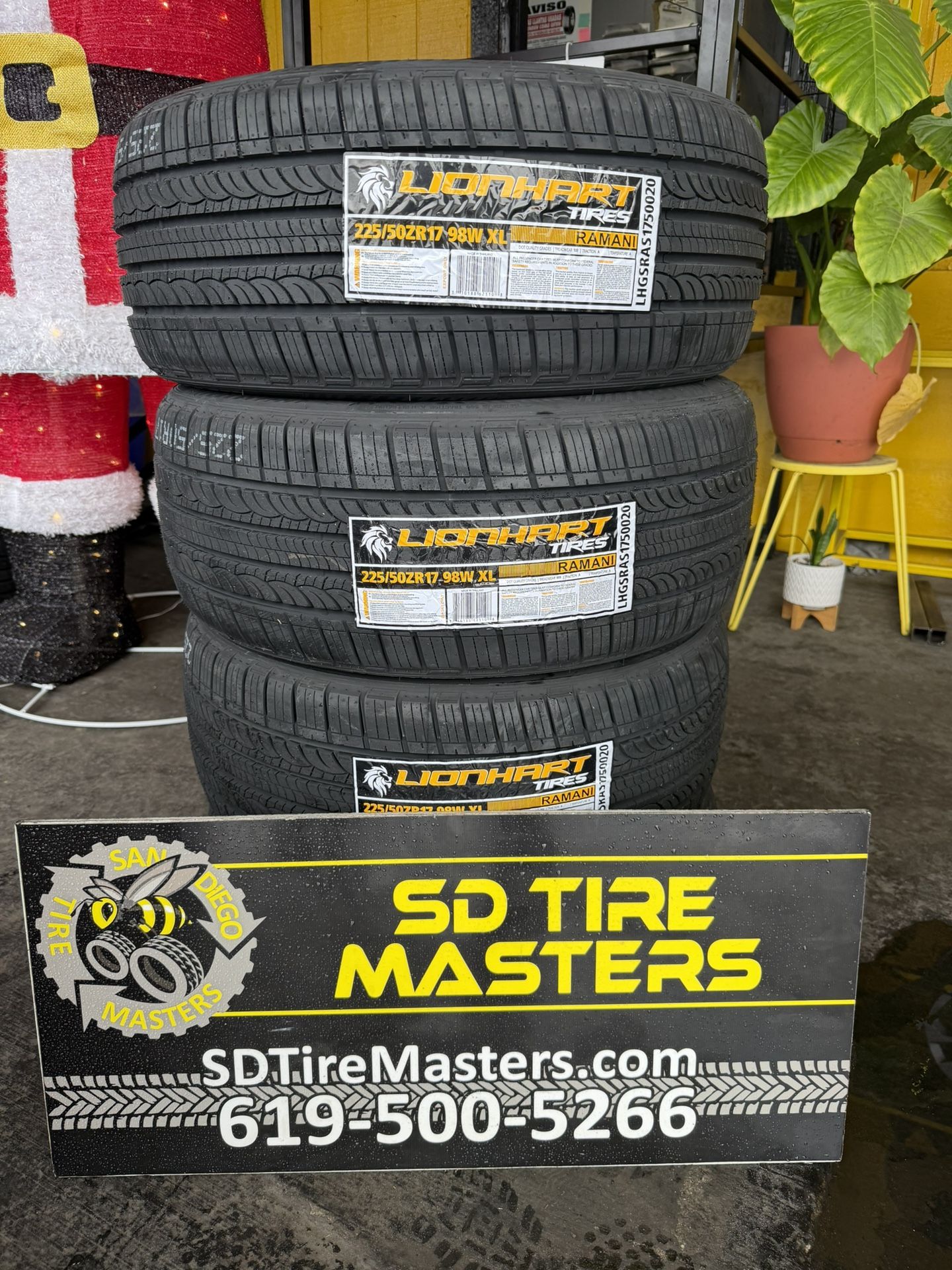
Purchasing a new set of tires is one of the most significant maintenance investments a vehicle owner makes. In 2026, a reasonable price range for four new tires typically spans from $400 to $1,200, though this varies based on tire size, vehicle type, and performance requirements. This investment covers not just the rubber, but the critical safety interface between your vehicle and the road.
Defining the "Reasonable" Price Point
The concept of a reasonable price is inherently tied to the intended use of the vehicle and the engineering complexity of the tire. When evaluating the cost of a full set of four tires, it is helpful to categorize them by market tier. Budget-friendly tires generally range from $100 to $150 per tire, placing a full set between $400 and $600. Mid-range options, which offer a balance of longevity, fuel efficiency, and traction, usually cost between $150 and $225 per tire, totaling $600 to $900. Premium tires, designed for high performance, specialized winter conditions, or extended tread life, often exceed $250 per tire, resulting in a set cost of $1,000 to $1,500 or more.
A "reasonable" price is therefore relative to your vehicle's specifications. A compact sedan with 15-inch rims will naturally fall at the lower end of the spectrum, while a luxury SUV or a performance vehicle requiring 20-inch or larger low-profile tires will inevitably command a higher price.
Factors Influencing the Cost of Tires
Several technical and market variables dictate the price tag at the point of sale. Understanding these components allows you to make an informed decision rather than simply choosing the cheapest option available.
Tire Size and Aspect Ratio
The physical dimensions of a tire are the primary driver of cost. Larger tires require more raw materials—including rubber, steel, and synthetic fabrics—and more complex manufacturing processes. If your vehicle requires a non-standard size or a low-profile tire (where the sidewall is short relative to the width), the engineering requirements increase, which is reflected in the final retail price.
Compound Technology and Tread Life
The chemical composition of the tire tread determines its grip, heat resistance, and longevity. Manufacturers invest heavily in proprietary rubber compounds. Tires with higher "treadwear" ratings (as designated by the Uniform Tire Quality Grading or UTQG system) often cost more upfront but provide better value over time by lasting thousands of miles longer than entry-level compounds.
Performance Requirements
Tires are engineered for specific environmental and operational roles. An all-season tire designed for general commuting is significantly cheaper to produce than a dedicated summer performance tire, which requires advanced silica compounds for maximum adhesion. Similarly, winter tires—which feature specialized siping and flexible rubber compounds—carry a price premium due to their technical complexity and seasonal performance capabilities.
Comparative Market Breakdown
The following table provides a general estimate of what consumers can expect to pay for a full set of four tires based on common vehicle segments in 2026. Note that these figures reflect the tires themselves and generally exclude mounting, balancing, and disposal fees.
| Vehicle Category | Tire Size Range | Estimated Price Range (Set of 4) | Typical Performance Focus |
|---|---|---|---|
| Economy/Compact | 14" – 16" | $400 – $650 | Longevity & Fuel Economy |
| Standard Sedan/Crossover | 16" – 18" | $600 – $950 | All-Season Comfort |
| Luxury Sedan/SUV | 18" – 20" | $800 – $1,300 | Noise Reduction & Grip |
| Performance/Sports | 19" – 22" | $1,100 – $2,000+ | High-Speed Handling |
Beyond the Purchase Price: Hidden Costs
When budgeting for four new tires, failing to account for secondary costs is a common mistake. You must incorporate professional services into your total financial plan for the replacement.
- Mounting and Balancing: Most tire retailers charge a per-tire fee to mount the new tire onto the wheel and balance the assembly. If the balance is off, the vehicle will experience vibration at high speeds, leading to uneven tire wear and potential damage to wheel bearings.
- Valve Stems: When replacing tires, it is standard practice to replace the rubber valve stems. While inexpensive, they are a critical component for maintaining air pressure.
- Disposal Fees: Most jurisdictions have environmental regulations regarding the disposal of scrap tires. Tire shops typically charge a disposal fee (often called a "tire recycling fee") for each old tire removed from the vehicle.
- Tire Pressure Monitoring System (TPMS) Service: If your vehicle has a TPMS, the sensors may need calibration or the service kits (gaskets and caps) replaced during the tire change to ensure they continue to report accurate pressure readings to the dashboard.
Balancing Value and Safety
The temptation to opt for the least expensive tires is strong, but it is important to consider the "cost per mile" metric rather than just the out-the-door price. A $500 set of tires that lasts 30,000 miles costs $0.016 per mile. A $900 set that lasts 60,000 miles costs $0.015 per mile. In this scenario, the more expensive tire is actually the more economical choice.
Furthermore, tires are the primary safety component of any vehicle. The braking distance, handling in rain, and overall stability are entirely dependent on the quality of the rubber in contact with the pavement. When choosing between two price points, look at the manufacturer’s warranty, the treadwear rating, and independent testing results rather than just the price tag.
Frequently Asked Questions
Is it ever okay to buy used tires? Generally, it is discouraged. Used tires often come with an unknown history. You cannot verify if the tire has been subjected to excessive heat, improper inflation, or internal structural damage that is not visible from the exterior. For the sake of safety, new tires are the recommended standard.
What does the "Treadwear" rating mean? The treadwear grade is a comparative rating based on the wear rate of the tire when tested under controlled conditions. A higher number indicates the tire lasted longer during testing. While useful, it is important to remember that these tests are performed under specific laboratory conditions and real-world results may vary based on your driving habits and road surfaces.
Do I need to replace all four tires at once? If your vehicle has all-wheel drive (AWD) or four-wheel drive (4WD), it is almost always necessary to replace all four tires simultaneously to prevent damage to the drivetrain caused by uneven tire diameters. For front-wheel or rear-wheel drive vehicles, you may replace them in pairs, but the new tires should always be placed on the rear axle to maintain optimal handling stability.
How do I know when my tires actually need replacing? Aside from the "penny test," where you insert a penny into the tread to see if Lincoln's head is covered, you should look for the "wear bars" molded into the tire grooves. When the tread becomes flush with these bars, the tire is at the legal minimum tread depth and must be replaced immediately for safety.
Do expensive tires really perform better? In many cases, yes. Higher-priced tires usually incorporate more sophisticated rubber compounds that maintain flexibility in wider temperature ranges and feature tread patterns designed to channel water more efficiently, significantly reducing the risk of hydroplaning.
Recommendation for Your Next Purchase
Before heading to a retailer, consult your vehicle’s owner’s manual or the tire information placard located on the driver’s side door jamb. This document specifies the exact tire size and load rating required for your specific vehicle. Once you have these specifications, research at least three different brands within your budget range. Look for tires with high marks in wet traction and tread life. By performing this pre-work, you can ensure that the "reasonable price" you pay translates into a set of tires that provides reliability and safety for the years to come.