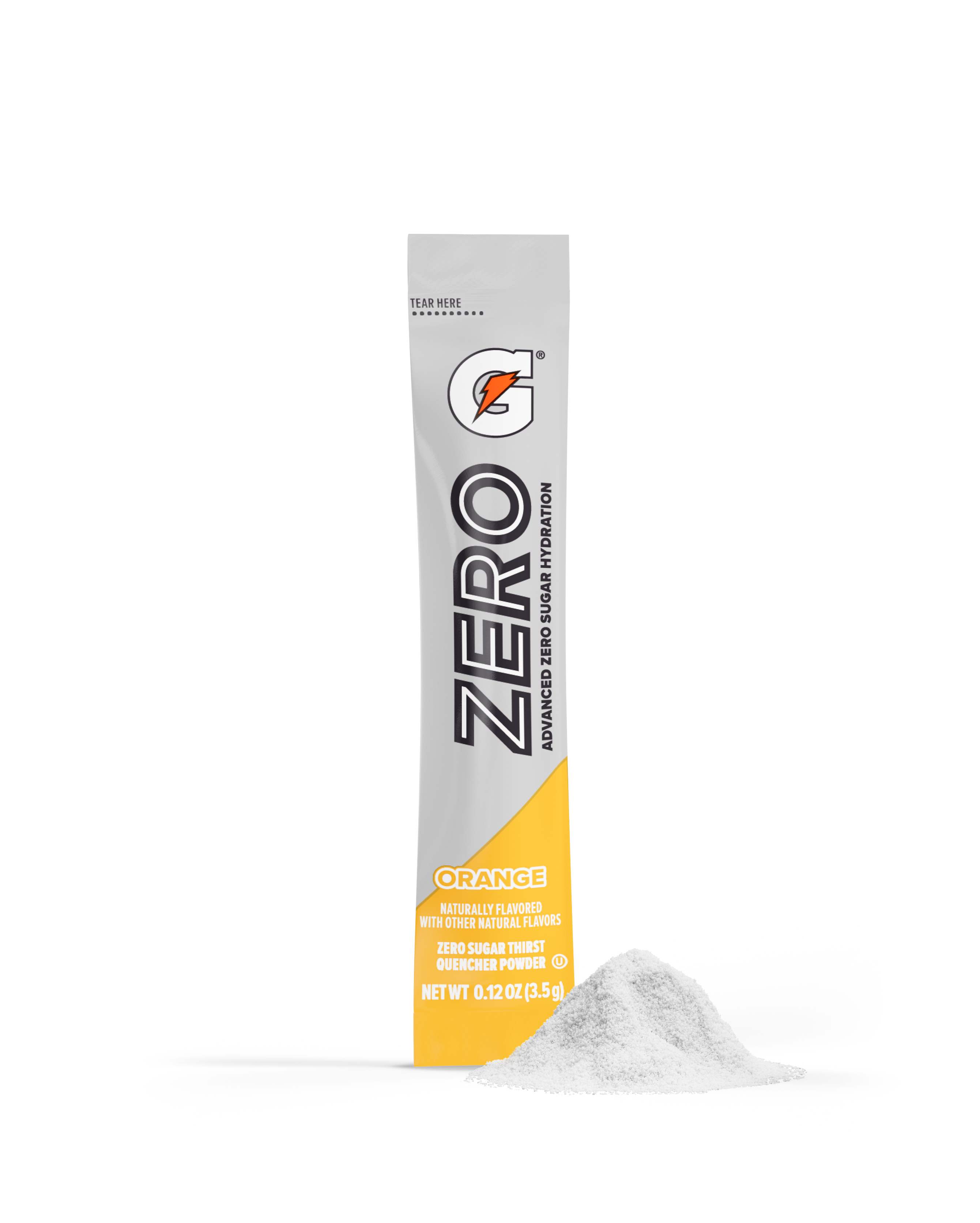
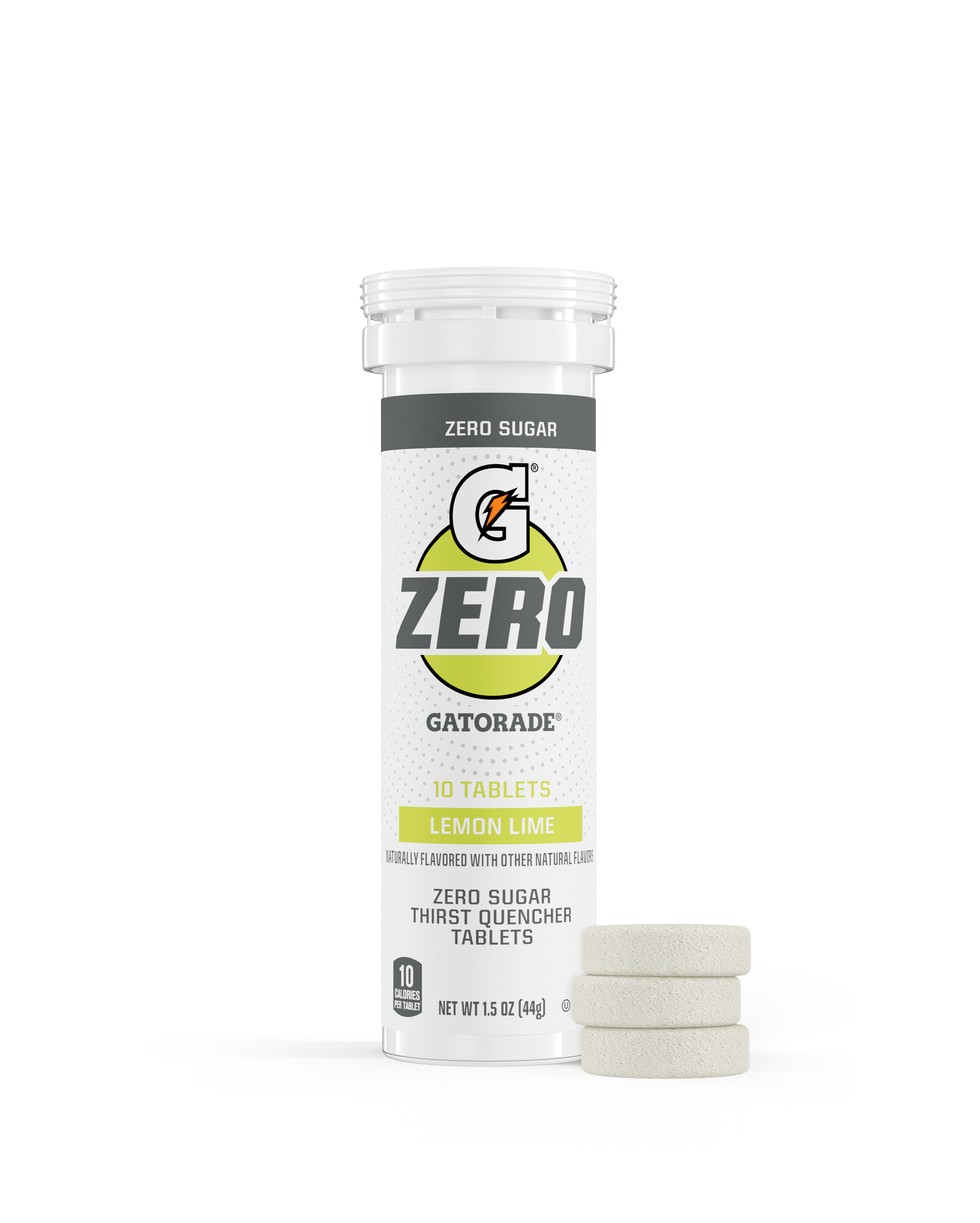
Gatorade Zero can be a good option if you want to avoid the sugar and calories of traditional sports drinks while replenishing electrolytes like sodium and potassium after light exercise, but it offers little nutritional value and contains artificial sweeteners that may not suit everyone's dietary preferences.
When evaluating whether a popular commercial beverage fits into a healthy lifestyle, consumers often face a complex web of marketing claims, ingredient labels, and nutritional trade-offs. Gatorade Zero has achieved widespread popularity since its introduction, marketed primarily to athletes, fitness enthusiasts, and everyday consumers looking to cut back on sugar without sacrificing flavor. However, navigating the modern beverage aisle requires an understanding of what is actually inside the bottle.
To determine whether Gatorade Zero is genuinely good for you, it is necessary to examine its chemical composition, how it compares to the original formulation, the role of artificial sweeteners, and the specific physiological contexts in which sports drinks are either beneficial or unnecessary.
Understanding Gatorade Zero: Ingredients and Formulation
Gatorade Zero is a sugar-free variant of the classic sports drink manufactured by PepsiCo. While the original Gatorade Thirst Quencher relies on sucrose, dextrose, and maltodextrin to provide rapid energy during prolonged athletic exertion, Gatorade Zero replaces these caloric carbohydrates with non-nutritive sweeteners. Understanding this product requires a close look at its ingredient list, which generally features water, citric acid, natural and artificial flavors, salt, sodium citrate, monopotassium phosphate, modified food starch, glycerol ester of rosin, and artificial sweeteners such as sucralose and acesulfame potassium (Ace-K).
The primary physiological purpose of Gatorade Zero is hydration combined with electrolyte replenishment. Electrolytes are minerals—principally sodium and potassium—that carry an electric charge and are essential for maintaining fluid balance, nerve conduction, and muscle contraction. When humans sweat, they lose water and varying amounts of these electrolytes. Gatorade Zero provides a modest dose of sodium and potassium to help offset these losses, matching the electrolyte profile of traditional Gatorade while completely eliminating carbohydrates.
The Role of Artificial Sweeteners
The defining characteristic of Gatorade Zero is the absence of sugar, which is achieved through the use of high-intensity artificial sweeteners. Sucralose, commonly known by the brand name Splenda, is roughly 600 times sweeter than sucrose and passes through the human body largely un metabolized, meaning it contributes zero calories and does not spike blood glucose levels in the same manner as sugar. Acesulfame potassium, often used in tandem with sucralose to mask any lingering aftertastes and provide a more sugar-like sweetness profile, is approximately 200 times sweeter than sugar and is also excreted unchanged by the kidneys.
For individuals managing conditions such as type 2 diabetes, metabolic syndrome, or those simply trying to reduce their overall caloric intake for weight management, substituting sugary beverages with artificially sweetened alternatives can be an effective strategy. Regulatory bodies such as the U.S. Food and Drug Administration (FDA) and the European Food Safety Authority (EFSA) have evaluated sucralose and Ace-K through extensive toxicological testing and established Acceptable Daily Intakes (ADIs) that far exceed what an average consumer would ingest through typical consumption of beverages like Gatorade Zero.
However, consumer perceptions of artificial sweeteners remain mixed. Some individuals experience gastrointestinal sensitivity or headaches from certain sugar substitutes, and ongoing scientific research continues to explore the long-term impacts of non-nutritive sweeteners on the gut microbiome and metabolic health. While current mainstream medical consensus considers these sweeteners safe within established guidelines, those who prefer to avoid ultra-processed food additives may choose to look toward natural hydration alternatives.
Traditional Gatorade vs. Gatorade Zero: A Nutritional Comparison
To truly understand the health implications of Gatorade Zero, it must be contrasted with the original formulation. Traditional Gatorade was engineered in 1965 by researchers at the University of Florida to help the university’s football players—the Gators—combat heat illness and dehydration by replenishing water, carbohydrates, and electrolytes lost during intense athletic training.
The core difference lies in energy density. A standard 20-ounce bottle of original Gatorade contains roughly 140 calories and around 34 to 36 grams of added sugar, primarily in the form of sucrose and dextrose. For an endurance athlete running a marathon or a soccer player competing in a 90-minute match, these fast-acting carbohydrates are a functional performance aid. They fuel working muscles, prevent premature glycogen depletion, and sustain high-intensity output.
Conversely, Gatorade Zero contains zero calories and zero sugar in the same 20-ounce serving. This makes a profound difference for sedentary individuals, office workers, or people engaging in casual physical activity lasting less than an hour. For these populations, the carbohydrates in original Gatorade are unnecessary and contribute to excess caloric intake, which can lead to weight gain and associated metabolic complications over time.
| Metric (per 20 oz serving) | Original Gatorade | Gatorade Zero |
|---|---|---|
| Calories | ~140 | 0 |
| Total Carbohydrates | ~36g | 0g |
| Total Sugars | ~34g | 0g |
| Sodium | ~270mg | ~270mg |
| Potassium | ~80mg | ~80mg |
| Primary Sweeteners | Sucrose, Dextrose | Sucralose, Acesulfame Potassium |
As illustrated in the table above, the electrolyte content—sodium and potassium—remains nearly identical between the two formulations. Therefore, if your primary goal is electrolyte replacement without the metabolic load of sugar, Gatorade Zero delivers the mineral profile of sports drinks without the caloric penalty.
When Is Gatorade Zero Good For You? (Appropriate Use Cases)
Evaluating whether any food or beverage is "good for you" depends almost entirely on context, user demographics, and physiological state. Gatorade Zero is well-suited for specific scenarios where traditional hydration methods or sugary sports drinks fall short.
1. Light to Moderate Exercise
If you are going for a 45-minute jog, hitting the gym for weight training, or attending a yoga class, your body is burning calories, but your glycogen stores are far from depleted. Sweating occurs, but unless you are exercising in extreme heat and humidity, your primary fluid loss is water, supplemented by minor electrolyte loss. Drinking a sugary sports drink during a light workout introduces unnecessary liquid sugars. Gatorade Zero provides a flavorful hydration option that replaces lost sodium without adding unwanted calories.
2. Low-Carb and Ketogenic Diets
Individuals following ketogenic, low-carbohydrate, or diabetic meal plans must strictly monitor their carbohydrate intake to maintain stable blood glucose levels or nutritional ketosis. Traditional sports drinks will immediately disrupt ketosis and cause glycemic spikes. Gatorade Zero allows individuals on these diets to enjoy flavored beverages and maintain electrolyte balance—particularly important during the initial adaptation phase of keto, often referred to as the "keto flu," where rapid sodium excretion occurs.
3. Reducing Added Sugar Intake
Public health organizations consistently recommend limiting the consumption of added sugars to mitigate risks associated with obesity, dental caries, type 2 diabetes, and cardiovascular disease. For individuals transitioning away from soda, sweet tea, or full-sugar sports drinks, Gatorade Zero can serve as a transitional bridge product that satisfies a craving for sweetness and flavor without the heavy sugar load.
When Is Gatorade Zero NOT Ideal? (Limitations and Risks)
Despite its benefits for specific populations, Gatorade Zero is not a universal health tonic and possesses clear limitations that consumers should keep in mind.
1. High-Intensity Endurance Athletics
For endurance athletes engaging in sustained, high-intensity exercise lasting longer than 60 to 90 minutes—such as distance running, cycling, triathlon training, or competitive team sports—Gatorade Zero is generally inadequate as a primary fuel source. During prolonged exertion, the body requires exogenous carbohydrates to maintain blood glucose levels and spare muscle glycogen. Relying solely on Gatorade Zero during a grueling endurance event can lead to bonking, fatigue, and diminished athletic performance due to a lack of available cellular energy.
2. Ultra-Processed Ingredient Profile
Health-conscious consumers who prioritize whole foods and clean labels often avoid beverages containing artificial colors (such as Yellow 5 or Red 40, depending on the flavor), chemical preservatives, and artificial sweeteners. While these additives are approved for consumption by food safety agencies, they offer zero nutritional micronutrients (aside from added sodium and potassium) and represent an ultra-processed product category. Plain water, herbal teas, or mineral water infused with fresh citrus and a pinch of real sea salt often serve as cleaner alternatives for everyday hydration.
3. Gastrointestinal Sensitivity
The artificial sweeteners and chemical additives found in zero-sugar sports drinks can occasionally cause mild gastrointestinal distress, bloating, or laxative effects in sensitive individuals, particularly when consumed in large quantities or on an empty stomach.
Frequently Asked Questions
Can Gatorade Zero replace plain water for daily hydration?
While Gatorade Zero is primarily composed of water and can contribute to your daily fluid intake, it should not entirely replace plain water. Plain water is the gold standard for human hydration because it is free of additives, sodium, and artificial sweeteners. Gatorade Zero contains significant amounts of sodium, which is helpful during exercise or heat exposure but unnecessary—and potentially counterproductive—for sedentary individuals monitoring their daily sodium intake for blood pressure management.
Does Gatorade Zero cause weight gain?
Gatorade Zero contains zero calories, meaning it cannot directly cause weight gain through caloric surplus. However, some observational studies on non-nutritive sweeteners suggest that sweet tastes without accompanying calories may sometimes trigger increased cravings for sweet, high-calorie foods in certain individuals. Overall, replacing a sugary beverage with Gatorade Zero will reduce caloric intake and support weight management goals, provided it does not lead to compensatory overeating elsewhere in the diet.
Is Gatorade Zero safe for people with diabetes?
Yes, because Gatorade Zero contains no sugar or carbohydrates, it does not cause acute blood glucose spikes, making it a safer alternative to regular sports drinks or sodas for individuals with diabetes or insulin resistance. Nevertheless, individuals with diabetes should still monitor their overall diet and consult their healthcare provider or a registered dietitian regarding beverage choices that fit their personalized management plan.
How much sodium is in Gatorade Zero, and should I worry about it?
A standard 20-ounce bottle of Gatorade Zero contains approximately 270 milligrams of sodium, which accounts for roughly 12% of the recommended daily limit for sodium established by health authorities. For healthy adults exercising and sweating, this sodium helps maintain electrolyte balance and prevents hyponatremia. However, individuals with hypertension, chronic kidney disease, or those placed on strict low-sodium diets should factor this sodium content into their daily nutritional totals.
Are there better alternatives to Gatorade Zero for everyday hydration?
For everyday hydration and light physical activity, plain tap or filtered water is the healthiest and most cost-effective choice. If you prefer flavor and electrolytes without artificial sweeteners or synthetic dyes, alternatives include coconut water (though it contains natural sugars and calories), water infused with fresh fruit slices, or sparkling water with a pinch of pink Himalayan salt and a squeeze of fresh lemon or lime juice.
Conclusion and Recommendations
Gatorade Zero is neither a magical health elixir nor a harmful toxin; rather, it is a specialized tool designed for a specific purpose. If you are an active individual looking to cut sugar, manage calories, or replace electrolytes lost during light to moderate workouts or low-carb dieting, Gatorade Zero is a safe and effective beverage choice. However, if you are an endurance athlete requiring sustained carbohydrate energy, or a health-conscious consumer striving to eliminate ultra-processed additives and artificial sweeteners from your diet, prioritizing plain water and whole-food nutrition remains the optimal path forward. Assess your personal activity levels, dietary goals, and physiological needs to decide whether Gatorade Zero belongs in your shopping cart.