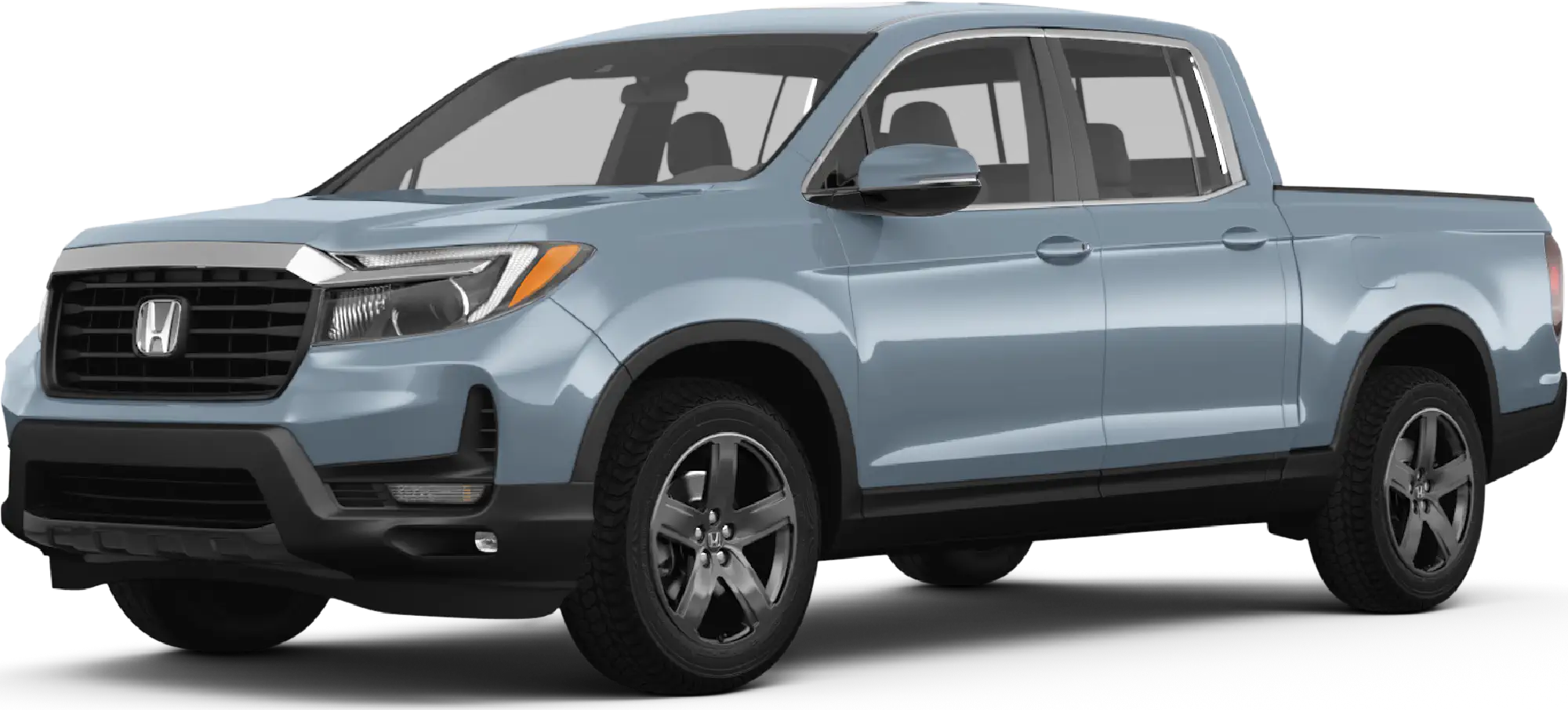
The average cost to insure a 2018 Honda Ridgeline in 2026 is approximately $148 per month, which totals roughly $1,776 per year. These rates vary significantly based on the driver's age—such as the favorable rates often seen for those aged 60—as well as the specific trim level, geographic location, and chosen deductible amounts.
The 2018 Honda Ridgeline occupies a unique space in the automotive market. As a unibody mid-size pickup truck, it offers a blend of SUV-like handling and truck-like utility. From an insurance perspective, this classification often results in more favorable premiums compared to traditional body-on-frame heavy-duty trucks. As we look at the data for 2026, the 2018 model remains a popular choice for those seeking reliability and safety, which directly impacts the actuarial risk and subsequent insurance pricing.
Understanding the Primary Drivers of Insurance Costs for the 2018 Ridgeline
When calculating the premium for an eight-year-old vehicle like the 2018 Honda Ridgeline, insurance carriers look at several specific data points. The 2018 model year was the second year of the Ridgeline's second generation, meaning it benefited from refined safety technology and a proven mechanical platform.
Safety Ratings and Impact on Premiums
Insurance companies prioritize safety performance because it reduces the likelihood of high-cost medical payments and personal injury protection (PIP) claims. The 2018 Honda Ridgeline was highly rated by the Insurance Institute for Highway Safety (IIHS). It notably earned a Top Safety Pick designation when equipped with specific headlights and the Honda Sensing suite of driver-assist technologies.
The IIHS gave the 2018 model "Good" ratings in most crashworthiness categories, including small overlap front and moderate overlap front tests. In 2026, these ratings still hold weight, as the vehicle’s structural integrity remains superior to many older competitors. Furthermore, the National Highway Traffic Safety Administration (NHTSA) awarded it a 5-star overall safety rating. These high marks are a primary reason why the monthly cost can hover around $148, whereas other trucks from the same era might command premiums 15% to 20% higher.
Trim Level Variations
The 2018 Ridgeline was offered in several trims: RT, RTS, Sport, RTL, RTL-T, RTL-E, and the Black Edition. The trim level affects insurance costs in two ways: replacement value and safety features.
- RT and Sport: These base and mid-tier trims generally have lower replacement values, which can lead to slightly lower comprehensive and collision premiums.
- RTL-E and Black Edition: These top-tier trims include advanced features like the Truck Bed Audio System and, more importantly, the full Honda Sensing suite (standard on these trims). While the safety tech lowers the risk of accidents, the high-tech components are more expensive to replace if a collision occurs. In 2026, as sensors and specialized parts for eight-year-old vehicles become more scarce or specialized, the repair cost for a front-end collision on an RTL-E may be higher than on a base RT model.
The Role of Driver Age and the "60" Factor
The figure "60" often appears in insurance queries because age 60 is frequently considered the "sweet spot" for auto insurance. Drivers in this age bracket are statistically among the safest on the road, possessing decades of experience and typically displaying less risky driving behavior than younger cohorts.
For a 60-year-old driver with a clean record, the monthly cost for a 2018 Honda Ridgeline might actually dip below the $148 average, potentially landing closer to $115–$130 per month. Conversely, a driver in their early 20s insuring the same vehicle could see rates exceeding $250 per month. Insurance companies use complex algorithms to predict risk, and the stability associated with older drivers—often including homeownership and long-term residency—translates to lower premiums.
Regional Variations in 2026 Insurance Rates
Geography is one of the most powerful determinants of insurance cost. If you are driving your Ridgeline in a state with high density and high litigation rates, such as Louisiana or Michigan, your costs will be significantly higher than the national average.
| State | Estimated Monthly Premium (2018 Ridgeline) | Factors Influencing Rate |
|---|---|---|
| Ohio | $105 | Low density, competitive insurance market. |
| Texas | $158 | High rates of uninsured drivers and weather-related claims. |
| Florida | $195 | Frequent flood/hurricane claims and high litigation costs. |
| Maine | $92 | Lowest average rates due to low traffic density. |
| California | $172 | High repair labor rates and dense urban traffic. |
Detailed Breakdown of Coverage Types
To understand the $148 average, we must look at what "full coverage" typically entails for a vehicle of this age. In 2026, many owners of 2018 models are evaluating whether to maintain high coverage levels as the vehicle’s market value depreciates.
Liability Insurance
This is the mandatory portion of your policy. It covers bodily injury and property damage to others. Because the Ridgeline is a mid-size truck, it can cause more damage than a compact car but less than a heavy-duty dually. This middle-ground "damage potential" keeps liability costs moderate.
Collision and Comprehensive
These are optional but usually required if you have a loan on the vehicle.
- Collision: Covers damage to your Ridgeline in an accident you cause.
- Comprehensive: Covers non-collision events like theft, fire, or "acts of God" (hail, falling trees).
In 2026, the 2018 Ridgeline's "In-Bed Trunk" and dual-action tailgate are unique features that may require specific OEM parts. If your comprehensive coverage is through a provider that mandates aftermarket parts, ensure they have access to these specialized components, as they are central to the Ridgeline's utility.
Deductibles
Choosing a higher deductible is a standard way to lower the monthly premium. For example, moving from a $500 deductible to a $1,000 deductible can reduce your annual cost by roughly 10% to 15%. For a 2018 model, this is often a wise move if the owner has sufficient savings to cover the higher out-of-pocket cost in the event of a claim.
Why the 2018 Ridgeline’s Unibody Design Matters
Unlike the Toyota Tacoma or Chevrolet Colorado, the Ridgeline uses a unibody construction shared with the Honda Pilot. This design is a "double-edged sword" for insurance.
- Lower Accident Frequency: The unibody design allows for better handling and shorter braking distances. This means Ridgeline drivers are statistically less likely to get into certain types of accidents compared to drivers of more "cumbersome" trucks.
- Higher Repair Severity: If a unibody frame is damaged in a major collision, it can be more difficult and expensive to "pull" or repair compared to a traditional steel ladder frame. If the frame is compromised, insurance companies are more likely to declare the vehicle a total loss. In 2026, as the cash value of 2018 models sits between $18,000 and $24,000 (depending on mileage and condition), the "total loss threshold" is easier to reach than it was when the truck was new.
Strategies to Lower Your 2018 Ridgeline Insurance Cost
Even with a baseline of $148 per month, there are several ways to optimize your policy in 2026.
1. Leverage Telematics
Most major insurers (State Farm, Progressive, GEICO) now offer telematics programs (e.g., Snapshot, Drive Safe & Save). By installing an app or a plug-in device that monitors your braking, acceleration, and mileage, you can earn discounts of up to 30%. For a 2018 Ridgeline owner who drives conservatively, this can significantly undercut the national average.
2. The "Safety Tech" Discount
Ensure your insurer is aware if your Ridgeline is an RTL-E or Black Edition. These models come standard with the Honda Sensing suite. Features like Lane Keeping Assist and Collision Mitigation Braking aren't just for safety; they are premium-reducing assets. Verify that your VIN is correctly decoding in the insurance company's system to reflect these features.
3. Multi-Policy Bundling
Bundling your auto insurance with homeowners or renters insurance remains the most effective way to see an immediate double-digit percentage drop in your premium. In 2026, many carriers are offering "loyalty bundles" that reward long-term policyholders with decreasing deductibles or accident forgiveness.
4. Review Mileage Limits
Since the 2018 Ridgeline is now eight years old, many owners may have transitioned it from a daily commuter to a "weekend warrior" or secondary vehicle. If your annual mileage has dropped below 7,500 miles, you may qualify for a low-mileage discount.
Maintenance and Its Indirect Effect on Insurance
While maintenance doesn't directly change your premium, it affects your vehicle's valuation in the event of a total loss claim. Keeping meticulous records of timing belt replacements (crucial for the 3.5L V6 engine at the 100k-mile mark) and fluid changes ensures that if you ever need to negotiate a settlement with an insurance adjuster, you can prove the vehicle was in "excellent" condition rather than merely "fair." A well-maintained 2018 Ridgeline will have a higher Actual Cash Value (ACV), which justifies the premiums paid for comprehensive and collision coverage.
Comparison: 2018 Honda Ridgeline vs. Competitors (2026 Estimates)
| Vehicle (2018 Model Year) | Avg. Monthly Insurance (2026) | Primary Reason for Difference |
|---|---|---|
| Honda Ridgeline | $148 | High safety scores and car-like handling. |
| Toyota Tacoma | $162 | Higher theft rates and higher resale value (higher ACV). |
| Chevrolet Colorado | $155 | Slightly lower safety ratings in specific categories. |
| Ford F-150 (V6) | $175 | Higher property damage liability potential due to size. |
As shown, the Ridgeline remains one of the most affordable pickups to insure, largely due to its crossover-based DNA which correlates with lower risk profiles in the eyes of insurance actuaries.
Frequently Asked Questions
Is the 2018 Honda Ridgeline expensive to insure compared to an SUV?
No. In many cases, insuring a 2018 Ridgeline is comparable to insuring a mid-size SUV like the Honda Pilot or Toyota Highlander. Because it shares a platform with the Pilot, its risk profile is very similar. It is often cheaper to insure than a full-size SUV like a Chevrolet Tahoe or a Ford Expedition.
Does the AWD version of the 2018 Ridgeline cost more to insure than the FWD?
Yes, typically by a small margin (around $5 to $10 per month). The All-Wheel Drive (AWD) system adds mechanical complexity and weight, which can increase repair costs. However, in snowy climates, some insurers may offer a slight offset because AWD can help prevent certain types of "loss of control" accidents.
At what point should I drop full coverage on my 2018 Ridgeline?
The general rule of thumb is the "10% Rule." If your annual cost for collision and comprehensive coverage exceeds 10% of the vehicle’s total market value, it may be time to switch to liability-only. In 2026, a well-kept 2018 Ridgeline still holds significant value, so most experts recommend maintaining full coverage until the vehicle is 10–12 years old or falls below $10,000 in value.
Does the "In-Bed Trunk" affect my insurance?
Directly, no. However, if items are stolen from the locked in-bed trunk, they are typically covered by your Homeowners or Renters insurance, not your auto insurance. The auto policy covers the truck itself, while the contents are usually personal property.
How does a "60-year-old" driver profile affect the $148 average?
The $148 figure is a broad average. A 60-year-old driver with a clean record and a high credit score is likely to pay significantly less—often between $110 and $125—because they fall into a low-risk demographic with stable driving patterns and mature financial profiles.
Final Recommendation for 2018 Ridgeline Owners
To secure the best rate for your 2018 Honda Ridgeline in 2026, start by obtaining quotes from at least three different carriers: one national "big box" insurer, one regional provider, and one tech-focused insurer. Given the truck’s age, focus on a policy that offers a balance between a manageable deductible and a premium that reflects the vehicle's current market value. If you are near the age of 60 or have a clean driving record, emphasize these factors to unlock specialized discounts. Finally, always verify that your safety features—specifically the Honda Sensing suite—are correctly listed on your policy to ensure you are receiving all applicable safety discounts.