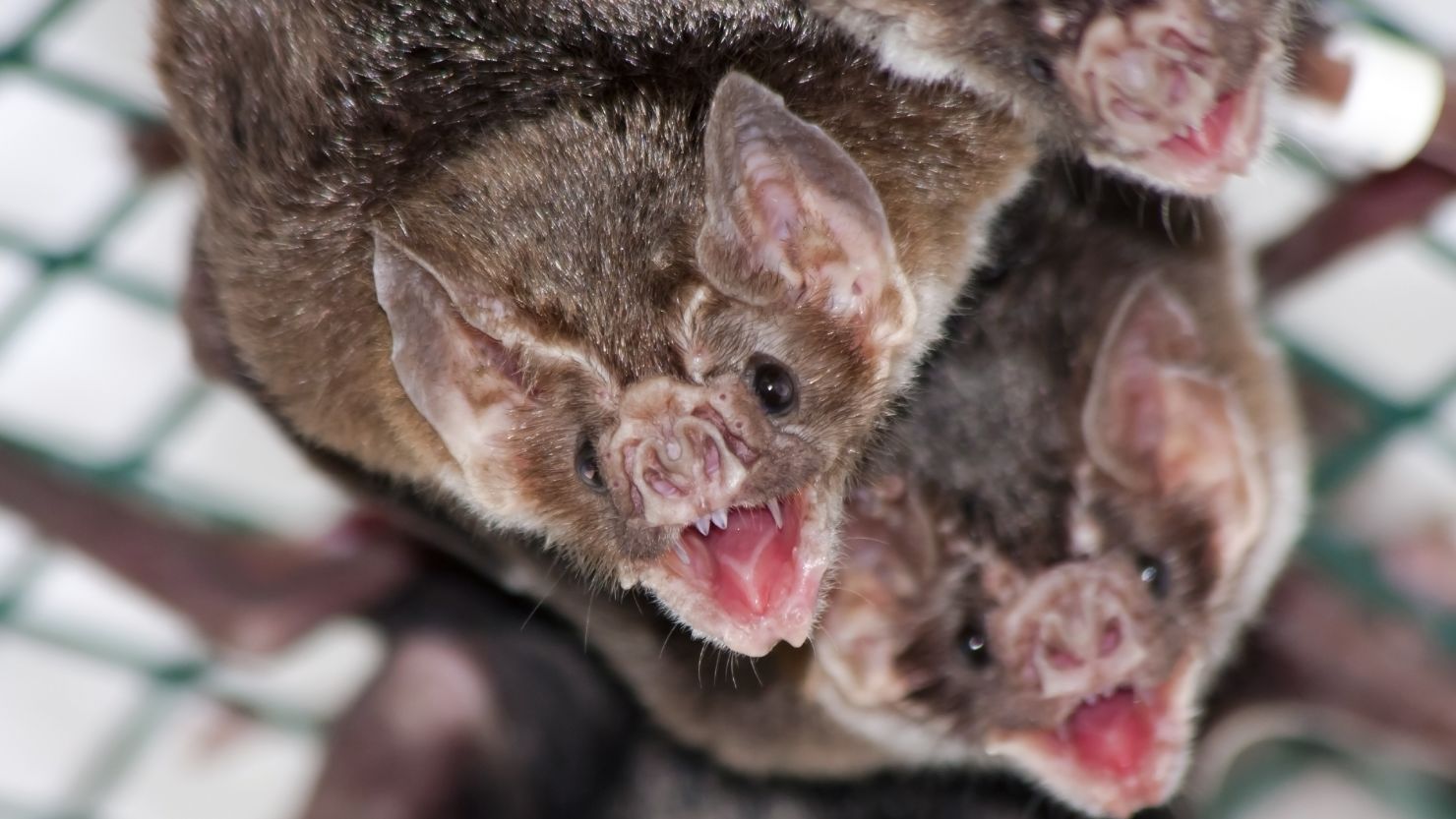
Vampire bats are not endangered. According to the International Union for Conservation of Nature (IUCN) Red List, all three extant species—the common vampire bat, the hairy-legged vampire bat, and the white-winged vampire bat—are classified as species of Least Concern due to their wide distributions, large overall populations, and notable adaptability to human-modified landscapes.
When people ask "are vampire bats endangered," they are often projecting the perilous conservation status of many other bat species onto these uniquely specialized mammals. While hundreds of insectivorous and frugivorous bats face severe threats from habitat destruction, white-nose syndrome, and climate change, vampire bats present a completely different ecological profile. Belonging to the subfamily Desmodontinae, these three unique species found exclusively in the Americas have managed to thrive alongside human expansion, largely because their primary food sources—livestock—have multiplied across Central and South America. Understanding their actual conservation status requires a closer examination of how they live, the specific threats they do face on a localized level, and the complex relationships they share with human communities.
The Three Species of Vampire Bats and Their IUCN Status
To understand why vampire bats are not endangered, one must look at the distinct biology and population trends of the three individual species that make up the vampire bat subfamily. Far from being a single homogenous animal, the Desmodontinae lineage comprises three distinct species, each with specialized behavioral traits, dietary preferences, and geographic ranges.
The common vampire bat (Desmodus rotundus) is by far the most well-known, abundant, and widespread of the three. Its geographic range extends from Mexico through Central America and deep into South America, reaching as far south as Argentina, Uruguay, and central Chile. Desmodus rotundus feeds almost exclusively on the blood of warm-blooded animals, showing a strong preference for domestic livestock such as cattle, horses, and pigs. Because human agriculture has introduced vast herds of cattle across the Neotropics, the common vampire bat has experienced an abundance of reliable food sources, allowing its populations to remain exceptionally robust.
The hairy-legged vampire bat (Diphylla ecaudata) and the white-winged vampire bat (Diaemus youngi) are far more elusive, specialized, and rarer than their common relative. Diphylla ecaudata primarily feeds on the blood of wild birds, though it will occasionally feed on domestic poultry or mammals when birds are scarce. Its distribution stretches from southern Texas down through Central America to South America. Diaemus youngi is similarly bird-specialized, preferring to feed on the blood of domestic chickens and wild avian species, and shares a broadly similar Neotropical distribution.
Despite their lower population densities and more specialized ecological requirements, both the hairy-legged and white-winged vampire bats are classified as Least Concern by the IUCN. Their ranges are broad enough that localized declines do not threaten the species as a whole.
| Species Name | Scientific Name | Primary Food Source | IUCN Red List Status | Primary Geographic Range |
|---|---|---|---|---|
| Common Vampire Bat | Desmodus rotundus | Mammals (Livestock, Wild Mammals) | Least Concern | Mexico, Central America, South America |
| Hairy-Legged Vampire Bat | Diphylla ecaudata | Birds (Poultry, Wild Avian Species) | Least Concern | Southern Texas to South America |
| White-Winged Vampire Bat | Diaemus youngi | Birds (Poultry, Wild Avian Species) | Least Concern | Central America to South America |
Ecological Adaptations and Behavior
Vampire bats possess remarkable physiological and behavioral adaptations that allow them to survive on a diet consisting entirely of blood, a substance known scientifically as hematophagy. Blood is a challenging nutritional resource: it is high in water and protein, but extremely low in carbohydrates and rich in urea and salts. To process this specialized diet, vampire bats have evolved specialized digestive tracts capable of rapidly extracting water and excreting massive volumes of urine within minutes of feeding, preventing the bat from becoming too heavy to fly.
Furthermore, vampire bats are exceptionally adept at terrestrial locomotion. Unlike many other bats that struggle to move once they land, vampire bats can walk, run, and leap with high agility. This capability allows them to approach sleeping livestock or ground-roosting birds silently from below, minimizing the risk of waking their prey. Their upper incisors are razor-sharp and designed to make a painless, shallow incision in the skin of a host, while their saliva contains specialized proteins—such as Draculin and staphylokinase—that prevent blood from clotting while they feed.
Social behavior also plays a vital role in the evolutionary success of vampire bats. They live in complex colonial structures inside hollow trees, caves, abandoned mines, and old buildings. Within these roosts, they engage in reciprocal food sharing. If a vampire bat fails to find a meal on a given night and is at risk of starving—a common hazard given that they can die after just two consecutive nights without food—a roost-mate will regurgitate digested blood to save it. This strong social bonding enhances colony survival and stabilizes their populations against environmental fluctuations.
Human-Wildlife Conflict and Control Measures
While vampire bats as a taxonomic group are biologically secure and not threatened with extinction, their relationship with humans is fraught with conflict. Because Desmodus rotundus feeds heavily on cattle and other livestock, they are vectors for the transmission of the rabies virus to domestic animals and, less frequently, to humans. In rural areas of Latin America, outbreaks of bovine rabies transmitted by vampire bats can cause devastating economic losses for farmers, killing hundreds of thousands of cattle annually.
Consequently, governments and agricultural agencies in Latin America have historically implemented aggressive vampire bat control programs. These measures have included:
- Cull Operations: Locating roosting sites in caves or hollow trees and destroying colonies using smoke, netting, or chemical agents.
- Topical Treatments: Capturing individual bats, applying a specialized anticoagulant paste (such as warfarin) to their fur, and releasing them back into the wild. Because vampire bats groom each other extensively, the poison spreads horizontally through the colony, reducing local populations.
- Livestock Vaccination: Vaccinating cattle against rabies to break the transmission cycle between bats and livestock without necessarily destroying bat habitats.
Despite these localized culls and control efforts, vampire bat populations have proven remarkably resilient. Overzealous eradication campaigns, however, often produce unintended ecological consequences. Indiscriminate culling of roosts frequently kills non-target bat species that share the same caves—such as insectivorous and nectar-feeding bats—which provide vital ecosystem services like pest control and pollination.
Why Other Bat Species Are Endangered
The robust conservation status of vampire bats contrasts sharply with the perilous situation facing numerous other bat families worldwide. More than a quarter of all mammal species in certain regions are bats, and a significant portion of them face a high risk of extinction due to distinct anthropogenic pressures.
The primary threats driving other bat species toward extinction include:
- Habitat Loss: Deforestation, agricultural expansion, and urban development destroy the old-growth forests, caves, and roosting sites required by sensitive species.
- White-Nose Syndrome: A devastating fungal disease (Pseudogymnoascus destructans) that has killed millions of hibernating bats in North America, decimating cave-dwelling insectivores.
- Climate Change: Altered weather patterns, severe droughts, and extreme heatwaves can cause mass mortality events among flying foxes and other heat-sensitive fruit bats.
- Direct Persecution: Misinformation regarding bats as disease vectors leads to the intentional destruction of roosts and culling of harmless colonies.
Vampire bats largely bypass these specific vulnerabilities. Their dietary reliance on domestic livestock means that agricultural expansion has actually expanded their ecological niche, providing a limitless, stable food supply compared to forest-dwelling bats that depend on native insects or wild fruiting trees.
Frequently Asked Questions
Are vampire bats protected by law?
Vampire bats do not receive conservation protection because their populations are stable and widespread. In many regions where they overlap with livestock agriculture, they are legally classified as pest species or disease vectors, and local agricultural authorities actively permit or execute population control measures.
Do vampire bats attack humans?
While vampire bats primarily feed on livestock and wild animals, they will occasionally bite humans if sleeping outdoors or unprotected in rural areas where natural prey is scarce. Such bites are rare, but they do pose a risk of rabies transmission, making post-exposure prophylaxis essential if a bite occurs.
Where do vampire bats live?
Vampire bats are native exclusively to the Neotropical regions of the Americas, spanning from northern Mexico through Central America and across large portions of South America. They roost in dark, sheltered environments such as caves, hollow trees, old mines, and abandoned human structures.
Do vampire bats drink human blood?
Human blood is not a preferred food source for vampire bats. They strongly prefer domestic livestock, such as cattle and horses, as well as wild mammals and birds. When vampire bats do bite humans, it is usually opportunistic when standard hosts are unavailable.
Are all bats in Central and South America vampire bats?
No. Of the hundreds of bat species inhabiting Central and South America, only three are vampire bats. The vast majority of Neotropical bats are insectivores, frugivores, nectarivores, or carnivores that play essential roles in pest control, seed dispersal, and plant pollination.
Practical Recommendations for Travelers and Researchers
For individuals traveling, working, or conducting biological research in rural areas of Latin America where vampire bats are present, practical safety measures can effectively eliminate health risks:
- Use Bed Nets: Sleep under fine-mesh insecticide-treated bed nets, especially when staying in rural, open-air, or rustic structures without secure window screens.
- Avoid Handling Bats: Never handle wild bats with bare hands. Any bat that appears sluggish, is found on the ground during daylight, or fails to fly away when approached may be rabid.
- Seek Immediate Care for Bites: If you suspect you have been bitten by a bat while sleeping or traveling, wash the wound thoroughly with soap and water and seek immediate medical evaluation for potential rabies post-exposure treatment.
Vampire bats represent an extraordinary chapter of mammalian evolution, combining specialized physiology with complex social structures. While their interaction with livestock requires careful agricultural management, their thriving populations ensure they will remain a secure and fascinating fixture of the Neotropical ecosystem for the foreseeable future.