Yes, somatic cells are definitively body cells. They represent any cell in a multicellular organism that is not a reproductive cell (gamete) or a germ cell. In humans, somatic cells make up the skin, muscles, internal organs, and bones, containing a full set of 46 chromosomes organized into 23 pairs.
Defining Somatic Cells and Their Relationship to Body Cells
The term "somatic" is derived from the Greek word soma, meaning "body." Therefore, somatic cells are literally translated as "body cells." In the context of biology and human anatomy, this category encompasses the vast majority of the trillions of cells that constitute a living organism. From the neurons firing in your brain to the epithelial cells protecting your internal organs, somatic cells are the functional and structural units that maintain life and allow for growth, repair, and daily biological processes.
In 2026, the scientific consensus continues to categorize cells into two primary lineages: somatic cells and germline cells. While germline cells are dedicated to the continuation of the species through reproduction, somatic cells are dedicated to the survival and maintenance of the individual. They are specialized through a process called differentiation, which allows a single zygote to eventually become a complex organism with hundreds of distinct cell types, all carrying the same genetic blueprint but performing vastly different tasks.
Somatic Cells vs. Germ Cells: The Fundamental Distinction
To understand why somatic cells are referred to distinguishably as "body cells," one must look at what they are not. The primary contrast lies between somatic cells and germ cells (gametes). This distinction, often referred to as the Weismann Barrier, is critical for understanding genetics, inheritance, and evolution.
Chromosome Count and Ploidy
The most significant technical difference is the number of chromosomes. Somatic cells are diploid (2n), meaning they contain two complete sets of chromosomes—one from each parent. In humans, this total is 46. Germ cells (sperm and eggs), however, are haploid (n), containing only one set of 23 chromosomes. When two haploid germ cells fuse during fertilization, they create a new diploid somatic cell (the zygote) that begins the lifecycle of a new individual.
Method of Division
Somatic cells and germ cells replicate using different processes:
- Mitosis: Somatic cells divide via mitosis. This process results in two daughter cells that are genetically identical to the parent cell. This is how your body heals a wound or grows taller; new cells are exact copies of the ones they replace.
- Meiosis: Germ cells are produced through meiosis. This specialized division reduces the chromosome number by half and introduces genetic variation through a process called "crossing over."
Heredity and Inheritance
Because somatic cells do not contribute genetic material to the next generation, any mutations or changes that occur in a somatic cell—such as DNA damage from UV radiation or aging—are not passed down to offspring. Only mutations in the germline (sperm or egg) can be inherited by future generations.
The Biological Characteristics of Somatic Cells
While the variety of somatic cells is immense, they share several core characteristics that define them as the functional units of the body.
Genetic Consistency
Every somatic cell in your body (with very few exceptions, like mature red blood cells that lose their nuclei) contains the exact same DNA. Whether it is a liver cell or a skin cell, the genetic code is identical. The difference in their function arises from gene expression—the process by which certain genes are "turned on" while others are "turned off" based on the cell's specialized role.
The Lifecycle and the Hayflick Limit
Somatic cells are not immortal. They undergo a lifecycle of growth, function, and eventually, programmed cell death (apoptosis). A crucial concept in somatic cell biology is the Hayflick Limit, which suggests that a normal human somatic cell can only divide a certain number of times (usually between 40 and 60 times) before it becomes senescent and stops dividing. This is largely regulated by the shortening of telomeres—protective caps on the ends of chromosomes—at each division.
Energy Production and Metabolism
Somatic cells are metabolic powerhouses. Depending on their location, they may be optimized for different types of energy consumption. Muscle cells are packed with mitochondria to fuel physical movement, while hepatocytes (liver cells) are optimized for synthesizing proteins and detoxifying chemicals.
Major Types of Somatic Cells in the Human Body
To fully grasp the scope of "body cells," it is helpful to examine the diverse categories of somatic cells that perform the heavy lifting of human physiology.
Epithelial Cells
These cells form the linings of both the internal and external surfaces of the body. Your skin is composed of epithelial cells, as are the linings of your lungs, gut, and blood vessels. Their primary functions include protection, secretion, and absorption.
Myocytes (Muscle Cells)
Muscle cells are specialized for contraction. There are three types of somatic muscle cells:
- Skeletal Muscle: Responsible for voluntary movement.
- Smooth Muscle: Controls involuntary movements in the digestive tract and blood vessels.
- Cardiac Muscle: Specifically designed to keep the heart beating rhythmically without fatigue.
Neurons (Nerve Cells)
Neurons are the communication cells of the body. They transmit electrical and chemical signals between the brain, spinal cord, and the rest of the organism. Unlike many other somatic cells, mature neurons have a very limited capacity for regeneration.
Osteocytes (Bone Cells)
Bones are not static structures; they are living tissues composed of somatic cells called osteocytes, osteoblasts, and osteoclasts. These cells constantly work to remodel the skeleton, repair fractures, and regulate calcium levels in the blood.
Blood Cells
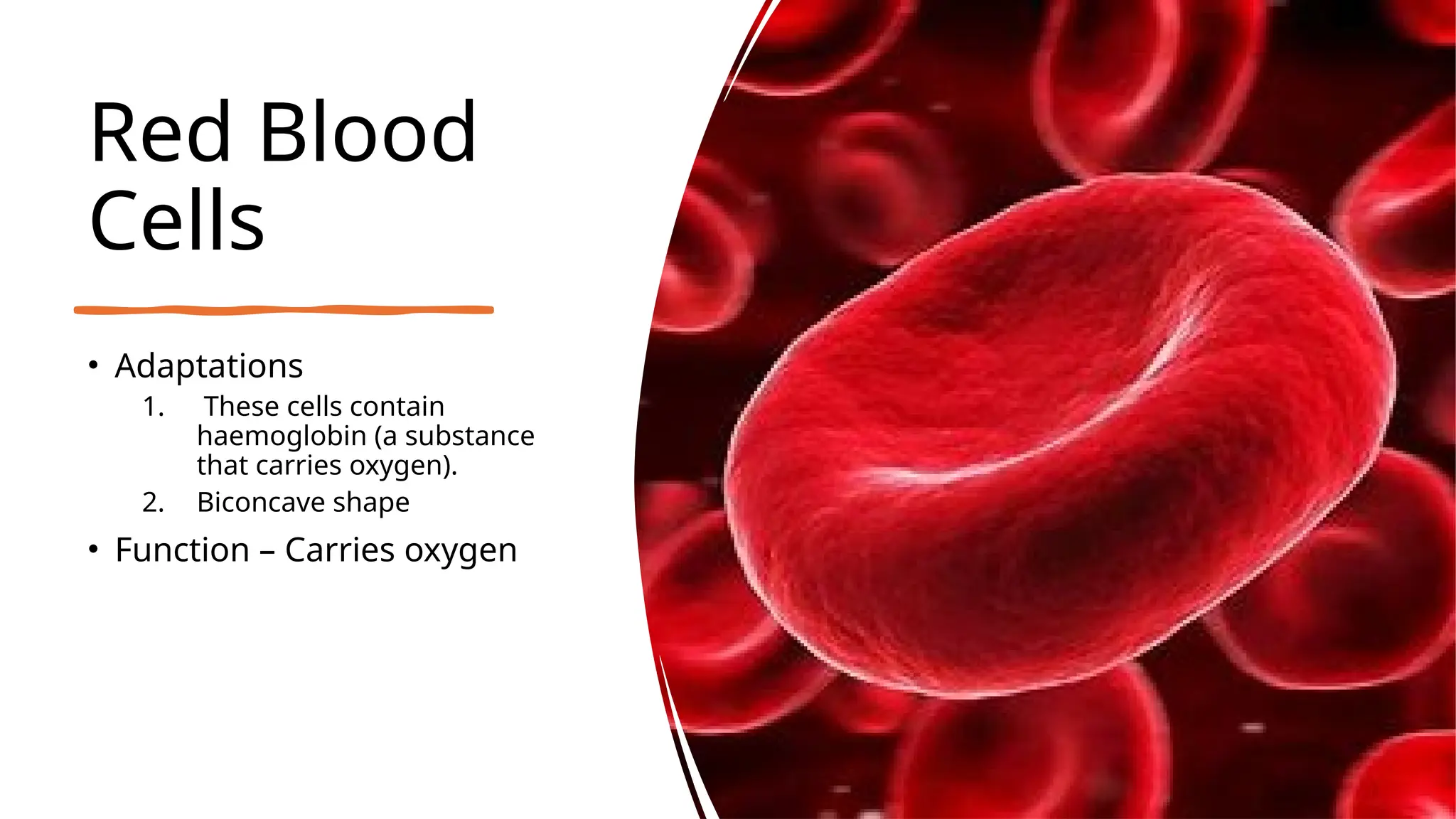
While often thought of separately, blood cells are somatic cells. Red blood cells (erythrocytes) transport oxygen, while white blood cells (leukocytes) form the backbone of the immune system. Interestingly, mature red blood cells in mammals lack a nucleus and organelles to make more room for hemoglobin, yet they are still classified as somatic cells because they are part of the "body" rather than the "reproductive" line.
Genetics and Somatic Mutations
Understanding somatic cells is vital for modern medicine, particularly in the study of cancer and aging. Because somatic cells divide frequently throughout a person's life, there are numerous opportunities for errors to occur during DNA replication.
Somatic Mutations
A somatic mutation is a genetic alteration that occurs in any cell of the body after conception. These mutations can be caused by environmental factors like tobacco smoke, radiation, or simply random errors in the cell cycle. Because these mutations are confined to somatic cells, they cannot be passed to the individual’s children. However, they can lead to significant health issues for the individual.
The Development of Cancer
Cancer is essentially a disease of somatic cells. When a mutation affects the genes that regulate the cell cycle—specifically proto-oncogenes or tumor suppressor genes—a somatic cell may begin to divide uncontrollably. This creates a population of abnormal cells that can eventually form a tumor. In 2026, many targeted cancer therapies work by identifying the specific somatic mutations within a patient's tumor and using precision medicine to deactivate those specific pathways. National Cancer Institute provides extensive resources on how somatic mutations contribute to oncology.
Somatic Cells in Modern Medicine and Technology
As of 2026, somatic cells are at the forefront of regenerative medicine and biotechnology. The ability to manipulate these cells has opened doors that were previously considered science fiction.
Somatic Cell Nuclear Transfer (SCNT)
SCNT is a laboratory technique for creating an ovum with a donor nucleus. It is the process used in cloning. By taking the nucleus of a somatic cell and inserting it into an enucleated egg cell, scientists can create an embryo that is genetically identical to the somatic cell donor. This has massive implications for stem cell research and "therapeutic cloning," where tissues can be grown for transplant without the risk of rejection.
Induced Pluripotent Stem Cells (iPSCs)
Perhaps the most revolutionary advancement is the ability to "reprogram" somatic cells. Scientists can take a simple skin cell (a somatic cell) and, by introducing specific transcription factors, turn it back into a pluripotent stem cell. These iPSCs can then be coaxed into becoming any other type of body cell—heart cells, neurons, or liver cells. This avoids the ethical concerns associated with embryonic stem cells and allows for personalized regenerative medicine.
CRISPR and Somatic Gene Editing
In 2026, CRISPR-Cas9 and newer base-editing technologies are increasingly used for somatic gene therapy. Unlike germline editing, which is highly regulated and controversial due to its heritable nature, somatic gene editing targets specific "body cells" to cure diseases. For example, editing the somatic cells in a patient's bone marrow can cure sickle cell anemia without affecting the patient's future children. The National Institutes of Health (NIH) tracks the clinical trials and safety of these somatic interventions.
Comparison Table: Somatic Cells vs. Germ Cells
The following table summarizes the key distinctions between the "body cells" and the "reproductive cells" of the human organism.
| Feature | Somatic Cells (Body Cells) | Germ Cells (Gametes/Reproductive) |
|---|---|---|
| Ploidy Level | Diploid (2n) | Haploid (n) |
| Chromosome Count | 46 (in humans) | 23 (in humans) |
| Method of Division | Mitosis | Meiosis |
| Purpose | Growth, repair, and function | Reproduction |
| Inheritance | Mutations are NOT passed to offspring | Mutations ARE passed to offspring |
| Examples | Skin, blood, bone, nerve, muscle | Sperm and Egg (Ova) |
| Location | Distributed throughout the entire body | Found in the gonads (testes/ovaries) |
| Differentiation | High (specialized for specific tasks) | Low (designed for fusion and totipotency) |
Frequently Asked Questions
Do somatic cells have 46 chromosomes?
Yes, in humans, a healthy somatic cell contains 46 chromosomes. These are organized into 23 pairs. One set of 23 comes from the mother and the other set of 23 comes from the father. This diploid state is essential for the cell to have all the genetic instructions necessary to function and replicate correctly.
Is a zygote a somatic cell?
The zygote is a unique case. It is technically the first somatic cell of a new organism because it is diploid and will give rise to all the body's somatic cells through mitosis. However, it is often discussed as a separate entity—a totipotent cell—because it also has the capacity to produce the germline. Once the embryo begins to differentiate, the distinction between somatic and germ lineages becomes clearer.
Can a somatic cell become a germ cell?
Under natural conditions in the human body, a somatic cell cannot revert to being a germ cell. Once a cell is differentiated as a "body cell," its lineage is set. However, in biotechnology, scientists have developed methods to reprogram somatic cells into induced pluripotent stem cells (iPSCs), which can then theoretically be directed to become germ-like cells in a lab setting, though this remains a highly complex and regulated area of research.
Why are somatic mutations not inherited?
Inheritance occurs through the fusion of gametes (sperm and egg). Since somatic cells (like those in your heart or skin) do not participate in the formation of a zygote, any changes to their DNA remain "trapped" within those specific tissues. Only the DNA within the germline cells in the ovaries or testes is passed to the next generation.
Are all body cells somatic?
Essentially, yes. The terms are often used interchangeably in introductory biology. Any cell that contributes to the structure, function, and maintenance of the body's tissues—excluding those specifically meant for sexual reproduction—is a somatic cell.
Summary and Next Actions
Somatic cells are indeed the "body cells" that define our physical existence. They are diploid, they divide via mitosis, and they form every tissue from our toes to our brain. Understanding the distinction between these cells and germ cells is fundamental to grasping how we grow, why we age, and how certain diseases like cancer develop.
If you are a student or a healthcare professional looking to deepen your understanding of somatic cell biology, consider the following next steps:
- Explore Cell Differentiation: Research how stem cells eventually become specialized somatic cells through the process of gene expression.
- Study the Cell Cycle: Gain a deeper understanding of mitosis to see how somatic cells maintain genetic integrity during division.
- Investigate Regenerative Medicine: Look into the latest 2026 updates on iPSC (Induced Pluripotent Stem Cells) to see how somatic cells are being used to grow new tissues and organs.
- Review Genetic Disorders: Differentiate between hereditary disorders (germline) and acquired disorders (somatic) to better understand disease pathology.