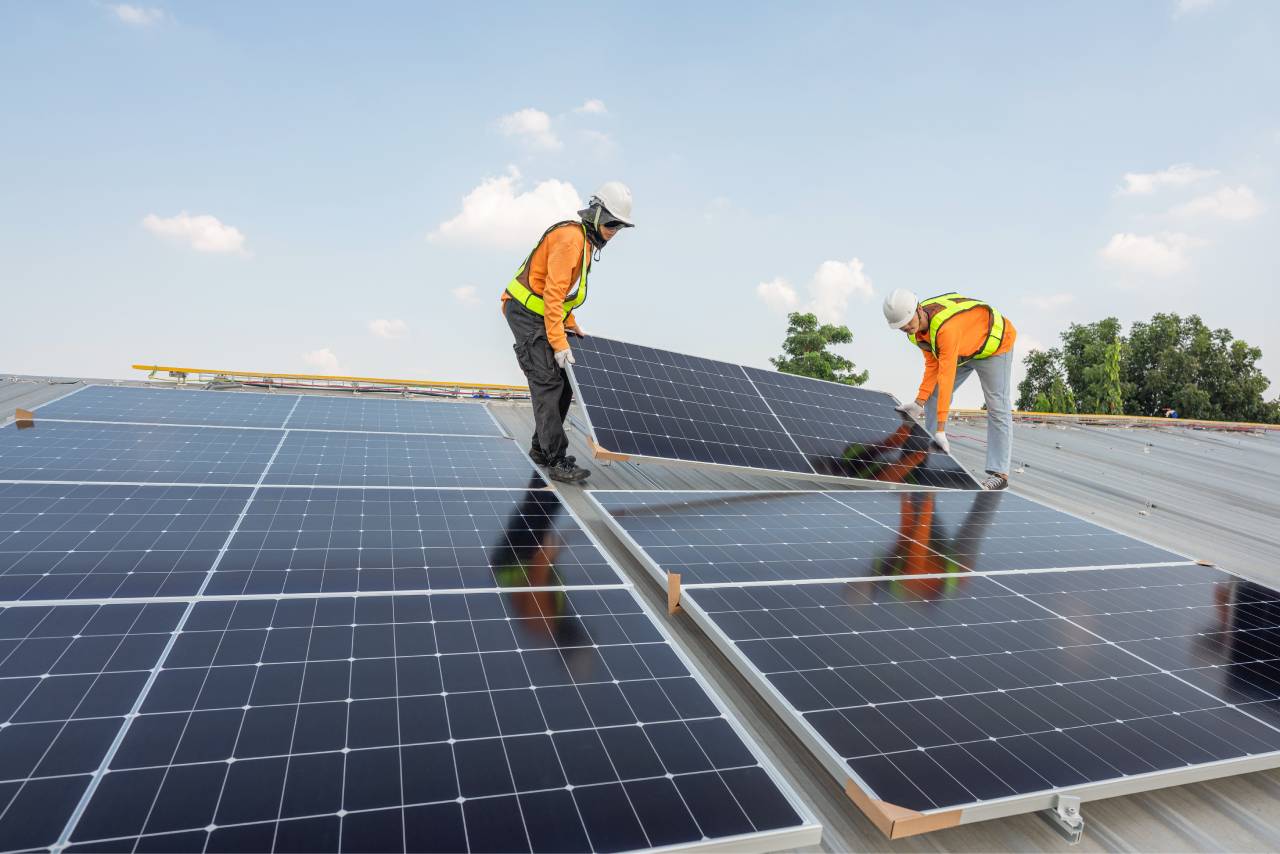
A solar engineer can install residential solar panels, provided they possess the necessary state-level electrical licenses or work under a licensed contractor. While engineers primarily focus on system design, structural analysis, and electrical schematics, many field-trained solar engineers maintain the certifications required to perform physical installations, ensuring that the system operates at peak efficiency and meets all local safety codes.
The transition toward renewable energy has evolved significantly by 2026, making the role of the solar engineer more critical than ever. As residential systems integrate complex components like bi-directional EV charging, whole-home battery backups, and AI-driven energy management, the line between "designer" and "installer" has blurred. Understanding whether a solar engineer is the right person to lead your home installation requires a deep look at their qualifications, the technical demands of modern PV (photovoltaic) systems, and the legal framework governing residential construction.
The Distinct Role of a Solar Engineer in 2026
To understand if a solar engineer can install panels, one must first define what a solar engineer actually does in the current 2026 landscape. Unlike a general laborer or a standard roofing contractor, a solar engineer typically holds a degree in electrical, mechanical, or civil engineering. Their expertise is rooted in the physics of energy conversion and the structural requirements of mounting hardware.
In 2026, solar engineers often specialize in one of three areas:
- PV Design Engineers: These professionals focus on the "soft" side of the project. They use advanced LIDAR data and 3D modeling to determine exactly where panels should go to avoid shading and maximize irradiance.
- Structural Engineers: They assess the integrity of the residential roof. With the increased weight of high-efficiency, multi-junction panels popular in 2026, ensuring the rafters can handle the dead load and wind uplift is a specialized engineering task.
- Field or Systems Engineers: These are the individuals most likely to be hands-on. They bridge the gap between the blueprint and the rooftop, often leading a crew or performing the most technical aspects of the electrical tie-in themselves.
While a solar engineer has the theoretical knowledge to install a system, the act of "installing" involves physical labor, working at heights, and precision wiring. Many engineers choose to focus on the design phase, but those who operate in the "Design-Build" sector are fully capable of executing the physical installation from start to finish.
Licensing and Certification Requirements for Installation
Possessing an engineering degree does not automatically grant the legal right to install solar panels on a residential property. In most jurisdictions, the authority to perform electrical work is governed by state licensing boards. For a solar engineer to legally install residential solar panels, they must typically meet one or more of the following criteria:
Electrical Contractor License
Most states require a C-10 (Electrical Contractor) license or its equivalent to perform any work that involves connecting a system to the main electrical grid. Even if an engineer has a PhD in Photovoltaics, they cannot legally wire an inverter to a home’s service panel without this license or working under someone who holds it.
NABCEP Certification
The North American Board of Certified Energy Practitioners (NABCEP) remains the gold standard for solar professionals in 2026. A solar engineer who holds a NABCEP PV Installation Professional (PVIP) certification has demonstrated a high level of competency in the physical installation process. This certification is often a prerequisite for leading installation crews on complex residential projects.
Professional Engineer (PE) License
In many states, a "stamped" drawing from a Professional Engineer is required to obtain a building permit. While the PE license focuses on the legality and safety of the design, it also indicates a level of professional accountability. A PE who installs a system is putting their license on the line, which often results in a higher quality of work compared to uncertified installers.
The Technical Advantage: Why an Engineer-Led Installation Matters
When a solar engineer performs or directly supervises an installation, the homeowner benefits from a level of precision that goes beyond standard practices. In 2026, residential solar is no longer a "one-size-fits-all" product.
Advanced String Sizing and Voltage Management
Engineers are trained to calculate voltage drop over long wire runs and ensure that string sizing (the number of panels connected in a series) is optimized for the specific micro-inverter or string inverter being used. Improper stringing can lead to "clipping," where the inverter cannot handle the peak power produced by the panels, leading to wasted energy.
Structural Integrity and Wind Loading
A common mistake in DIY or low-cost installations is failing to account for local wind zones. Solar engineers use ASCE 7-22 (Minimum Design Loads for Buildings and Other Structures) standards to determine the exact spacing of roof attachments. This prevents "roof creep" or structural failure during extreme weather events, which have become more frequent and severe in recent years.
Integration with Modern Home Ecosystems
By 2026, most residential solar installations include a battery storage component (such as lithium-iron-phosphate or solid-state batteries). A solar engineer understands the complex communication protocols (like Modbus or CAN bus) required for these batteries to "talk" to the solar inverter and the home's smart panel. This ensures that features like "islanding"—which allows a home to stay powered during a grid outage—function correctly and safely.
Comparing Solar Professionals
The choice between a general solar installer, a licensed electrician, and a solar engineer depends on the complexity of your project. The following table highlights the differences in 2026.
| Feature | General Solar Installer | Licensed Electrician | Solar Engineer |
|---|---|---|---|
| Primary Focus | Physical mounting and wiring | General electrical code | System design and optimization |
| Permit Authority | Requires a license holder | Can pull electrical permits | Can provide PE-stamped plans |
| Structural Knowledge | Basic / Rule of thumb | Minimal | Advanced / Theoretical |
| Battery/EV Integration | Standard setups | High competency | Expert-level system architecture |
| Best For... | Simple, grid-tied roofs | Panel upgrades and wiring | Complex, off-grid, or high-tech homes |
| Average Cost | Lower (Labor-focused) | Moderate | Higher (Expertise-focused) |
The 2026 Installation Process: Step-by-Step
When a solar engineer is involved in the installation, the process follows a rigorous technical workflow. This ensures that the system doesn't just work on day one, but continues to perform for the 25-to-30-year lifespan of the hardware.
- Site Analysis and Feasibility: The engineer uses drone-based photogrammetry to create a digital twin of the home. This identifies obstructions and calculates the exact tilt and azimuth for the panels.
- Structural Verification: In 2026, many homes are being retrofitted with "solar shingles" or bifacial panels. The engineer calculates the load-bearing capacity of the existing roof trusses.
- Permitting and Documentation: The engineer prepares the electrical single-line diagrams (SLD) and site plans required by the local Authority Having Jurisdiction (AHJ).
- Physical Racking Installation: The engineer ensures that the flashing and mounts are integrated into the roof's "waterproofing plane" correctly, preventing future leaks.
- Electrical Commissioning: This is where the engineer's skills shine. They perform insulation resistance testing (megger testing) to ensure there are no faults in the wiring before the system is energized.
- Grid Interconnection: The engineer coordinates with the utility company to ensure the system complies with IEEE 1547 standards for interconnecting distributed energy resources.
Common Challenges and How Engineers Solve Them
Even with the advancements of 2026, residential solar installations face hurdles. A solar engineer is uniquely equipped to troubleshoot these issues:
- Rapid Shutdown Requirements: Per the National Electrical Code (NEC), solar systems must have a way to quickly de-energize the roof for firefighter safety. Engineers design these systems using PLC (Power Line Communication) to ensure 100% reliability.
- Harmonic Distortion: In large residential systems, the switching frequency of multiple inverters can cause electrical "noise" or harmonics. An engineer can specify filters or specific inverter configurations to keep the home's power clean.
- Thermal Management: Batteries and inverters generate heat. An engineer designs the installation space with proper airflow and thermal barriers to prevent hardware degradation.
Cost Considerations for Engineering-Grade Installations
While hiring a solar engineer to lead an installation might carry a higher upfront cost (typically 10-15% more than a standard installer), the long-term Return on Investment (ROI) is often higher. Systems designed and installed by engineers typically see:
- Higher Yields: Optimized stringing and shading analysis can result in 5-8% more energy production annually.
- Lower Maintenance: Proper structural and electrical installation reduces the likelihood of component failure or roof leaks.
- Increased Property Value: In 2026, home buyers are increasingly savvy about renewable energy. A system with professional engineering documentation and "stamped" plans is a verified asset during a home sale.
For more information on the standards governing these installations, you can visit the National Renewable Energy Laboratory (NREL) or the Office of Energy Efficiency & Renewable Energy.
Frequently Asked Questions
Does a solar engineer need a special license to work on my roof?
Yes. Beyond their engineering degree, they generally need a contractor's license (like a C-10 in California) and must follow OSHA safety guidelines for fall protection. Many engineers also hold NABCEP certification, which validates their field skills.
Is it worth paying more for a solar engineer vs. a regular installer?
It depends on the complexity. If you are installing a standard grid-tied system on a simple roof, a reputable installer is usually sufficient. However, for systems involving IEEE-compliant microgrids, heavy battery storage, or non-standard roofing materials, the engineering oversight is a vital safeguard.
Can an engineer sign off on their own installation?
If the engineer is a licensed Professional Engineer (PE) and holds the required electrical contractor license, they can both design and sign off on the installation. However, the local building department will still perform a final inspection to verify that the work meets the National Electrical Code (NEC).
What is the role of an engineer in "DIY" solar?
Many homeowners use solar engineers for "Plan Sets Only." The engineer designs the system and provides the stamped drawings, while the homeowner performs the physical labor. This ensures the design is safe even if the labor is DIY.
How has the solar engineer's role changed by 2026?
By 2026, solar engineers have moved away from simple "panel layouts" to becoming "Energy Systems Architects." They now manage the integration of smart appliances, bi-directional EV charging (V2H), and participation in virtual power plants (VPPs).
Final Recommendation
If you are planning a residential solar project in 2026, your first step should be to determine the complexity of your needs. For standard installations, look for a contractor that employs at least one NABCEP-certified professional. However, if your project involves structural modifications, advanced battery backup, or a complex grid-tie-in, hiring a solar engineer to at least oversee the design and commissioning is the best way to protect your investment. Always verify that whoever is performing the physical installation holds the appropriate state-mandated electrical licenses to ensure your warranty and insurance remain valid.