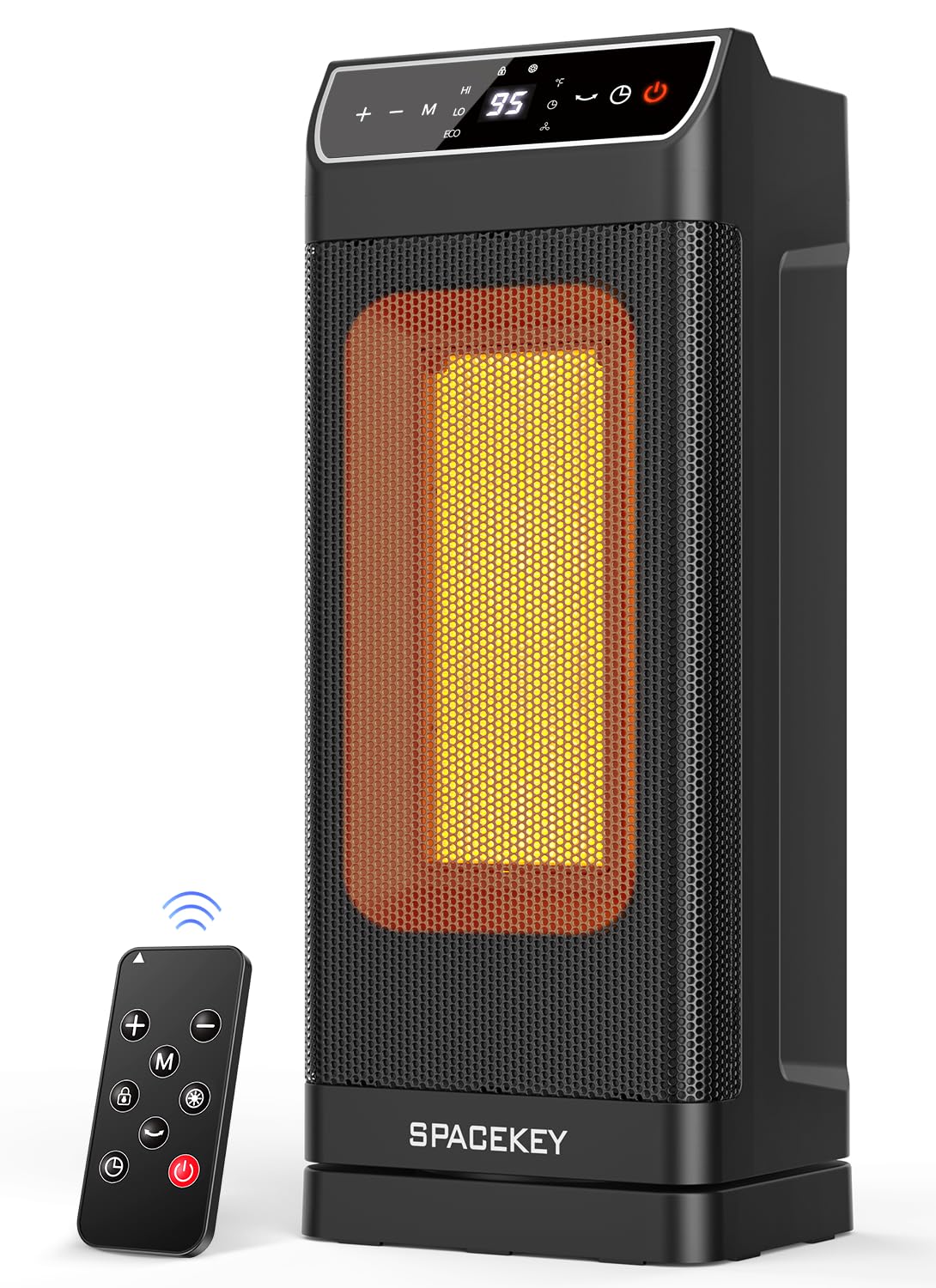
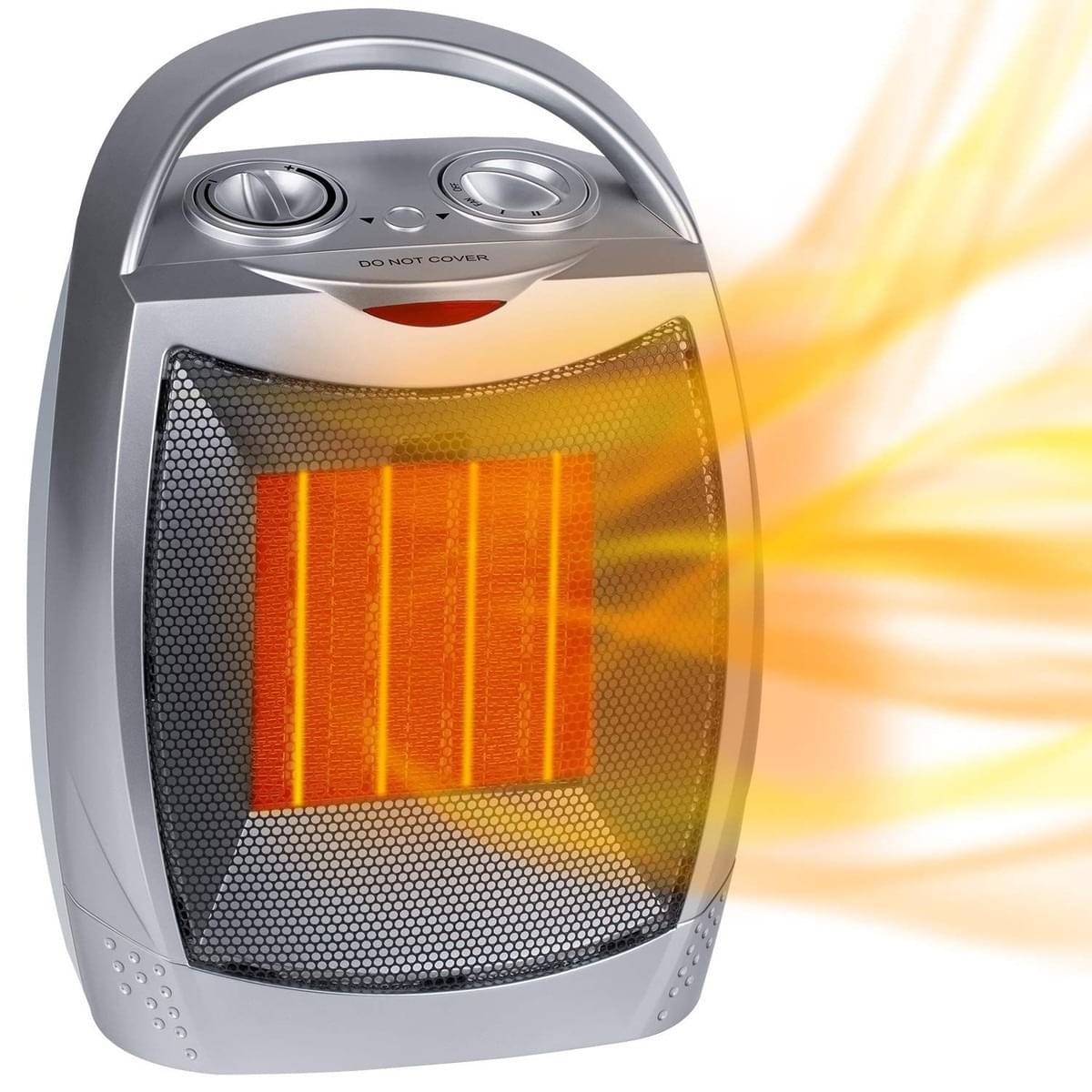
Choosing the right space heater in 2026 requires balancing raw BTU output with advanced safety certifications. To achieve optimal performance safely, prioritize models with internal tip-over switches, automatic overheat protection, and UL or ETL certification. For large rooms, oil-filled radiant heaters offer the best efficiency, while ceramic fan-forced heaters excel at rapid, localized warming.
The Evolution of Space Heater Safety Standards in 2026
Safety remains the paramount concern for portable heating solutions. As of 2026, the industry has largely moved toward "active" safety systems rather than the "passive" features of previous decades. In the past, a simple thermal fuse was the standard; today, sophisticated sensors and integrated circuits monitor internal temperatures and unit orientation in real-time.
Underwriters Laboratories (UL) and Intertek (ETL) have updated their testing protocols to include more rigorous stress tests for plastic housings and power cords. When reviewing a space heater for safety, the presence of a UL 1278 mark for movable and wall-hung electric room heaters is a critical indicator that the device has passed standardized tests for fire and electrical shock hazards.
Furthermore, 2026 models frequently feature "smart" shut-off capabilities that can detect if a heater is plugged into an overloaded circuit or if the plug itself is generating excessive heat. These preventative measures significantly reduce the risk of electrical fires, which historically accounted for a substantial portion of home heating accidents.
Analyzing Heating Technologies: Performance vs. Application
Not all heat is created equal. Performance reviews must distinguish between convection, radiant, and fan-forced technologies to determine which is appropriate for a specific environment.
Ceramic Fan-Forced Heaters
Ceramic heaters are the most common portable units on the market in 2026. They operate by passing electricity through ceramic plates, which heat up and then transfer that heat to aluminum fins. A fan blows air across these fins, distributing warmth into the room.
- Performance: These units offer the fastest "time-to-warmth." Within seconds of activation, the user feels a steady stream of hot air. They are ideal for offices or small bedrooms where immediate heat is required.
- Safety Considerations: Because they rely on a fan, they can become a fire hazard if the intake is blocked by dust or curtains. In 2026, high-end ceramic heaters include "washable dust filters" to mitigate this risk and maintain performance over time.
Oil-Filled Radiant Heaters
Often resembling traditional radiators, these units do not actually burn oil. Instead, an internal electrical element heats a reservoir of diathermic oil, which circulates through the columns. The metal housing then radiates heat into the room.
- Performance: Oil-filled heaters are slow to start but offer the most consistent heat retention. They are nearly silent because they lack fans, making them the gold standard for bedrooms. They are also more energy-efficient for long-term use because the oil stays warm even after the thermostat cycles the heating element off.
- Safety Considerations: These units usually have lower surface temperatures than ceramic heaters, reducing the risk of contact burns. However, their weight makes them a tipping hazard, so a 360-degree tip-over switch is a mandatory feature for any 2026 review.
Infrared and Quartz Technology
Infrared heaters emit electromagnetic waves that warm objects directly rather than the air. This is similar to the feeling of standing in the sun on a cold day.
- Performance: These are exceptionally efficient for drafty spaces or rooms with high ceilings. Since they don't heat the air, the warmth isn't lost to rising convection currents.
- Safety Considerations: The quartz tubes used in these heaters can reach very high temperatures. Modern 2026 designs use protective metal honeycombs and "cool-touch" exteriors to prevent accidental ignition of nearby fabrics.
Critical Safety Features: A Non-Negotiable Checklist
When evaluating any space heater for performance and safety, certain features must be verified. A high-performance heater is a liability if it lacks the following safeguards:
- Automatic Overheat Protection: This sensor detects when internal components reach a dangerous temperature and cuts power immediately. This is essential if a fan motor fails or if the unit is covered by a blanket.
- Tip-Over Switch: This is usually a weighted pendulum or an electronic accelerometer that kills power if the unit is tilted beyond a certain angle (typically 15 to 30 degrees).
- Cool-Touch Housing: High-quality heaters use double-walled construction or advanced polymers that remain cool to the touch even after hours of operation, protecting children and pets from burns.
- Polarized or Grounded Plugs: In 2026, most 1,500-watt heaters use a three-prong grounded plug to prevent electrical surges from reaching the outer casing.
- Programmable Timers and Thermostats: Precision control prevents the unit from running unnecessarily, which reduces both energy costs and the mechanical wear that can lead to safety failures.
Performance Metrics: BTUs and Wattage Explained
The performance of an electric space heater is governed by the laws of physics. In the United States, most household circuits are 15 amps, which limits portable heaters to a maximum of 1,500 watts.
Mathematically, 1,500 watts translates to approximately 5,118 BTUs (British Thermal Units) per hour. If a manufacturer claims their 1,500-watt heater is "twice as powerful" as a competitor's 1,500-watt heater, the claim is factually incorrect regarding total heat output. The difference lies in perceived performance—how effectively that heat is distributed.
A heater with a high-velocity "vortex" fan may feel more powerful because it moves air more efficiently, but it is not producing more raw energy. For a standard room with 8-foot ceilings and average insulation, the general rule of thumb is 10 watts of power per square foot. Therefore, a 1,500-watt heater is technically rated for a 150-square-foot room.
Comparative Analysis of Space Heater Categories
The following table summarizes the performance and safety profiles of the primary heater types available in 2026.
| Heater Type | Best Use Case | Heating Speed | Noise Level | Safety Profile | Energy Efficiency |
|---|---|---|---|---|---|
| Ceramic Fan | Small offices/Spot heat | Very Fast | Moderate | High (with sensors) | Moderate |
| Oil-Filled | Bedrooms/Large rooms | Slow | Silent | Very High | High (long-term) |
| Infrared | Drafty rooms/Garages | Fast | Low to Silent | Moderate (hot bulbs) | Very High (targeted) |
| Micathermic | Living rooms/Wall mount | Fast | Silent | High | High |
| Propane (Indoor) | Emergency/No power | Instant | Low | Variable (requires O2 sensor) | N/A (Fuel-based) |
Energy Efficiency and Operational Costs in 2026
As of 2026, average residential electricity rates continue to fluctuate based on regional grid demands. To calculate the cost of running a space heater, use the following formula: (Wattage / 1,000) × Hours of Use × Cost per kWh = Total Cost.
For a 1,500-watt heater running for 8 hours at an average rate of $0.18 per kWh: (1.5 kW) × 8 hours × $0.18 = $2.16 per day.
While $2.16 a day may seem low, it totals over $60 a month. Performance-oriented users should look for heaters with ECO modes. These modes use "triac" power switching to modulate the wattage—dropping from 1,500W to 750W as the room nears the target temperature. This prevents the "all-or-nothing" cycling that wastes energy and causes temperature swings.
Top-Rated Models: A 2026 Safety and Performance Review
While specific model numbers change annually, several flagship series have set the standard for 2026.
The Vornado Vortex Series (Performance Leader)
Vornado’s 2026 lineup continues to dominate the "whole room" convection category. Rather than simply blowing air straight ahead, their "Vortex Action" creates a spiral of air that circulates throughout the entire room. This results in more even temperature distribution, eliminating the "hot spot" directly in front of the heater. Their safety suite includes a hidden tip-over switch and a chassis that stays remarkably cool even at high output.
The De'Longhi Dragon4 (Safety and Silence Leader)
The Dragon4 series remains the benchmark for oil-filled radiators. In 2026, De'Longhi has optimized the chimney design, which speeds up the convection process without needing a fan. It is virtually impossible to tip over due to its wide wheelbase, and its lack of exposed heating elements makes it the safest choice for households with active pets or toddlers.
The Lasko Ceramic Tower (Value and Utility)
Lasko remains a top performer in the ceramic category. Their 2026 tower models feature 150-degree oscillation and digital thermostats. While they are louder than oil-filled units, their safety record is bolstered by a self-regulating ceramic element that naturally limits its own temperature to prevent overheating, adding a layer of physical safety beyond the electronic sensors.
Troubleshooting and Maintenance for Long-Term Safety
Performance degradation is often a precursor to a safety failure. If a space heater begins making unusual clicking noises, emitting a "burnt" smell, or cycling off too frequently, it requires immediate attention.
- Cleaning the Intake: Dust accumulation is the primary cause of heater failure. Every two weeks, use a vacuum with a brush attachment to clear the intake vents.
- Inspecting the Cord: Periodically run your hand down the power cord while the heater is running. It should feel slightly warm, but never "hot." If the plug or the outlet feels hot to the touch, the outlet may be worn and loose, creating high resistance and a fire risk.
- The Three-Foot Rule: Performance is maximized and safety is maintained by keeping at least three feet of clearance around the heater on all sides. This allows for proper airflow and prevents the accidental ignition of furniture or bedding.
Frequently Asked Questions
Can I plug a 1,500-watt space heater into a power strip?
No. Most power strips and extension cords are not rated to handle the continuous high-amperage load of a space heater. This is a leading cause of electrical fires. Always plug your heater directly into a wall outlet. If you must use an extension cord in an emergency, it must be a heavy-duty, 12-gauge or 14-gauge "appliance" cord, but this is still not recommended for long-term use.
Is it safe to leave a space heater on overnight?
Only if specifically rated for unattended use. While many 2026 models with advanced safety sensors are marketed as safe for overnight use, fire departments generally recommend turning heaters off before going to sleep. If you must use one, choose an oil-filled radiator with an automatic timer and a digital thermostat to ensure it cycles off periodically.
Do space heaters dry out the air?
The heater itself does not remove moisture, but the physics of heating does. As air temperature increases, its relative humidity decreases. Ceramic fan heaters can feel "dryer" because they move air rapidly, increasing evaporation from your skin. If air dryness is a concern, radiant heaters (oil-filled) are generally preferred as they do not blast air directly at the inhabitants.
How do I know if my old heater is still safe to use in 2026?
Inspect the unit for any signs of frayed wiring, cracked housing, or soot around the plug. Perform a "tip test" to ensure the automatic shut-off still functions. If the heater lacks a UL or ETL seal, or if it was manufactured before the widespread adoption of tip-over switches (pre-2010), it is safer to recycle the unit and upgrade to a modern 2026 model.
Why does my heater smell like it's burning when I first turn it on?
This is common after a period of storage. Dust that has settled on the heating elements burns off when the unit is first activated. This smell should dissipate within 15 to 30 minutes. If the smell persists or is accompanied by smoke, turn the unit off immediately and discontinue use.
Final Recommendation for 2026 Buyers
When selecting a space heater, identify your primary goal. If you need a silent, safe companion for a bedroom during the 2026 winter season, the oil-filled radiant heater remains the superior choice for its stability and consistent performance. For those working in cold home offices who need immediate relief, a ceramic tower heater with a digital thermostat and a 24-hour timer offers the best balance of speed and control. Always verify the safety certifications and avoid the temptation of unbranded, low-cost units that may bypass the rigorous 2026 safety standards.