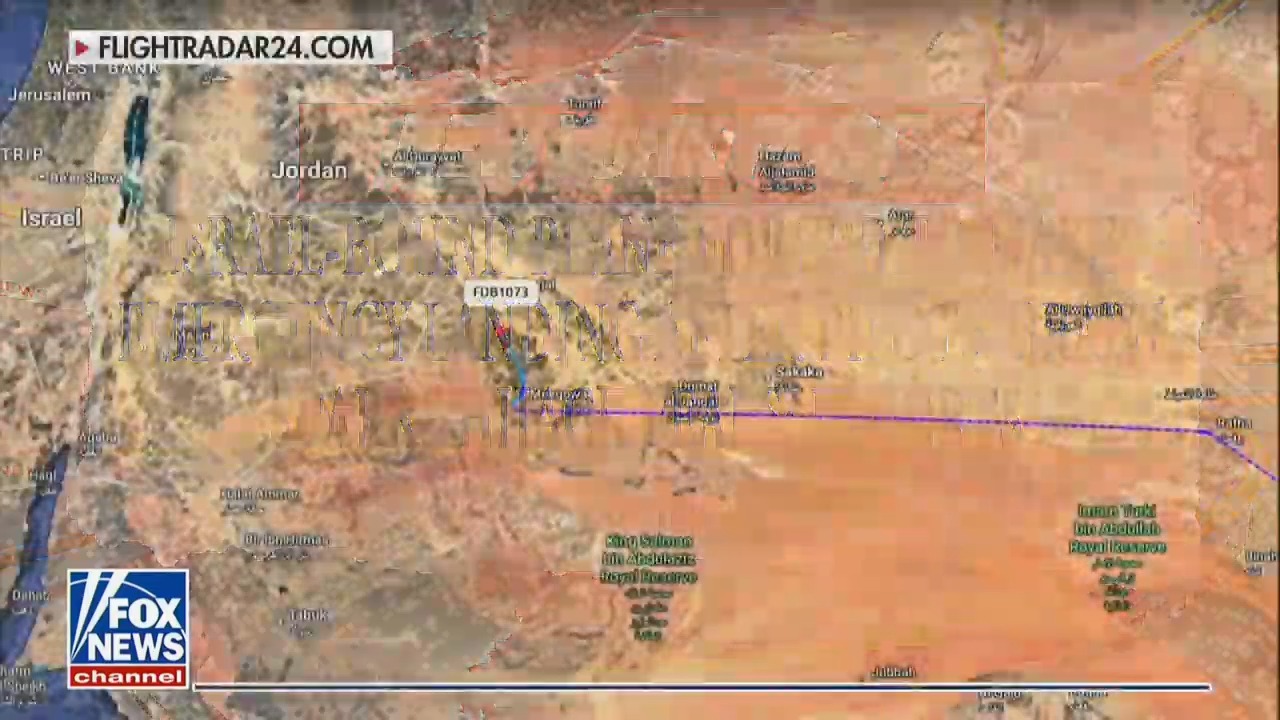
There has been no verified record of a successful or officially confirmed attempted hijacking of a Flydubai commercial flight since the airline’s inception in 2008. While misinformation and sensationalized social media claims occasionally circulate regarding aviation security incidents in the Middle East, official reports from civil aviation authorities and the airline consistently categorize such claims as unfounded or related to minor, non-hijacking security disturbances.
Understanding Aviation Security Governance
To understand the nature of flight security, one must look at the regulatory framework governing carriers like Flydubai. As a low-cost carrier based in Dubai, United Arab Emirates, Flydubai operates under the strict oversight of the General Civil Aviation Authority (GCAA). The GCAA enforces rigorous safety and security standards that align with the International Civil Aviation Organization (ICAO) Annex 17, which dictates international security protocols to protect passengers, crew, and ground personnel.
Aviation security is not a reactive industry; it is a proactive, multi-layered defensive system. When rumors arise regarding an attempted hijacking, they are almost invariably debunked through the standard procedures of incident verification. In the rare event of a disruptive passenger or a security concern—which is fundamentally different from a hijacking—the flight crew follows strict "Standard Operating Procedures" (SOPs). These procedures are designed to de-escalate, contain, and resolve issues before they compromise the safety of the aircraft’s flight deck.
Debunking Viral Misinformation
In the digital age, reports of "attempted hijacking" often stem from misinterpretations of routine events. A passenger experiencing a medical episode, a refusal to comply with cabin crew instructions, or a technical communication error between the flight deck and Air Traffic Control (ATC) can be misinterpreted by observers or unverified social media accounts.
Historically, when individuals on social media platforms claim that a Flydubai aircraft has been targeted, they often confuse the following:
- Security Alerts: Precautionary inspections of baggage or passengers at security checkpoints.
- Diversions: Aircraft landing at an alternate airport due to medical emergencies or severe weather, which may be misinterpreted as a security-related landing.
- Communication Failures: Transient issues with transponder signals or radio communication that trigger automated alerts in ATC systems.
None of these events constitute a hijacking. A hijacking, by definition, is the unlawful seizure of an aircraft by force or threat of force. Flydubai has maintained an impeccable record regarding the physical security of its fleet, relying on secure cockpit doors, rigorous pilot training, and the active involvement of national security services in the UAE.
The Multi-Layered Security Architecture of Modern Flights
The safety of a Flydubai flight is maintained through a series of integrated defenses. If a threat were to occur, these systems are designed to operate concurrently to neutralize the risk.
1. Hardened Cockpit Security
Since the early 2000s, global aviation standards have mandated the reinforcement of cockpit doors. These doors are bulletproof, locked from the inside, and designed to prevent any unauthorized entry. Even if a passenger were to attempt to gain access to the flight deck, the physical barriers are designed to withstand significant force, ensuring the pilots remain isolated and capable of operating the aircraft.
2. Behavioral Detection and Surveillance
Security begins long before a passenger steps onto the jet bridge. Dubai International Airport (DXB), the primary hub for Flydubai, utilizes world-class surveillance technology and behavioral analysis teams. These personnel are trained to identify individuals displaying signs of extreme distress or intent to disrupt operations.
3. Crew Training and De-escalation
Flydubai cabin crew undergo comprehensive training that includes conflict resolution and physical restraint techniques. The primary objective in any onboard disturbance is to neutralize the threat within the cabin so that it never reaches the cockpit. This includes the use of specialized restraining equipment and the coordination of the flight crew to secure the cabin environment.
Comparison of Security-Related Event Classifications
It is essential for travelers to distinguish between various types of security events in aviation. The table below outlines the differences between common incidents that may lead to rumors and the specific criteria for a hijacking attempt.
| Event Type | Definition | Typical Outcome |
|---|---|---|
| Hijacking | Unlawful seizure of control by force or threat. | Emergency response, ground lockdown, state intervention. |
| Unruly Passenger | Failure to comply with crew; verbal or minor physical abuse. | In-flight restraint, diversion, arrest upon landing. |
| Security Alert | Suspicious item or threat reported without physical seizure. | Heightened inspection, potential evacuation of the aircraft. |
| Technical Anomaly | Erroneous data transmission (e.g., squawk code error). | Verification with ATC, continued flight or return to base. |
The Role of Air Traffic Control (ATC) in Threat Response
Should a flight experience a potential security breach, the communication between the pilot and ATC is immediate. The pilots can utilize a "transponder code"—specifically Squawk 7500—to signal to ground radar stations that the aircraft is being subjected to unlawful interference. This code instantly alerts military and civil defense systems, triggering a coordinated response, which may include military interceptors.
The fact that there has never been a verified report of a Flydubai flight utilizing such signals due to an attempted hijacking is a testament to the effectiveness of the regional security environment and the airline's operational discipline.
Assessing Risks and Staying Informed
For passengers concerned about flight security, it is helpful to understand where to find factual data. Relying on social media or unverified news aggregators often leads to anxiety based on false premises.
If an incident occurs, the following organizations are the primary authorities for accurate information:
- GCAA (General Civil Aviation Authority): The primary regulatory body for the UAE, which oversees all investigations regarding flight safety and security.
- Official Airline Communications: Flydubai provides direct updates through their official media channels and investor relations site if an operational event occurs.
- Aviation Herald: A specialized publication that tracks and verifies aviation incidents using primary source data from ATC and pilot reports.
Frequently Asked Questions
What should I do if I hear rumors of a hijacking on a flight?
Do not spread unverified information. Rely solely on official statements from the airline or aviation authorities. Social media rumors regarding aviation safety are frequently exaggerated or entirely fabricated.
How are Flydubai flights protected from unauthorized entry?
Flydubai adheres to strict ICAO international security standards. This includes hardened, locked cockpit doors, high-level pre-flight security screenings at the airport, and comprehensive security training for all cabin and flight crew.
Does a diverted flight mean there was an attempted hijacking?
No. Flights are frequently diverted for medical emergencies, engine maintenance, or weather conditions. Diversions are routine operational procedures and are never evidence of a hijacking unless specifically confirmed by authorities.
What is the current security level at Dubai International Airport?
Dubai International Airport maintains a high level of security. It utilizes advanced biometrics, extensive surveillance coverage, and close coordination with national intelligence services to ensure the safety of all transit and departing passengers.
Where can I verify information regarding an aviation security event?
Always check official government aviation portals, such as the GCAA website, or reputable, source-cited aviation reporting platforms like the Aviation Herald, which verify incident reports against actual flight data.
Practical Recommendations for Passengers
If you are traveling and witness a disturbance on board, your primary responsibility is to remain calm and follow the instructions of the flight crew. The crew members are highly trained to handle a variety of scenarios and are in constant communication with ground support.
Attempting to intervene in a security situation, even with the best intentions, can complicate the situation and hinder the crew's ability to act. If an emergency occurs, focus on identifying the nearest exit and remaining seated unless directed otherwise. By maintaining situational awareness and relying on the expertise of the professionals on board, you contribute to a safe travel environment. If you ever come across a claim regarding a Flydubai hijacking online, check the source date and look for official confirmation from the GCAA before sharing the information further.