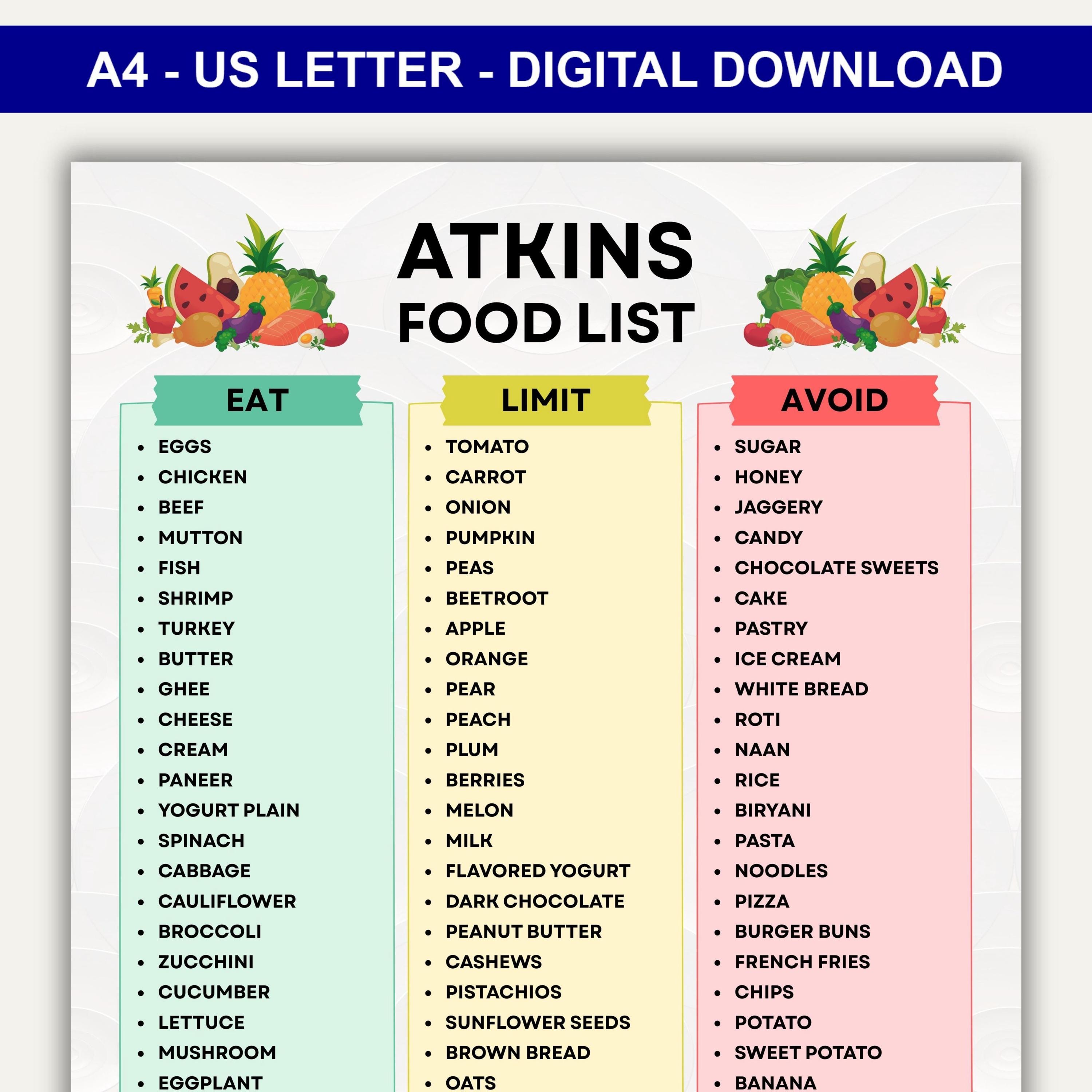
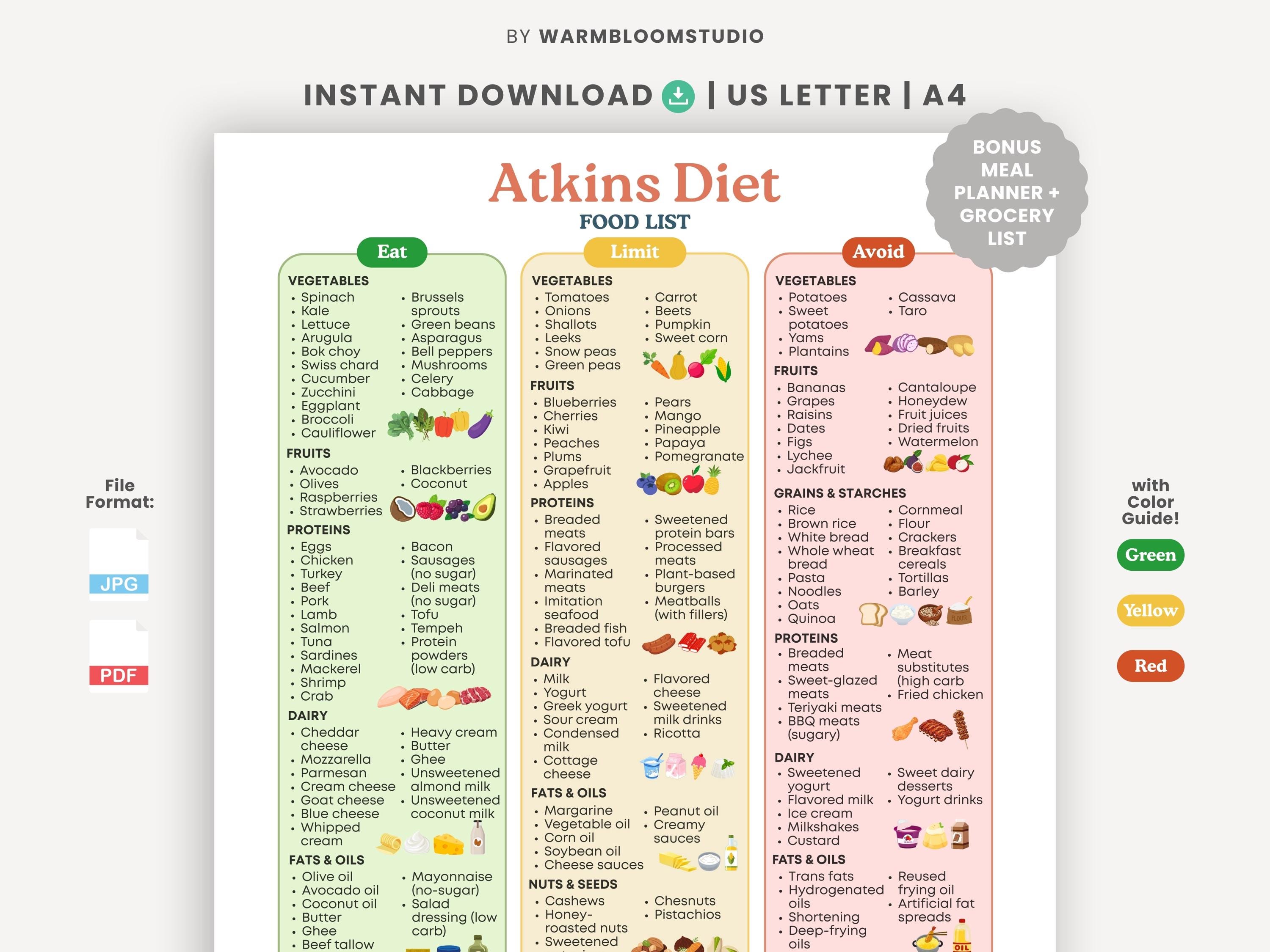
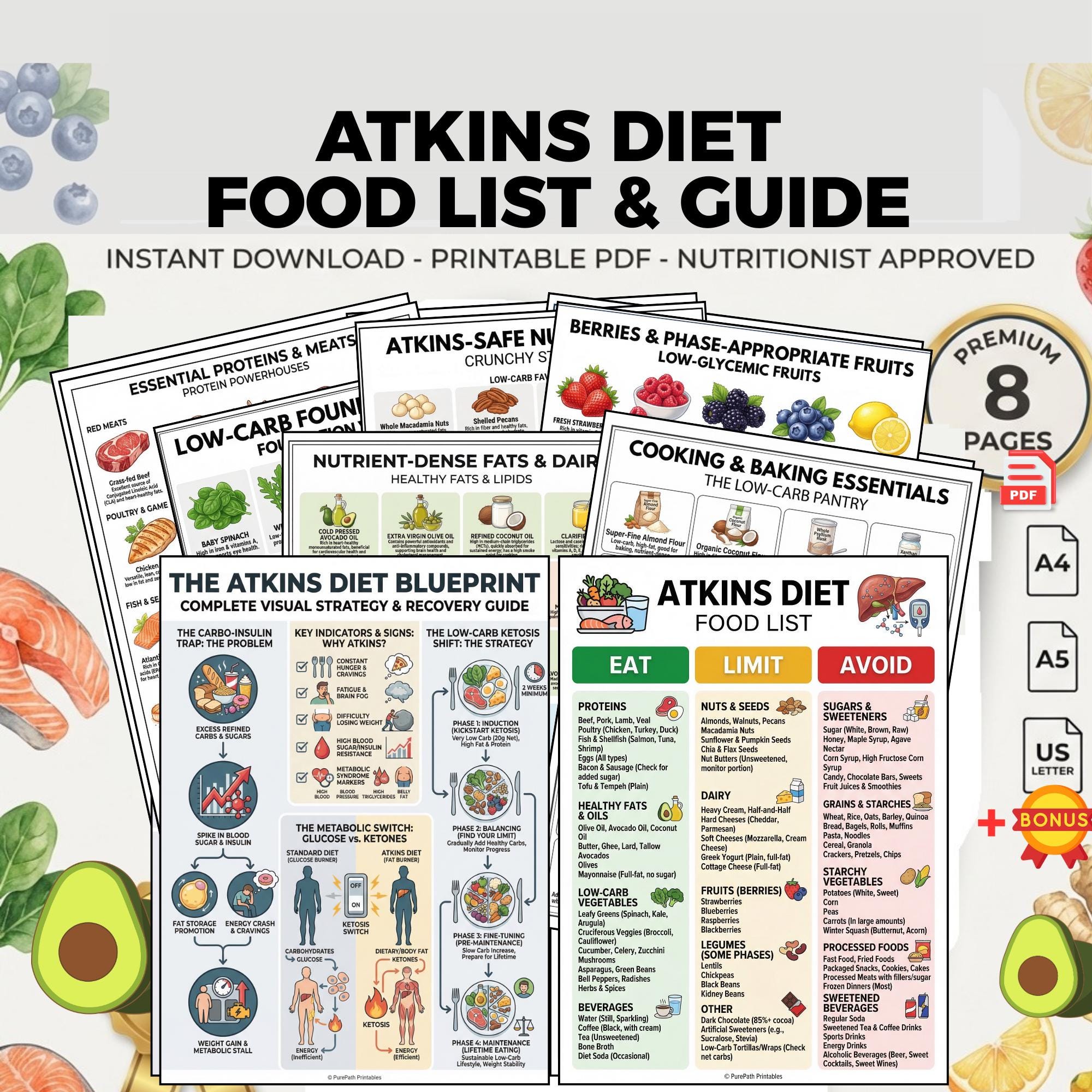
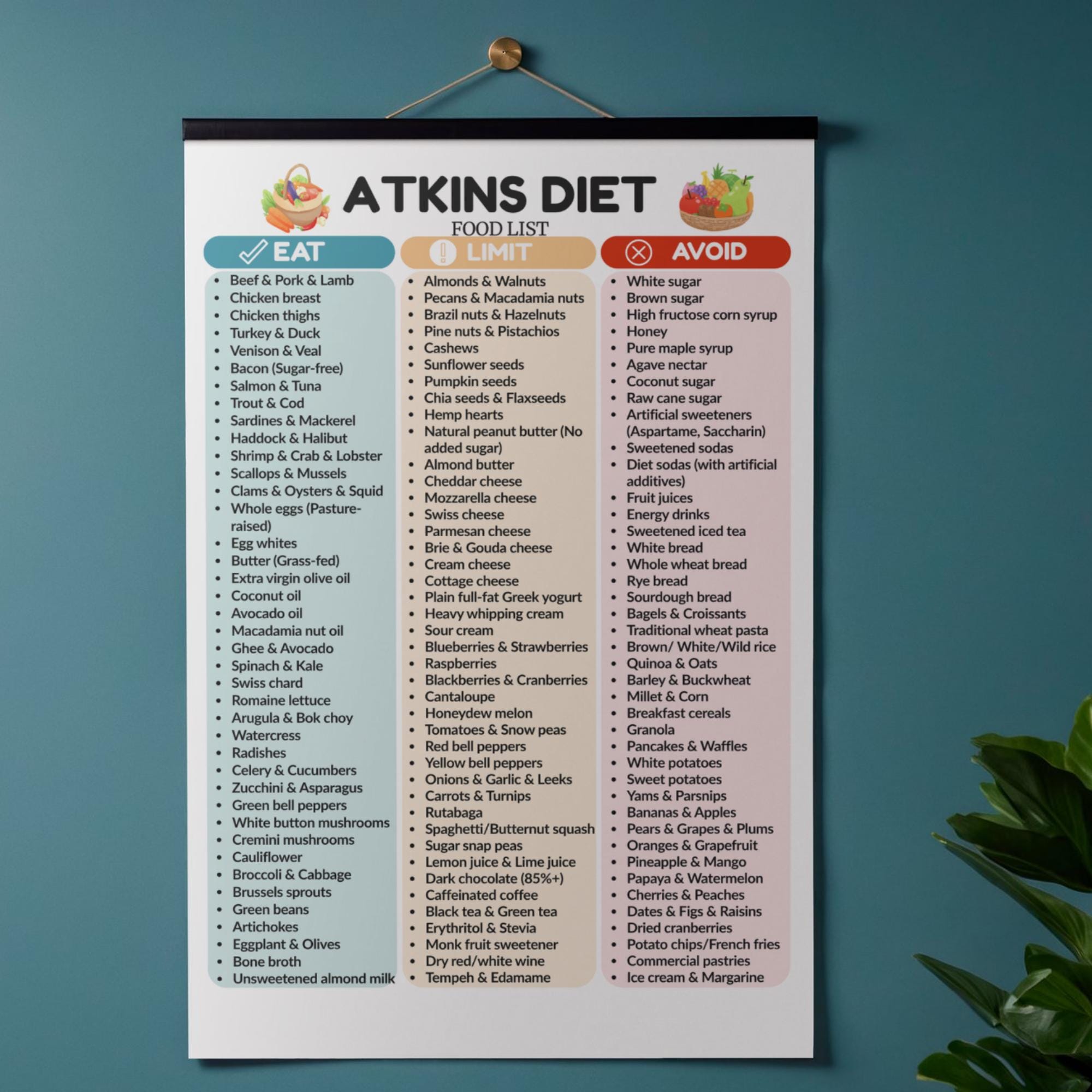
The Atkins Phase 1 food list, also known as the Induction phase list, focuses on high-quality proteins, healthy fats, and low-glycemic "foundation vegetables." To succeed in this phase, you must limit your intake to 20 grams of net carbs per day, with 12 to 15 grams coming specifically from foundation vegetables. This restrictive period is designed to transition your body’s metabolism from burning glucose to burning fat as its primary fuel source.
Understanding the Purpose of Atkins Phase 1
Phase 1 is the most rigorous stage of the Atkins diet. Its primary objective is to induce a state of ketosis, where the body efficiently burns stored fat for energy. In 2026, the principles of Induction remain centered on stabilizing blood sugar and eliminating cravings for processed carbohydrates and sugars.
During this initial two-week period (which can be extended based on your weight loss goals), you are retraining your palate. By strictly following the approved food list, you minimize insulin spikes, which is the key driver of fat storage. The "Atkins Phase 1 Food List PDF" serves as a critical roadmap for navigating the grocery store and your kitchen without accidentally consuming hidden sugars or starches that could stall your progress.
The Core Principles of Net Carb Counting
Before diving into the specific food lists, it is essential to understand Net Carbs. The Atkins methodology does not count total carbohydrates but focuses on the carbs that impact blood sugar.
The Formula: Total Carbohydrates - Fiber - Sugar Alcohols = Net Carbs.
Fiber and most sugar alcohols do not significantly affect blood glucose levels, so they are subtracted from the total count. In Phase 1, your daily limit is 20 grams of these net carbs. Because 12 to 15 grams must come from vegetables, you have a very narrow margin (5 to 8 grams) for carbs found in dairy, dressings, or seasonings.
Comprehensive List of Approved Proteins
Protein is the cornerstone of Atkins Phase 1. It provides satiety and helps maintain muscle mass while you lose body fat. Almost all plain meats, poultry, and fish are acceptable because they contain zero or near-zero carbohydrates.
Poultry and Meat
- Beef: Steaks, roasts, ground beef, and ribs.
- Pork: Chops, tenderloin, ham (ensure no sugar-cured coatings), and bacon (check for sugar-free varieties).
- Poultry: Chicken, turkey, duck, and Cornish game hens.
- Lamb and Veal: All cuts.
- Game Meats: Venison, elk, and bison.
Seafood and Fish
- Fatty Fish: Salmon, mackerel, sardines, and herring (rich in Omega-3 fatty acids).
- White Fish: Cod, halibut, trout, and flounder.
- Shellfish: Shrimp, lobster, clams, mussels, and crab. Caution: Some shellfish, like mussels and oysters, contain small amounts of carbohydrates (about 2–5 grams per serving), so they must be tracked toward your 20g limit.
Eggs
Eggs are considered one of the most versatile proteins in Phase 1. You can prepare them scrambled, poached, fried, or as omelets. They are virtually carb-free but contain essential nutrients like choline and lutein.
Important Note on Processed Meats: When using the food list to shop, be wary of deli meats, sausages, and hot dogs. Manufacturers often use fillers like cornstarch or sweeteners like dextrose. Always read the nutritional label to ensure there are 0 or <1 gram of carbs per serving.
Foundation Vegetables: The 12–15 Gram Rule
A common misconception about Atkins is that it is a "meat-only" diet. In reality, Phase 1 requires a significant intake of vegetables. These "foundation vegetables" provide necessary fiber, vitamins, and minerals. You should consume between 12 and 15 grams of net carbs from this list daily.
Leafy Greens (The Lowest Carb Options)
These can be eaten in relatively large quantities because their carb density is very low.
- Arugula
- Spinach
- Bok Choy
- Lettuce (Romaine, Iceberg, Butterhead)
- Radicchio
- Endive
Other Foundation Vegetables
- Cruciferous: Broccoli, cauliflower, Brussels sprouts, and cabbage.
- Alliums: Onions (in small amounts), scallions, and leeks.
- Others: Asparagus, celery, cucumber, eggplant, green beans, mushrooms, okra, peppers (bell and chili), radishes, summer squash, and zucchini.
| Vegetable (1/2 cup, cooked/raw) | Approximate Net Carbs |
|---|---|
| Spinach (raw, 1 cup) | 0.4g |
| Broccoli (steamed) | 2.0g |
| Cauliflower (steamed) | 1.7g |
| Asparagus (5 spears) | 1.2g |
| Zucchini (sliced) | 2.0g |
| Avocado (1/2 fruit) | 2.0g |
| Cucumber (sliced) | 1.0g |
Healthy Fats and Oils
Because you are drastically reducing carbohydrates, your body requires fat for energy. In Phase 1, you should not be on a "low-fat" diet. Healthy fats also help with the absorption of fat-soluble vitamins (A, D, E, and K).
Recommended Oils
- Extra Virgin Olive Oil: Ideal for dressings and low-heat cooking.
- Avocado Oil: High smoke point, great for searing meats.
- Coconut Oil: Contains MCTs (medium-chain triglycerides) which are easily converted to ketones.
- Butter: Pure butter is encouraged; avoid margarine or "spreads" containing trans fats.
Other Fat Sources
- Mayonnaise: Ensure it is made with healthy oils and has no added sugar.
- Olives: Black and green olives are excellent high-fat, low-carb snacks.
- Salad Dressings: Use oil-and-vinegar-based dressings or creamy dressings like Caesar or Blue Cheese, provided they have no added sugar (usually <2g carbs per serving).
Acceptable Dairy and Cheese
Dairy is allowed in Phase 1 but must be strictly moderated. Cheese contains small amounts of carbohydrates due to the fermentation process of lactose.
- Allowed Quantity: Limit yourself to 3 to 4 ounces of cheese per day.
- Acceptable Cheeses: Cheddar, Goat cheese, Cream cheese, Swiss, Gouda, Parmesan, and Mozzarella.
- Avoided Dairy: Milk, yogurt, and cottage cheese are generally prohibited in Phase 1 because their lactose (milk sugar) content is too high. Heavy cream is allowed in small amounts (up to 2-3 tablespoons per day) for coffee or cooking.
Beverages and Hydration
Staying hydrated is vital during Induction, as the body sheds excess water weight during the first few days of ketosis.
- Water: The gold standard. Aim for at least eight 8-ounce glasses daily.
- Coffee and Tea: Black coffee and unsweetened tea are permitted. You may use a small amount of heavy cream or an approved non-caloric sweetener.
- Broth/Bouillon: Often recommended to replenish electrolytes (sodium) and prevent the "Keto Flu."
- Diet Soda: Permitted in moderation, though some people find that artificial sweeteners can trigger cravings or stall weight loss.
- Club Soda/Seltzer: Ensure they are unsweetened and contain no fruit juice concentrates.
Foods to Strictly Avoid in Phase 1
To maintain ketosis, several categories of food are completely off-limits during the Induction phase.
- Grains: Bread, pasta, rice, oats, quinoa, and cereal.
- Sugar: Honey, maple syrup, high-fructose corn syrup, and agave.
- Fruit: Almost all fruits are too high in sugar for Phase 1. (Avocado and olives are the botanical exceptions).
- Starchy Vegetables: Potatoes, sweet potatoes, corn, peas, and carrots (in large amounts).
- Legumes: Beans, lentils, and chickpeas.
- Alcohol: Alcohol consumption is discouraged during the first two weeks as it can pause fat burning.
How to Utilize an Atkins Phase 1 Food List PDF
Downloading or printing a PDF version of this list is an effective strategy for long-term adherence. Use the PDF to:
- Audit Your Pantry: Remove items that are not on the list to eliminate temptation.
- Meal Prep: Build recipes using only the "Green Light" ingredients. For example, a breakfast of eggs and avocado, a lunch of grilled chicken over spinach, and a dinner of steak with roasted cauliflower.
- Shopping Guide: Keep the list on your phone or in your wallet to verify nutritional labels while at the grocery store.
Official resources like Atkins.com provide downloadable versions of these lists that are updated for current product availability. Using an official PDF ensures you are following the most recent nutritional guidelines established by the Atkins brand.
Common Mistakes to Avoid in Induction
Even with a food list in hand, beginners often fall into specific traps that can hinder weight loss:
- Not Eating Enough Vegetables: Skipping the 12-15g of foundation vegetables can lead to constipation and nutrient deficiencies.
- Ignoring Hidden Carbs: Sauces like balsamic glaze, BBQ sauce, and even some balsamic vinegars contain enough sugar to kick you out of ketosis.
- Fear of Fat: If you don't eat enough fat while restricting carbs, you will feel fatigued and hungry.
- Overconsuming "Low-Carb" Processed Snacks: While Atkins-branded bars and shakes are available, they should be used sparingly during Phase 1. Focus on "whole foods" whenever possible to ensure maximum metabolic impact.
Frequently Asked Questions
Can I eat nuts and seeds in Phase 1?
Nuts and seeds are generally introduced in Phase 2 (Ongoing Weight Loss). During the first two weeks of Induction, it is best to avoid them as they are calorie-dense and easy to overeat, which can stall progress for some individuals. If you must have them, strictly limit the portion to one ounce and count the net carbs carefully.
How long should I stay in Phase 1?
The minimum duration is two weeks. However, many people choose to stay in Phase 1 longer if they have a significant amount of weight to lose (more than 20 pounds) and feel comfortable with the restrictions. You should move to Phase 2 when you are within 15 pounds of your goal weight or if you find the restrictions too difficult to maintain.
Is fruit allowed if it fits in my 20g net carb limit?
No. During Phase 1, the goal is to break the sugar addiction and stabilize insulin. Even low-sugar fruits like berries can trigger cravings or provide enough fructose to slow down the transition into ketosis. Berries are typically the first food group added back during Phase 2.
Can I drink diet soda on Atkins Phase 1?
Yes, most diet sodas are permitted because they contain zero net carbs. However, be mindful of the sweeteners used. Some individuals find that sucralose or aspartame can cause a cephalic phase insulin response, which may mimic the effects of sugar. If your weight loss stalls, try eliminating diet sodas.
What should I do if I accidentally eat a high-carb food?
Do not give up or wait until "next Monday" to restart. Resume your Phase 1 food list immediately at the next meal. It may take 24 to 48 hours for your body to return to ketosis, but consistency is more important than perfection.
Next Steps for Success
To begin your Atkins journey in 2026, start by downloading a verified Atkins Phase 1 Food List PDF and mapping out your first three days of meals. Focus on purchasing high-quality proteins and a variety of foundation vegetables. Remember to stay hydrated and supplement with electrolytes if you experience the "Keto Flu" during the first few days. Once you have mastered the list and are comfortably in ketosis, you will find that hunger diminishes, making the transition to subsequent phases much easier.