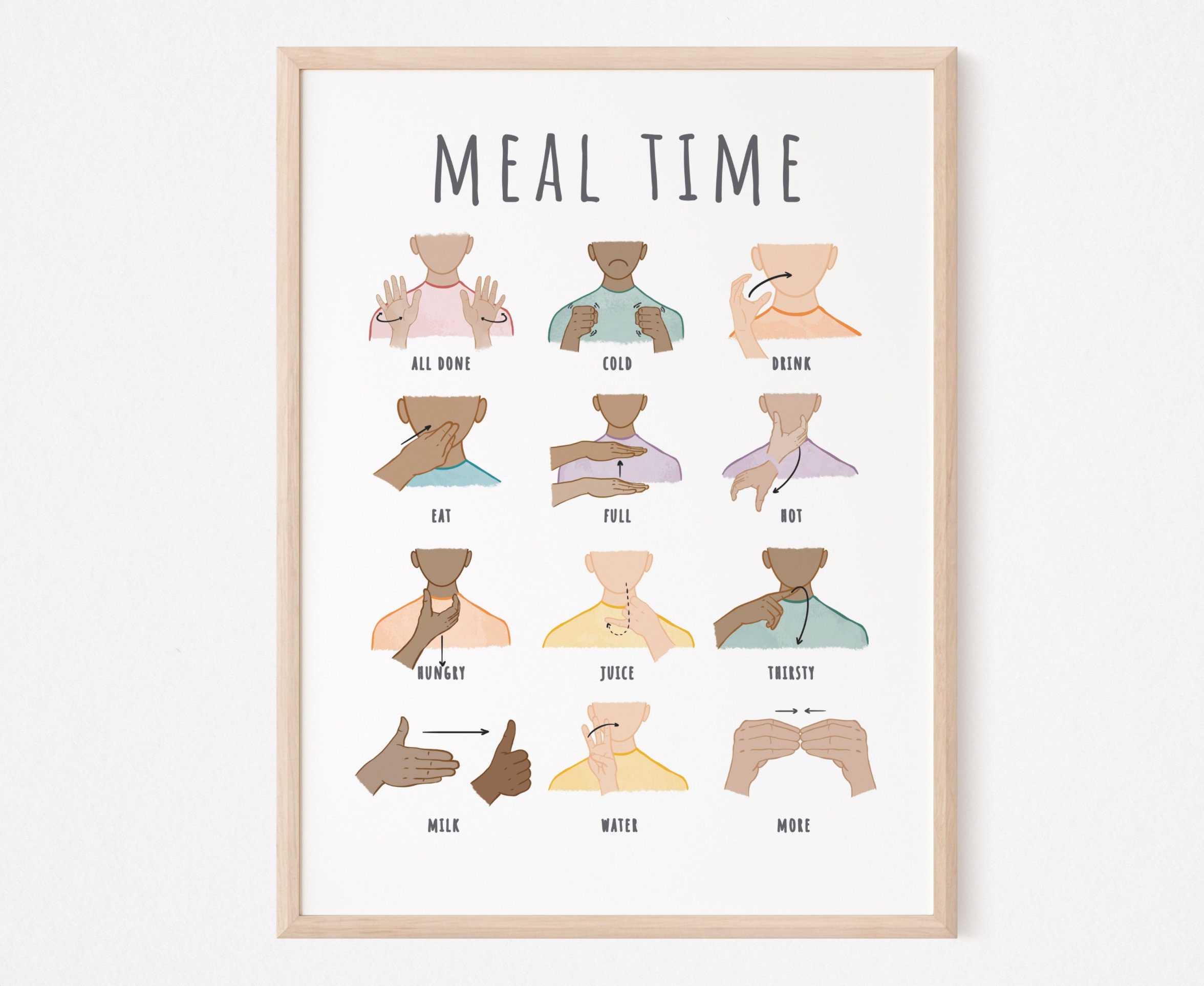
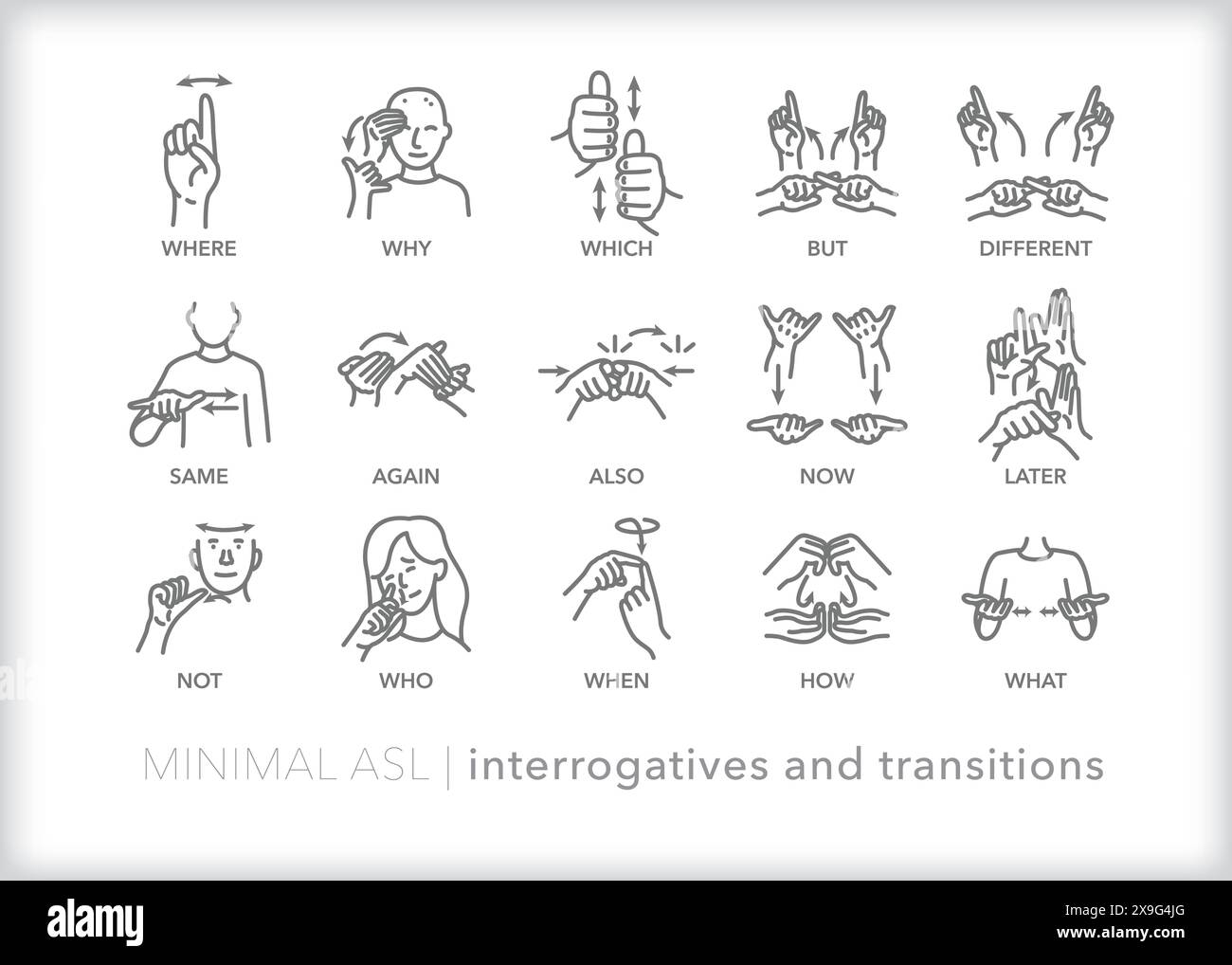
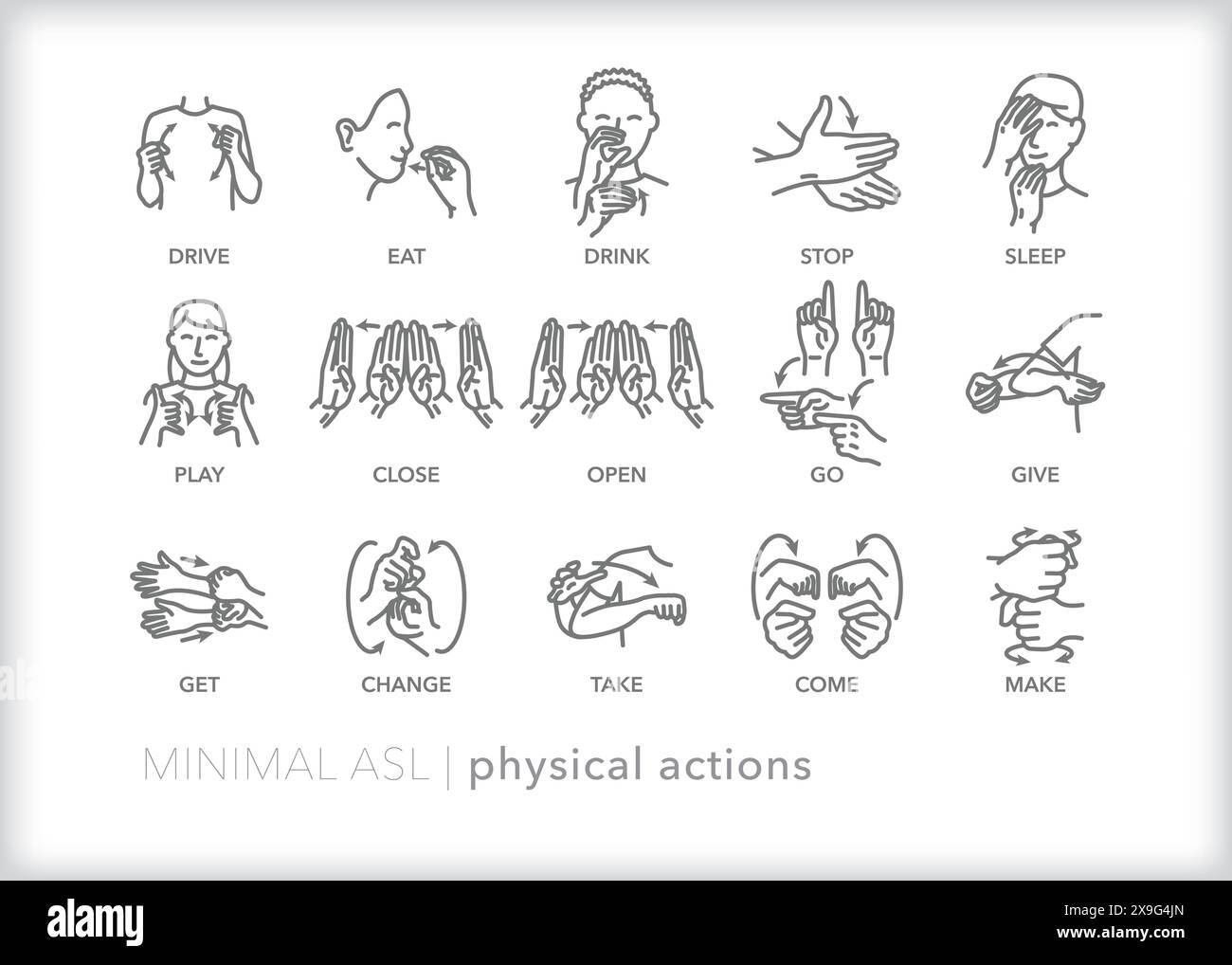
Learning an American Sign Language (ASL) cooking sign bridges an important communication gap in professional kitchens, culinary arts classrooms, and domestic spaces. Whether you are learning to sign the action of cooking itself, exploring food preparation vocabulary, or looking for ways to make kitchen environments more inclusive for Deaf and hard-of-hearing individuals, understanding how visual-gestural languages handle food-related concepts is essential. The primary sign for "cooking" in ASL is executed by placing the non-dominant hand flat, palm facing upward to represent a stove or a pan, while the dominant hand—usually formed in a flat or curved shape—moves back and forth or flips above it, mimicking the action of food turning or heating over a fire.
Beyond this single sign, culinary communication in ASL encompasses a vast taxonomy of specialized vocabulary, from specific kitchen appliances and culinary techniques to measurements and safety protocols. Mastering these expressions requires an appreciation of visual grammar, directional signing, and classifiers that bring abstract food concepts to life in a three-dimensional space.
The Core ASL Sign for Cooking and Its Variations
To execute the sign for "cooking" accurately, it helps to understand its etymology and mechanical execution within ASL grammar. The sign is considered iconic or descriptive, meaning the physical motion directly mirrors the real-world activity it represents.
Step-by-Step Execution of the Cooking Sign
- Handshape and Placement: Extend your non-dominant hand (left hand for right-handed signers) horizontally with the palm facing upward. This acts as your cooking surface, such as a burner, skillet, or grill.
- The Active Hand: Take your dominant hand and form either a flat handshape or a slightly curved "C" handshape, representing the food, a spatula, or the action of heat rising.
- Motion: Move your dominant hand back and forth or in a subtle flipping motion just above the palm of your non-dominant hand.
- Facial Expressions and Non-Manual Markers: While the hands execute the physical motion, your facial expressions can add context. A focused or pleasant expression naturally aligns with food preparation.
Contextual Variations: Cook versus Chef
It is vital to distinguish between the verb or general noun "cooking/cook" and the specific profession of a "chef."
- To Cook / A Cook: Uses the standard back-and-forth motion over the flat palm. When used as a noun to describe a person who cooks, many signers add the "person agent" suffix (moving both flat hands downward vertically) to indicate "cook-person."
- Chef: Often signed by spelling the letters C-H-E-F or by combining the sign for "cook" with a sign that mimics the tall, pleated brim of a traditional chef's hat on the head.
Expanding Culinary Vocabulary in ASL
A kitchen environment requires far more than a single sign for cooking. Communication in a culinary setting relies on precision, speed, and clarity. Below is a breakdown of essential categories that build upon the base cooking sign.
Common Kitchen Appliances and Tools
Sign language uses visual representations for many physical objects found in a modern kitchen. Understanding these terms prevents confusion during food preparation:
- Stove / Oven: Often signed by spelling S-T-O-V-E or by pointing to an imaginary heating element and mimicking opening a door for an oven.
- Refrigerator: Typically initialized with the letter R, moving the hand backward as if opening a fridge door, or spelled out.
- Knife: Mimics a slicing motion near the index finger of the non-dominant hand, which acts as the cutting board.
- Pot and Pan: Traces the circular rim of a pot or skillet in the air using both hands.
Action Verbs Used in Recipes
When following or giving a recipe in ASL, action verbs transform static ingredients into a finished dish. Signers utilize spatial awareness to show how food is manipulated:
- Cut / Chop: Uses a rhythmic chopping motion with the dominant hand edge against the non-dominant index finger.
- Mix / Stir: Represents a spoon moving in a circular motion inside a bowl.
- Bake: Slides a flat dominant hand underneath another flat hand, mimicking putting a tray into an oven.
- Boil: Demonstrates bubbles rising by wiggling the fingers upward from a fist or loose handshape over a "pot."
Culinary Techniques and Classifiers in ASL
One of the most powerful elements of American Sign Language is the use of classifiers (CL). Classifiers are descriptive handshapes that represent shapes, sizes, locations, and movements of objects in space. In a culinary context, classifiers elevate a simple conversation into an instructional demonstration.
Using Classifiers for Food Preparation
When teaching or watching a cooking demonstration in ASL, the signer does not merely name the ingredients; they show them:
- CL:CC (C-hands facing each other): Used to describe cylindrical objects like rolling pins, sausages, or long vegetables like cucumbers and carrots.
- CL:F (Thumb and index finger touching to form a circle): Represents thin, flat, or circular items such as sliced coins of pepperoni, small buttons of dough, or drops of liquid.
- CL:G (Index finger and thumb parallel): Used to show thickness, such as the precise width of a steak slice or the depth of cake batter in a pan.
Directional signing also plays a crucial role. If you are adding ingredients from a bowl into a pot, your hands physically move from the space representing the bowl to the space representing the pot, maintaining spatial coherence for anyone watching.
Comparison of Kitchen Communication Methods
Effectively communicating in a shared kitchen space—especially in professional culinary arts programs or commercial kitchens where hearing impairment is present—requires evaluating different methods of interaction.
| Communication Method | Primary Advantage | Operational Limitation | Best Use Case |
|---|---|---|---|
| American Sign Language (ASL) | Direct, expressive, highly visual; allows simultaneous observation and instruction. | Requires all participants to be fluent in ASL for optimal safety and speed. | Deaf-led kitchens, specialized culinary schools, inclusive home environments. |
| Tactile / Visual Cues & Pointing | Universally understood instantly without formal language training. | Lacks nuance; impossible to convey complex multi-step instructions or precise measurements. | Fast-paced, high-noise commercial line kitchens with mixed hearing crews. |
| Written Recipes & Digital Displays | Permanent record; eliminates misinterpretation of exact measurements and times. | Pulls visual attention away from the workstation and active cooking tasks. | Standardized baking, commercial scaling, recipe documentation. |
| Spoken English with Interpreters | Accommodates standard hearing workflows without retraining staff. | Introduces lag time; interpreters may lack specialized culinary vocabulary. | Large lecture-style cooking classes or public demonstrations. |
Practical Applications: Learning and Teaching ASL Cooking Signs
If you are incorporating ASL into a cooking class, a family kitchen, or a professional restaurant, structured practice ensures accuracy and safety. Kitchens are hazardous environments involving sharp blades, open flames, and hot liquids, making clear, unambiguous communication a critical safety requirement.
Establishing Kitchen Safety Signs First
Before exploring advanced culinary techniques, master safety-related vocabulary:
- Hot: Formed by clawing the dominant hand near the mouth and pulling it away quickly while shifting facial expressions to indicate heat.
- Danger / Warning: Tapping the knuckles of the dominant hand against the non-dominant fist or chest, paired with a serious facial expression.
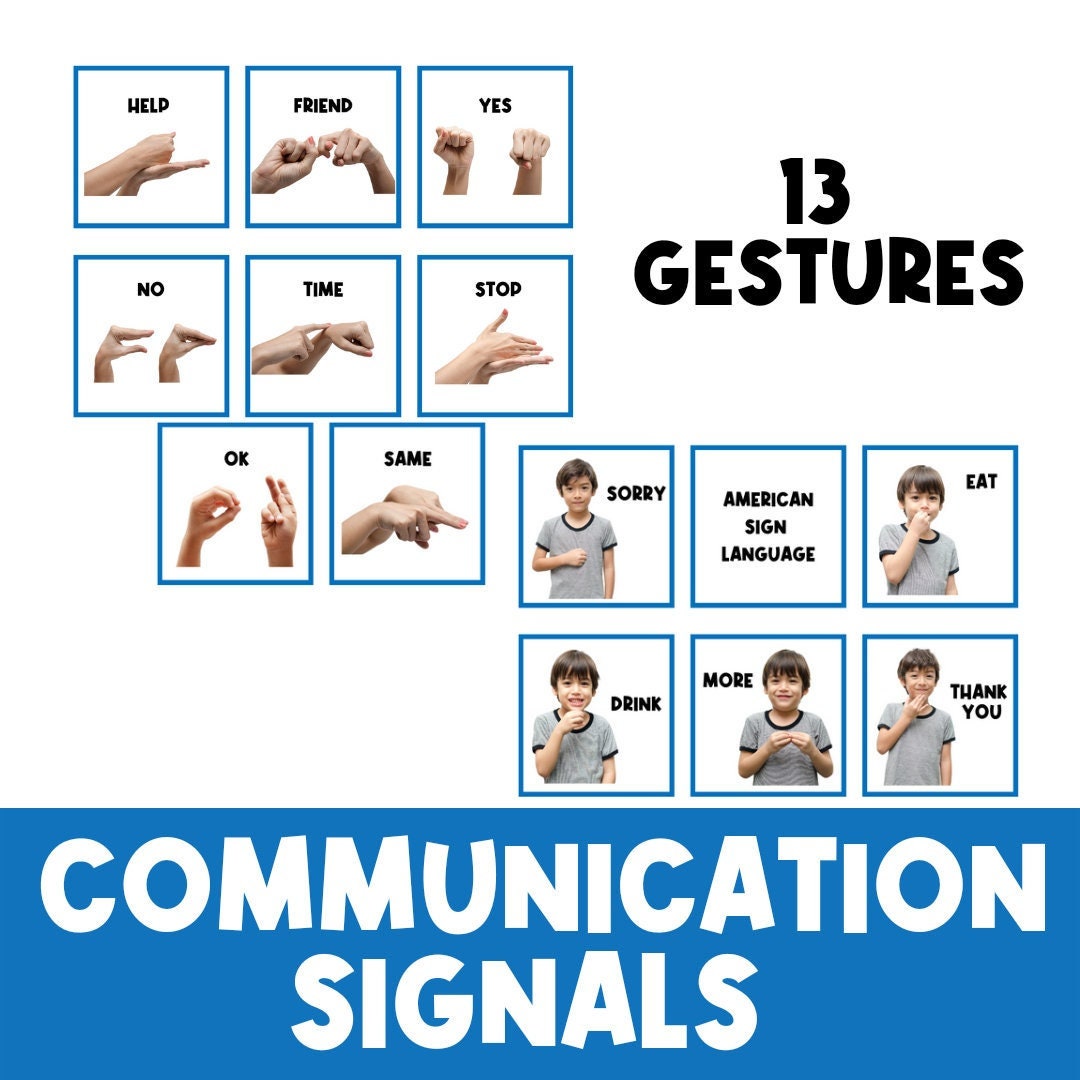
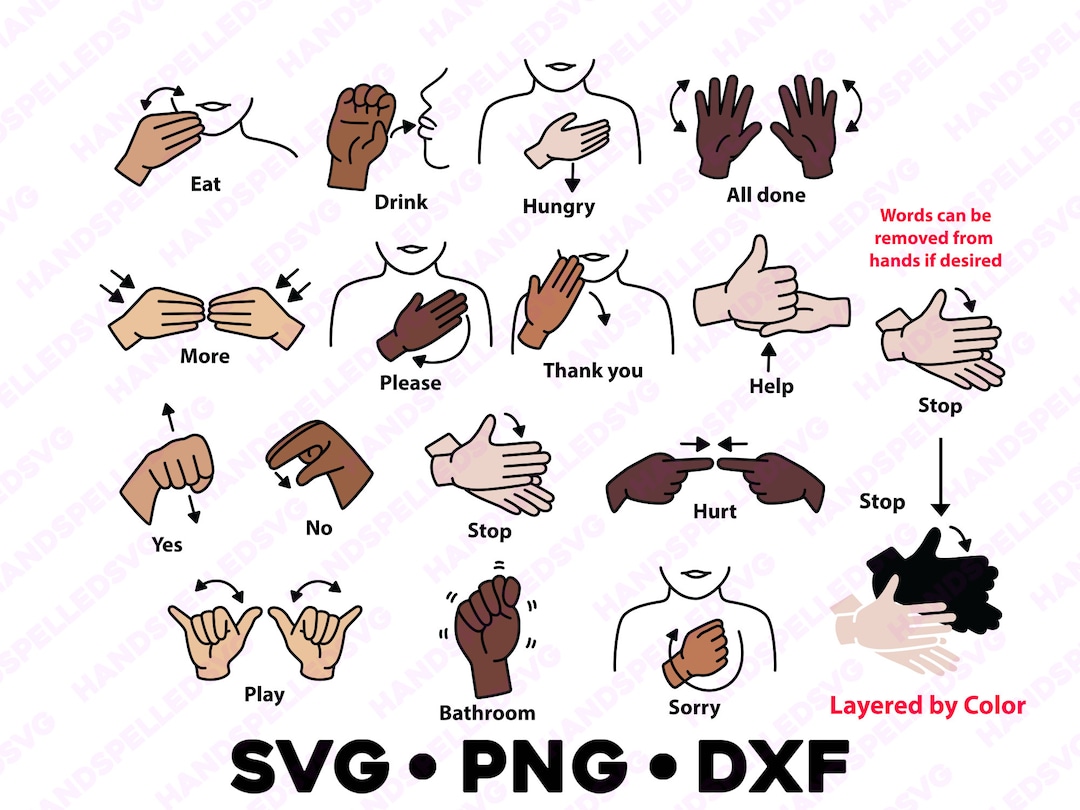
- Stop: Bringing the dominant flat hand down firmly onto the open palm of the non-dominant hand.
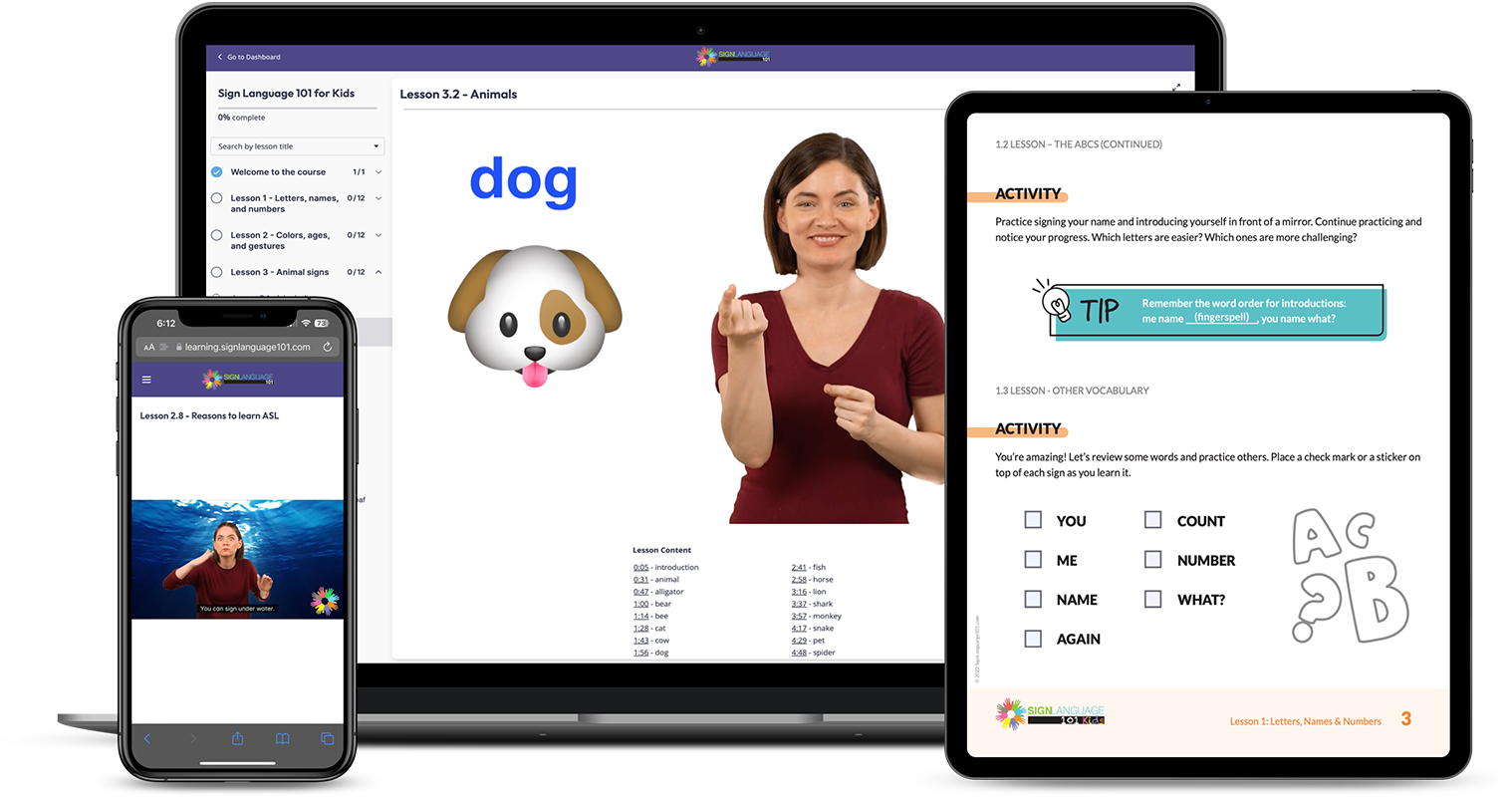
Finding Reliable Instructional Resources
Because ASL is a visual language, static 2D illustrations in books often fail to capture the subtle movements required for cooking signs. Learners should consult:
- Online ASL Video Dictionaries: Platforms like Lifeprint (Dr. Bill Vicars) or the Signbs dictionary offer video demonstrations of specific signs.
- Deaf Chefs and Content Creators: Watching Deaf culinary professionals on social media platforms provides authentic exposure to natural, conversational ASL used in real-world professional kitchens.
- Local Community College Classes: Taking accredited beginner ASL courses builds foundational grammar that makes specialized vocabulary much easier to master.
Frequently Asked Questions
What is the exact handshape for the main ASL cooking sign?
The main cooking sign uses a flat, upward-facing non-dominant hand (acting as the heat source or pan) and a dominant hand that moves back and forth just above it. The dominant hand can be flat or slightly cupped to mimic food or a spatula moving across a heated surface.
Is the sign for cooking the same as the sign for kitchen?
No, they are distinct signs. While "cooking" is an action verb executed with a moving hand over a flat palm, "kitchen" is typically formed by initializing the letter K and tapping or twisting it near the non-dominant flat hand (representing a room or a table where food is prepared).
How do you sign specific cooking measurements like tablespoons and cups?
Measurements are often spelled out or represented through standard initialized signs. For example, "cup" is signed by forming a C-shape with the dominant hand and placing it on the non-dominant palm. Teaspoon and tablespoon are frequently fingerspelled (T-SPOON or TBL-SPOON) for absolute clarity in recipes.
Can ASL be used effectively in a loud commercial kitchen?
Yes. In fact, professional kitchens are often extremely noisy environments where spoken commands are easily drowned out by exhaust hoods, clattering dishes, and equipment. Visual signs, including the cooking sign and safety alerts, provide a reliable, hands-free method of communication across a room.
Where can I find professional culinary sign language glossaries?
While general sign dictionaries contain basic food words, specialized culinary glossaries are often developed by culinary schools with dedicated accessibility programs, or by organizations focusing on Deaf arts and hospitality inclusion. Searching for video resources created by Deaf culinary artists is the most effective approach.
Next Actions for Learners
To continue your journey with ASL culinary communication, start by mastering the fundamental cooking sign alongside essential safety terms like hot and stop. Practice these movements in front of a mirror to ensure your handshapes and spatial orientation are clear. If you cook with others, introduce one new food or kitchen tool sign each week to build a practical, conversational vocabulary organically without overwhelming your memory.