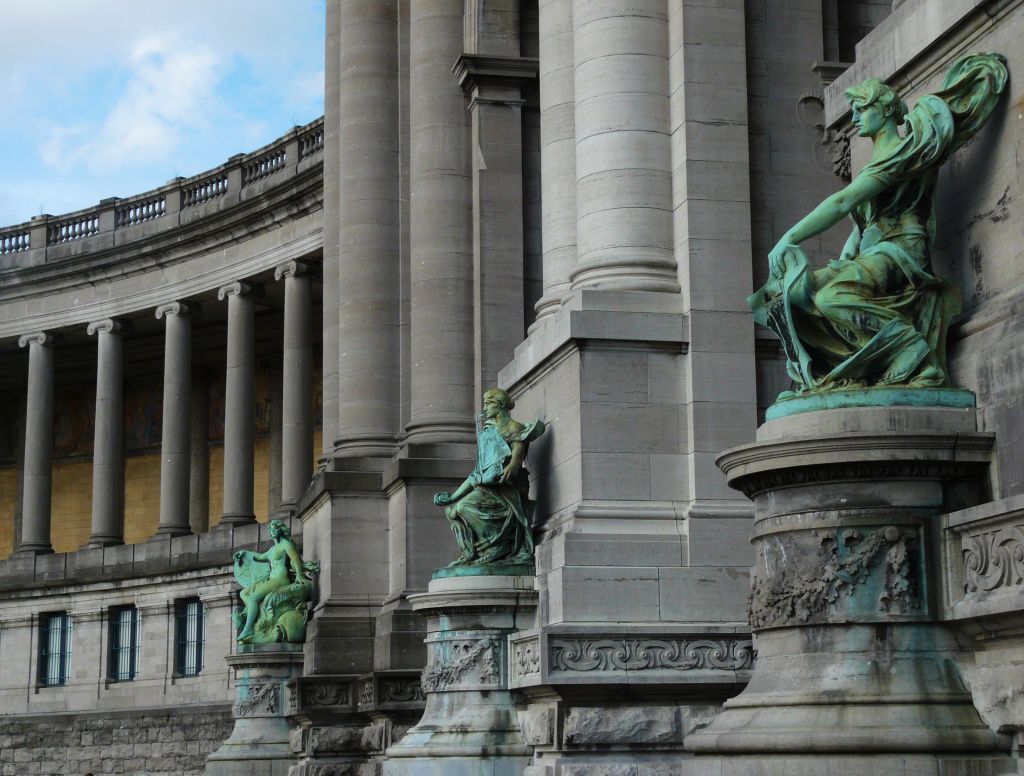
The Art and History Museum, situated in the iconic Cinquantenaire Park in Brussels, serves as one of the largest and most diverse cultural repositories in Europe. For visitors planning their 2026 trip, the museum offers an expansive journey through global history, ranging from prehistoric artifacts and Egyptian sarcophagi to intricate Belgian tapestries and decorative arts, requiring careful planning to navigate its vast, multidisciplinary collections.
Understanding the Art and History Museum
The Art and History Museum (Musée Art et Histoire) is part of the Federal Scientific Institutions of Belgium. Located within the monumental Cinquantenaire complex, it houses hundreds of thousands of objects that tell the story of human civilization. The collection is broadly divided into three main pillars: National Archaeology, Antiquity, and Non-European Civilizations, alongside a prestigious department dedicated to decorative arts.
For the modern visitor, the museum is not merely a static display of relics. It functions as a research center and a conservation site. Because the collection is so immense, the layout is organized by geographical origin and temporal progression. Understanding this organization is the first step in ensuring your visit remains manageable rather than overwhelming.
Essential Visitor Information for 2026
Before heading to the Cinquantenaire, verify your logistical requirements. In 2026, the museum operates on a standard schedule, though public holidays and special events often trigger closures or adjusted hours.
- Access and Entry: The main entrance is accessible via the Cinquantenaire Park. Ensure you check the official website for real-time updates on closures, as maintenance on the historic structure sometimes necessitates temporary rerouting.
- Ticketing: While walk-ins are often accommodated, purchasing tickets online remains the most efficient method to avoid queues, particularly during school holidays or peak tourist seasons.
- Accessibility: The museum is largely accessible to persons with reduced mobility, but due to the age of the architecture, certain historic wings may have limitations. It is recommended to contact the visitor services department in advance if you require specific assistance or elevator access details.
Navigating the Permanent Collections
The museum’s layout is designed to encourage a chronological and geographical flow. However, because of the breadth of the collection, most visitors find that focusing on specific galleries allows for a more enriching experience.
The Antiquity Department
This is arguably the most famous section, featuring significant collections from Egypt, the Near East, Greece, and Italy. The Egyptian collection is particularly noted for its funerary art, including exceptionally well-preserved mummies and sarcophagi. The Roman and Greek galleries offer a look at the artistic transition between classical Mediterranean civilizations.
National Archaeology
This department covers the history of Belgium from prehistoric times through the Merovingian period. It is an essential stop for those interested in the Gallo-Roman history of the region. The artifacts displayed here provide critical insight into the social structures and daily lives of the tribes that inhabited the Low Countries long before the borders of modern Belgium existed.
Decorative Arts and European History
This section highlights the craftsmanship of Europe over the centuries. The tapestries are the undisputed highlight; the museum possesses one of the world's finest collections of medieval and Renaissance tapestries. These monumental textiles are not just art—they were status symbols, political tools, and insulation for drafty stone castles.
Comparing Museum Experience Options
To maximize your time, consider the following table regarding visitor engagement levels:
| Focus Type | Primary Interest | Estimated Duration | Best For |
|---|---|---|---|
| The Highlights Tour | Egyptian Mummies, Tapestries, Gallo-Roman artifacts | 2–3 Hours | Casual tourists / Families |
| The Deep Dive | Specific periods (e.g., Islamic Art or Asian collections) | 4–6 Hours | Researchers / History Enthusiasts |
| The Architectural Walk | Cinquantenaire complex history and monument viewing | 1–2 Hours | Photographers / Architecture fans |
Practical Tips for a Successful Visit
Preparation is key to navigating such a large space. Avoid the common mistake of trying to see every single display in a single day, which often leads to "museum fatigue." Instead, identify two or three "must-see" sections and dedicate your energy to those.
- Wear Comfortable Footwear: The museum spans a massive footprint. You will be walking on hard floors for several hours; support is essential.
- Use the Cloakroom: Free lockers or coat checks are available. Shedding heavy coats and bulky bags will make your experience significantly more comfortable as you transition through the various heated and temperate exhibition halls.
- Check for Temporary Exhibitions: The museum frequently hosts high-profile, temporary exhibitions that are curated around specific themes or loans from other global institutions. These often require a separate entry fee but are usually worth the investment.
- Photography Policies: Standard photography is generally allowed for private, non-commercial use, provided you do not use a flash. However, always check the signage, as temporary exhibitions may have stricter rules due to copyright or conservation requirements.
Frequently Asked Questions
Is the Art and History Museum suitable for children? Yes, it is highly educational. While the vast number of objects can be daunting, many of the exhibits, particularly the Egyptian mummies and the ancient weapons collections, are visually engaging for younger audiences. Using a scavenger hunt approach or focusing on specific artifacts keeps the experience interactive.
Can I visit the Cinquantenaire Arch during my museum trip? The Cinquantenaire Arch is part of the same architectural complex. While the Museum covers the art and history of the collection, access to the roof or the War Museum nearby are separate experiences. Check if your ticket includes or offers a discount for these neighboring sites to save on costs.
Are there dining options within the museum? There are typically onsite facilities or nearby cafes within the Cinquantenaire Park. Since the museum does not always have a full-service restaurant inside the main exhibition wings, planning for a mid-day break in the park is a recommended strategy.
Does the museum offer guided tours in English? The museum provides various options for guided tours. These must generally be booked in advance. If a private guide is outside your budget, look for the audio guide options or mobile-friendly digital resources provided at the front desk, which offer contextual depth in multiple languages.
How does the museum handle artifact conservation? The museum operates under strict conservation standards. Light levels, humidity, and temperature are closely monitored to protect delicate textiles and organic materials. As a visitor, you contribute to this preservation by adhering to "no-touch" policies and avoiding the use of flash photography.
What is the best time of year to visit? Mid-week mornings during the shoulder seasons (spring and autumn) generally offer the quietest experience. Avoid weekend afternoons if you prefer fewer crowds.
Next Actions for Your Visit
To ensure your visit to the Art and History Museum Brussels is seamless, your immediate next step should be to visit the official website of the Musée Art et Histoire to consult the calendar for 2026. Review the list of current temporary exhibitions, as these change periodically and may influence whether you choose to purchase an all-inclusive ticket or a standard collection ticket. If you are traveling with a group of more than ten people, initiate a group booking request at least three weeks before your intended date to ensure availability and potentially lower your per-person entry cost. By finalizing these details early, you can focus entirely on the historical treasures awaiting you in the heart of Brussels.