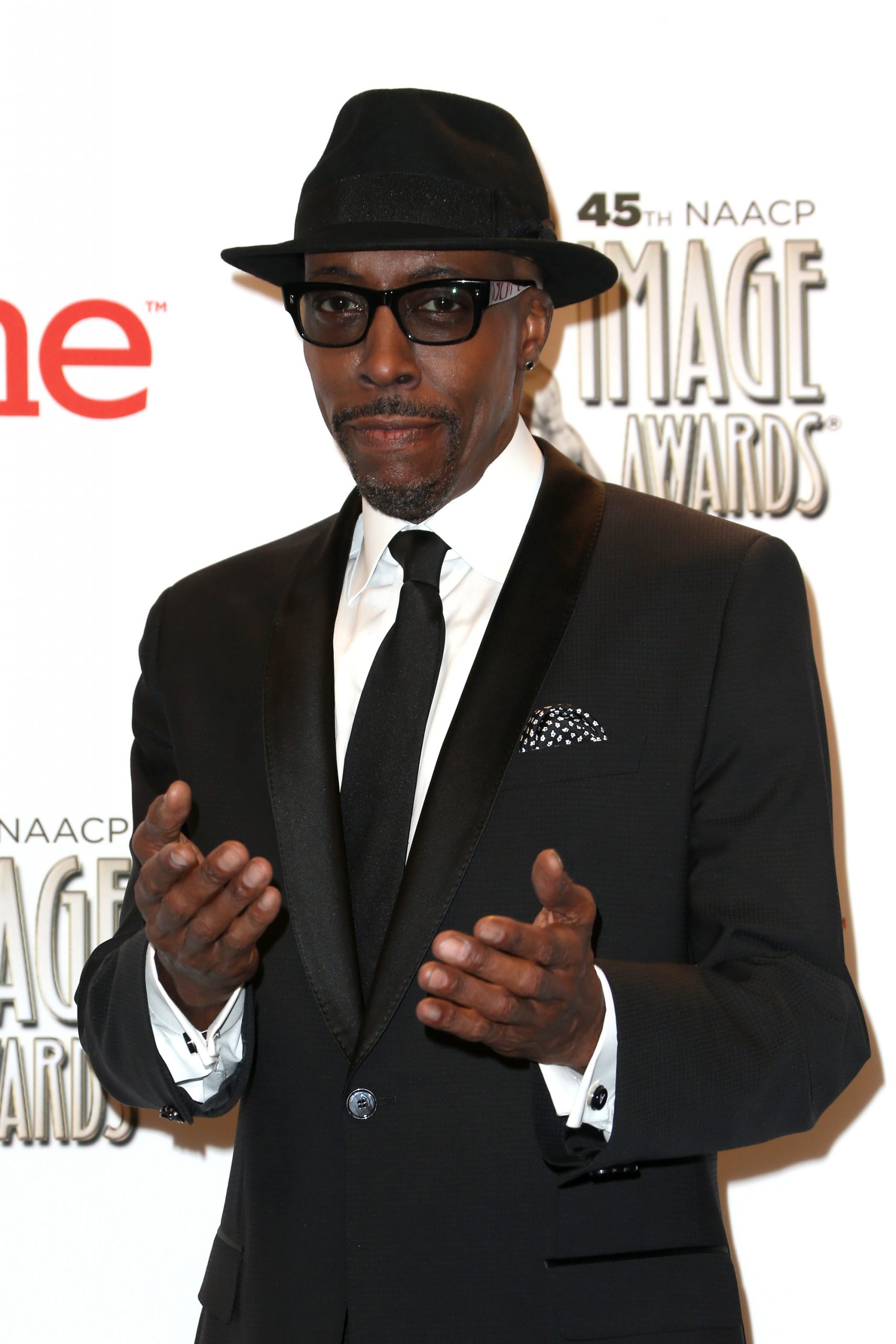
To understand Arsenio Hall’s "fingers" in context, one must distinguish between two distinct cultural threads: his notably long, slender physical hand proportions and his iconic "fist pump" gesture from The Arsenio Hall Show. Both became hallmarks of his high-energy hosting style, blending unique physical traits with a revolutionary late-night television persona.
The discussion surrounding Arsenio Hall’s fingers is a fascinating intersection of 1990s pop culture nostalgia and the modern internet’s obsession with celebrity physical trivia. For those who grew up watching late-night television during the transition from the 1980s to the 1990s, Hall was more than just a host; he was a stylistic disruptor. His hands, often emphasized by his expressive hosting style and the fashion of the era, became a focal point for viewers and comedians alike. By 2026, as we look back on the archives of his groundbreaking show, the "context" of his fingers remains a blend of physical anatomy and the deliberate choreography of a master entertainer.
The Physicality of a Late-Night Legend
Arsenio Hall possesses a lean, lanky physique that naturally draws attention to his extremities. His fingers are notably long and slender, a trait that he often utilized to enhance his storytelling and comedic timing. In the world of television, where every gesture is magnified by the camera, physical quirks often become part of a performer's "brand."
Hall’s hands were frequently in motion. Whether he was adjusting his signature oversized suits, pointing toward the "Dog Pound" (his studio audience), or resting his chin on a long-fingered hand during an interview, his physical presence was distinct. This led to a long-running commentary in the media and among fans about his hand proportions. Unlike many celebrities who might shy away from such observations, Hall often leaned into his unique look, using his hands to add a layer of theatricality to his monologues.
From a physiological perspective, long, thin fingers—sometimes referred to in a general sense as arachnodactyly—can be a simple genetic trait or, in rare cases, associated with certain connective tissue profiles. However, in Hall's case, there has never been any confirmed medical diagnosis; rather, it is simply a defining feature of his athletic and slender build. In the context of 1990s television, these features contributed to his "cool" and "edgy" aesthetic, setting him apart from the more traditional, rigid presentations of contemporaries like Johnny Carson or Jay Leno.
The "Dog Pound" and the Mechanics of the Gesture
While the physical length of his fingers is one part of the conversation, the "fingers in context" often refers to the specific way Hall would use his hands during his show’s opening sequence. The "Woof-Woof-Woof" fist pump is perhaps the most recognizable hand gesture in late-night history.
The Mechanics of the Fist Pump
The gesture was not a standard punch in the air. It involved a circular, rhythmic motion of the arm, usually with the fist clenched, though sometimes the fingers would slightly unfurl at the top of the arc. This motion was synchronized with a deep, barking sound made by the audience.
- The Wind-up: Hall would start the motion near his chest, signaling the audience to begin the chant.
- The Rotation: The arm moved in a vertical circle, emphasizing a "bringing it down" motion that felt communal.
- The Hand Position: While the fist was the primary shape, the length of Hall’s fingers made the gesture look larger and more sweeping than if a person with smaller hands performed it.
- The Conclusion: The gesture usually ended with a sharp point or a "low five" to a guest or a front-row audience member.
This gesture became a shorthand for 90s hip-hop culture and urban energy. It was a physical manifestation of the show's "party" atmosphere. When people search for "Arsenio Hall fingers," they are often trying to recall this specific kinetic energy—how his hands seemed to orchestrate the entire room’s vibration.
Television History: Why the Gesture Mattered
To understand why a host's fingers or gestures could be so significant, one must look at the competitive landscape of the late 1980s. The Arsenio Hall Show debuted in January 1989, a time when late-night TV was dominated by a specific, aging demographic. Hall brought a younger, more diverse audience to the screen.
The "Dog Pound" and the associated hand gestures represented a rejection of the "polite applause" model of television. By using his hands to lead the audience in a bark, Hall was breaking the "fourth wall" and creating a participatory environment. This was a radical shift. The fingers weren't just digits; they were batons conducting a cultural symphony.
The Bill Clinton Moment
In June 1992, then-presidential candidate Bill Clinton appeared on the show, famously playing the saxophone. During this episode, Hall’s hand gestures and his "cool" demeanor were on full display. The way he used his long fingers to gesture toward Clinton, signaling a bridge between traditional politics and the "MTV generation," remains one of the most studied moments in political media history. The "context" here is one of validation; Hall’s hands were the ones welcoming the future president into a new kind of American cultural space.
Analyzing the "Long Fingers" Internet Phenomenon
In the era of social media and high-definition digital archives, viewers often notice details that were less apparent on low-resolution tube televisions in the early 90s. This has led to a resurgence of interest in Hall’s physical features.
On platforms like Reddit and TikTok, clips of The Arsenio Hall Show are frequently shared. Modern viewers often comment on the elegance of his hands, sometimes leading to humorous "investigations" into whether the clips are edited (they are not). This curiosity is part of a larger trend of "discovery" where younger generations analyze the physical attributes of past icons.
The "context" of his fingers has also been a subject for caricaturists and sketch comedians. During his peak, Hall was frequently parodied on shows like In Living Color and Saturday Night Live. These parodies often exaggerated his hand gestures and the length of his fingers to emphasize his high-energy persona. This helped cement the "long-fingered host" image in the collective memory of the public.
Comparing Late-Night Hand Gestures and Physicality
The following table compares the signature physical mannerisms and "hand identities" of major late-night hosts from the classic era to show how Hall's gestures stood out.
| Host | Signature Gesture/Trait | Cultural Context | Function |
|---|---|---|---|
| Arsenio Hall | Circular Fist Pump / Long Fingers | Urban, Youth, Hip-Hop | Community building and energy |
| Johnny Carson | The "Golf Swing" | Traditional, Mid-Western | Signified the end of the monologue |
| David Letterman | Adjusting Tie / Tossing Pencil | Sarcastic, Nervous Energy | Punctuation for dry humor |
| Jay Leno | The "Chin" and Hand Rubbing | Everyman, Car Culture | Prepping for the next joke |
| Conan O'Brien | The "String Dance" | Surrealist, Self-Deprecating | Visual gag to fill space |
The Longevity of Arsenio’s Style in 2026
As of 2026, Arsenio Hall’s influence is still felt in the way modern hosts interact with their audiences. While the "Dog Pound" bark has largely retired to the annals of nostalgia, the idea of a host using their entire body—especially their hands—to project charisma and control a room is a direct legacy of Hall’s work.
The "context" of his fingers today is often tied to the "90s aesthetic" revival. In fashion and media, the 90s are viewed as a period of bold expression. Hall’s long fingers, often adorned with rings or moving in sync with his rhythmic speech, epitomize that era’s rejection of minimalism. He was a "maximalist" host, and his hands were his primary tools of expression.
Is it a Mandela Effect?
There is a minor "Mandela Effect" regarding Hall’s fingers, where some people remember him having six fingers or some other physical anomaly. This is factually incorrect. The misconception likely stems from the visual "trailing" effect of early video technology combined with his very long, slender digits and the speed at which he moved them. When he would twirl his finger to introduce a guest, the motion blur on 1990s NTSC television could create an optical illusion. In 2026, with 4K restorations of classic episodes, it is clear that his hands are simply long and expressive, not anomalous.
FAQs About Arsenio Hall’s Physical Traits and Gestures
Why do people specifically talk about Arsenio Hall’s fingers?
The fascination stems from the combination of his naturally long, slender hand proportions and his extremely expressive hosting style. On The Arsenio Hall Show, he used his hands constantly to emphasize points, lead the "Dog Pound" in chants, and interact with guests. This high visibility made his physical traits a frequent topic of conversation and parody.
Does Arsenio Hall have a medical condition related to his hands?
There is no public record or statement from Arsenio Hall suggesting a medical condition such as Marfan syndrome or arachnodactyly. His long fingers appear to be a natural physical trait, consistent with his overall tall and lean body type.
What was the meaning of the finger-twirl gesture?
Arsenio often used a rapid, circular finger-twirl—usually with his index finger—as a transition move. It served as a visual "cue" that the show was moving to a commercial break, introducing a guest, or that something "hot" or exciting was happening. It was a stylistic flourish that added to the show’s fast-paced, energetic feel.
How did the "Woof-Woof" gesture start?
The "Woof-Woof" fist pump began as a way for the audience to show approval without traditional clapping. It was inspired by the "Dawg Pound" section of the Cleveland Browns' stadium, as Hall is a native of Cleveland. The gesture involved the audience pumping their fists in a circular motion, which Hall would lead with his own distinctive, long-fingered hand.
Are there any famous sketches or parodies of his hands?
Yes, most notably on In Living Color, where Keenen Ivory Wayans performed a famous impression of Hall. The parody focused heavily on Hall’s "hip" vocabulary and his grand, sweeping hand gestures, often exaggerating his finger movements to poke fun at his enthusiastic hosting style.
Has Arsenio Hall ever addressed the comments about his hands?
Hall has always maintained a good sense of humor regarding his appearance. While he hasn't released a formal statement about his "fingers" (as there is no "controversy" to address), he has acknowledged his lanky build in various interviews and stand-up routines, often using his physicality for self-deprecating humor.
Practical Recommendation: Exploring the Archive
If you are looking to see the "context" of Arsenio Hall’s fingers for yourself, the best course of action is to view remastered clips from his original late-night run (1989–1994). Pay close attention to his interview style. You will notice that his hands are a vital part of his communication; he uses them to "paint" the conversation, a technique that many public speaking experts now study as a masterclass in non-verbal engagement.
For researchers and pop culture students, comparing the original broadcast tapes to modern 4K upscales provides an excellent case study in how media resolution affects our perception of celebrity physical traits. The "mystery" of his fingers often vanishes when seen in high definition, replaced by an appreciation for his unique physical presence and his skill as a visual performer.