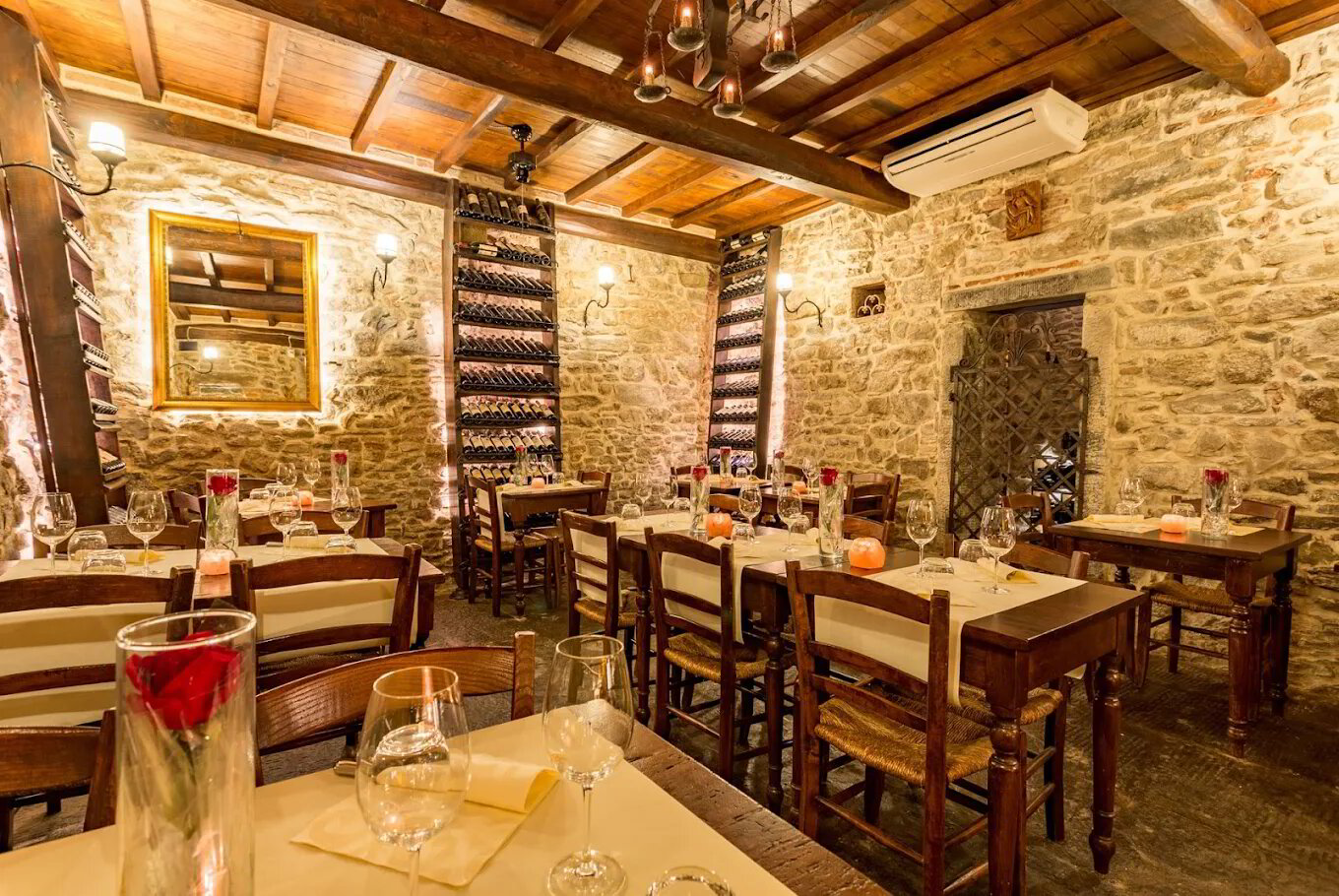
Arezzo, a historic city in the heart of Tuscany, offers students a vibrant culinary scene that balances traditional flavors with budget-friendly pricing. By focusing on osterie, paninoteche, and street food spots located near the University of Siena’s Arezzo campus and the city center, students can enjoy authentic Italian meals without exceeding their monthly living stipends.
Understanding the Arezzo Dining Landscape for Students
Arezzo is not a city of tourist traps, but it does have a distinct split between formal, high-end dining and casual, accessible fare. For a student, the challenge is navigating the city’s geography. The historic center (Centro Storico) is situated on a hill, where most affordable quick-service spots are tucked into narrow alleys. As of 2026, the local dining economy remains heavily influenced by the "student schedule," meaning that the best value is found during lunch hours or via takeaway options that avoid the service charges (coperto) applied at sit-down dinner services.
To eat well in Arezzo on a student budget, one must understand the local culture of the merenda (afternoon snack) and the aperitivo. Rather than relying on expensive three-course meals, students often find the highest value by engaging in the local practice of late-afternoon social eating, where a drink purchase often provides access to a buffet of light snacks, effectively serving as a dinner substitute.
Strategizing Your Dining Budget
Living in Italy requires careful financial management, particularly when dining out. In Arezzo, the cost of a full dinner at a restaurant can quickly escalate due to the coperto—a fixed cover charge per person that covers bread, service, and table maintenance. This charge is legally permitted in Italy and is standard across most establishments.
To maximize your budget:
- Prioritize the "Menu del Giorno": Look for lunch menus that offer a primo (pasta) or secondo (meat/fish) with a side for a fixed price.
- Utilize Paninoteche: Sandwiches in Arezzo are not merely snacks; they are substantial, often prepared with high-quality local ingredients like finocchiona (fennel salami) or pecorino cheese.
- Avoid Prime Piazza Seating: Restaurants located directly on the main piazzas often command higher prices due to the view. Walking just two or three blocks into the side streets can reduce your bill by 20% to 30%.
- Tap Water is Standard: Unless you specifically request bottled water (acqua naturale or frizzante), it is perfectly acceptable and expected to ask for acqua del rubinetto (tap water), which is free of charge and high quality in the Tuscan region.
Recommended Dining Categories for Students
The following breakdown classifies where to find the best value-to-quality ratio in Arezzo.
1. The Paninoteca Experience
This is the cornerstone of student dining. Establishments specializing in panini offer the most flexibility for those between lectures. These spots focus on local ingredients like fresh schiacciata bread, which is thinner and crunchier than standard focaccia. The speed of service makes these ideal for students with limited gaps in their academic schedule.
2. The Pizzeria al Taglio
Unlike a sit-down pizzeria where you order a whole pie, pizzeria al taglio allows you to pay by weight. You select the amount of pizza you want, making it one of the most cost-effective ways to sample different toppings without committing to a full meal price.
3. Student-Friendly Osterie
While ristorante implies a more formal and expensive experience, an osteria is traditionally a more relaxed tavern environment. Many osterie in Arezzo have been family-run for generations and offer daily specials based on local seasonal produce. These are the best locations for experiencing traditional Tuscan dishes like pappa al pomodoro or ribollita at a price point that respects a student's reality.
Comparison of Dining Types in Arezzo
| Dining Category | Price Range | Best For | Speed of Service |
|---|---|---|---|
| Paninoteca | €5 - €10 | Quick lunch / Study break | Very Fast |
| Pizzeria al Taglio | €4 - €9 | On-the-go snack/meal | Immediate |
| Osteria | €15 - €25 | Social dinner / Local culture | Moderate |
| Pasticceria | €3 - €7 | Breakfast / Mid-morning coffee | Fast |
Essential Vocabulary for the Student Diner
Knowing a few key terms can help you navigate menus and communicate effectively with staff, ensuring you avoid misunderstandings regarding pricing and ingredients.
- Coperto: The mandatory service fee mentioned earlier. Always check the bottom of the menu for the price per person.
- Menu Fisso: A fixed-price menu, typically offered at lunch, which includes a dish, a drink, and sometimes coffee.
- Senza Glutine: Essential if you have dietary restrictions; most Arezzo establishments are well-versed in gluten-free requirements due to Italian health regulations.
- Conto: The check. If you are in a rush, you can ask for the conto when you finish your meal.
- Acqua Naturale/Gassata: Still or sparkling water.
Exploring Local Specialties on a Budget
One of the primary benefits of being a student in Arezzo is the access to high-quality regional food. You do not need to dine at the most expensive establishment to eat well. Focus on seasonal ingredients:
- Autumn: Look for dishes featuring mushrooms and truffles.
- Winter: Hearty vegetable soups like ribollita are filling and affordable.
- Spring: Fresh pecorino and seasonal greens dominate the menus.
By choosing these seasonal dishes, you are not only eating in harmony with the local agricultural cycle, but you are also choosing the ingredients that are most abundant and therefore cheapest for the restaurant to source, which often keeps the prices lower on the menu.
Navigating Dietary Restrictions and Requirements
In 2026, food labeling laws in Italy remain stringent. All establishments are required by law to provide allergen information upon request. If you have specific requirements, such as vegetarian, vegan, or lactose-free preferences, do not hesitate to ask the waitstaff. "Sono vegetariano/a" (I am vegetarian) or "Avete opzioni senza lattosio?" (Do you have lactose-free options?) are phrases that are universally understood and respected in the local culinary culture.
Common Mistakes to Avoid
- Ordering Cappuccino After a Meal: Italians traditionally consume milk-based coffee only in the morning. Ordering it after dinner may result in puzzled looks from the staff, though it is not "forbidden."
- Tipping Excessively: Unlike in the United States, tipping is not mandatory in Italy. While it is kind to round up the bill or leave a euro or two for exceptional service, it is never expected to provide a 15-20% tip.
- Requesting "To-Go" for Fine Dining: If you sit down at an osteria for a full meal, it is generally considered unusual to ask for a "doggy bag." Keep the takeaway mindset for casual eateries only.
Frequently Asked Questions
Are there specific student discounts available in Arezzo restaurants? While few restaurants advertise "student discounts" explicitly, some establishments near the University campus offer student-specific lunch deals. Always carry your student ID and politely ask, "Avete uno sconto per studenti?" (Do you have a student discount?). Even if the answer is no, it is a common inquiry.
Is it cheaper to eat at the university canteen or in the city? The university canteen (mensa) is undoubtedly the cheapest option. However, for those seeking variety and social interaction, the city center’s paninoteche provide a high-quality alternative that is only slightly more expensive but significantly more immersive for a student experience.
What is the best time of day to eat for the lowest prices? Lunch is consistently cheaper than dinner. Many restaurants offer a menu del giorno at lunch that is significantly more affordable than the a la carte options available during the evening service.
Can I find healthy food on a student budget? Yes. Because Tuscan cuisine relies heavily on fresh vegetables, legumes, and olive oil, many of the most affordable dishes (like bean soups or vegetable-based pasta) are inherently healthy. Focus on contorni (side dishes) like roasted vegetables or salads to supplement your main course.
Is it acceptable to study in a cafe for a long time? In smaller cafes, this is frowned upon if you only buy one coffee. If you intend to stay for an hour or more to study, purchase a second drink or a snack to respect the business owner’s space, especially during peak hours.
Recommendation for New Students
For your first week in Arezzo, I recommend exploring the area around Piazza Grande. While it is the heart of the city, there are several small shops in the adjacent streets that sell high-quality schiacciata sandwiches. Use these as your baseline for a quick, affordable, and delicious meal. Once you have settled in, venture into the side streets off the main tourist paths to find your personal favorite osteria for those nights when you want a longer, more relaxing dining experience. Always keep a few euros in cash, as some smaller, highly authentic spots may have minimums for card payments or prefer cash for small transactions.