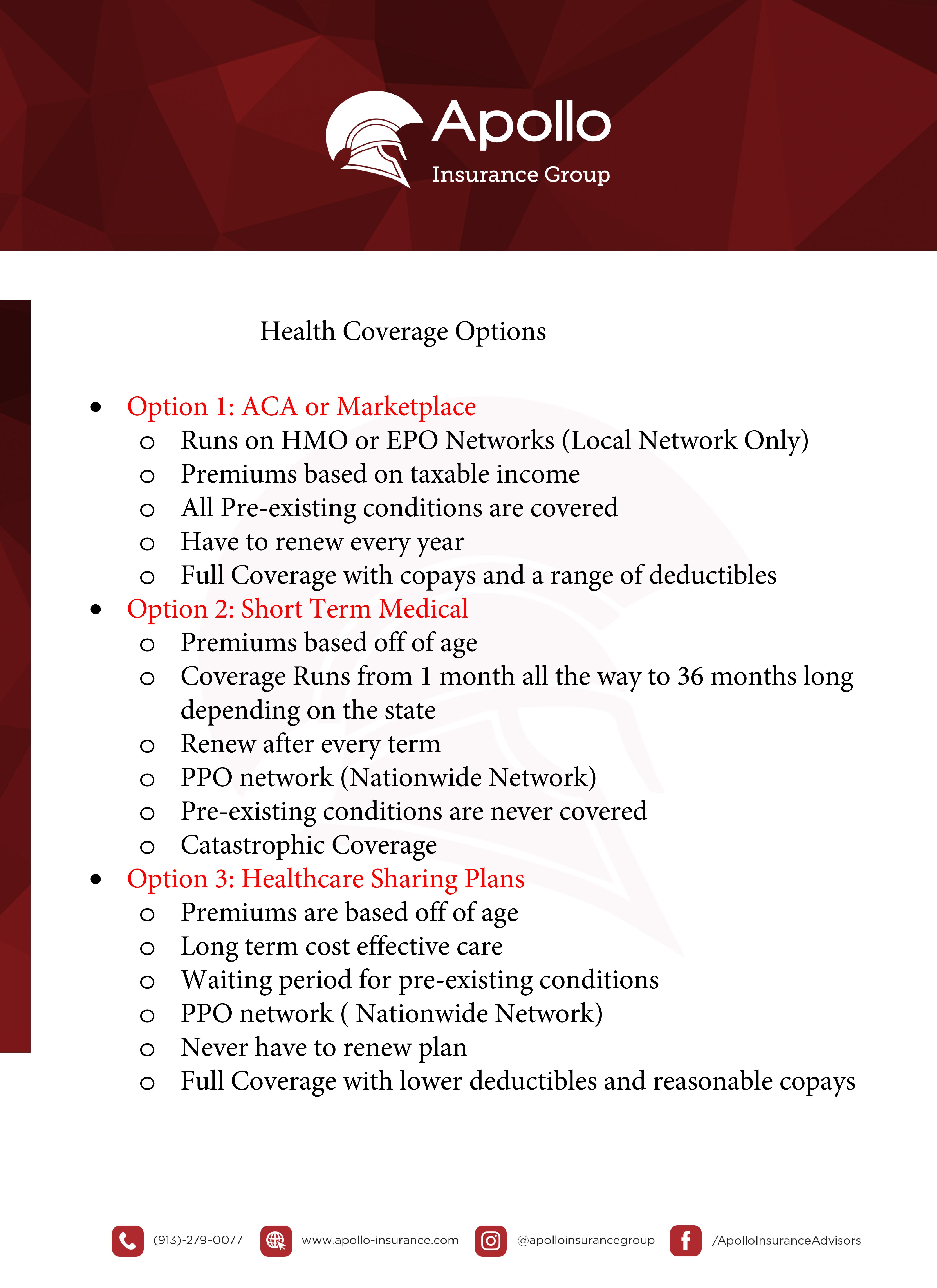
There is no licensed life insurer operating under the name "Apollo Life Insurance" in India. Consumers searching for this entity are usually seeking Apollo Munich Health Insurance—which was acquired by HDFC and merged into HDFC ERGO General Insurance—or Apollo Life, a corporate wellness initiative by Apollo Hospitals. To secure life cover in India, buyers must purchase term or investment-linked policies from IRDAI-registered life insurance companies.
The Reality of "Apollo Life Insurance" in India: Fact vs. Brand Misconceptions
When searching for "Apollo Life Insurance India," consumers frequently encounter confusion arising from overlapping brand names in the healthcare and financial services sectors. The Insurance Regulatory and Development Authority of India (IRDAI) strictly categorizes insurance entities into distinct licenses: Life Insurance, General Insurance, and Standalone Health Insurance. Under Indian insurance regulations, a corporate entity cannot issue life insurance contracts without a specific life insurance license granted by the regulator under the Insurance Act, 1938.
The brand name "Apollo" has a prominent presence in Indian healthcare through Apollo Hospitals Enterprise Limited. However, the corporate group never established a standalone life insurance company. Instead, the market association stems from two separate historical and operational entities:
- Apollo Munich Health Insurance Company Limited: A former joint venture between the Apollo Hospitals Group and Germany's Munich Health. This company operated exclusively in the health insurance sector (providing indemnity cover for hospitalization, critical illness, and personal accident), not life insurance.
- Apollo Life (Apollo Health Street / Apollo Hospitals Wellness Division): A health management and corporate wellness platform designed to provide lifestyle management, preventive health checkups, occupational health services, and digital wellness tracking. It does not underwrite financial life risk or pay death benefits.
To obtain life coverage in India—such as pure term insurance, Unit Linked Insurance Plans (ULIPs), or endowment policies—policyholders must engage with IRDAI-registered life insurers such as Life Insurance Corporation of India (LIC), HDFC Life, ICICI Prudential Life, SBI Life, or Max Life.
History and Evolution of Apollo’s Insurance Footprint
Understanding how Apollo's presence in the Indian insurance ecosystem evolved helps clarify why the search term remains prevalent despite the absence of a dedicated life insurance entity.
- Apollo Hospitals Group Insurance History
- 2007: Apollo DKV Insurance Co. Ltd. formed (Joint Venture)
- 2009: Rebranded to Apollo Munich Health Insurance Co. Ltd.
- 2019-2020: Acquired by HDFC Ltd.; Merged into HDFC ERGO Health
- 2020-Present: Fully integrated into HDFC ERGO General Insurance
The Launch of Apollo Munich Health Insurance
In 2007, Apollo Hospitals partnered with DKV AG (part of Munich Re) to form Apollo DKV Insurance Company Limited, which was later rebranded in 2009 as Apollo Munich Health Insurance. Over more than a decade, Apollo Munich introduced popular health insurance products into the Indian retail market, including the Optima Restore and Easy Health plans. Because these plans covered severe medical conditions and critical illnesses, consumers occasionally confused them with life insurance protection.
Acquisition by HDFC ERGO
In 2019, Housing Development Finance Corporation (HDFC) Ltd. entered into an agreement to acquire the majority stake held by Apollo Hospitals Group in Apollo Munich Health Insurance. Following regulatory approvals from the IRDAI and the Competition Commission of India (CCI), the entity was renamed HDFC ERGO Health Insurance Limited and subsequently merged completely into HDFC ERGO General Insurance Company Limited.
By late 2020, the Apollo Munich brand was fully phased out. Policyholders who held original Apollo Munich health policies were integrated into HDFC ERGO’s platform, with policy numbers, renewal continuity benefits, and cumulative bonuses preserved under IRDAI guidelines.
What Happened to Existing Apollo Munich Policyholders?
For policyholders holding old Apollo Munich health plans, IRDAI regulations ensured full continuity of rights:
- Waiting Period Credit: Pre-existing disease (PED) waiting periods accumulated under Apollo Munich policies were transferred without loss of credit to HDFC ERGO.
- Cumulative Bonus: No-claim bonuses accrued under plans like Optima Restore remained intact upon policy renewal.
- Portability Options: Policyholders retained the right under IRDAI portability norms to transfer their health coverage to any other standalone health insurer or general insurer registered in India.
Understanding "Apollo Life": The Wellness and Healthcare Platform
While "Apollo Life Insurance" as a legal financial contract does not exist, Apollo Life exists as an active organization within the Apollo Hospitals Group. It operates as an integrated health and wellness service provider rather than a risk-underwriting insurance carrier.
Services Offered by Apollo Life
Apollo Life focuses on preventive healthcare, occupational health, and lifestyle management for individuals and corporate clients. Its core services include:
- Corporate Wellness Programs: Designing employee health risk assessments (HRA), occupational health centers, and workplace ergonomic evaluations.
- Preventive Health Checkups: Standardized diagnostic packages offered through the network of Apollo Hospitals and Apollo Diagnostics clinics.
- Digital Wellness Portals: App-based tracking for exercise, nutrition, chronic disease management (such as diabetes and hypertension), and mental health counseling.
- Health Risk Assessments: Analytical evaluations that calculate an individual's wellness score and potential long-term medical risks.
Unlike a life insurance plan, which pays a contractual sum assured to designated beneficiaries upon the death of the insured person, Apollo Life provides direct clinical, diagnostic, and preventative healthcare services.
Key Differences: Health Insurance, Life Insurance, and Wellness Platforms
To avoid purchasing the wrong policy, consumers must understand the legal, functional, and tax distinctions between life insurance contracts, health insurance coverage, and wellness management services in India.
| Comparison Parameter | Life Insurance | Health Insurance (formerly Apollo Munich / HDFC ERGO) | Wellness Platforms (e.g., Apollo Life) |
|---|---|---|---|
| Primary Regulatory Body | IRDAI (Life Insurance Council) | IRDAI (General / Health Council) | Ministry of Corporate Affairs / Health Authorities |
| Core Purpose | Financial protection against death or financial loss; long-term wealth creation | Indemnity for medical expenses, hospitalization, and treatments | Preventive health maintenance, health risk assessment, diagnostic checks |
| Payout Trigger | Death of the life insured, or policy maturity (for savings/endowment/ULIP plans) | Incurring admissible hospital expenses, surgery, or critical illness treatment | Direct service delivery; no financial claim cash payouts |
| Tax Benefits (India) | Premium deductible under Section 80C; claim payout tax-free under Section 10(10D) | Premium deductible under Section 80D | Health checkup deduction up to ₹5,000 within Section 80D limit |
| Key Product Types | Term Life, Whole Life, ULIP, Endowment, Pension Plans | Individual Health, Family Floater, Critical Illness, Top-Up | Executive Checkups, Corporate Wellness Programs, Gym/App Subscriptions |
| Primary Providers in India | LIC, HDFC Life, ICICI Prudential, SBI Life, Max Life, etc. | HDFC ERGO, Star Health, Care Health, Niva Bupa, Aditya Birla Health | Apollo Life, Wellness360, HealthifyMe, Hospital Wellness Divisions |
How to Choose the Right Life and Health Insurance in India
Navigating the Indian insurance market requires a structured, multi-tier strategy. Because medical emergencies and premature death represent fundamentally different financial risks, sound financial planning involves securing both a standalone health insurance policy and a dedicated life insurance plan.
- Comprehensive Risk Protection
- Health Protection (Hospital Expenses)
- Comprehensive Plan
- No-Claim Bonus
- Critical Illness
- Sec. 80D Tax Relief
- Life Protection (Mortality Risk)
- Pure Term Insurance
- 10x-20x Annual Income
- Riders (WOP, ADB)
- Sec. 80C Tax Relief
- Health Protection (Hospital Expenses)
Step 1: Establish Your Life Insurance Needs
Life insurance provides financial security for dependents in the event of the primary earner's death. When evaluating life insurance options in India:
- Prioritize Pure Term Insurance: Term insurance offers the highest sum assured for the lowest premium cost. It does not mix investment returns with protection, making it the most efficient mechanism for pure risk transfer.
- Calculate Adequate Cover: As a baseline rule of thumb, secure a sum assured equal to at least 10 to 20 times your annual gross income, plus outstanding debts (such as home loans) and future inflation-adjusted milestones (such as higher education costs for children).
- Check Insurer Metrics: Examine the insurer's Claim Settlement Ratio (CSR) and Solvency Ratio. The IRDAI mandate requires insurers to maintain a minimum solvency ratio of 1.50 to ensure financial stability.
- Select Appropriate Riders: Enhance basic term coverage with optional add-on riders such as Accidental Death Benefit, Critical Illness Rider, and Waiver of Premium (WOP) Rider.
Step 2: Establish Your Health Insurance Coverage
Health insurance protects family savings from being depleted by sudden medical costs. When choosing a health insurer (such as HDFC ERGO, Star Health, Care Health, or Niva Bupa):
- Select Family Floater vs. Individual Cover: Family floater policies share a single sum insured across all family members, which is cost-effective for young families. Individual policies are better suited for senior citizens or family members with known chronic conditions.
- Review Co-payment and Sub-limits: Ensure the policy does not impose high compulsory co-payments or restrictive room-rent caps, which lead to significant out-of-pocket expenses during hospital stays.
- Verify Hospital Network Availability: Check whether major hospital chains—including network institutions like Apollo Hospitals, Fortis, or Max Healthcare—are listed under the insurer's cashless settlement network.
- Examine Pre-existing Disease (PED) Waiting Periods: Standard health policies impose a waiting period ranging from 12 to 36 months for pre-existing conditions like hypertension, thyroid disorders, or diabetes.
Step 3: Optimize Income Tax Deductions Correctly
Indian tax laws differentiate between life and health insurance premiums under the Income Tax Act, 1961:
- Section 80C (Life Insurance): Premiums paid for life insurance policies covering self, spouse, or children qualify for tax deductions up to a maximum limit of ₹1,500,000 per financial year (under the Old Tax Regime). For policies issued after April 1, 2012, the annual premium must not exceed 10% of the total sum assured to qualify for the full deduction.
- Section 80D (Health Insurance): Deductions for health insurance premiums are available under the Old Tax Regime:
- Self, Spouse, and Dependent Children: Up to ₹25,000 per year (increased to ₹50,000 if the taxpayer is a senior citizen aged 60 or above).
- Parents: An additional deduction of up to ₹25,000 (or ₹50,000 if parents are senior citizens).
- Preventive Health Checkup: Up to ₹5,000 can be claimed for preventive health checkups within the overall Section 80D limit. Services like Apollo Life checkups fit under this deduction when backed by proper payment receipts.
Navigating Regulatory Frameworks and Consumer Protections in India
The regulatory framework managed by the IRDAI protects insurance consumers in India through strict operational rules, mandatory disclosures, and structured dispute-resolution systems.
Policyholder Rights Under IRDAI Regulations
- Free-Look Period: Every new life or health insurance policy issued in India comes with a mandatory free-look period (typically 15 days for offline policies and 30 days for policies purchased electronically). During this period, policyholders can review the terms and conditions and return the policy for a refund if unsatisfied, minus proportioned risk premium and medical examination expenses.
- Health Insurance Portability: Under IRDAI portability guidelines, policyholders can transfer their health insurance coverage from one insurer to another without losing credit for waiting periods and pre-existing disease coverage accrued with the previous provider.
- Grace Period for Premium Payment: Life and health insurance policies offer a grace period (usually 30 days for annual, semi-annual, and quarterly payment frequencies, and 15 days for monthly payments) to pay overdue premiums without policy lapse.
- IRDAI Grievance Redressal Mechanism
- Step 1: Contact Insurer's Internal Grievance Redressal Officer
- Step 2: Escalate to IRDAI Bima Bharosa Portal (bimabharosa.irdai.gov.in)
- Step 3: Approach Insurance Ombudsman / Consumer Dispute Redressal
Dispute Resolution and Grievance Redressal
If an insurer improperly delays, denies, or mismanages a claim:
- Approach the Insurer's Grievance Redressal Officer (GRO): Submit a formal written complaint with supporting documentation. The insurer is required to acknowledge the complaint and resolve it within specified timeframes.
- Escalate to Bima Bharosa: If the insurer fails to respond within 15 days or provides an unsatisfactory resolution, file an online complaint on the IRDAI's Bima Bharosa Portal.
- File a Complaint with the Insurance Ombudsman: For claims up to ₹50 lakh, policyholders can approach the territorial Insurance Ombudsman office. Ombudsman proceedings are informal, cost-free for consumers, and legal representation by advocates is not required.
Common Mistakes to Avoid When Searching for Insurance Cover
- Confusing Health Insurance with Life Insurance: Purchasing a health insurance policy (such as a critical illness plan or comprehensive health cover) does not replace term life insurance. Health insurance covers treatment bills during life, whereas life insurance provides capital to surviving dependents after death.
- Assuming "Apollo" Offers Direct Life Coverage: Searching for "Apollo life insurance policies" often leads to unverified third-party financial sites that misrepresent health plans as life cover. Verify all insurance companies against the official IRDAI list of licensed life insurers before paying any premium.
- Hiding Pre-existing Medical Conditions: Under the legal principle of Uberrimae Fidei (Utmost Good Faith), insurance contracts require full disclosure of tobacco use, pre-existing health conditions, and family medical histories. Non-disclosure can lead to claim rejection during critical emergencies.
- Ignoring Exclusions and Sub-limits: Ensure you review the fine print for specific policy exclusions, such as non-payable hospital items, specific disease waiting periods, and room rent capping.
Frequently Asked Questions (FAQs)
Does Apollo Hospitals sell life insurance policies in India?
No. Apollo Hospitals Enterprise Limited is a healthcare provider that offers clinical services, diagnostic facilities, and corporate wellness through platforms like Apollo Life. It does not underwrite life insurance policies. Life insurance in India is provided strictly by IRDAI-licensed life insurance companies.
What happened to my old Apollo Munich Health Insurance policy?
Apollo Munich Health Insurance was acquired by HDFC and merged into HDFC ERGO General Insurance Company Limited. If you held an Apollo Munich policy, it remains valid under HDFC ERGO. Renewal benefits, pre-existing disease waiting period credits, and accumulated bonuses carry over seamlessly according to IRDAI rules.
Can I claim tax deductions under Section 80C for Apollo Life checkups?
No. Payments made for diagnostic checkups, corporate wellness packages, or health checkups through Apollo Life do not fall under Section 80C. Preventive health checkup expenses can be claimed up to ₹5,000 under Section 80D of the Income Tax Act, 1961, subject to overall eligibility limits.
How do I purchase a genuine term life insurance policy in India?
To purchase pure life cover, research life insurance carriers registered with the IRDAI (such as LIC, HDFC Life, ICICI Prudential, SBI Life, or Max Life). Compare sum assured options, policy terms, claim settlement ratios, and rider add-ons through official insurer websites or registered insurance brokers.
Is cashless hospitalization available at Apollo Hospitals across all health insurance policies?
Most major health insurance providers in India maintain network agreements with Apollo Hospitals for cashless treatment, provided the policyholder's insurance company includes the specific Apollo facility in its cashless provider network. Policyholders must present their health insurance e-card at the hospital's TPA (Third Party Administrator) desk prior to or during admission.
Final Recommendation and Next Actions
If you are looking to secure financial protection under the belief that "Apollo Life Insurance" is an available product, adjust your approach based on your specific goal:
- If you need financial security for your family in case of premature death: Apply for a pure term life insurance plan directly through an IRDAI-registered Life Insurer (such as LIC, HDFC Life, ICICI Prudential Life, SBI Life, or Max Life).
- If you need indemnity for hospital bills and medical care: Evaluate health insurance policies offered by standalone health insurers or general insurance providers (including HDFC ERGO, which manages former Apollo Munich policies, Star Health, or Care Health Insurance).
- If you are seeking health checkups or corporate wellness services: Utilize the preventive healthcare and lifestyle packages offered directly through Apollo Life or Apollo Hospitals clinics.
Verify all insurance offerings on the official IRDAI Website to confirm that the issuing entity holds a valid insurance license before making premium payments.