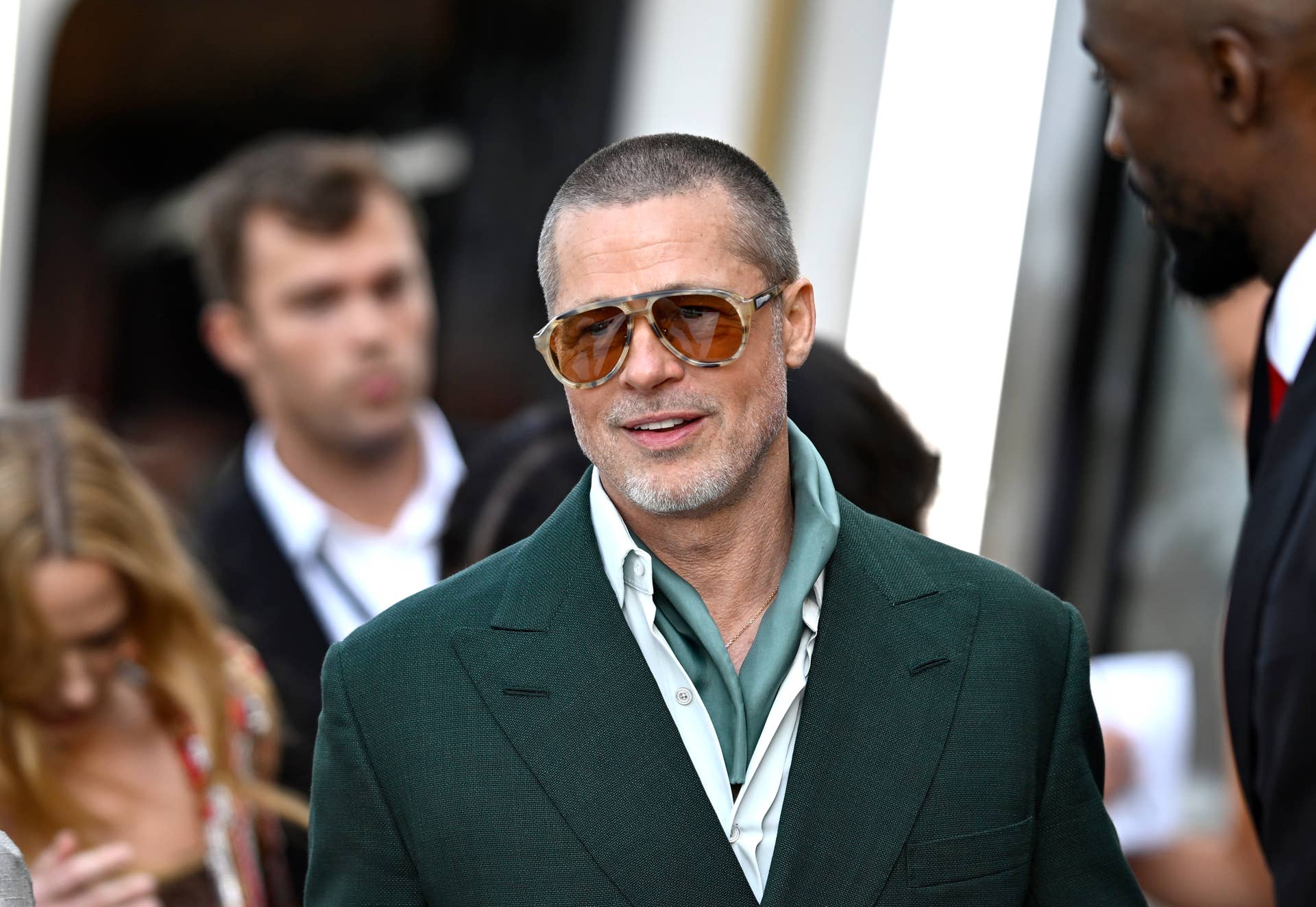
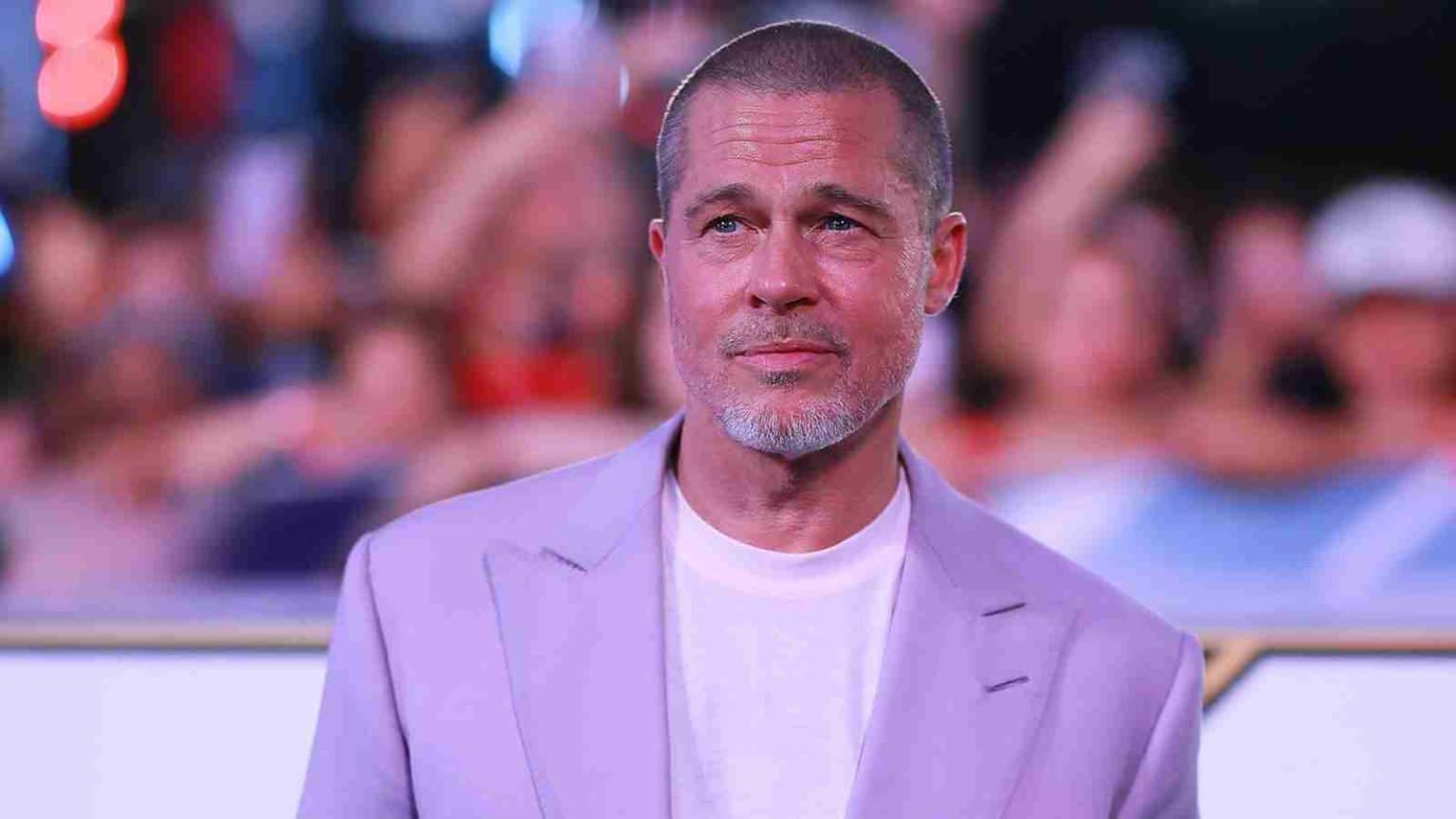
As of 2026, the estimated net worth of Brad Pitt stands at approximately $450 million, driven by high-value film salaries, the success of Plan B Entertainment, and a vast real estate portfolio. In contrast, Anthony Michael Hall maintains a net worth of roughly $10 million, stemming from his iconic 1980s film roles, a successful six-season run on television, and consistent character work in modern cinema.
The disparity between these two figures highlights the different financial trajectories available within Hollywood: the global "A-list" mogul versus the enduring, successful character actor. While both actors share a history as household names—particularly during the 1980s—their business models and career pivots have led to significantly different levels of wealth accumulation.
The Financial Trajectory of Anthony Michael Hall
Anthony Michael Hall remains one of the most recognizable faces of the "Brat Pack" era. His wealth is a product of early superstardom followed by a disciplined transition into television and character acting.
The Foundation: The John Hughes Era
During the mid-1980s, Hall was the quintessential "geek" of American cinema. His roles in Sixteen Candles (1984), The Breakfast Club (1985), and Weird Science (1985) were not just culturally significant; they were commercially lucrative for the time. While teen stars in the 80s did not command the $20 million salaries seen in the 2000s, these roles established Hall's market value and ensured a lifetime of residual income.
The longevity of these films in syndication and digital streaming provides a steady, albeit modest, "mailbox money" stream that contributes to his 2026 valuation. His brief tenure on Saturday Night Live (1985–1986) also added to his early career earnings, making him the youngest cast member in the show's history.
The Television Pivot: The Dead Zone
The most significant contributor to Hall’s multi-million dollar net worth is arguably his starring role in the USA Network series The Dead Zone (2002–2007). Unlike many of his peers who struggled to transition out of teen roles, Hall reinvented himself as a leading man in television.
As the lead actor and a producer on the show, Hall earned substantial per-episode fees and a share of the profits. With 81 episodes produced, the series provided the financial stability that allowed him to be selective with future projects. The show’s international syndication rights continue to bolster his financial standing in 2026.
Modern Character Acting and Voice Work
In the 2010s and 2020s, Hall transitioned into high-profile supporting roles. His appearance in The Dark Knight (2008), Foxcatcher (2014), and Halloween Kills (2021) demonstrates his ability to remain relevant in major franchise films. These roles, combined with his work in series like The Goldbergs and Bosch: Legacy, ensure a consistent inflow of cash that offsets the natural fluctuations of a long-term acting career.
The Financial Empire of Brad Pitt
Brad Pitt’s $450 million net worth is not merely the result of acting; it is the result of a sophisticated diversification strategy involving production, real estate, and luxury goods.
Top-Tier Acting Salaries
For over three decades, Pitt has been one of the few actors capable of commanding "20/20" deals—$20 million upfront against 20% of the backend profits. Even as the industry moved toward streaming models, Pitt secured massive payouts, such as the reported $30 million for his role in the Formula 1 film Apex (released 2025/2026). His consistent presence in both commercial blockbusters and prestige films ensures that his "per-project" value remains at the ceiling of the industry.
Plan B Entertainment: The Wealth Multiplier
The most critical factor in Pitt's wealth is Plan B Entertainment. Founded alongside Jennifer Aniston and Brad Grey, Pitt eventually took full control of the company. Plan B is a powerhouse in Hollywood, producing Academy Award-winning films like The Departed, 12 Years a Slave, and Moonlight.
In late 2022, Pitt sold a 60% majority stake in Plan B to the French media conglomerate Mediawan. The deal valued the company in the hundreds of millions, providing Pitt with a massive liquidity event. This sale alone significantly elevated his net worth above his peers who rely solely on acting fees.
Real Estate and Overseas Assets
Pitt’s wealth is also tied to a massive global real estate portfolio. His holdings have historically included:
- The Los Feliz Compound: A multi-structure estate in Los Angeles sold for approximately $39 million in 2023.
- Carmel Highlands Estate: A historic $40 million property on the California coast.
- Château Miraval: A French vineyard and estate valued at over $160 million. While this asset has been the subject of intense legal disputes with former partner Angelina Jolie, its appreciation in value remains a core component of his gross asset calculation in 2026.
Comparison of Net Worth Drivers
The following table summarizes the primary sources of wealth for both actors as they stand in 2026.
| Wealth Metric | Anthony Michael Hall | Brad Pitt |
|---|---|---|
| Estimated Net Worth | $10 Million | $450 Million |
| Primary Income Source | TV Lead Roles & Character Acting | Production Company Sale & A-List Salaries |
| Key Asset | Residuals from 80s Classics & The Dead Zone | Plan B Entertainment (60% Stake Sold) |
| Real Estate Strategy | Personal Residential Assets | High-Value Commercial/Historical Holdings |
| Production Involvement | Executive Producer (The Dead Zone) | Mogul-Level Production (Plan B) |
| Annual Earnings (Avg) | $500,000 - $1.5 Million | $30 Million - $50 Million |
Strategic Diversification: Why the Gap Is So Wide
The $440 million difference between Hall and Pitt is a case study in equity versus labor.
Anthony Michael Hall has primarily functioned as a highly skilled laborer in the film industry. His income is tied to his presence on set. While he has earned producer credits, his financial model is built on "working for a living" at a very high level. This results in a stable, comfortable multi-millionaire status that is typical for successful, long-term actors who do not cross over into major corporate ownership.
Brad Pitt, conversely, transitioned from a laborer (actor) to a business owner (producer) early in his career. By owning the production company, he benefited from the profits of films he did not even appear in. Furthermore, Pitt’s brand name allows for lucrative endorsement deals (such as Chanel and De'Longhi) and luxury ventures (the Miraval Rosé wine brand and his skincare line, Le Domaine). In 2026, Pitt functions more as a brand and a venture capitalist than a traditional actor.
Legal and Market Factors Influencing 2026 Figures
By 2026, several factors have stabilized these figures. For Hall, the steady market for 80s nostalgia has kept his convention appearance fees and autograph signings high, a common revenue stream for former teen stars that can generate six-figure annual sums outside of traditional acting.
For Pitt, the 2026 figure accounts for the resolution of several high-profile legal battles regarding his French estate and the final payouts from the Plan B sale. The fluctuations in his net worth are more sensitive to the global luxury real estate market and the valuation of media companies than the box office performance of a single film.
Common Pitfalls in Estimating Celebrity Wealth
It is important to distinguish between "gross career earnings" and "current net worth." While Brad Pitt has likely earned over $800 million throughout his career, taxes, agent fees (typically 10%), manager fees (10%), legal costs, and high-profile divorces significantly reduce the final figure.
In Hall’s case, his wealth is more liquid and less tied to complex corporate structures, making his $10 million figure a more direct representation of his accumulated savings and personal property. For both actors, these figures exclude undisclosed private investments in the stock market or private equity, which are standard for individuals at these wealth tiers.
Frequently Asked Questions
Did Anthony Michael Hall lose money after his 80s peak?
No, there is no evidence of significant financial loss. While his career went through a quieter period in the early 90s, his transition to television with The Dead Zone in the early 2000s actually provided him with a more consistent and higher total income than his early film roles.
How much did Brad Pitt make from the sale of Plan B?
While the exact terms remained private, industry analysts estimated the deal valued Plan B at roughly $300 million to $500 million. As the majority owner, Pitt’s 2022 sale of a 60% stake likely resulted in a pre-tax windfall of over $150 million, which is a primary reason his 2026 net worth is so high.
Are residuals a significant part of their 2026 net worth?
For Anthony Michael Hall, yes. The Breakfast Club and Sixteen Candles are staples of cable TV and streaming platforms like Netflix and Max. For Brad Pitt, residuals are less impactful relative to his total wealth, as his income is dominated by production profits and high-end investments.
Does Brad Pitt's skincare line contribute to his net worth?
Yes, Le Domaine, his gender-neutral skincare line launched in late 2022, has grown into a successful luxury brand by 2026. While not as large as his film interests, it contributes to his diversified income stream, similar to how other A-list celebrities have used "celebrity-branded" goods to increase their equity.
Has Anthony Michael Hall ever filed for bankruptcy?
No. Unlike some of his "Brat Pack" contemporaries who faced financial struggles, Hall has maintained a steady career for four decades, avoiding the common pitfalls of early fame through consistent work and managed spending.
Practical Recommendation for Observers
When comparing the net worth of "working actors" like Anthony Michael Hall to "mogul actors" like Brad Pitt, the key takeaway is the power of ownership. If you are looking to understand the mechanics of Hollywood wealth, focus on who owns the production credits and the IP (Intellectual Property). Hall represents the pinnacle of a successful career in front of the camera, while Pitt represents the financial ceiling of someone who controls the camera and the distribution behind it. For fans and researchers, looking at the "Producer" credits on IMDb is often a better indicator of true wealth than the "Actor" credits.