An annuity provider is a life insurance company licensed to issue and manage annuity contracts, which are financial products designed to provide guaranteed income over a set period or for life. Choosing the right provider in 2026 requires evaluating their long-term financial stability, product diversity, fee structures, and claims-paying ability to ensure your retirement capital remains secure for decades.
The Role of an Annuity Provider in Your Financial Strategy
An annuity provider does more than just hold your money; they act as a risk-management partner. When you purchase an annuity, you are essentially transferring the "longevity risk"—the risk of outliving your savings—to the insurance company. In exchange for your premium (either as a lump sum or through periodic payments), the provider legally commits to making future payments to you.
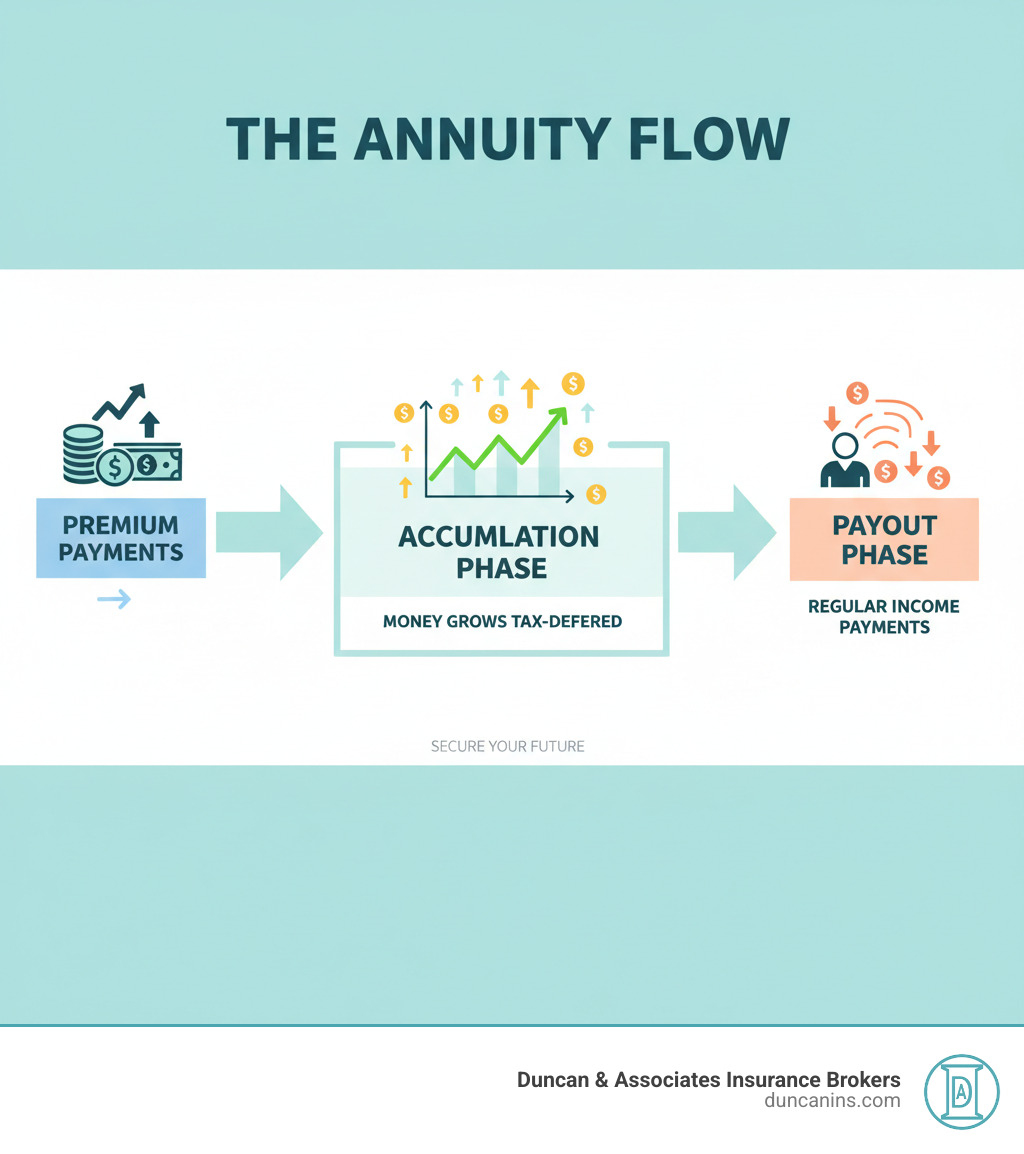
As of 2026, the market for annuity providers has evolved significantly. While traditional life insurance companies remain the dominant players, we see a more specialized landscape. Some providers focus exclusively on "buffered" products to protect against market volatility, while others specialize in immediate income streams for those already in retirement. The provider's role includes managing the underlying investment portfolio, ensuring regulatory compliance, and executing the "annuitization" phase where your assets are converted into a steady paycheck.
The relationship with an annuity provider is often a multi-decade commitment. If you purchase a deferred annuity at age 55, you may not start receiving payments until age 65, and those payments could continue until you are 95 or older. Therefore, the provider’s operational longevity and financial health are the most critical factors in your decision-making process.
Assessing Financial Strength and Ratings
Unlike bank deposits, which are backed by the Federal Deposit Insurance Corporation (FDIC), annuities are backed solely by the financial strength of the issuing insurance company. If a provider becomes insolvent, your principal and income are at risk, though state guaranty associations provide a limited safety net. This makes independent financial ratings the primary tool for evaluating an annuity provider.
The Four Major Rating Agencies
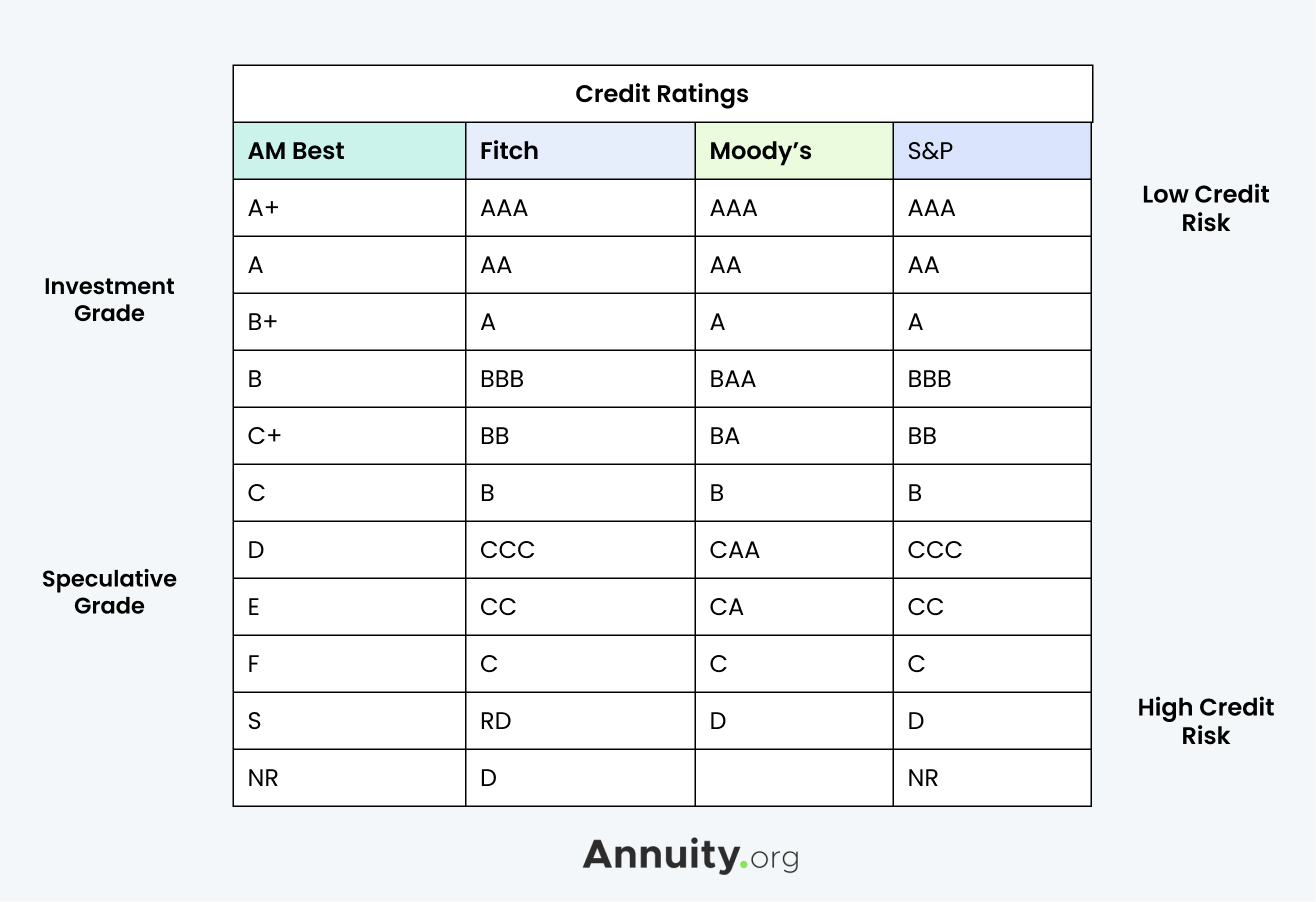
Financial analysts at major agencies scrutinize the balance sheets of insurance companies to assign a letter grade. In 2026, these ratings remain the gold standard for consumer protection:
- A.M. Best: This is the only agency that focuses exclusively on the insurance industry. An "A++" or "A+" rating indicates a superior ability to meet ongoing insurance obligations.
- Standard & Poor’s (S&P): S&P evaluates the overall creditworthiness of the provider. Ratings in the "AAA" to "AA" range are considered "Very Strong."
- Moody’s Investors Service: Moody's focuses on the provider's ability to pay senior policyholders and claims. Ratings of "Aaa" or "Aa" indicate minimal credit risk.
- Fitch Ratings: Fitch provides an additional layer of scrutiny, focusing on the provider's capital adequacy and debt levels.
The Comdex Score
Because each agency uses a slightly different scale (e.g., an "A" from S&P is different from an "A" from A.M. Best), many advisors use the Comdex Score. This is a composite ranking from 1 to 100 that averages the percentile rankings of all ratings a company has received. A Comdex score of 90 or higher generally indicates a provider is in the top 10% of all insurance companies regarding financial stability.
Types of Annuity Providers and Their Specializations
Not all annuity providers are created equal. In the 2026 landscape, providers often categorize themselves based on the type of risk they are willing to assume and the demographic they serve.
Mutual Companies vs. Stock Companies
- Mutual Insurance Companies: Owned by the policyholders. These providers may offer "participating" annuities that pay out dividends based on the company's performance. They are often perceived as having a longer-term, more conservative investment focus.
- Stock Insurance Companies: Owned by shareholders and traded on public exchanges. These providers are often more aggressive in product innovation and competitive pricing, though they must balance policyholder needs with shareholder profits.
Product-Specific Specialists
Certain providers dominate specific niches. For example, a provider might be the market leader in Single Premium Immediate Annuities (SPIAs) because they have a highly efficient mortality-pooling model, allowing them to offer higher monthly payouts. Other providers might specialize in Fixed Indexed Annuities (FIAs), offering complex "participation rates" and "caps" linked to market indices like the S&P 500 or specialized ESG (Environmental, Social, and Governance) indices which have gained massive popularity by 2026.
Fee Structures and Cost Transparency
A reputable annuity provider must be transparent about the costs associated with their contracts. In 2026, regulatory pressure has led to much clearer disclosure documents, but the underlying fee structures remain complex.
Common Expenses to Evaluate
- Mortality and Expense (M&E) Risk Charge: This covers the provider's cost of guaranteeing that you will receive payments for life, regardless of how long you live.
- Administrative Fees: These cover the cost of record-keeping, mailings, and online portal maintenance.
- Surrender Charges: Most providers impose a fee if you withdraw more than a certain percentage (usually 10%) of your money during the first several years of the contract. These charges typically scale down over 5 to 10 years.
- Rider Fees: If you add specialized benefits, such as a Guaranteed Minimum Withdrawal Benefit (GMWB) or a long-term care rider, the provider will charge an additional annual fee, often ranging from 0.25% to 1.5%.
When comparing providers, it is essential to look at the "net" return. A provider offering a 6% "teaser" rate with 3% in hidden annual fees is less beneficial than a provider offering a 4.5% rate with only 0.5% in fees.
Regulatory Oversight and Consumer Protection
In 2026, annuity providers operate under a dual-layer regulatory framework designed to prevent predatory sales practices and ensure solvency.
State Insurance Departments
The primary regulators of annuity providers are the state insurance commissioners. Each state has its own set of rules regarding how products can be sold and what disclosures are required. The National Association of Insurance Commissioners (NAIC) provides a centralized platform for consumers to check the licensing status of a provider and view "closed complaint" ratios.
Federal Regulation (SEC and FINRA)
While fixed annuities are generally regulated at the state level, variable annuities are classified as securities. Providers of these products must register them with the U.S. Securities and Exchange Commission (SEC) and follow the rules established by the Financial Industry Regulatory Authority (FINRA). This includes the "Best Interest" standard, which mandates that the provider and the selling agent must put the client's financial needs ahead of their own commissions.
State Guaranty Associations
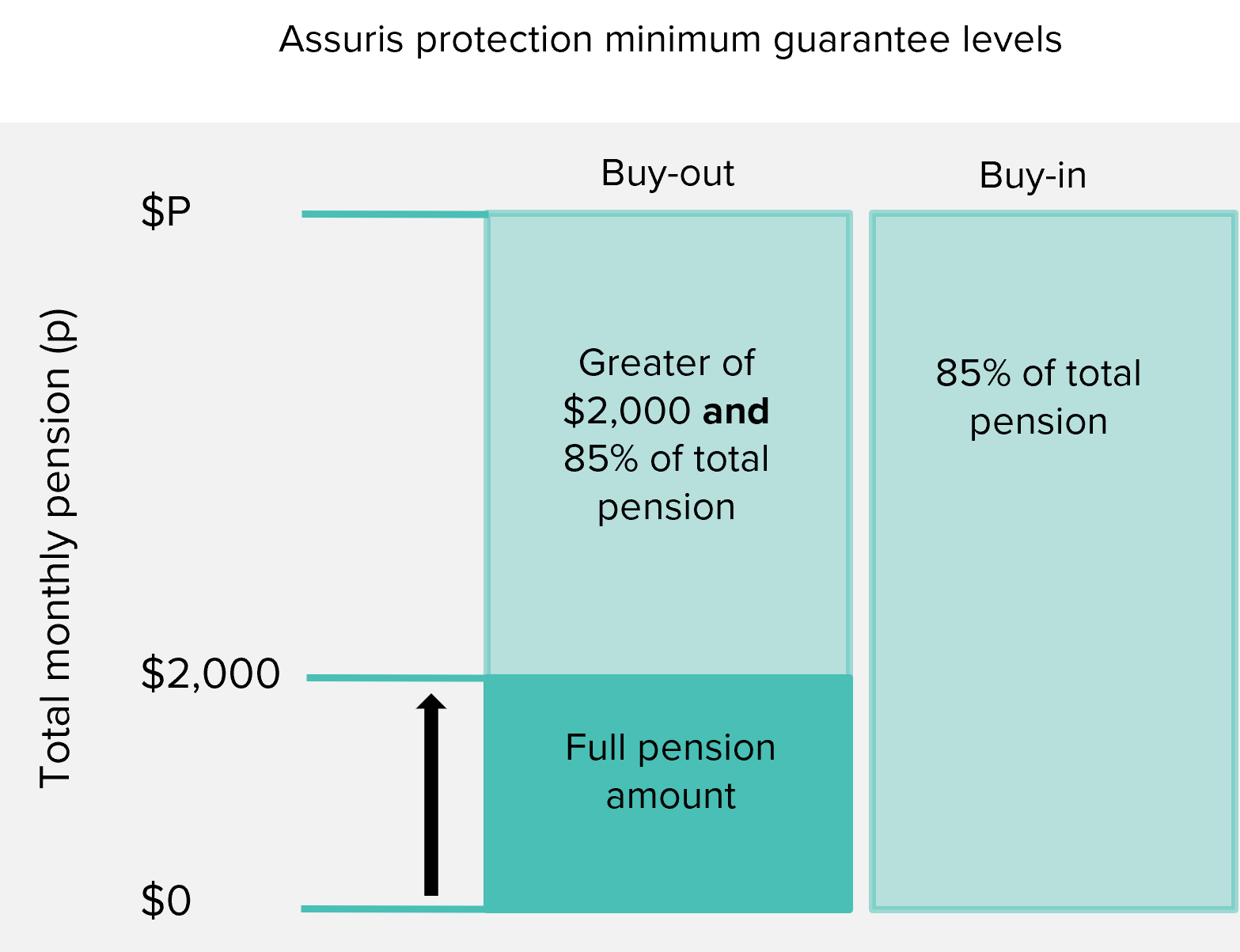
If an annuity provider fails, the National Organization of Life and Health Insurance Guaranty Associations (NOLHGA) coordinates a safety net. Each state has a guaranty fund that provides coverage, typically up to $250,000 or $300,000 in present value for annuity benefits. It is vital to know your state's specific limit, as high-net-worth individuals may need to spread their annuity purchases across multiple providers to stay within these protected limits.
Comparing Provider Categories in 2026
The following table compares the three primary categories of annuity providers currently operating in the market.
| Provider Category | Primary Focus | Ideal For | Pros | Cons |
|---|---|---|---|---|
| Traditional Giants | Diverse product suites; High ratings | Investors seeking maximum stability | High Comdex scores; Large capital reserves | Often have higher fees; Slower digital interfaces |
| Digital-First Firms | Low-cost, direct-to-consumer | Tech-savvy, fee-conscious investors | No-commission products; Instant online quotes | Limited rider options; Shorter track records |
| Boutique Specialists | High-yield indexed/variable options | Investors seeking market-linked growth | Innovative index crediting; High "caps" | May have lower credit ratings; Complex contracts |
Step-by-Step Process for Choosing an Annuity Provider
Selecting a provider is a process of elimination based on your specific retirement goals. Follow these steps to ensure a rigorous evaluation:
- Define Your Goal: Are you looking for immediate income, or do you want your principal to grow tax-deferred for another decade? Some providers excel at one but are mediocre at the other.
- Verify Licensing: Ensure the provider is licensed to sell products in your specific state of residence. You can verify this through your state’s Department of Insurance website.
- Check the "Big Three" Ratings: Look for companies that maintain at least an "A" rating from A.M. Best and S&P. In the economic climate of 2026, avoid any provider that has been downgraded in the last 24 months.
- Review the Surrender Schedule: If there is any chance you will need access to your capital in the next 7 years, prioritize providers with shorter surrender periods or "liquidity riders" that allow for penalty-free withdrawals for nursing home care or terminal illness.
- Analyze the "Participation Rates": For indexed annuities, providers frequently change their participation rates (the percentage of the index's gain you receive). Look for providers with a history of keeping these rates stable for existing policyholders, rather than just offering high rates to new customers.
- Test the Customer Interface: In 2026, you should be able to see your daily balance, download tax forms, and model "what-if" scenarios for annuitization through a secure mobile app or web portal. If the provider's technology feels dated, it may be a sign of underinvestment in operational efficiency.
Common Pitfalls to Avoid
Even with a top-rated provider, consumers can make mistakes that diminish the value of their annuity.
- Over-Concentration: Do not put all of your retirement assets with a single annuity provider. Even an "A++" company carries a non-zero risk of long-term failure. Diversifying across two or three providers can mitigate this risk and ensure you stay under state guaranty limits.
- Ignoring the "Free Look" Period: Most states mandate a 10-to-30-day "free look" period during which you can cancel the contract for a full refund. Use this time to have a third-party professional review the contract for any hidden clauses.
- Chasing the Highest Initial Rate: High initial interest rates or "bonuses" are often used to mask high internal fees or longer surrender periods. Always look at the "total cost of ownership" over the life of the contract.
Frequently Asked Questions
What happens to my money if an annuity provider goes bankrupt?
If a provider fails, the state guaranty association in your state of residence typically takes over the obligations. They may transfer your policy to a healthy provider or pay out the value of your contract up to the state-defined limit (usually $250,000–$300,000). For amounts exceeding this limit, you would become a creditor in the bankruptcy proceedings of the insurance company.
Can I change my annuity provider after I’ve purchased a contract?
Yes, through a 1035 Exchange. This provision in the tax code allows you to transfer the funds from one annuity provider to another without triggering immediate taxes. However, you must be careful about surrender charges from your current provider, which could outweigh the benefits of moving to a new one.
Do annuity providers charge commissions?
Traditional annuity providers usually pay a commission to the agent or broker who sells the product. This commission is built into the product's pricing and is not deducted directly from your investment. However, in 2026, "fee-only" or "no-load" annuities have become more common, where the provider charges no commission and the investor pays a separate advisory fee to their financial planner.
How do I know if a provider's "bonus" offer is a good deal?
A "premium bonus" is an immediate credit to your account (e.g., a 5% bonus on your $100,000 deposit). While attractive, these often come with longer surrender periods or slightly lower annual interest caps. You should calculate the projected value of the annuity over 10 years both with and without the bonus to see if the trade-off is actually in your favor.
Are newer, digital-first annuity providers safe?
Digital-first providers must meet the same state-level capital and reserve requirements as legacy companies. While they lack a century-long history, they are often backed by massive reinsurance companies or private equity firms with substantial capital. The key is to check their specific A.M. Best rating, regardless of how modern their branding appears.
How often do annuity providers change their crediting rates?
For fixed and indexed annuities, the provider typically guarantees a rate for a specific term (1, 3, or 5 years). After that term, they can adjust the rate based on the current interest rate environment. In 2026, most providers offer a "minimum guaranteed rate" stated in the contract, ensuring that your return never drops below a certain level, even if market rates plummet.
Practical Recommendation for 2026
When selecting an annuity provider, prioritize solvency over yield. A provider offering a payout that is significantly higher than the industry average is likely taking on higher investment risk to fund those payments. For a product designed to last for the rest of your life, the safest path is to select a provider with a Comdex score above 85 and a transparent, easy-to-understand contract. Before signing, request a "Summary of Benefits" and a "Buyer's Guide" (standards mandated by the NAIC), and compare these documents across at least three different providers to ensure you are receiving competitive terms for your specific age and income needs.