Trimethylglycine (TMG), also known as anhydrous betaine, is a naturally occurring compound derived from the amino acid glycine. It functions primarily as a methyl donor and an osmolyte, playing a critical role in homocysteine metabolism, protein stability, and cellular hydration. TMG is obtained through dietary sources like beets, spinach, and whole grains, and is also synthesized endogenously within the human body.
Defining Trimethylglycine: The Chemical Structure and Origin
At the molecular level, TMG is a derivative of the amino acid glycine with three methyl groups attached to its nitrogen atom. This structure gives it the chemical name "trimethylglycine." In the field of nutritional science, it is frequently referred to as "betaine" because it was first discovered in sugar beets (Beta vulgaris).
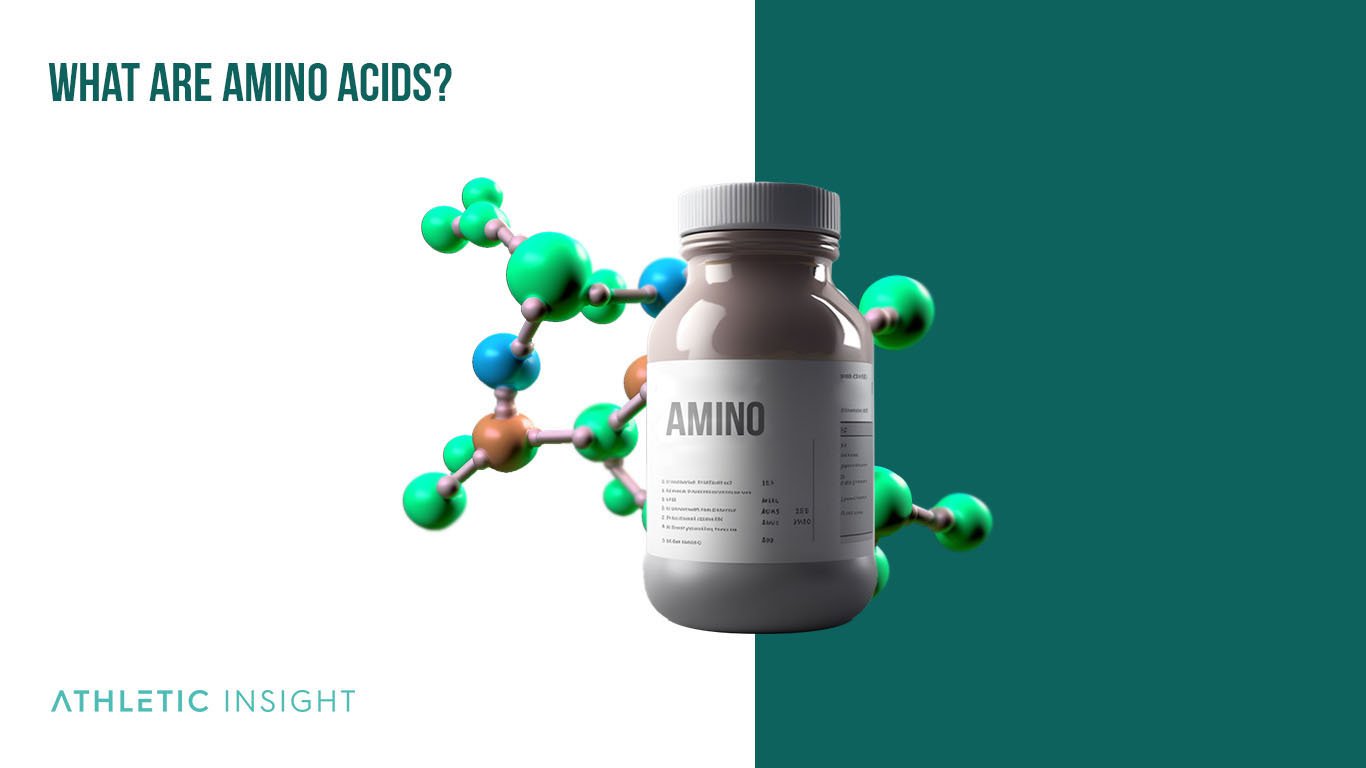
The classification of TMG as an "amino acid" is technically a shorthand used in supplement contexts; strictly speaking, it is an amino acid derivative. Because it possesses both a positively charged nitrogen atom and a negatively charged carboxylate group, it acts as a zwitterion. This chemical characteristic allows it to participate in two vital biological processes: methylation and osmotic balance.
The Methylation Cycle
Methylation is a biochemical process that involves the addition of a methyl group (a carbon atom bonded to three hydrogen atoms) to a substrate. TMG acts as a "methyl donor," meaning it provides these essential groups to other molecules. In the body, this is particularly important for the conversion of the amino acid homocysteine back into methionine. Elevated levels of homocysteine are often associated with various cardiovascular risks, making the TMG-driven remethylation pathway a vital mechanism for maintaining systemic health.
Physiological Uses and Mechanisms of Action
Understanding the utility of TMG requires a look at how the body manages cellular stress and biochemical pathways. Unlike many nutrients that act as structural building blocks, TMG functions largely as a metabolic regulator.
1. Homocysteine Regulation
The most clinically documented use of TMG is its role in supporting healthy homocysteine levels. When the body breaks down proteins, homocysteine is produced. If this compound is not efficiently converted back into methionine or processed into cysteine, it can accumulate. Through the enzyme betaine-homocysteine S-methyltransferase (BHMT), TMG facilitates the transfer of a methyl group to homocysteine. This process is essential for cardiovascular health and general cellular maintenance.
2. Osmolyte and Cellular Hydration
As an osmolyte, TMG helps cells maintain volume and structural integrity under various forms of stress, such as temperature fluctuations, salinity changes, or oxidative stress. By accumulating inside cells, TMG helps prevent water loss and stabilizes proteins and enzymes against thermal denaturation. This is why TMG is often researched in the context of exercise performance—it protects cells in the skeletal muscle from the osmotic stress induced by intense physical exertion.
3. Protein Stabilization and Molecular Chaperoning
Beyond simple hydration, TMG acts as a chemical chaperone. In conditions where proteins might become misfolded due to external stressors, TMG helps maintain the correct configuration of proteins. This ensures that enzymes and cellular structures continue to function effectively despite the metabolic demands of the environment.
Clinical and Practical Applications
While TMG is synthesized by the body, supplementation is a common practice for individuals aiming to optimize metabolic function or mitigate specific nutritional gaps. In 2026, evidence-based use focuses on three primary sectors: metabolic support, athletic recovery, and general longevity.
Comparing TMG Sources and Forms
| Feature | Dietary TMG | Supplement Form (Anhydrous) |
|---|---|---|
| Primary Source | Beets, Quinoa, Spinach | Synthetic or Beet-derived isolate |
| Bioavailability | High (naturally complexed) | Very High (standardized) |
| Concentration | Low (requires large volume) | High (dosed in grams) |
| Common Use | Nutritional intake | Targeted metabolic support |
Research Context and Safety Considerations
The safety profile of TMG is generally considered favorable, as it is a nutrient found in the standard human diet. However, like any supplemental compound, clinical usage requires awareness of potential limitations and individual health factors.
Dosage and Bioavailability
In standard clinical settings, researchers often evaluate doses ranging from 500mg to 3,000mg per day. Because TMG is water-soluble, excess amounts are typically excreted through the urine. However, individuals with existing kidney conditions or those on specific methyl-donor-related medications should consult with a healthcare professional before initiating supplementation.
Limitations in Research
Much of the enthusiasm surrounding TMG stems from its clear biochemical pathways, but human clinical trials—particularly long-term, large-scale studies—are still evolving. While the link between TMG and homocysteine reduction is well-established, its broader claims regarding athletic performance enhancement or anti-aging require a nuanced interpretation. Results can vary significantly depending on the individual’s baseline diet and genetic propensity for methylation.
Frequently Asked Questions
1. Is TMG the same as Betaine HCl?
No. While they share the "betaine" name, they are different compounds. TMG (Betaine Anhydrous) is a neutral molecule used for methylation and osmotic support. Betaine HCl is the hydrochloride salt form, which is used to increase stomach acidity. They should not be used interchangeably.
2. Can I get enough TMG from diet alone?
Yes, for most healthy individuals, a balanced diet rich in whole grains, beets, and cruciferous vegetables provides sufficient betaine. Supplementation is typically targeted toward specific metabolic goals or for individuals whose diets may be low in folate and choline.
3. Does TMG interfere with other amino acids?
TMG works in tandem with the folate cycle and vitamin B12. A deficiency in these vitamins may limit the efficacy of TMG. It is often recommended that TMG be viewed as part of a comprehensive B-vitamin strategy rather than an isolated solution.
4. What are the common side effects of TMG?
Side effects are rare when consumed in moderate, recommended doses. High doses have occasionally been associated with mild gastrointestinal distress, such as nausea or diarrhea, often due to the osmotic nature of the compound in the digestive tract.
5. How should TMG be stored?
TMG is hygroscopic, meaning it absorbs moisture from the air. It should be stored in a cool, dry place in an airtight container to prevent clumping. If the powder becomes hard or "clumped," it is usually still chemically stable, but it may be difficult to measure accurately.
Practical Guidance for Users
If you are considering integrating TMG into your nutritional regimen, begin by assessing your current dietary intake of methyl donors, including folate (B9) and cobalamin (B12). A laboratory blood panel measuring serum homocysteine can provide a baseline for your metabolic health.
- Start Low: If you choose to supplement, begin with a lower dose (e.g., 500–1,000mg) to monitor digestive tolerance.
- Consistency: TMG is best taken consistently rather than in sporadic, high-dose bursts, as the body relies on the methylation cycle constantly.
- Professional Consultation: If you are managing cardiovascular health, never replace physician-prescribed medication with supplements. Use TMG only as a supportive nutritional measure under the guidance of a qualified healthcare provider.
- Integration: Combine TMG with a balanced intake of choline, as the body can also produce TMG from choline oxidation in the liver.
By focusing on the integration of TMG within a broader nutritional strategy rather than as a "silver bullet," users can more effectively leverage its role in cellular health and metabolic stability.