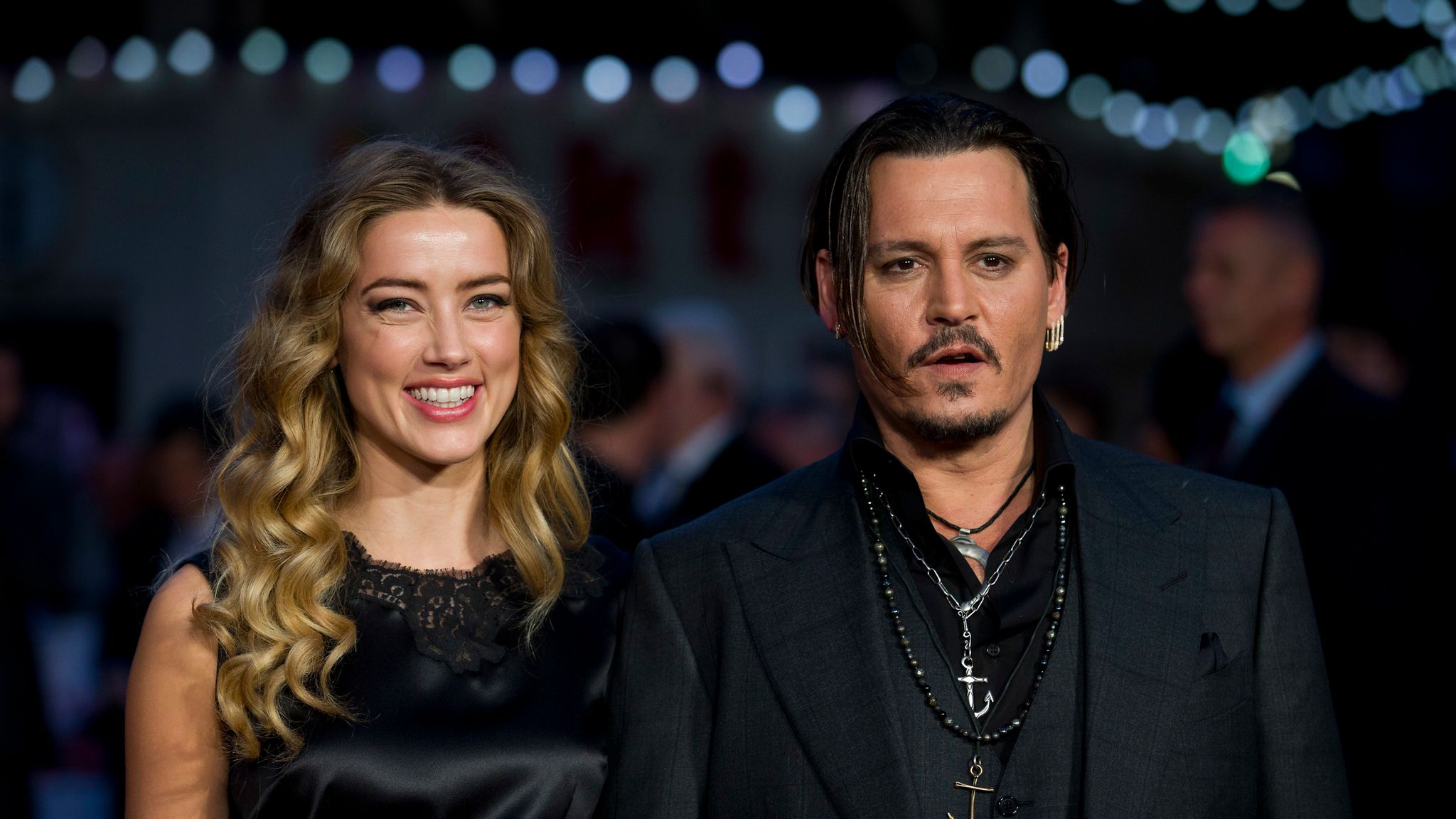
The "Amber Heard bruise" refers to a series of photographic exhibits presented during the high-profile legal battles between Amber Heard and Johnny Depp from 2016 to 2022. These images, intended to document physical injuries from alleged domestic violence, became the subject of intense forensic scrutiny, expert testimony regarding digital manipulation, and conflicting witness accounts from law enforcement and medical professionals.
The May 21, 2016, Incident: The Catalyst for the Evidence
The most scrutinized "bruise" in the legal history of the Depp-Heard conflict originated from an incident on May 21, 2016, at the Eastern Columbia Building in Los Angeles. Heard alleged that Depp threw a mobile phone at her face, resulting in a bruise on her right cheek and eye area. Six days later, on May 27, 2016, Heard appeared at a Los Angeles courthouse to file for a Temporary Restraining Order (TRO), where she was photographed by paparazzi with a visible mark on her face.
During the 2022 Virginia defamation trial, this specific injury was dissected through multiple lenses. Heard’s legal team presented photos taken shortly after the alleged incident, showing redness and swelling. However, the defense countered this with testimony from the Los Angeles Police Department (LAPD) officers who responded to the scene on the night of May 21. Officers Tyler Hadden and Melissa Saenz testified that they observed no visible injuries, redness, or swelling on Heard’s face that night. This contradiction became a cornerstone of the defense's "hoax" theory, suggesting the mark seen later was either self-inflicted, created with makeup, or digitally enhanced.
The significance of the May 21 bruise cannot be overstated. It served as the primary visual justification for the TRO, which in turn set the stage for years of litigation. In the legal context, the "bruise" was not just a physical mark but a piece of evidentiary weight that shifted the public and legal narrative of their relationship toward one of domestic abuse.
Digital Forensics: Analyzing Metadata and Image Alteration
In the 2022 trial, the technical authenticity of the bruise photographs became a major point of contention. Forensic experts were called to analyze the metadata (EXIF data) of the digital files to determine if they had been edited or if multiple versions of the same photo existed with different levels of saturation.
The Saturated Image Controversy
Johnny Depp’s legal team introduced evidence suggesting that certain photos of Heard’s bruises had been digitally altered to make the injuries appear more severe. Bryan Neumeister, a digital forensics expert, testified that several photos appeared to have been "run through an editing program." Specifically, he pointed to two versions of the same photograph where one was significantly more "saturated" than the other, making the redness on Heard's cheek appear much more vibrant and "angry."
Neumeister explained that because the photos were provided in a "tossed" format (meaning they lacked the original file structure from the iPhone they were taken on), it was impossible to verify their "forensic integrity." He noted that the software used to create the versions—specifically mentioning the "Photos" app on iOS—can change the color profile of an image without leaving a clear trail of the original state if the metadata is stripped or modified.
The Role of Metadata in Court
Metadata is the hidden information within a digital file that records when a photo was taken, what device was used, and if any editing software was applied. Heard's team struggled with the production of original "HEIC" or "RAW" files for many of the bruise photos. The defense argued that without the original metadata, the court could not be certain that the images had not been manipulated using "Photo Filter" software or color-correction tools. This technical ambiguity allowed the jury to question whether the bruises were as they appeared in the exhibits or if they were the product of digital enhancement.
The "Amica Cream" and the Milani Cosmetics Controversy
One of the more peculiar chapters in the "Amber Heard bruise" saga involved the products she allegedly used to conceal or treat her injuries. During opening statements in the 2022 trial, Heard’s attorney, Elaine Bredehoft, held up a "Milani Conceal + Perfect All-in-One Correcting Kit," stating that Heard carried it in her purse throughout her relationship with Depp (2011–2016) to cover bruises.
The Milani TikTok Fact-Check
Shortly after the attorney’s statement, the makeup brand Milani Cosmetics released a video on social media clarifying that the specific palette shown in court was not released until December 2017. Since the alleged abuse occurred between 2011 and 2016, the brand’s intervention went viral, suggesting a timeline discrepancy. While the defense used this to damage the credibility of the legal team’s narrative, Heard’s side clarified that the palette was used as a "demonstrative aid"—a representative example of the type of makeup she used—rather than the actual physical kit she owned in 2014.
The Use of Arnica Cream
Heard also testified to using "Amica Cream" (likely referring to Arnica Montana), a homeopathic topical treatment often used to reduce bruising and swelling. The presence or absence of Arnica in her medical records or personal effects was used to debate whether she was actively treating injuries or merely claiming to have them. The "makeup defense" was a double-edged sword: it explained why witnesses might not have seen bruises on certain days, but it also opened the door for the defense to claim that makeup was used to create the bruises rather than hide them.
Expert Medical Perspectives on Injury Progression
To understand the validity of the bruises, both sides employed medical experts to discuss the "physiology of bruising." A bruise, or contusion, follows a specific biological timeline as the body breaks down hemoglobin.
The Timeline of a Bruise
Typically, a fresh bruise appears red or purple. Over several days, it transitions to blue/black, then green, then yellow, before fading. Depp’s medical experts argued that the photos presented by Heard did not always follow this natural progression. For instance, some photos taken days apart showed the "injury" in the exact same shade of red, which experts testified was inconsistent with how real tissue heals.
Witness Observations vs. Photographic Evidence
The gap between what people saw in person and what appeared in photos was a major theme. LAPD officers, building staff (such as Isaac Baruch), and Depp's security guards testified that they saw Heard frequently in the days following alleged incidents and saw no marks.
- Officer Melissa Saenz: Testified that she was a "domestic violence coordinator" and specifically looked for signs of injury on May 21, 2016, and found none.
- Isaac Baruch: Testified he saw Heard on May 22 (the day after the phone incident) from a very close distance in a well-lit hallway and saw no "bruises, redness, or swelling."
In contrast, Heard’s friends, such as Raquel "Rocky" Pennington and Elizabeth Marz, testified that they did see the injuries. This "clash of witnesses" forced the jury to decide whether the photographers or the eyewitnesses were more reliable.
Legal Divergence: The UK High Court vs. the Virginia Jury
The "Amber Heard bruise" evidence was presented in two different legal systems with very different results. This comparison is vital for understanding how the same evidence can be interpreted through different legal standards.
The 2020 UK Libel Trial
In the UK, Johnny Depp sued The Sun newspaper for calling him a "wife-beater." Because it was a bench trial (decided by a judge, not a jury), Mr. Justice Nicol evaluated the evidence. He found that the vast majority of Heard’s allegations, including the injuries documented in the photos, were "substantially true." The UK judge placed significant weight on Heard’s contemporaneous photos and journals, tending to believe her explanations for why the injuries might not have been visible to everyone at all times.
The 2022 US Defamation Trial
In the US, the case was a civil suit between Depp and Heard, decided by a seven-person jury. The US trial allowed for a much more robust "discovery" process, meaning the defense had more access to Heard’s original devices and metadata than in the UK. The US jury ultimately found that Heard’s claims of abuse were "false" and "defamatory." The disparity in the verdicts is often attributed to the jury's skepticism regarding the digital integrity of the bruise photos and the conflicting testimony of the LAPD officers, which was emphasized more heavily in the Virginia courtroom.
Comparative Analysis of Key Evidentiary Photos
The following table summarizes the primary photographic evidence regarding the alleged bruises and the arguments presented by both legal teams.
| Incident Date | Photo Description | Heard’s Claim | Depp’s Counter-Argument | Key Witness Testimony |
|---|---|---|---|---|
| May 2016 | Red mark on right cheek/eye. | Result of Depp throwing an iPhone at her. | Mark was faked or caused by something else; no injury seen by police. | LAPD Officers Hadden & Saenz (No injury seen). |
| Dec 2015 | "Split lip" and bruised eyes. | Result of a headbutt and physical assault. | Photos show "dry lips" or "makeup"; no medical records of a split lip. | Nurse Debbie Lloyd (Observed no injuries). |
| March 2015 | Various bruises on arms/legs (Australia). | Sustained during a "three-day hostage situation." | Injuries were self-inflicted or incidental; Heard was the aggressor. | Ben King (Found no blood/signs of a struggle in certain areas). |
| May 2016 (TRO) | Visible bruise at the courthouse. | Documenting the injury for the court. | "Publicity stunt"; bruise was "staged" with makeup for the cameras. | Paparazzi/Security (Conflicting views on the mark's appearance). |
Forensic Analysis of "The Two Photos"
One of the most damaging moments for the credibility of the bruise evidence occurred when two photos were shown side-by-side on the court screens. They were clearly the same image, but one was much brighter and redder than the other.
When asked if she had "enhanced" the photo, Heard testified that they were "two different photos" taken with different lighting. However, digital expert Bryan Neumeister demonstrated that the images were "bit-for-bit" identical in terms of the subject's positioning—down to the individual strands of hair—which is physically impossible for two separate shots. He concluded that they were the same digital file, but one had been modified to increase the saturation. This moment was pivotal in swaying public opinion and likely the jury, as it suggested a deliberate attempt to make a mild mark look like a significant injury.
FAQ: Understanding the Bruise Evidence
Did the FBI or police ever investigate the bruises?
The LAPD responded to the May 2016 call but did not file a report because Heard declined to make a statement at the time and the officers saw no evidence of a crime (no visible injuries). There was no formal criminal "forensic" investigation of the bruises until the civil litigation began years later.
What is "Amica Cream" and why was it mentioned?
Heard testified she used "Amica Cream" to heal bruises. She likely meant Arnica Montana, a common topical herbal remedy used to reduce bruising. The defense argued that the lack of medical records or physical evidence of this cream at certain times undermined her claims.
Why did the UK and US trials reach different conclusions about the same photos?
The UK trial was decided by a single judge who found the photos credible. The US trial was decided by a jury that had access to more forensic metadata and expert testimony regarding image manipulation, leading them to reach a different conclusion regarding the photos' authenticity.
Was the Milani makeup palette actually used as a fake?
The specific palette shown in court was a "demonstrative aid" and was not available during the time of the alleged incidents. While it was not "fake" evidence in the sense of a forged document, its use was characterized by the defense as a misleading representation of the facts.
Did any doctors testify to seeing the bruises?
Several medical professionals, including Dr. Kipper and Nurse Debbie Lloyd, testified. While they treated Heard for various issues, their testimony often highlighted a lack of recorded physical injuries during times when Heard claimed she was being abused.
Practical Recommendations for Interpreting Public Evidence
When reviewing high-profile evidence like the "Amber Heard bruise" photos, it is essential to distinguish between contemporaneous evidence (captured at the time) and forensic interpretation (analyzed years later).
For those looking to understand legal evidence of this nature, consider the following:
- Verify Metadata: In the digital age, a photo is only as reliable as its EXIF data. Always look for "original" file formats.
- Corroborate with Third Parties: The most reliable evidence often comes from "disinterested" third parties, such as police officers or medical staff who have no personal stake in the outcome.
- Understand Lighting and Saturation: Digital images can be easily manipulated to change the perception of an injury's severity. Comparing multiple versions of the same file is a standard forensic practice.
- Look for Medical Records: Physical injuries of the severity alleged often require medical consultation. The absence of such records is frequently used in court to challenge the validity of photographic evidence.
The Amber Heard bruise remains a landmark example of how digital forensics can alter the course of a legal proceeding, moving the debate from "what happened" to "is this digital file an accurate reflection of reality."