When evaluating standard cloud computing security frameworks, "all of the following are cloud computing security issues except" typically refers to the implementation of on-premises physical hardware lifecycle management by the end-user. While data breaches, misconfigurations, and unauthorized access are inherent risks of cloud environments, the total physical management of infrastructure is an excluded responsibility under the Shared Responsibility Model.
Understanding the Cloud Security Landscape
To effectively navigate cloud security, one must distinguish between risks inherent to cloud computing architectures and those related to traditional, legacy IT systems. In a cloud environment, the provider assumes responsibility for the physical security of data centers, power supplies, and hardware maintenance. Consequently, challenges that were once primary concerns for on-premises data centers—such as physical server theft or hardware fire suppression—are effectively excluded from the "cloud security issue" category for the cloud tenant.
Security issues in the cloud are generally categorized into threats to data integrity, confidentiality, and availability. These threats often arise from architectural misalignments rather than physical failures. As organizations shift their operations to platforms like Amazon Web Services (AWS), Microsoft Azure, or Google Cloud Platform (GCP), the scope of security changes from "physical perimeter defense" to "logical identity and configuration management."
The Shared Responsibility Model
The fundamental framework for understanding what constitutes a cloud security issue versus an administrative exclusion is the Shared Responsibility Model. This model clarifies the boundaries of accountability between the Cloud Service Provider (CSP) and the customer.
- Responsibility of the CSP: The provider is responsible for the "security of the cloud." This includes physical infrastructure, networking components, and the virtualization layer. They ensure the hardware is operational, updated, and protected from physical intrusion.
- Responsibility of the Customer: The customer is responsible for "security in the cloud." This includes managing data encryption, configuring identity and access management (IAM) policies, managing guest operating systems, and securing applications deployed within the cloud.
When a question posits that something is "not" a cloud security issue, it often points toward an activity that the CSP handles exclusively. If an organization spends time auditing the physical locks on the doors of a remote data center, they are misallocating resources that the CSP has already secured.
Common Cloud Security Issues (The "Included" List)
To identify the exception, one must first recognize the threats that are widely accepted as standard cloud security issues. These are the risks that security teams must actively mitigate:
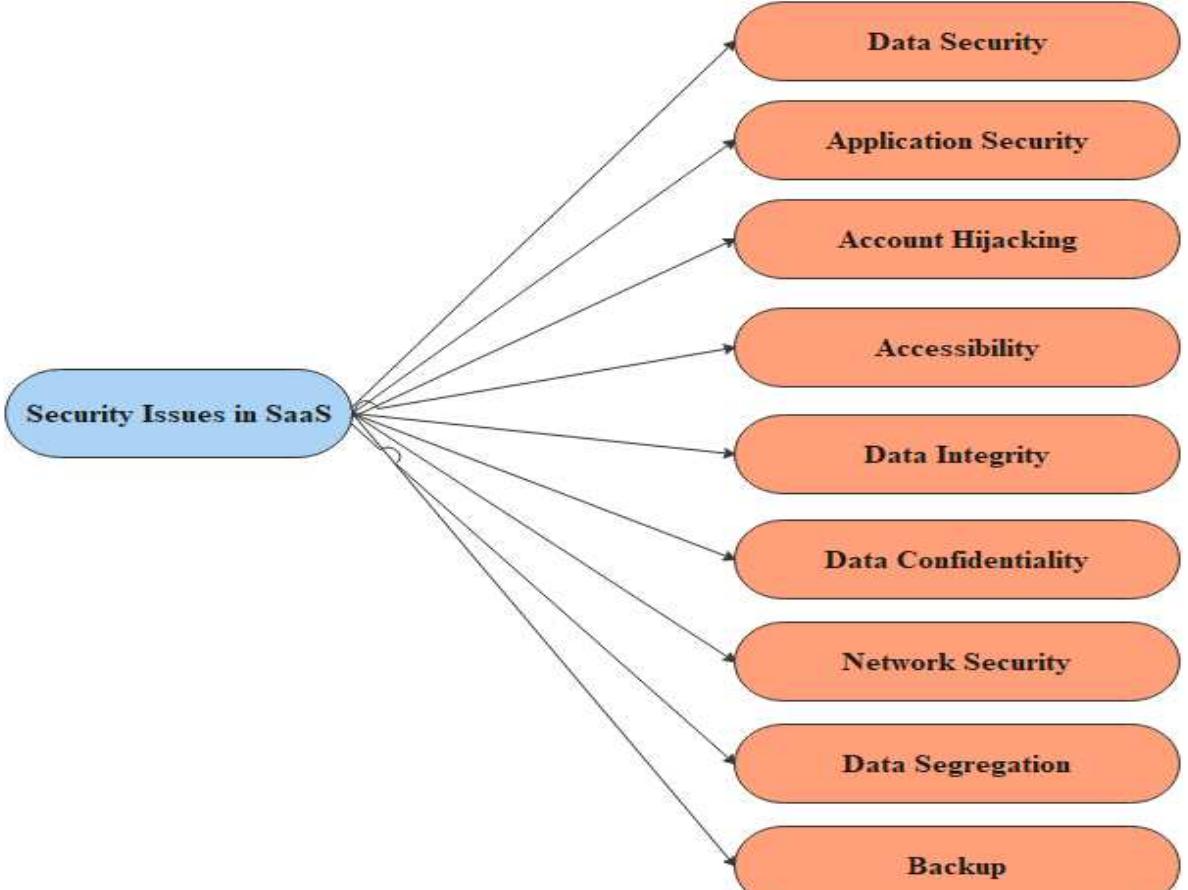
- Misconfiguration of Cloud Assets: This is arguably the most prevalent security failure in 2026. Leaving an S3 bucket publicly accessible or failing to restrict security group ingress rules can expose vast amounts of sensitive data.
- Insecure APIs and Interfaces: Cloud services rely heavily on APIs to facilitate communication between services. If these APIs are not properly authenticated or rate-limited, they become primary vectors for exploitation.
- Credential Theft and IAM Issues: The cloud relies on identity as the new perimeter. If root credentials or privileged account keys are compromised, attackers can gain complete control over an environment.
- Insecure Data Storage: Failing to implement encryption at rest or in transit remains a top-tier security failure, regardless of the provider’s underlying infrastructure.
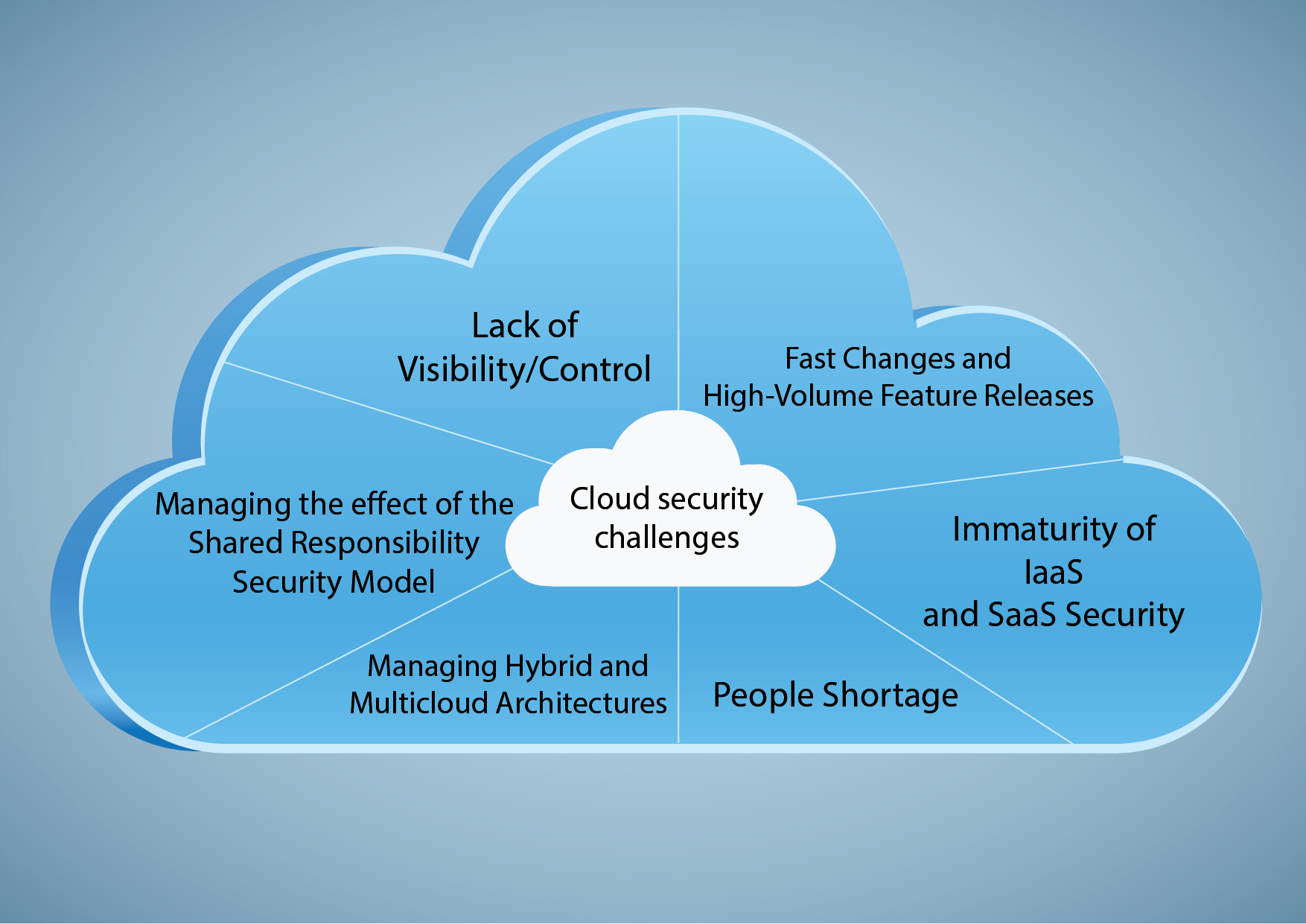
- Lack of Visibility: Because cloud environments are ephemeral and highly scalable, maintaining a real-time inventory of assets is difficult. Shadow IT—where developers spin up instances without oversight—often escapes central security monitoring.
Comparing Cloud Security vs. Traditional Security
| Feature | On-Premises Security | Cloud Computing Security |
|---|---|---|
| Physical Hardware | Owned by the organization | Owned by the CSP |
| Perimeter | Firewalls and physical guards | Identity and IAM roles |
| Updates | Manual server patching | Managed services/Automated updates |
| Scalability | Limited by capital expenditure | On-demand resource scaling |
| Failure Response | Physical repair/Replacement | Architectural redundancy |
In the table above, the "On-Premises" column represents tasks that the organization must perform. In the "Cloud" column, many of these tasks shift to the provider. The "exception" in any test or assessment is almost always an item from the "On-Premises" column that is falsely attributed to the cloud environment.
Why "Physical Hardware Lifecycle" is the Usual Exception
If an assessment asks you to identify the exception among a list of security issues, look for items that require physical manipulation. Cloud providers maintain rigorous standards for the destruction of old drives, the physical security of data center perimeters, and the maintenance of cooling systems.
An organization using a public cloud provider does not need to worry about:
- Physically shredding hard drives that have reached their end-of-life.
- Installing motion sensors or biometric scanners in server rooms.
- Managing backup power generators (UPS systems).
These are "cloud infrastructure security" components managed by the CSP. If a question suggests that the customer is responsible for the physical security of the server housing their data, that is the exception.
Identifying Potential Ambiguity in Security Queries
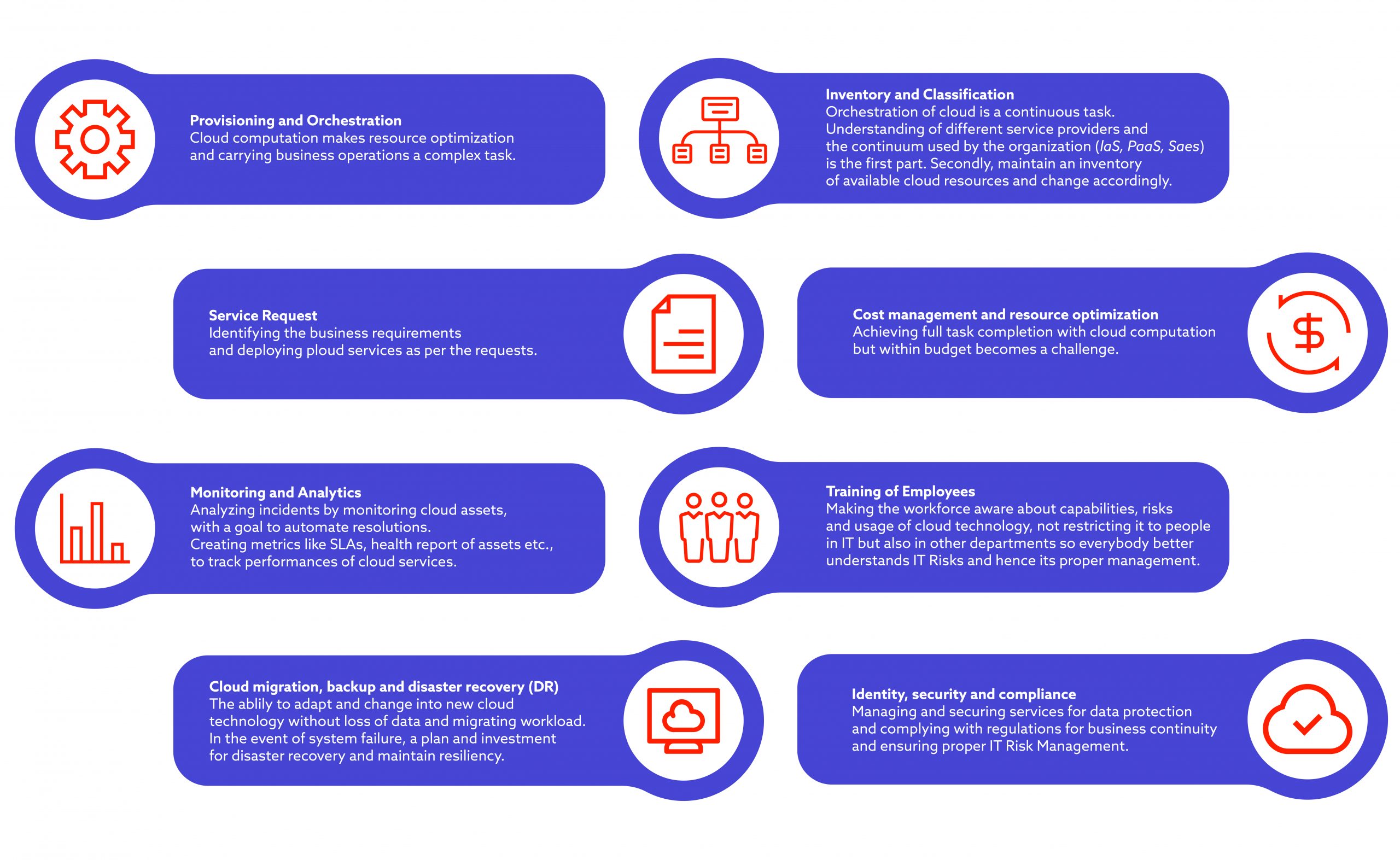
Sometimes, ambiguity arises between "Security Issues" and "Operational Challenges." For instance, "Cost Management" is often discussed alongside security. While failing to manage costs (e.g., leaving an unmonitored high-performance compute instance running) can lead to financial loss, it is often categorized as a "Cloud Financial Management" (FinOps) issue rather than a "Security" issue.
However, in the context of security exams or technical certifications, the most reliable way to identify the exception is to ask: "Does this involve a task the CSP contractually performs for me?" If the answer is yes, then that task is not a direct security responsibility for the tenant.
Best Practices for Mitigating Legitimate Cloud Security Issues
Since you have successfully identified what is not a cloud security issue, your focus should be on the areas that require your direct intervention.
1. Implement Least Privilege Access
Apply the principle of least privilege (PoLP) to all users and service accounts. Using IAM policies to restrict access strictly to what is necessary significantly reduces the blast radius of a potential credential compromise.
2. Automate Configuration Auditing
Use Infrastructure as Code (IaC) tools to deploy resources with hardened, predefined templates. Regularly audit your environment against benchmarks to ensure no drift has occurred that could leave resources exposed.
3. Utilize Cloud-Native Security Tools
Leverage services like AWS Security Hub, Microsoft Defender for Cloud, or Google Security Command Center. These tools provide continuous monitoring and can alert you to misconfigurations in real-time, often offering one-click remediation.
4. Establish a Robust Incident Response Plan
Cloud environments require a different incident response strategy than traditional environments. You must have procedures for revoking temporary credentials, rotating access keys, and performing forensic analysis on ephemeral snapshots rather than physical disk drives.
Frequently Asked Questions
Is "Unsecured Physical Access" a primary cloud security issue for the customer? No. In the public cloud, the CSP is responsible for the physical security of the facility. The customer's responsibility begins at the logical layer (the software and the data) rather than the physical layer.
Are there cases where hardware maintenance is a customer responsibility? Yes, in private cloud or hybrid cloud scenarios. If an organization manages its own hardware in a private data center, physical security is entirely their responsibility. However, the term "cloud computing security" generally refers to public cloud services where the Shared Responsibility Model applies.
Why is "Data Sovereignty" considered a security issue? Data sovereignty refers to the legal requirement that data be stored in a specific geographic location. While it is often classified as a compliance or regulatory issue, it is considered a cloud security concern because the customer must ensure that their chosen cloud region complies with local laws regarding data residency.
Is "Application Logic" included in cloud security? Yes. Even if the CSP provides a secure platform, the code you write, the libraries you import, and the logic you implement are susceptible to vulnerabilities like SQL injection or Cross-Site Scripting (XSS). This is a core part of the "security in the cloud" responsibility.
How does "Vendor Lock-in" relate to security? Vendor lock-in is a business and architectural risk rather than a security issue. While it can complicate security (e.g., difficulty in porting security policies to a new provider), it is not a direct security threat in the same vein as a data breach or account hijacking.
Moving Forward with Your Cloud Security Strategy
The distinction between CSP responsibilities and customer responsibilities is the foundation of a mature cloud security posture. By clarifying that physical infrastructure management is an excluded task, you can shift your focus toward the areas that matter most: IAM, data encryption, and configuration management.
To refine your security operations in 2026, conduct a formal audit of your current cloud environment against your CSP’s official "Shared Responsibility Matrix." Verify that your team is not spending excessive time on infrastructure maintenance that is already covered by your service-level agreement. Instead, pivot your resources toward proactive threat modeling and the automation of security policies, which will provide the most significant return on investment for your organization’s security health.