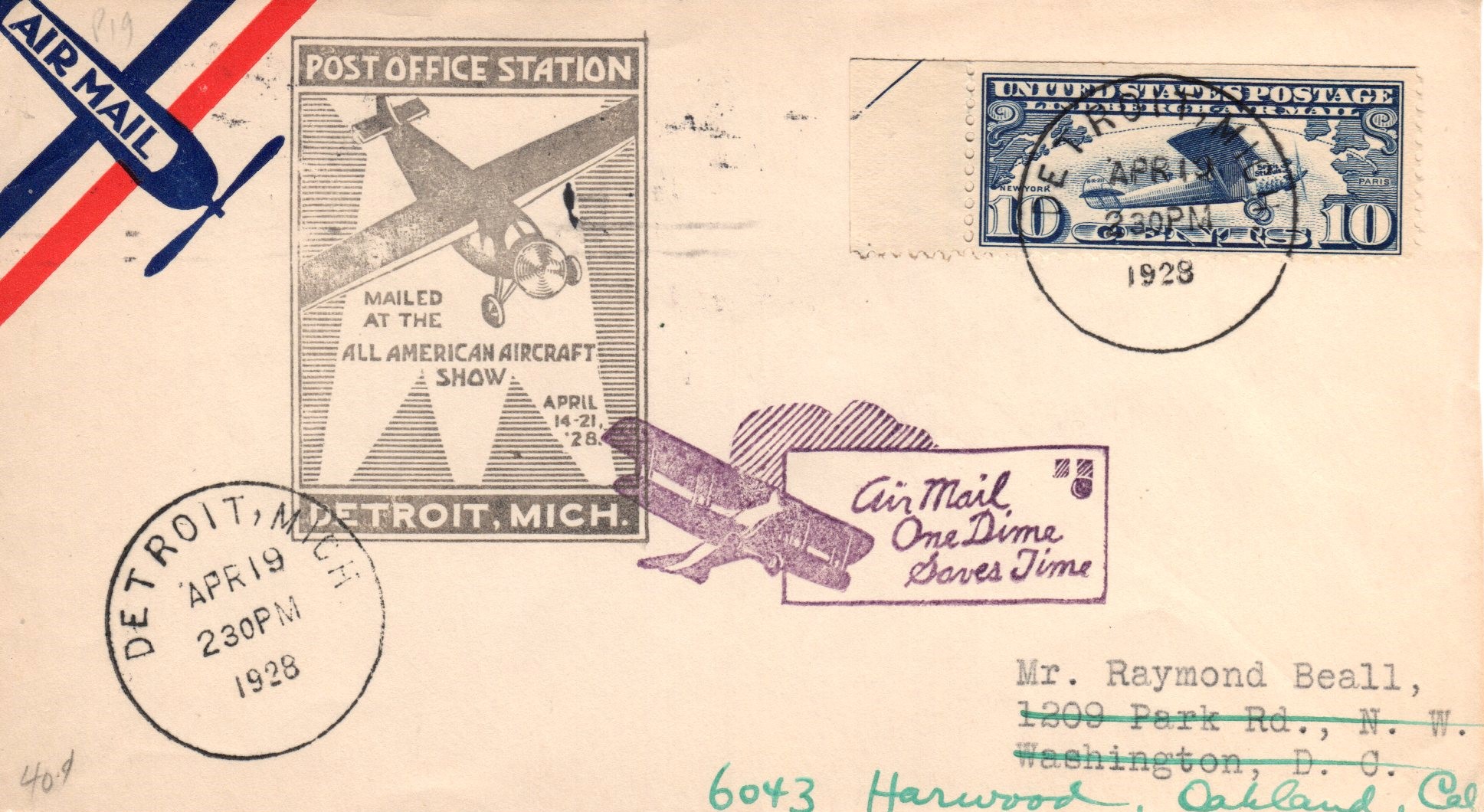
All American Aviation primarily refers to the pioneering airmail carrier founded in 1937 that later became Allegheny Airlines, as well as several contemporary aviation service firms specializing in maintenance, logistics, and parts distribution. Historically, the name is synonymous with the "air pick-up" system, which revolutionized rural postal delivery without requiring aircraft to land.
The Origins and Legacy of All American Aviation Inc.
The historical entity known as All American Aviation Inc. was established in 1937 by Richard C. du Pont. At its inception, the company was not focused on passenger transport but rather on solving a critical logistical problem of the early 20th century: how to provide fast, reliable mail service to small communities that lacked the infrastructure for full-sized airports.
Operating primarily in the Appalachian region—including Pennsylvania, West Virginia, Ohio, and Delaware—All American Aviation became the laboratory for some of the most daring maneuvers in civil aviation history. Richard du Pont, an avid glider pilot and member of the prominent du Pont family, saw aviation not just as a luxury for long-distance travel, but as a vital utility for rural America. The company's headquarters in Wilmington, Delaware, became a hub for technical innovation, focusing on the mechanics of flight and the efficiency of the "last-mile" delivery long before that term became a staple of modern logistics.
By 1939, the company secured a contract with the United States Post Office Department to operate experimental routes. This period marked the golden age of the "Air Pick-up" system, a method that would define the company’s identity for over a decade.
The Technical Innovation of the Air Pick-up System
The defining achievement of All American Aviation was the refinement of the non-stop air pick-up system. To understand why this was revolutionary, one must consider the terrain of the Allegheny Mountains in the 1930s. Landing a heavy aircraft in a mountain valley to retrieve a single bag of mail was fuel-inefficient, time-consuming, and dangerous.
Mechanics of the Pick-up
The system utilized a specialized ground station consisting of two 15-foot poles spaced 60 feet apart. A transfer rope was stretched between these poles, with the mail container attached to the center of the rope. The aircraft, typically a modified Stinson Reliant, would approach the station at approximately 90 miles per hour.
- The Approach: The pilot would fly low over the station, trailing a 15-foot steel cable with a four-pronged grapple hook at the end.
- The Contact: The grapple hook would snag the transfer rope between the poles.
- The Retrieval: As the aircraft climbed, a motorized winch inside the fuselage would reel in the mail bag. Simultaneously, the crew would drop the incoming mail bag from the aircraft's door.
This "snatch-and-go" method allowed the company to service dozens of towns in a single flight loop without ever touching their wheels to the ground. In 1941 alone, All American Aviation completed over 92% of its scheduled pick-ups despite the difficult weather conditions of the Northeast. This technology was later adapted by the military during World War II for the retrieval of gliders and even downed personnel, demonstrating the profound cross-sector impact of AAA’s engineering.
Transition to Commercial Transport and Allegheny Airlines
Following the conclusion of World War II, the landscape of American aviation shifted from experimental mail delivery to mass passenger transport. The Civil Aeronautics Board (CAB), which regulated airline routes and subsidies, began encouraging "feeder" airlines to transition into scheduled passenger services.
In 1949, All American Aviation Inc. officially changed its name to All American Airways to reflect its broadening scope. By 1953, as it expanded its fleet to include the Douglas DC-3 and shifted focus entirely away from the air pick-up system, the company rebranded again as Allegheny Airlines.
This transition was a critical moment in aviation history. Allegheny Airlines eventually grew through a series of mergers—most notably with Mohawk Airlines in 1972—to become USAir (later US Airways). Consequently, the DNA of the original All American Aviation lives on today within the global network of American Airlines, which merged with US Airways in 2013. For historians and industry analysts, All American Aviation represents the crucial link between localized experimental flight and the consolidated hub-and-spoke systems used in 2026.
Modern All American Aviation: Services and Supply Chain
In the current 2026 landscape, the name "All American Aviation" is frequently associated with specialized Maintenance, Repair, and Overhaul (MRO) providers and parts distributors. These modern entities, such as All American Aviation Services, LLC, operate independently of the historical airline but carry forward the tradition of supporting the infrastructure of flight.
Aircraft on Ground (AOG) Support
One of the primary roles of modern aviation service firms is managing AOG (Aircraft on Ground) situations. When a commercial or private aircraft is grounded due to a mechanical failure, the financial losses can reach tens of thousands of dollars per hour. Modern "All American" branded entities specialize in the rapid procurement and delivery of certified parts, leveraging global logistics networks to minimize downtime.
MRO and Component Maintenance
Beyond parts distribution, these companies often provide specialized MRO services. This includes:
- Avionics Calibration: Ensuring that flight decks meet the latest FAA and EASA standards for satellite navigation and communication.
- Landing Gear Overhaul: Structural inspections and hydraulic testing to ensure safety during the most stressful phases of flight.
- Engine Component Repair: Sourcing and refurbishing turbine blades, fuel nozzles, and exhaust systems.
By maintaining high standards of quality control and adhering to rigorous traceability requirements, these service providers ensure that the aging global fleet remains airworthy.
Regulatory and Compliance Framework
Operating under the name All American Aviation in 2026 requires strict adherence to international aviation standards. Whether a company is providing flight training, charter services, or parts distribution, they must navigate a complex web of regulations designed to ensure safety and transparency.
- FAA Part 145 Certification: Most modern aviation service centers must be certified as Part 145 Repair Stations. This certification ensures that the facility has the proper equipment, trained personnel, and quality control systems to perform maintenance on civil aircraft.
- AS9100 and AS9120 Standards: These are the gold standards for quality management in the aerospace industry. AS9100 focuses on design and manufacturing, while AS9120 is specific to distributors of aerospace components.
- Traceability and Documentation: Every part sold or installed by an aviation provider must have a "paper trail," often including an FAA Form 8130-3 or an EASA Form 1. This documentation proves the part's origin, its current condition (New, Overhauled, or Repaired), and its eligibility for installation.
In the era of 2026, where counterfeit parts remain a significant threat to global aviation safety, the reputation of providers like those carrying the All American Aviation name is built on the integrity of their documentation and their commitment to ethical sourcing.
Comparison of Historical and Modern All American Aviation Entities
To better understand the evolution of this subject, the following table compares the original 1937 pioneer with the typical aviation service firms operating under the name in 2026.
| Feature | All American Aviation Inc. (1937–1953) | All American Aviation Services (Modern/2026) |
|---|---|---|
| Primary Mission | Experimental Airmail Delivery | MRO, Parts Logistics, & Technical Support |
| Key Innovation | Non-stop Air Pick-up System | Just-in-Time Supply Chain & AOG Support |
| Primary Aircraft | Stinson Reliant, Douglas DC-3 | Boeing 737/787, Airbus A320, Gulfstream G650 |
| Operational Scope | Regional (Allegheny Mountains/Appalachia) | Global (Export/Import and Field Service) |
| Regulatory Body | Civil Aeronautics Board (CAB) | FAA, EASA, and ICAO |
| Successor/Affiliation | Became Allegheny Airlines (now American Airlines) | Independent Private Entities |
Strategic Importance in Rural and General Aviation
While the original company focused on the mountains of Pennsylvania, the spirit of All American Aviation continues to influence how we approach General Aviation (GA) and rural connectivity. In 2026, the challenge of servicing remote areas has shifted from mail delivery to medical transport and emergency logistics.
Modern firms carrying the "All American" brand often play a role in supporting the essential air service (EAS) programs. These programs provide subsidies to ensure that smaller communities remain connected to the national air transportation system. Without the specialized maintenance and parts support provided by regional aviation firms, the cost of operating small turboprops into rural strips would be prohibitive for many carriers.
Furthermore, the "air pick-up" philosophy—minimizing time on the ground to maximize efficiency—is mirrored in modern drone delivery and autonomous cargo systems currently being tested. The engineering lessons learned by Richard du Pont’s team in the 1940s provide a foundational blueprint for how vertical-lift and cable-capture systems might work in high-density urban environments or remote disaster zones today.
Common Challenges in Modern Aviation Operations
Whether a business is a flight school or a parts distributor, operating under the "All American" banner in 2026 involves overcoming significant industry-wide hurdles.
- Supply Chain Volatility: The aerospace industry is still navigating the long-tail effects of material shortages (such as aerospace-grade titanium and specialized resins). Companies must manage longer lead times and higher costs for critical engine components.
- Labor Shortages: There is a persistent global demand for certified A&P (Airframe and Powerplant) mechanics. Training a new generation of technicians who are proficient in both legacy airframe repair and modern composite materials is a primary focus for aviation service providers.
- Sustainability Mandates: By 2026, the push for Sustainable Aviation Fuel (SAF) and carbon-neutral operations has moved from a voluntary goal to a regulatory requirement in many jurisdictions. Aviation providers are now tasked with retrofitting older aircraft for SAF compatibility and implementing "green" MRO practices.
Frequently Asked Questions
Was All American Aviation part of the military?
All American Aviation was a private commercial enterprise, but it worked closely with the military. During World War II, the company’s pick-up technology was used to retrieve gliders carrying troops and supplies. The company’s engineering division also developed heavy-duty winches for military transport aircraft, proving that their civilian innovations had significant tactical value.
How did All American Aviation become US Airways?
The evolution followed a series of rebrandings and mergers. All American Aviation (1937) became All American Airways (1949), which then became Allegheny Airlines (1953). In 1979, following the Airline Deregulation Act, Allegheny rebranded as USAir to reflect its national presence. USAir eventually became US Airways and merged with American Airlines in 2013.
Does All American Aviation still operate as an airline in 2026?
No, the original 1937 airline does not exist as an independent carrier. However, the name is used by several independent companies involved in aviation maintenance, parts distribution, and flight training. These are separate legal entities that share a common name but are not part of the original du Pont lineage.
Where can I see historical All American Aviation aircraft?
The Smithsonian National Air and Space Museum and the Mid-Atlantic Air Museum often feature exhibits related to the history of airmail and the Stinson aircraft used in the pick-up system. These museums preserve the logs, equipment, and photos that document the company's early Appalachian routes.
What is the role of an MRO provider like All American Aviation Services?
An MRO (Maintenance, Repair, and Overhaul) provider ensures that aircraft are safe and compliant with FAA regulations. Their work involves routine inspections (A, B, C, and D checks), emergency repairs, and the sourcing of certified replacement parts to keep aircraft flying efficiently and safely.
Next Steps for Aviation Professionals and Historians
For those looking to engage with the legacy or services of All American Aviation, the following actions are recommended:
- For History Enthusiasts: Visit the National Postal Museum to view original artifacts from the air pick-up era, including the specialized containers and grapple hooks used by the pilots.
- For Aircraft Owners: When sourcing parts from an aviation service provider, always verify their FAA Part 145 certification and request full traceability (Form 8130-3) for every component.
- For Aspiring Pilots: Research regional flight schools that emphasize the precision and safety standards established by early pioneers. Understanding the history of the "feeder" airline system provides valuable context for a career in commercial aviation.
- For Logistics Specialists: Study the air pick-up model as a precursor to modern automated logistics. The efficiency of "non-stop" retrieval remains a benchmark for future cargo delivery systems.