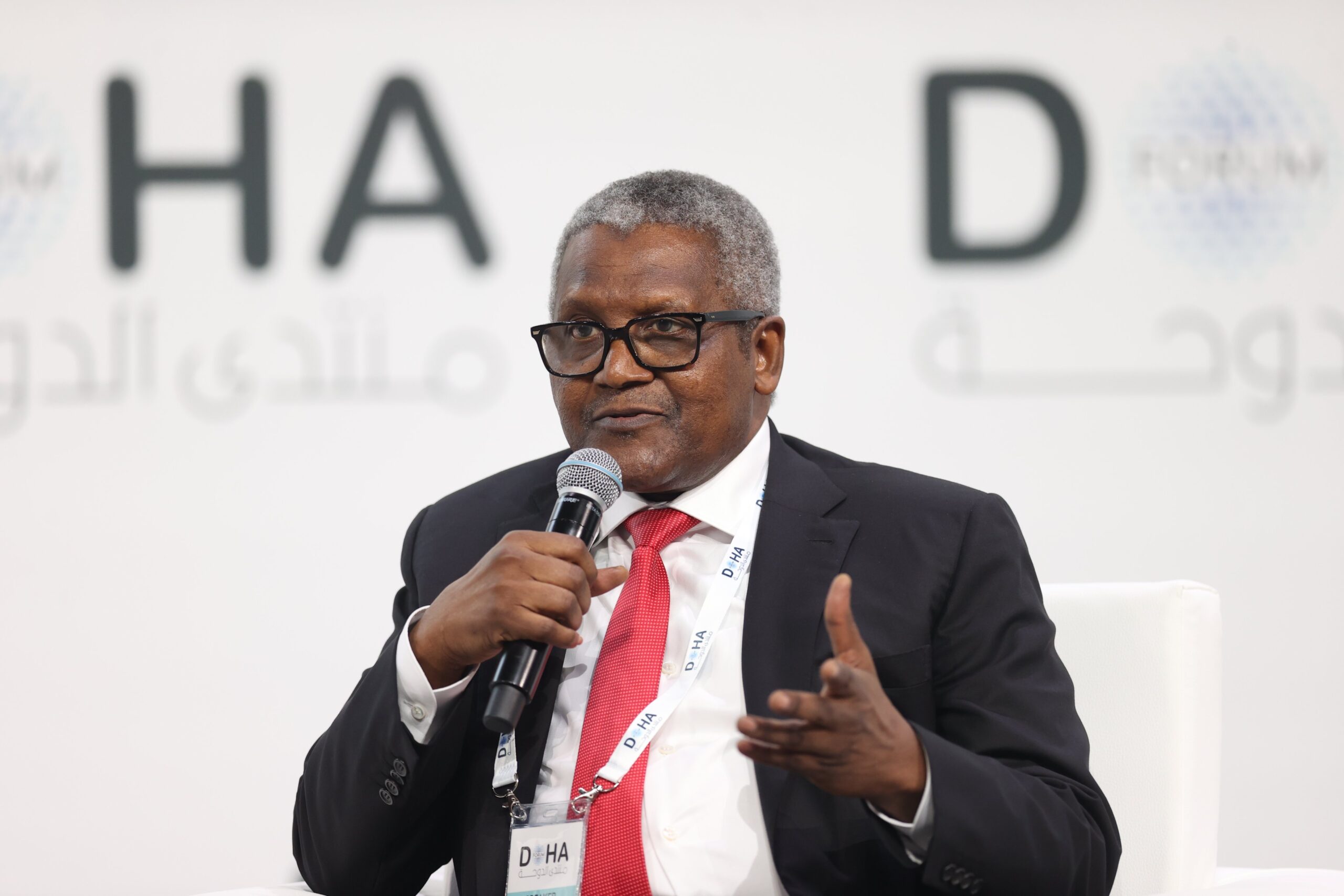
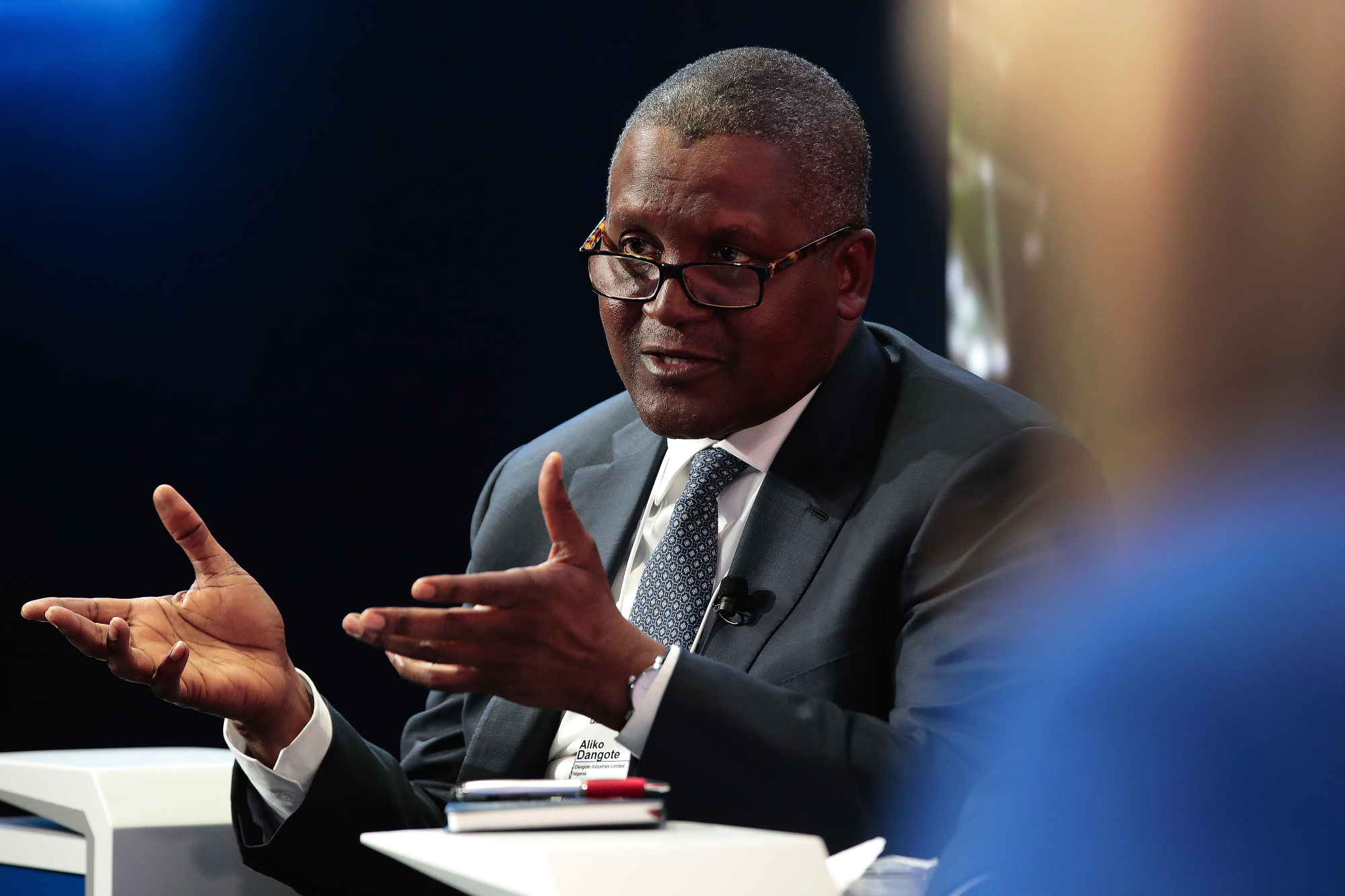
As of 2026, Aliko Dangote’s net worth is estimated to be between $15.5 billion and $21 billion, depending on market fluctuations and currency valuation. He remains the richest person in Africa, a title he has held for over a decade, and consistently ranks within the top 100 to 150 wealthiest individuals globally on the Bloomberg Billionaires Index and Forbes.
The Architecture of Africa’s Largest Fortune
To understand Aliko Dangote’s net worth in the world, one must look beyond a single number and examine the industrial conglomerate that fuels it. Dangote’s wealth is not built on speculative technology or volatile digital assets; it is rooted in "bricks and mortar" industries—cement, sugar, salt, flour, and, most recently, petroleum refining.
The primary vehicle for his wealth is Dangote Industries Limited, a diversified conglomerate headquartered in Lagos, Nigeria. The jewel in this crown is Dangote Cement PLC, which is the largest cement producer in Sub-Saharan Africa. As of 2026, the company operates across ten countries, providing the literal foundation for Africa's infrastructure boom. However, the most significant shift in his global wealth standing in recent years has been the full operationalization of the Dangote Refinery and Petrochemical Complex.
The Impact of the Dangote Refinery on Global Standing
The year 2026 represents a pivotal era for Dangote's financial profile because it marks the period where the 650,000 barrels-per-day (bpd) refinery in Lekki, Nigeria, has reached steady-state production. For years, Dangote’s net worth was largely tied to the cyclical construction industry. With the refinery now fully processing crude into gasoline, diesel, and aviation fuel, his portfolio has shifted toward energy—a sector with massive global cash flow.
The refinery is more than just a local asset; it is a regional disruptor. By reducing Nigeria's dependence on imported fuel, the project has historically influenced the country's foreign exchange reserves. For Dangote personally, the refinery represents a massive private asset that, if ever fully taken public, could see his net worth trajectory move closer to the top 50 richest people in the world.
Breakdown of Primary Wealth Drivers
The valuation of Aliko Dangote's fortune is derived from several publicly traded and privately held entities. Analysts typically split his assets into four main categories:
1. Dangote Cement PLC
This remains the largest contributor to his liquid net worth. Dangote Cement is listed on the Nigerian Exchange (NGX), and Dangote owns approximately 85% of the company through his holding firm. By 2026, the company's expansion into markets like Senegal, Ethiopia, and South Africa has matured, providing a hedge against the volatility of the Nigerian Naira.
2. Dangote Sugar Refinery and NASCON Allied Industries
Dangote dominates the "staples" market. Dangote Sugar is one of the largest sugar refineries in the world by capacity. NASCON (National Salt Company of Nigeria) provides essential condiments. These companies are vital because they produce "inelastic" goods—products people must buy regardless of economic conditions. This stability provides a consistent floor for his annual valuation.
3. The Fertilizer Plant
Integrated within the refinery complex is one of the world's largest urea and ammonia fertilizer plants. In an era of global food security concerns, this plant has become a massive exporter, particularly to the Brazilian and American markets. The ability to earn revenue in US Dollars while operating with local costs is a primary reason his net worth has remained resilient despite local currency devaluations.
4. Private Assets and Real Estate
Beyond the industrial giants, Dangote holds significant private investments in real estate (including luxury properties in London and Lagos), a private jet fleet, and a world-class yacht. However, these represent a small fraction of his overall industrial-focused net worth.
Financial Performance and Sector Comparison
The following table illustrates the approximate distribution of Dangote’s industrial interests and their impact on his global wealth standing as of 2026:
| Business Entity | Primary Industry | Market Position | Impact on Net Worth |
|---|---|---|---|
| Dangote Cement | Construction | #1 in Sub-Saharan Africa | Extremely High (Primary Driver) |
| Dangote Refinery | Energy/Oil & Gas | Largest Single-Train Refinery | High (Growth Catalyst) |
| Dangote Fertilizer | Agriculture | Global Exporter | Medium (FX Revenue Source) |
| Dangote Sugar | Consumer Goods | Regional Leader | Medium (Stability) |
| NASCON Allied | Consumer Goods | Dominant Player in Nigeria | Low to Medium |
The Role of Currency Volatility in Valuation
When discussing Aliko Dangote’s net worth in the world, one cannot ignore the impact of the Nigerian Naira (NGN). Because the majority of Dangote’s assets are based in Nigeria, their value is often reported in Naira on local exchanges. However, global wealth trackers like Forbes and Bloomberg convert this value into US Dollars.
In years where the Naira weakens against the Dollar, Dangote’s "global" net worth can appear to drop by billions, even if his companies are actually growing and producing more goods. Conversely, as the refinery and fertilizer plants have increased their export capacities, Dangote has gained access to more "hard currency" (USD) revenue. This transition to an export-heavy model has made his 2026 net worth much more stable than it was a decade ago, as he is no longer solely reliant on the domestic Nigerian economy.
Strategic Business Philosophy: Vertical Integration
A core reason why Dangote has remained at the top of the global wealth lists is his commitment to vertical integration. He does not just sell a product; he controls the supply chain.
- Logistics: Dangote owns one of the largest truck fleets in Africa to distribute his own cement and sugar.
- Power: His factories often have their own captive power plants to avoid the inefficiencies of the national grid.
- Raw Materials: He invests heavily in mining (for limestone) and farming (for sugarcane) to ensure his factories never stop running.
This "Dangote Way" reduces operational risk and maximizes profit margins, which in turn inflates the valuation of his companies and his personal net worth.
Comparison with Other Global Billionaires
In the global context, Dangote’s fortune is unique. Unlike the tech billionaires of Silicon Valley (such as Elon Musk or Jeff Bezos), whose wealth is often driven by speculative stock multiples and future growth projections, Dangote’s wealth is based on physical output.
While he may not reach the $100 billion+ heights of the "Centibillionaires," his position within the top 100 is arguably more "industrialized." In 2026, he remains the standard-bearer for African capital. His wealth is often compared to the industrial titans of the early 20th century in the United States, such as Andrew Carnegie or John D. Rockefeller, due to his focus on the essential building blocks of a developing economy.
Challenges and Future Outlook
Even in 2026, maintaining a massive net worth in an emerging market comes with significant challenges. Political stability in West Africa, changes in trade policies (such as the African Continental Free Trade Area - AfCFTA), and global oil price fluctuations all play a role in his valuation.
The key for Dangote moving forward is the successful transition from a "Nigerian billionaire" to a "Global Energy Mogul." If the petrochemical wing of his business continues to expand its reach into European and American markets, his net worth could see a secondary "surge" as investors re-rate his companies from local industrial stocks to global energy stocks.
FAQs: Aliko Dangote’s Wealth
Is Aliko Dangote still the richest man in Africa in 2026?
Yes, Aliko Dangote remains the richest man in Africa. While challengers like Johann Rupert and Nicky Oppenheimer occasionally see their valuations rise due to luxury goods and diamond market shifts, Dangote’s industrial base provides a larger and more consistent capital foundation.
How does the Dangote Refinery affect his global ranking?
The refinery is a "value multiplier." Because it is a private asset, its valuation is based on projected earnings and comparable global refinery multiples. As the refinery reaches full capacity in 2026, it adds significant "unlisted" wealth to his portfolio that may not be fully captured by daily stock market tickers.
Does Aliko Dangote own 100% of his companies?
No. While he is the majority shareholder in the Dangote Group, several of his key companies, including Dangote Cement and Dangote Sugar, are publicly traded on the Nigerian Exchange (NGX). He typically maintains a controlling stake of around 80% to 85% in these entities.
What is the source of Dangote's initial wealth?
Contrary to some myths, Aliko Dangote did not start from nothing, but he built his empire through trade. He received a small business loan from his uncle in the late 1970s to trade commodities like cement, rice, and sugar. He then transitioned from trading to manufacturing in the late 1990s, which is where his multi-billion dollar fortune was truly forged.
How much of his net worth is liquid cash?
Billionaires of Dangote's scale rarely hold significant wealth in liquid cash. The vast majority of his net worth is tied up in equity (stocks) of his various companies and the value of his industrial machinery and infrastructure.
Practical Recommendation for Observers
For those tracking Aliko Dangote’s net worth for investment or research purposes, it is essential to monitor the Dangote Cement (DANGCEM) share price on the Nigerian Exchange and global crude oil prices. These two factors are the most significant lead indicators of his financial health. Furthermore, keep an eye on official reports from the Aliko Dangote Foundation, as his philanthropic commitments often involve the transfer of shares or capital, which can impact his personal balance sheet.