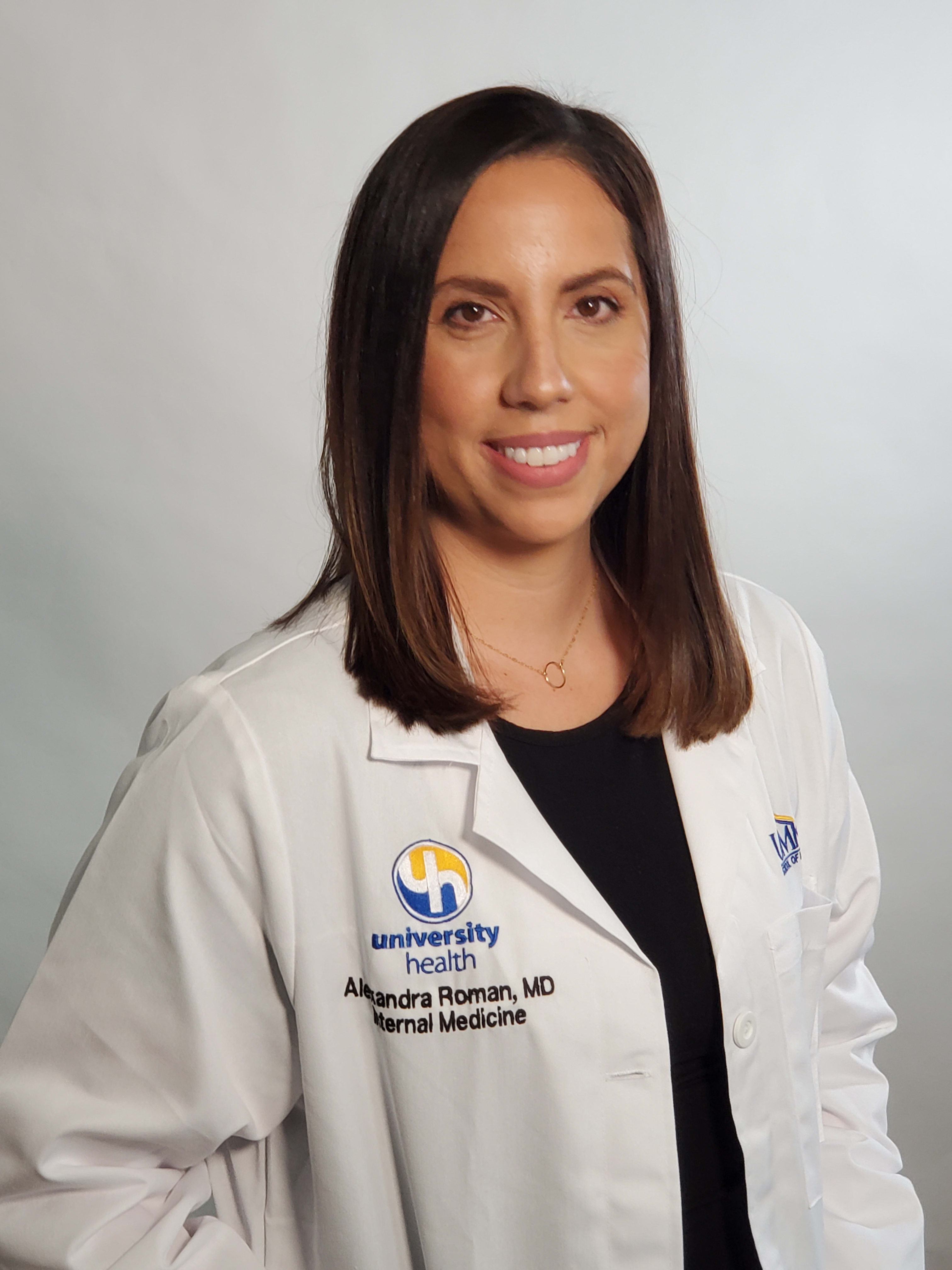
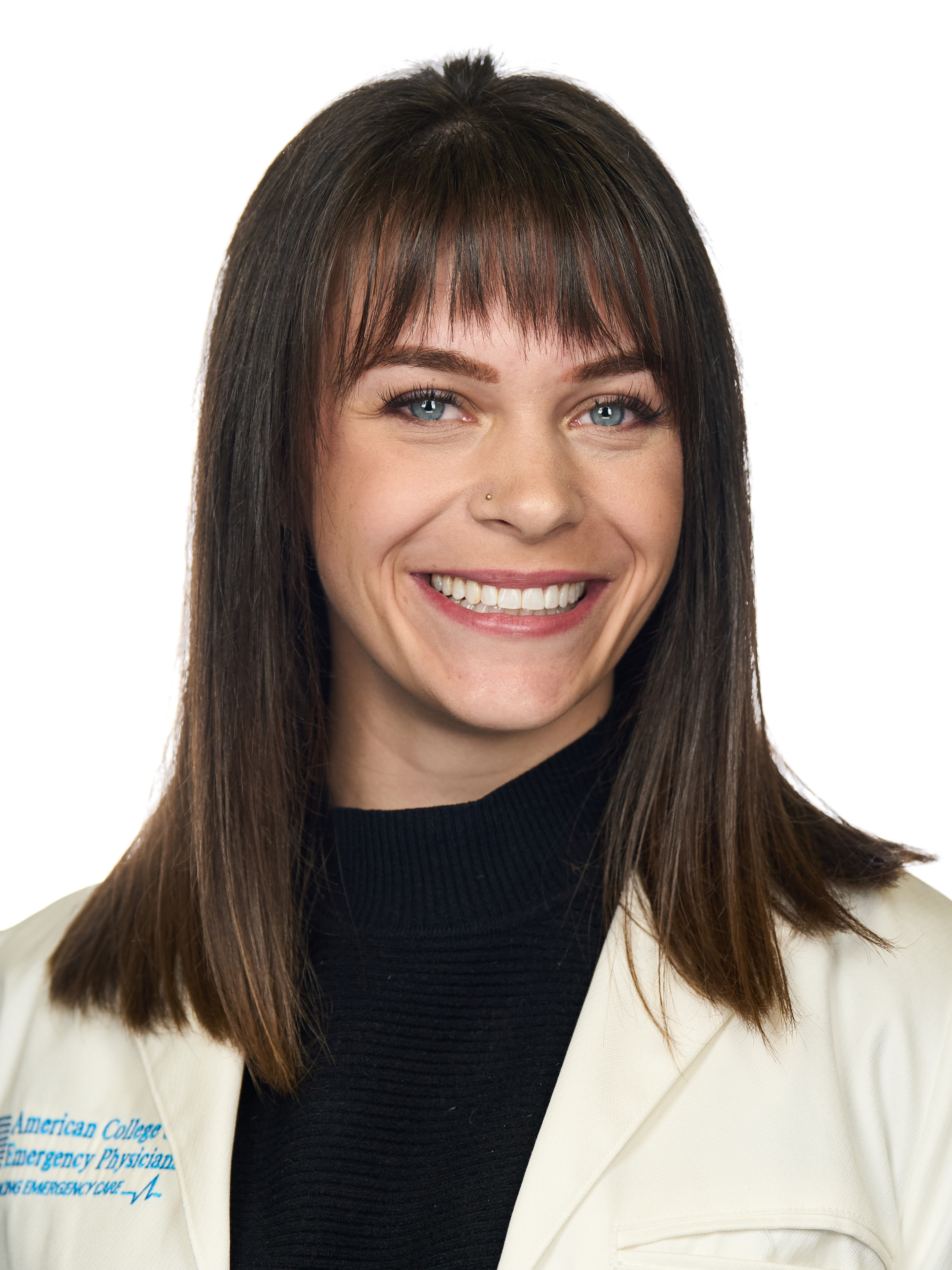
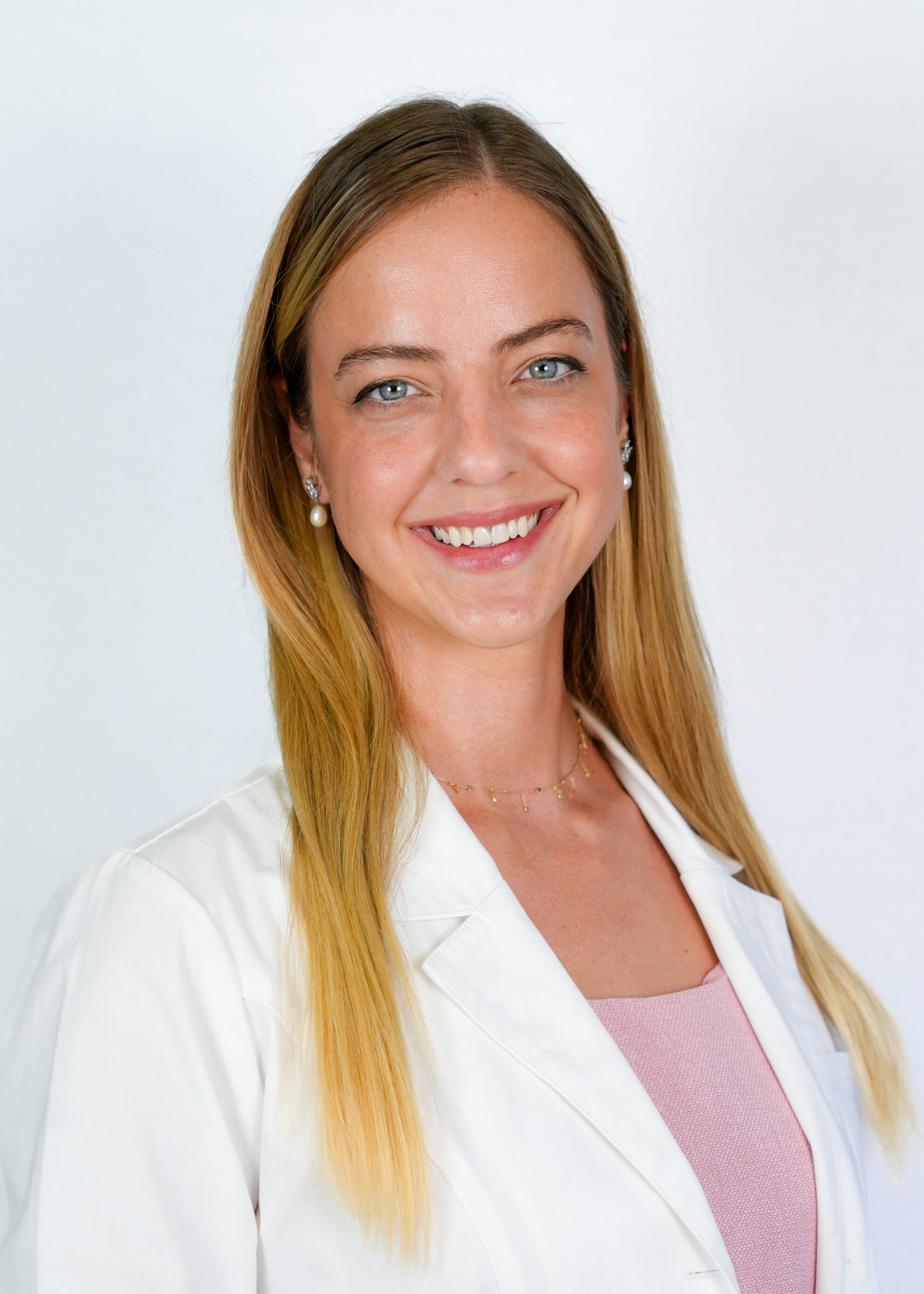
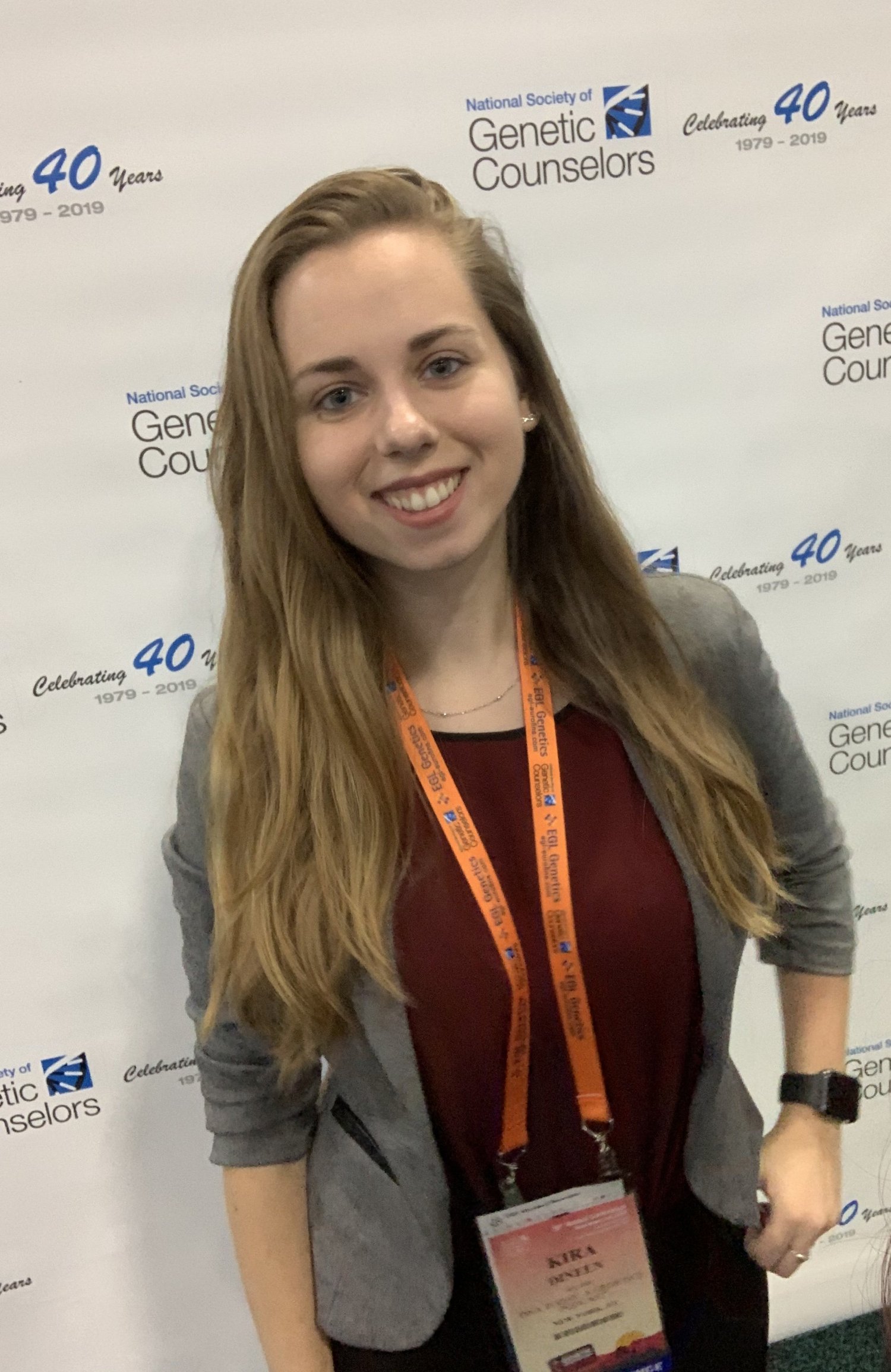
Alexandra Hardy successfully transitioned from a high-pressure career in medicine to become a renowned professional photographer, specializing in lifestyle, portraiture, and commercial storytelling. Her journey illustrates a profound shift from clinical observation to artistic expression, utilizing the empathy and discipline gained in healthcare to create a distinctive, human-centric visual style that resonates in the 2026 creative market.
The narrative of a professional pivot is rarely a straight line, but for Alexandra Hardy, the move from the hospital wards to the photography studio represents a deliberate realignment of values. While the two fields may seem diametrically opposed—one rooted in biological science and the other in aesthetic interpretation—Hardy’s work proves that the "clinical eye" and the "artistic eye" share a fundamental requirement: the ability to see and understand the human condition.
The Clinical Foundation: Life Before the Lens
Before establishing herself as a fixture in the photography industry, Alexandra Hardy spent years immersed in the medical profession. Her background in nursing provided a rigorous training ground that most photographers never experience. In the medical field, practitioners are taught to observe minute details, maintain composure under extreme pressure, and develop an almost intuitive sense of empathy for patients in vulnerable states.
In the clinical setting, Hardy’s primary responsibility was the care and monitoring of patients. This required an acute attention to detail—a skill that translates directly to the technical demands of photography. Whether it was monitoring vital signs or noticing the subtle changes in a patient's complexion, her medical training sharpened her visual acuity. By the time she decided to pursue photography full-time, she already possessed a disciplined approach to work that allowed her to navigate the complexities of lighting, composition, and post-production with a methodical precision.
The medical environment is also one of high stakes and rapid decision-making. This "triage" mindset is surprisingly useful on a commercial photo set, where lighting conditions change, equipment fails, or subjects become fatigued. Hardy’s ability to remain calm and find solutions in real-time became a hallmark of her professional reputation as she moved into the creative arts.
The Catalyst for Change: Pursuing a Creative Calling
The transition from medicine to photography was not an overnight decision, but rather a gradual realization that her passion for visual storytelling outweighed her commitment to clinical practice. Like many healthcare professionals, Hardy faced the intense emotional and physical demands of the medical industry. Over time, the need for a creative outlet became a necessity for her own well-being.
Photography began as a restorative practice—a way to reclaim a sense of beauty and stillness outside the chaotic environment of the hospital. However, as she began to share her work, the response was immediate. Her images possessed a raw, honest quality that reflected her deep understanding of human emotion. The "why" behind her pivot was rooted in a desire to connect with people in a different capacity. In medicine, the goal is often to fix or treat; in photography, Hardy found the power to celebrate and document life as it is.
By 2026, career pivots of this nature have become more common as professionals seek "portfolio careers" that prioritize personal fulfillment. Hardy’s story remains a primary example of how a "left-brain" technical background can provide a sturdy framework for a "right-brain" creative career.
Bridging the Gap: Transferable Skills from Healthcare
One of the most significant advantages Alexandra Hardy brought to her photography career was her "bedside manner." In photography, particularly in portraiture and lifestyle sessions, the comfort of the subject is paramount. A subject who feels judged or uncomfortable will appear stiff and unnatural on camera.
Empathy and Subject Rapport
Hardy’s years of interacting with patients from all walks of life gave her a unique ability to put people at ease. She understands how to read body language and how to use soft, reassuring communication to break down the barriers between the photographer and the subject. This skill is invaluable when working with non-professional models or corporate clients who may be camera-shy.
Technical Precision and Workflow
The medical field demands strict adherence to protocols and a high level of technical competency. Hardy applied this same rigor to learning the mechanics of her camera and the physics of light. In an era where digital tools and AI-driven editing have become standard, her foundational knowledge of manual settings and "getting it right in-camera" sets her work apart.
Ethical Standards and Privacy
Working in medicine involves a deep respect for patient confidentiality and ethics. Hardy carried these values into her photography business, ensuring that her clients’ privacy is respected and that her images are captured and shared with integrity. This ethical backbone has made her a trusted choice for sensitive documentary projects and high-profile commercial campaigns.
Establishing a Niche: The "Hardy Style" in 2026
As of 2026, Alexandra Hardy has carved out a specific niche that blends editorial elegance with documentary honesty. Her work is often characterized by the use of natural light, muted color palettes, and a focus on authentic moments rather than staged poses.
Lifestyle and Commercial Photography
Hardy’s commercial work often focuses on brands that value "humanity." She has worked with healthcare organizations, wellness brands, and lifestyle companies to create imagery that feels relatable. Because she understands the medical world from the inside, she is frequently sought after to shoot in clinical environments, bringing a level of authenticity that photographers without a medical background often miss. She knows how to navigate a hospital or lab without disrupting the workflow, and she knows which moments truly represent the care being provided.
Portraiture with Depth
Her portraits are more than just likenesses; they are character studies. By spending time getting to know her subjects—much like a nurse gets to know a patient—she is able to capture expressions that feel genuine. In 2026, where "perfect" AI-generated faces are everywhere, the "flawed" and beautiful reality of Hardy’s human portraits has seen a significant surge in demand.
Navigating the Business of Photography
Transitioning to a creative career also meant becoming an entrepreneur. For a medical professional used to a structured salary and organizational support, the shift to a freelance business model presented a steep learning curve.
Hardy had to master:
- Brand Development: Defining her visual identity and "USP" (Unique Selling Proposition) as the "doctor-turned-photographer" (or nurse-turned-photographer).
- Marketing and SEO: Ensuring her portfolio reached the right art directors and private clients.
- Financial Management: Handling taxes, equipment depreciation, and fluctuating income cycles.
- Networking: Building relationships within the creative community, which operates very differently from the medical community.
Her success in these areas is a testament to her adaptability. She treated the business of photography with the same seriousness she treated her medical board exams, investing in mentorship and continuous learning to ensure her studio remained profitable and sustainable.
Comparative Analysis: Medicine vs. Photography Career
The following table outlines the core differences and surprising similarities between the two fields as experienced by Alexandra Hardy.
| Feature | Medical Career (Former) | Photography Career (Current 2026) |
|---|---|---|
| Primary Objective | Patient health and safety | Visual storytelling and branding |
| Key Skill | Clinical observation and diagnostics | Composition and light manipulation |
| Work Environment | Hospital/Clinics (Structured) | Studio/On-location (Variable) |
| Human Interaction | Patient care and advocacy | Subject rapport and creative direction |
| Tools of the Trade | Medical devices and EMR systems | High-resolution cameras and editing software |
| Decision Making | Evidence-based and immediate | Aesthetic-based and iterative |
| Stakes | Physical life and well-being | Emotional resonance and brand value |
Challenges and Overcoming the "Imposter Syndrome"
One of the most difficult hurdles Hardy faced was the internal battle with imposter syndrome. In medicine, your authority is often validated by degrees, certifications, and a clear hierarchy. In the arts, validation is subjective.
Hardy initially struggled with the "creative" label, wondering if her technical, science-based background would hinder her artistic growth. However, she eventually realized that her unique perspective was her greatest asset. She didn't need to "forget" her medical training to be a photographer; she needed to integrate it. By 2026, she has become a mentor to other career-changers, teaching them how to leverage their "past lives" to fuel their current creative endeavors.
Practical Advice for Career Changers in 2026
For those looking at Alexandra Hardy’s journey as a blueprint for their own transition, several key steps are essential:
- Start as a "Side-Hustle": Hardy did not quit her medical job immediately. She built her portfolio and client base during her off-hours, ensuring she had a financial safety net.
- Invest in Education: While she had the "eye," she invested in workshops and technical courses to ensure her skills were professional-grade.
- Identify Your Transferable Skills: Don't view your previous career as "lost time." Identify the skills (organization, empathy, technical proficiency) that can be applied to your new field.
- Network Outside Your Bubble: Attend industry events and join professional organizations like the Royal Photographic Society or the Association of Photographers to build a new professional circle.
- Refine Your Story: Be prepared to explain your transition. Clients love a good narrative, and Hardy’s "medicine to photography" story is a powerful marketing tool.
Frequently Asked Questions
Did Alexandra Hardy go to film school or art school?
While she participated in numerous professional workshops and intensive training programs, she is largely considered a "transition professional." She utilized her existing disciplined study habits to master the technical aspects of photography, often citing that her medical background provided a foundation for "lifelong learning" that made self-study highly effective.
What equipment does Alexandra Hardy use in 2026?
Hardy typically favors mirrorless systems (such as the Sony Alpha or Canon R series) for their portability and silent shooting capabilities—features that are particularly useful when shooting in sensitive environments. She is also a proponent of high-quality prime lenses, which allow her to capture the shallow depth of field and soft "bokeh" that define her portrait style.
Is she still involved in the medical community?
Yes, but in a creative capacity. Hardy frequently collaborates with medical journals, NGOs, and healthcare brands to provide high-quality editorial imagery. Her deep understanding of medical ethics and procedures makes her a preferred photographer for projects that require a sensitive, knowledgeable approach to clinical subjects.
How can I book Alexandra Hardy for a shoot?
In 2026, Hardy primarily works through her dedicated studio website and is represented by creative agencies for large-scale commercial projects. Prospective clients usually begin with a consultation to ensure their vision aligns with her naturalistic, story-driven aesthetic.
What is her stance on AI in photography?
Hardy views AI as a tool for efficiency—such as for culling images or basic retouching—but maintains that the "soul" of a photograph comes from the human connection between the photographer and the subject. She advocates for "authentic photography," believing that her medical background’s focus on real human experience is something that AI cannot replicate.
Final Recommendation: Integrating Your Past into Your Future
Alexandra Hardy’s transition from medicine to photography is a masterclass in career evolution. The most important takeaway for anyone considering a similar path is to embrace the totality of your experience. Your past career is not a hurdle; it is the lens through which you view the world.
If you are a professional in a technical or scientific field looking to move into the arts, start by identifying the human elements of your current work. Use those insights to inform your creative voice. Like Hardy, you may find that the discipline of your first career is exactly what allows your second career to flourish.