Managing air conditioning in Sugar Land requires a specialized approach due to the region's extreme humidity and prolonged cooling season. Homeowners must prioritize high-efficiency SEER2-rated systems, precise load calculations, and proactive preventative maintenance to ensure reliable indoor comfort and manageable utility costs in the Gulf Coast’s challenging subtropical climate.
The Sugar Land Climate Challenge: Why Local AC Systems Work Harder
Sugar Land, Texas, sits in a humid subtropical zone where the cooling season typically extends from late March through early November. Unlike arid climates where air conditioners primarily focus on "sensible heat" (lowering the actual temperature), systems in Sugar Land must perform an enormous amount of work on "latent heat"—the moisture suspended in the air.
In 2026, air conditioning technology has pivoted toward better moisture management. High humidity levels in the Houston-Sugar Land-Baytown metro area often exceed 80% in the mornings, dropping only slightly during the day. If an AC system is not specifically calibrated for this latent load, the home will feel "clammy" even if the thermostat reads 72°F. This discrepancy often leads residents to lower their thermostats even further, causing the system to overwork, shortening its lifespan, and driving up electricity bills.
Effective cooling in this region is not just about power; it is about sustained, low-speed operation that allows the evaporator coil enough time to wring moisture out of the air. This is why variable-speed compressors have become the gold standard for Sugar Land residential properties.
Understanding SEER2 and Efficiency Standards in 2026
As of the current 2026 standards, the Department of Energy (DOE) continues to enforce the SEER2 (Seasonal Energy Efficiency Ratio 2) metrics, which replaced the original SEER ratings to better reflect real-world external static pressure. In the Southern region, which includes Sugar Land, the minimum efficiency requirements are stricter than in the North.
For split-system air conditioners in Texas, the minimum requirement is 14.3 SEER2 (equivalent to the old 15 SEER). However, given the local electricity rates and the sheer number of cooling hours per year, most Sugar Land HVAC experts recommend a minimum of 16 to 18 SEER2 for a meaningful return on investment.
The Benefits of High-Efficiency Ratings
- Reduced Operational Costs: Moving from a 10-year-old 13 SEER system to a modern 18 SEER2 system can reduce cooling-related energy consumption by 30% to 50%.
- Enhanced Dehumidification: Higher-tier systems often include variable-speed blowers that adjust airflow based on the humidity levels detected by smart thermostats.
- Incentives and Rebates: Many local utility providers and federal programs offer rebates for installations that exceed the minimum SEER2 requirements, helping to offset the initial capital expenditure.
Sizing and Installation: The Importance of Manual J Calculations
One of the most common mistakes in Sugar Land air conditioning is "oversizing." Many homeowners believe a 5-ton unit is inherently better than a 4-ton unit because it provides more cooling power. In reality, an oversized unit will "short cycle," turning on and off rapidly. This prevents the system from running long enough to remove humidity, leading to potential mold growth and uneven temperatures.
Professional contractors in Sugar Land must perform a Manual J Load Calculation. This technical assessment considers:
- The total square footage and ceiling height.
- The orientation of the house (which side receives the afternoon sun).
- The type and R-value of insulation in the attic and walls.
- The number and efficiency of windows (e.g., double-pane vs. single-pane).
- Air leakage rates (infiltration).
In 2026, precision in sizing is mandatory for compliance with local building codes and to ensure the longevity of the equipment. A system that is correctly sized for a Sugar Land home will run for longer periods at lower intensities, which is far more efficient than frequent, high-powered bursts.
Cost Analysis for Sugar Land Homeowners (2026)
The cost of air conditioning replacement in Sugar Land varies based on the tonnage of the unit, the efficiency rating, and the complexity of the existing ductwork. While prices have stabilized compared to the volatility of the early 2020s, labor and high-end components remain significant investments.
| System Tier | Efficiency (SEER2) | Average Cost (Installed) | Best For |
|---|---|---|---|
| Standard | 14.3 - 15.2 | $6,500 - $9,000 | Rental properties or budget-conscious replacements. |
| Mid-Range | 16 - 18 | $9,500 - $13,500 | Average Sugar Land family homes looking for a balance of cost and comfort. |
| High-Efficiency | 19 - 24+ | $14,000 - $20,000+ | Homeowners prioritizing maximum dehumidification and lowest monthly bills. |
These estimates typically include the condenser (outdoor unit), the evaporator coil (indoor unit), a new thermostat, and minor ductwork modifications. If a full ductwork replacement is required—which is often the case in older Sugar Land neighborhoods like First Colony or Belknap Brookside—homeowners should budget an additional $3,000 to $6,000.
Maintenance and Longevity: Protecting Your Investment
In a climate as demanding as Southeast Texas, a neglected AC system will rarely last beyond 10 to 12 years. Conversely, a well-maintained system can often provide reliable service for 15 to 20 years. Maintenance in Sugar Land should be performed twice annually: once in the spring before the heat peaks, and once in the fall.
Essential Maintenance Tasks
- Evaporator and Condenser Coil Cleaning: Dust and grime insulate the coils, forcing the system to work harder to exchange heat. In Sugar Land, "cottonwood" seeds and lawn debris often clog outdoor units in the spring.
- Condensate Drain Line Clearing: High humidity results in significant water runoff. Algae and sludge can block the drain lines, leading to water damage in your ceiling or attic. Regular flushes with vinegar or approved tablets are essential.
- Filter Replacements: Using a high-quality pleated filter (MERV 8 to 11) is recommended. However, filters with too high a MERV rating can restrict airflow in older systems, leading to a frozen evaporator coil.
- Refrigerant Level Verification: Modern systems use R-454B or R-32 (the successors to R-410A). Ensuring there are no leaks is critical for both efficiency and environmental protection.
Indoor Air Quality and Humidity Control
Air conditioning in Sugar Land is as much about air quality as it is about temperature. Because homes are built tightly to keep out the heat, pollutants such as allergens, volatile organic compounds (VOCs), and mold spores can become trapped.
Many homeowners are now integrating Whole-Home Dehumidifiers into their HVAC systems. These units work alongside the AC to maintain indoor humidity between 45% and 55%, even when the AC isn't running. This is particularly useful during the "shoulder seasons" (October and April) when it is humid outside but not hot enough to trigger the air conditioner.
Additionally, UV germicidal lights installed in the air handler can prevent mold growth on the damp evaporator coils, which is a common issue in the Fort Bend County area.
Troubleshooting Common Issues in Sugar Land
Before calling a technician, Sugar Land residents should be aware of a few common issues that often arise due to the local environment:
- The System is Running but Not Cooling: This is often a sign of a "tripped" float switch. If the condensate drain line is clogged, the water backs up into a pan, and a switch kills power to the unit to prevent a flood. Clearing the line often restores function.
- Ice on the Outdoor Unit: This usually indicates restricted airflow (a very dirty filter) or a refrigerant leak. Turn the system off immediately to allow it to defrost; running it while frozen can destroy the compressor.
- Frequent Cycling: If the unit turns on and off every few minutes, it may be oversized, or the thermostat may be placed in a "dead zone" where it isn't accurately reading the home's temperature.
Navigating Permits and Regulations
The City of Sugar Land requires mechanical permits for the replacement of air conditioning systems. This ensures that the installation meets the International Residential Code (IRC) and that the equipment is properly matched for efficiency. Working with a licensed contractor who handles the permitting process is vital, as it protects the homeowner's property value and ensures the system is safe. For residents within Homeowners Associations (HOAs), such as those in Greatwood or New Territory, there may also be specific requirements regarding the placement and screening of outdoor condenser units to maintain neighborhood aesthetics.
Frequently Asked Questions
What is the ideal thermostat setting for Sugar Land summers?
The Department of Energy recommends setting the thermostat to 78°F when you are at home. However, in Sugar Land's humidity, many find 72°F to 75°F more comfortable. To save money, use ceiling fans to create a wind-chill effect, which allows you to feel comfortable at a slightly higher temperature setting.
How often should I change my AC filters in Texas?
In a typical Sugar Land home, filters should be checked monthly and changed at least every 90 days. If you have pets or suffer from allergies, monthly changes are recommended during the peak summer months when the system runs almost continuously.
Is a heat pump better than a traditional AC for Sugar Land?
Yes, in 2026, heat pumps are highly recommended for the Sugar Land area. Since our winters are mild, high-efficiency heat pumps provide excellent cooling in the summer and are much more efficient than gas furnaces or electric heat strips during our brief cold snaps.
Why is my AC blowing warm air?
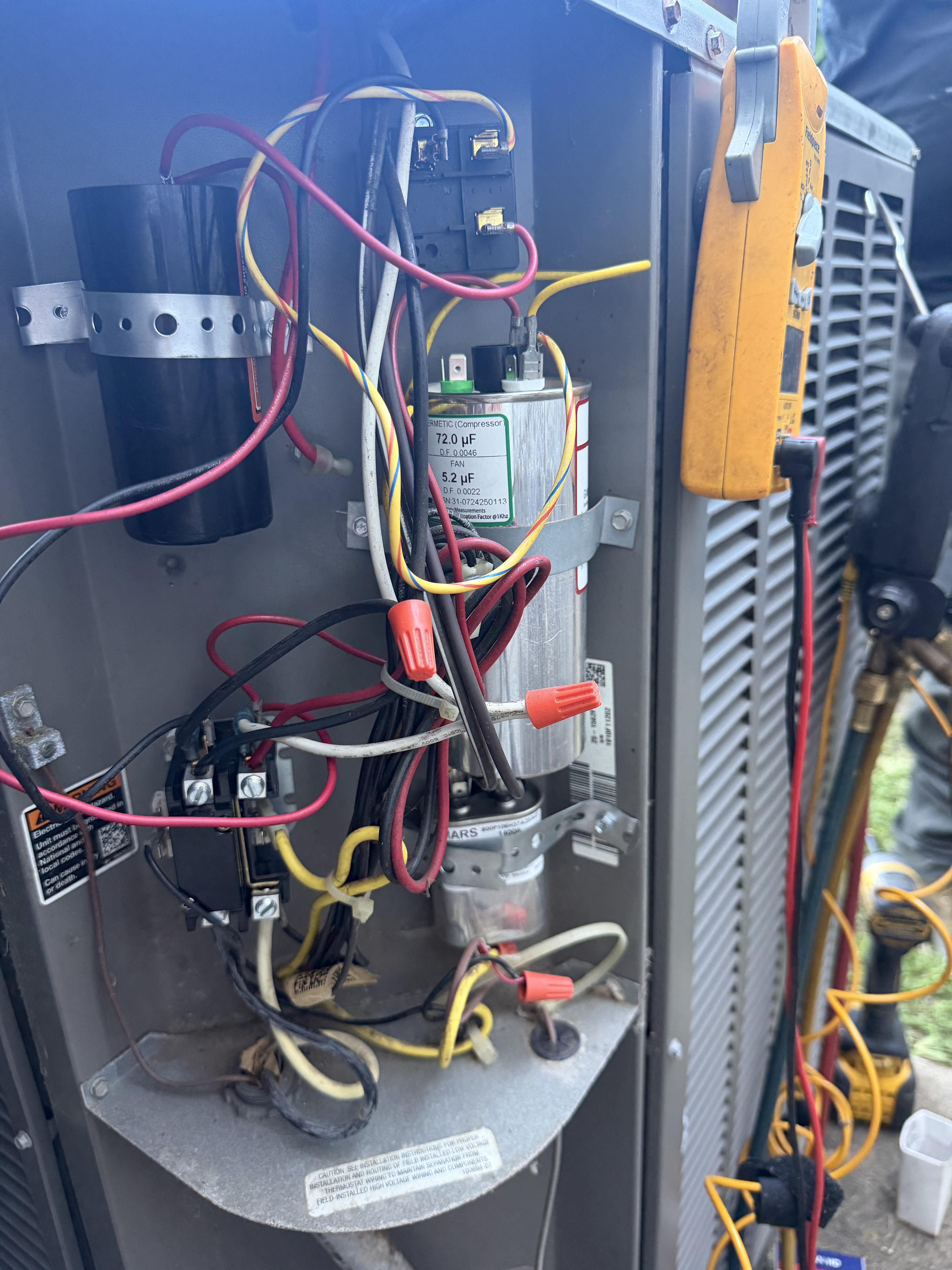
Common causes include a tripped circuit breaker for the outdoor unit, a failed capacitor (which starts the compressor), or a refrigerant leak. Check your breakers first, but if the fan is spinning and the air is warm, you likely need a professional diagnostic.
Can I spray my outdoor AC unit with a hose to cool it down?
While cleaning the fins with a gentle stream of water to remove dust is good maintenance, spraying the unit constantly to "help it cool" is not recommended. It can lead to mineral buildup on the coils and does not address the underlying efficiency issues.
Practical Recommendation for Homeowners
For those living in Sugar Land, the most effective strategy for long-term AC performance is to move toward a communicating, variable-speed system. Unlike traditional "single-stage" units that are either 100% on or 100% off, variable-speed systems can operate at as low as 25% capacity. This allows for constant, whisper-quiet airflow that provides superior dehumidification, which is the single most important factor for comfort in the Texas Gulf Coast region. Always ensure your contractor provides a written Manual J calculation and verifies that your existing ductwork can handle the static pressure requirements of a modern high-efficiency system.