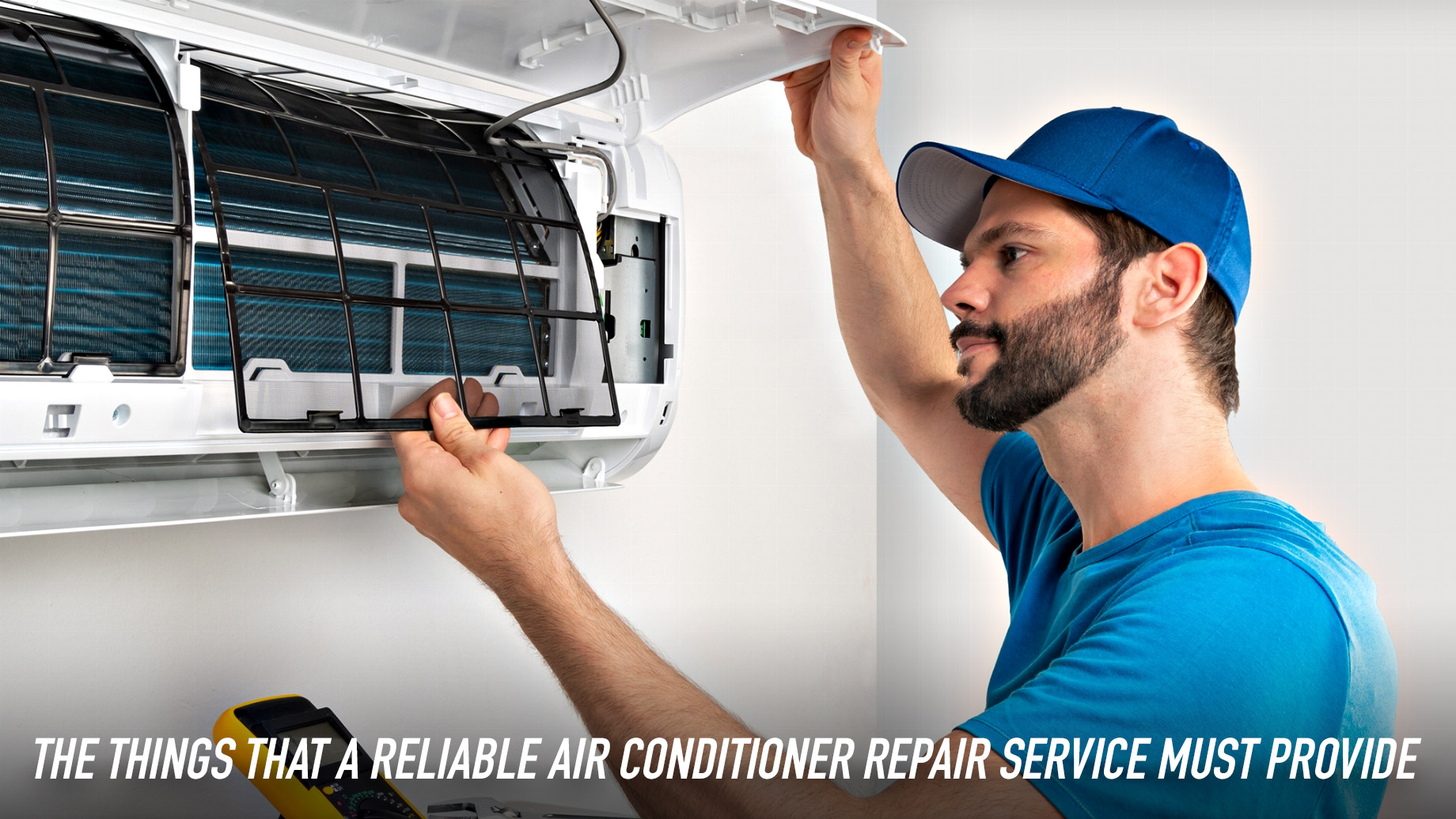
When a cooling system fails during the peak of a Central Texas summer, understanding your options for air conditioner repair in Austin, TX, becomes an urgent priority. This comprehensive service overview covers everything homeowners need to know, from identifying early warning signs and assessing emergency scenarios to understanding repair costs, selecting licensed local technicians, and executing routine maintenance that prevents future breakdowns.
Understanding the Austin Climate and Cooling Demands
Austin’s geographic location places intense, prolonged stress on residential and commercial cooling equipment. Summers routinely feature ambient temperatures exceeding 100 degrees Fahrenheit for weeks at a time, accompanied by significant humidity. Under these grueling operating conditions, air conditioning units rarely cycle off entirely, running continuously to maintain comfortable indoor temperatures.
This relentless demand accelerates mechanical wear and tear. Electrical components, including capacitors and contactors, endure immense thermal stress. Compressors work at maximum capacity, and airflow pathways accumulate dust, pet dander, and airborne debris quickly. Consequently, systems that might last 15 years in milder climates often experience component fatigue much earlier in Central Texas, making prompt repair and professional upkeep indispensable for home comfort and structural integrity.
Common Air Conditioner Problems in Central Texas
Recognizing the specific symptoms of a struggling or failing air conditioner helps homeowners catch minor issues before they escalate into catastrophic system failures. Central Texas technicians regularly diagnose a distinct set of recurring mechanical and electrical malfunctions.
Refrigerant Leaks and Low Charge
Refrigerant is the chemical compound responsible for absorbing heat from indoor air and releasing it outside. Air conditioners do not consume refrigerant during normal operation; a drop in refrigerant levels always indicates a leak.
- Symptoms: Hissing or bubbling noises near the evaporator coil, ice buildup on the indoor copper lines or outdoor unit, and air coming from supply vents that feels lukewarm rather than cold.
- Resolution: A licensed technician must locate the leak using electronic detectors or UV dye, repair the breach, and recharge the system to the manufacturer’s precise specifications. Simply adding refrigerant without repairing the leak violates environmental regulations and provides only a temporary fix.
Electrical Component Failures (Capacitors and Contactors)
The intense heat inside outdoor condenser units places severe stress on electrical components. Dual-run capacitors, which store and supply electrical energy to the compressor and fan motors, are among the most frequently replaced parts in Austin air conditioning units.
- Symptoms: The outdoor fan runs, but the compressor does not engage; the system hums loudly without starting; or the circuit breaker trips repeatedly when the cooling cycle initiates.
- Resolution: Technicians test capacitor microfarad ratings using a multimeter and replace failed units with components matching the exact voltage and capacitance requirements specified by the equipment manufacturer.
Clogged Condensate Drain Lines
As an air conditioner cools indoor air, it naturally extracts moisture through condensation. This water collects in a drain pan and flows through a PVC pipe out of the home. In Austin’s humid environment, algae, mold, and dust can easily clog this line.
- Symptoms: Water pooling around the indoor air handler unit, rusted drain pans, or water damage to ceilings and walls if the secondary float switch fails to shut the system down.
- Resolution: Clearing the line using a wet/dry vacuum, flushing with a mixture of vinegar and water, or installing preventive algae tablets in the condensate pan.
Warning Signs That Your System Needs Professional Service
Waiting until an air conditioner stops working entirely often leads to uncomfortable living conditions, premium emergency dispatch fees, and potential damage to secondary components. Homeowners should monitor their systems for subtle indicators of mechanical distress.
| Indicator | Potential Underlying Cause |
|---|---|
| Weak airflow from vents | Clogged air filter, blocked ductwork, failing blower |
| Warm air or inconsistent cooling | Low refrigerant, dirty condenser coils, faulty valves |
| Strange grinding or squealing | Worn-out motor bearings, loose belts, debris in fan |
| Musty or burning odors | Mold growth in ductwork, electrical insulation burning |
| Short cycling (turning on/off) | Oversized unit, thermostat malfunction, overheating |
Addressing these signs early prevents minor friction or wear from causing compressor burnout or electrical failure, which represent the most expensive repair categories.
Emergency Repairs Versus Routine Service Calls
Knowing when to call for emergency after-hours service versus scheduling a standard appointment helps manage repair budgets effectively.
When to Call for Emergency Service
- Complete System Failure in Extreme Heat: If indoor temperatures rise to unsafe levels, particularly for elderly residents, infants, or medically vulnerable individuals, immediate dispatch is warranted.
- Electrical Burning Odors or Smoke: Any smell of melting plastic or electrical insulation indicates a severe fire hazard that requires turning off the breaker and calling a technician immediately.
- Major Water Leaks: If condensate or plumbing leaks threaten structural elements or electrical panels, emergency intervention is necessary.
Standard Service Calls
- Decreased cooling efficiency where the home still maintains a tolerable temperature.
- Minor noises that do not prevent the system from cycling correctly.
- Routine seasonal tune-ups and filter replacements.
Evaluating and Selecting an Austin Air Conditioning Contractor
Choosing the right HVAC service provider ensures that repairs are performed safely, correctly, and in compliance with local regulations. Homeowners in Austin should evaluate potential contractors against specific professional standards.
Licensing and Insurance Requirements
In Texas, anyone performing air conditioning and refrigeration maintenance or repair must hold a valid license issued by the Texas Department of Licensing and Regulation (TDLR). Homeowners should request the contractor's license number and verify it through the TDLR online database. Additionally, reputable companies carry comprehensive general liability insurance and workers' compensation coverage to protect property owners from liability during on-site work.
Certifications and Guarantees
- NATE Certification: Look for technicians certified by North American Technician Excellence (NATE), which validates deep technical knowledge in HVAC systems.
- Manufacturer Approvals: Factory-authorized dealers receive specialized training on specific brands like Trane, Carrier, Lennox, or Goodman.
- Warranty Support: Reputable service providers offer written guarantees on labor (typically one year) alongside manufacturer warranties on replaced parts.
Cost Factors for Air Conditioner Repairs in Austin, TX
Repair costs vary widely based on the nature of the malfunction, equipment age, and the specific parts required. Understanding typical pricing structures helps homeowners budget appropriately.
- Diagnostic Fees: Most Austin companies charge a standard dispatch or diagnostic fee to inspect the system and identify the problem. This fee often ranges from $75 to $150, which may be waived if the homeowner approves the recommended repair.
- Minor Repairs: Capacitor replacements, contactor swaps, and clearing clogged condensate lines generally range from $150 to $400, including parts and labor.
- Moderate Repairs: Blower motor replacements, evaporator coil cleaning, or minor electrical wiring repairs typically cost between $400 and $1,200.
- Major Repairs: Compressor replacements or extensive refrigerant leak repairs can cost anywhere from $1,200 to $2,500+. When repair costs approach 50% of the value of a new system and the equipment is over 10 years old, replacement often represents a more sound financial investment.
Preventive Maintenance to Avoid Frequent Repairs
Consistent preventive maintenance is the single most effective strategy for extending the lifespan of an air conditioning unit and maintaining peak energy efficiency.
- Monthly Air Filter Replacements: Clean filters ensure unrestricted airflow, reducing strain on the blower motor and preventing coil freeze-ups.
- Outdoor Coil Cleaning: Keeping the outdoor condenser unit free of leaves, grass clippings, and cottonwood debris allows heat to dissipate efficiently.
- Professional Tune-Ups: Scheduling bi-annual maintenance (spring cooling check and fall heating check) allows technicians to lubricate moving parts, measure electrical draw, and check refrigerant pressures before peak seasons arrive.
Frequently Asked Questions
How quickly can I expect a technician to arrive for air conditioner repair in Austin?
Most established Austin HVAC companies offer same-day service for emergency calls, particularly during peak summer months. Standard maintenance or non-urgent repairs are typically scheduled within 24 to 48 hours, depending on seasonal demand spikes.
Is it better to repair an old air conditioning unit or replace it entirely?
The decision depends on the age of the equipment, the cost of the repair, and refrigerant type. If a unit is over 10 years old, uses phased-out R-22 refrigerant, and requires a major repair like a new compressor, replacement is usually more cost-effective due to higher energy efficiency and warranty protection on new equipment.
Can I perform DIY air conditioning repairs in Texas?
Texas law strictly regulates handling refrigerants due to environmental hazards governed by the Environmental Protection Agency (EPA) Section 608. Homeowners can safely perform basic maintenance tasks such as changing air filters, clearing condensate lines, and washing outdoor coils, but all electrical and refrigerant work requires a licensed professional.
Why is my air conditioner freezing up during the summer?
An air conditioner freezes up when airflow is severely restricted (usually due to a dirty air filter or blocked vents) or when the system has a low refrigerant charge. When airflow drops, the temperature of the evaporator coil falls below freezing, causing ambient moisture to turn into ice.
Do Austin HVAC contractors offer financing options for major repairs or replacements?
Yes, many licensed mechanical contractors in Austin partner with financial institutions to provide flexible financing plans, allowing homeowners to manage the cost of unexpected emergency repairs or new system installations through monthly payments.
Recommended Next Steps
If your air conditioning system exhibits signs of failure, start by turning off the thermostat if you notice burning odors or strange grinding noises to prevent further damage. Next, verify that your air filter is clean and check your circuit breaker panel to ensure a tripped breaker isn't the sole culprit. If the problem persists, contact a licensed, TDLR-verified HVAC professional in the Austin area to schedule a diagnostic inspection and secure a transparent, written repair estimate before authorizing work.