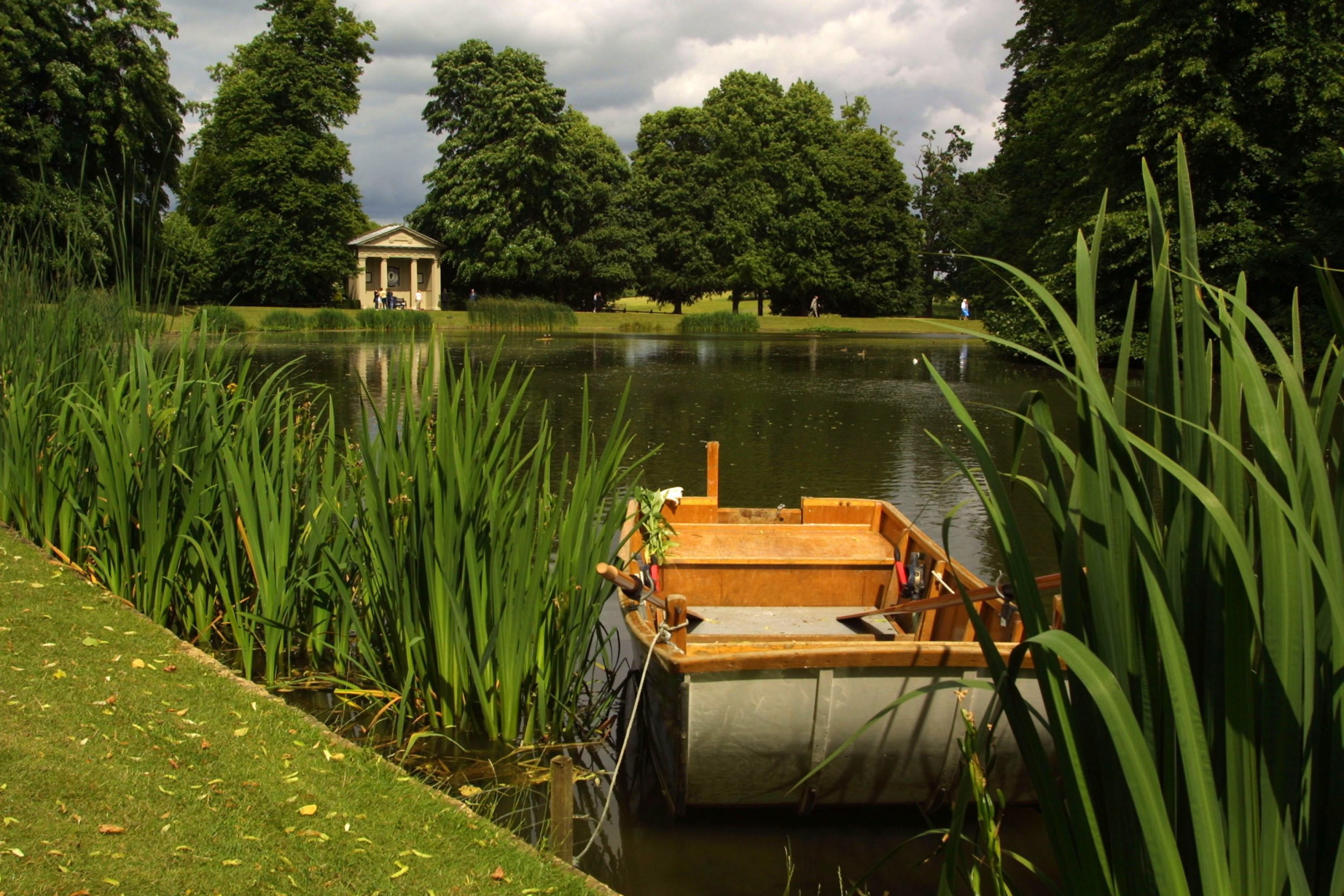
An aerial view of Princess Diana’s grave at Althorp reveals a secluded island situated in the center of the Round Oval lake, located within the 13,000-acre Spencer family estate in Northamptonshire. This private sanctuary, specifically chosen for its security and tranquility, remains off-limits to the public, though visitors can pay their respects at a dedicated memorial temple on the lake’s edge.
The final resting place of Diana, Princess of Wales, has remained a subject of global fascination since her interment in 1997. While the world mourned through a televised funeral watched by billions, her actual burial was a private family affair. Today, aerial technology and satellite imagery provide the public with a unique perspective of the site that was designed to be shielded from the prying eyes of the world. In 2026, the site continues to serve as both a private family shrine and a destination for those wishing to honor the "People’s Princess."
The Geography and Layout of the Althorp Estate
To understand the significance of the aerial view, one must first grasp the layout of Althorp House and its surrounding grounds. Althorp has been the ancestral home of the Spencer family for over 500 years. The estate is characterized by its vast parklands, ancient woodlands, and formal gardens.
The Round Oval is an ornamental lake that was modified specifically to accommodate the burial site. From an aerial perspective, the lake appears as a dark, reflective mirror set against the lush green lawns of the estate. In the center of this lake lies a small, teardrop-shaped island densely populated with trees. This island is the site of the grave itself.
The choice of an island burial was a strategic and emotional decision made by Diana's brother, Charles, the 9th Earl Spencer. By placing the grave in the middle of a body of water, the family created a physical "moat" that prevents unauthorized access. Even from the shore of the lake, the actual gravestone is not clearly visible to visitors, as it is obscured by thick vegetation and a canopy of trees.
What Aerial Imagery Reveals About the Site
High-resolution aerial photographs and satellite maps offer details that are impossible to see from the ground. These images highlight the deliberate landscaping and the ecological evolution of the island over the last three decades.
The Symbolic Oak Trees
One of the most poignant features visible from above is the collection of oak trees. Following Diana’s death, 36 oak trees were planted along the path leading to the lake—one for each year of her life. From the air, these trees form a structured arboreal guard of honor. On the island itself, a variety of ancient trees and newly planted specimens provide a dense shield. These include weeping willows, which are traditionally associated with mourning and grace.
The Summerhouse and Memorial Temple
While the grave is on the island, a Greek-style memorial temple stands on the shore of the Round Oval. Aerial views show the spatial relationship between this temple and the island. The temple features a black-and-white silhouette of Diana, marble tablets, and floral tributes left by the family. For the public, this temple is the focal point of their visit, as it provides the closest proximity possible to the burial site without crossing the water.
The Evolution of the Landscape
In recent years, aerial views have sometimes sparked debate regarding the maintenance of the site. At various points, tabloid photography has shown the island appearing "overgrown." However, the Spencer family has consistently maintained that the island is intended to be a natural sanctuary. In 2017, ahead of the 20th anniversary of her death, the lake and the island underwent an extensive multi-million pound redesign and renovation. Aerial images from 2026 show a balanced ecosystem where the "wild" aesthetic is carefully managed to promote local biodiversity while preserving the dignity of the site.
The Significance of Privacy and Security
The decision to bury Princess Diana at Althorp rather than in the Royal Vault at St. George’s Chapel, Windsor, was primarily driven by the need for privacy. Had she been buried in a public church or a royal crypt, the Spencer family feared the site would be overwhelmed by tourists, potentially leading to security breaches or a lack of decorum.
Aerial views confirm why the Round Oval is so effective. There are no bridges leading to the island; the only way to reach it is by boat. This ensures that only the Earl, his family, and his staff can set foot on the island. For her sons, Prince William and Prince Harry, this privacy has allowed them to visit their mother’s grave away from the lenses of the paparazzi—though they must still contend with the modern reality of high-altitude drone photography.
Visiting Althorp in 2026: Essential Information
For those planning to visit Althorp to view the memorial, it is important to note that the estate is not open year-round. It typically opens to the public during the summer months (July and August), adhering to the tradition of a "summer opening."
Access and Requirements
Visitors must purchase tickets in advance. These tickets grant access to the grounds, the state rooms of Althorp House, and the "Diana: Celebration" exhibition (though the specific contents of the exhibition can vary by season). In 2026, the estate remains a functional private residence, and certain areas are cordoned off to protect the family’s privacy.
Visitor Guidelines
- Photography: While photography is generally permitted in the parklands and around the Round Oval, the use of professional equipment or drones by the public is strictly prohibited. Security personnel monitor the skies above the estate to prevent unauthorized aerial filming.
- Behavior: The area around the lake is a place of reflection. Visitors are encouraged to maintain a quiet and respectful demeanor.
- Flowers: Many visitors bring floral tributes. These are usually placed at the memorial temple rather than being taken to the lake itself.
| Feature | Private Burial Island | Public Memorial Temple |
|---|---|---|
| Location | Center of the Round Oval Lake | Shore of the Round Oval Lake |
| Accessibility | Strictly Private (Boat Access Only) | Open to Public during Summer |
| Visibility | Obscured by trees | Highly visible and accessible |
| Primary Purpose | Final resting place and interment | Public site for tributes and reflection |
| Maintenance | Naturalistic / Wild sanctuary | Manicured and formal |
The Legal and Ethical Dimensions of Aerial Views
The rise of consumer drones has created new challenges for the Spencer estate. Legally, the airspace over private property in the UK is regulated by the Civil Aviation Authority (CAA). While flying over private land isn't always a trespass in the traditional sense, "harassment" and "invasion of privacy" are significant legal hurdles for photographers.
From an ethical standpoint, the aerial view of a grave raises questions about the boundary between public interest and personal grief. As the mother of the future King, Diana is a historical figure of immense importance. However, as a woman who valued her privacy, the Spencer family argues that her final resting place should be respected. The aerial imagery available on mapping services like Google Earth provides a compromise—offering a top-down view of the estate's geography without intruding on the sanctity of the grave itself.
Historical Context: The 1997 Burial
To appreciate the current state of the grave, one must look back at the events of September 6, 1997. After the funeral service at Westminster Abbey, the hearse traveled to Northamptonshire. Thousands of people lined the route, throwing flowers onto the vehicle. Upon arrival at Althorp, the burial was conducted by the Bishop of Peterborough in the presence of Diana’s mother, siblings, sons, and a close friend.
Originally, it was suggested she might be buried in the Spencer family vault at the local church in Great Brington. However, the Earl Spencer was concerned that the small village (population less than 200 at the time) would be unable to handle the influx of millions of mourners. The island at Althorp was the solution—a place where she could truly "rest in peace."
The Impact of Modern Technology on the Grave's Legacy
As we move through 2026, technology has changed how we interact with memorials. Virtual tours and high-resolution satellite imagery allow people from across the world who may never have the chance to visit England to see where the Princess is buried. This "digital pilgrimage" has kept her memory alive for a generation that was not even born when she died.
Furthermore, the Spencer family has utilized social media to share controlled glimpses of the estate. The Earl Spencer often shares photographs of the Round Oval during different seasons—showing the mist on the water in autumn or the blooming flowers in spring. These curated views provide a middle ground, satisfying public curiosity while maintaining the estate’s security.
Frequently Asked Questions
Can you see the actual gravestone from a drone or satellite?
Generally, no. The gravestone is situated beneath a thick canopy of trees on the island. While the island itself is clearly visible from above, the specific marker is shielded by foliage. This was a deliberate design choice to protect the grave from long-range photography.
Is it possible to visit the island by boat?
No, the public is not permitted to use boats on the lake, and there are no commercial boat tours. The island is strictly reserved for the Spencer family. Members of the Royal Family, including Prince William and Prince Harry, have visited the island privately over the years.
How much does it cost to visit the Althorp memorial in 2026?
Ticket prices for Althorp vary depending on whether you are visiting just the grounds or the house as well. In 2026, adult tickets for the house and grounds typically range between £25 and £35. It is essential to check the official Althorp Estate website for the most current pricing and to book in advance, as summer dates often sell out.
Why is the lake called the "Round Oval"?
The name "Round Oval" is a bit of a historical misnomer or a quirk of local naming. It refers to the shape of the lake, which is a large, rounded body of water. It has been a central feature of the Althorp gardens for centuries, long before it was chosen as a burial site.
Has the grave ever been moved?
Despite various conspiracy theories that circulate online, there is no evidence to suggest the grave has ever been moved. The Spencer family has confirmed multiple times that Diana remains buried on the island at Althorp. The site was reconsecrated during the 2017 renovations.
Practical Recommendations for Visitors
If you are planning a visit to see the site where the aerial views are taken, keep the following in mind:
- Book Early: The summer opening window is short (usually only a few weeks in July and August). Tickets are released months in advance.
- Check the Weather: The walk to the Round Oval involves crossing open parkland. Ensure you have appropriate footwear and protection from the sun or rain, as the English summer can be unpredictable.
- Respect the Privacy: Remember that Althorp is a home. Stick to the marked paths and follow the instructions of the estate wardens.
- Visit the Church: While Diana is buried on the estate, the Spencer family vault is located at St. Mary the Virgin Church in nearby Great Brington. While you cannot enter the vault, the church itself is a beautiful historical site with many Spencer family monuments.
The aerial view of Princess Diana's grave at Althorp serves as a powerful reminder of her enduring legacy. It represents a rare intersection of public devotion and private grief, preserved within a landscape that is as beautiful as it is protective.