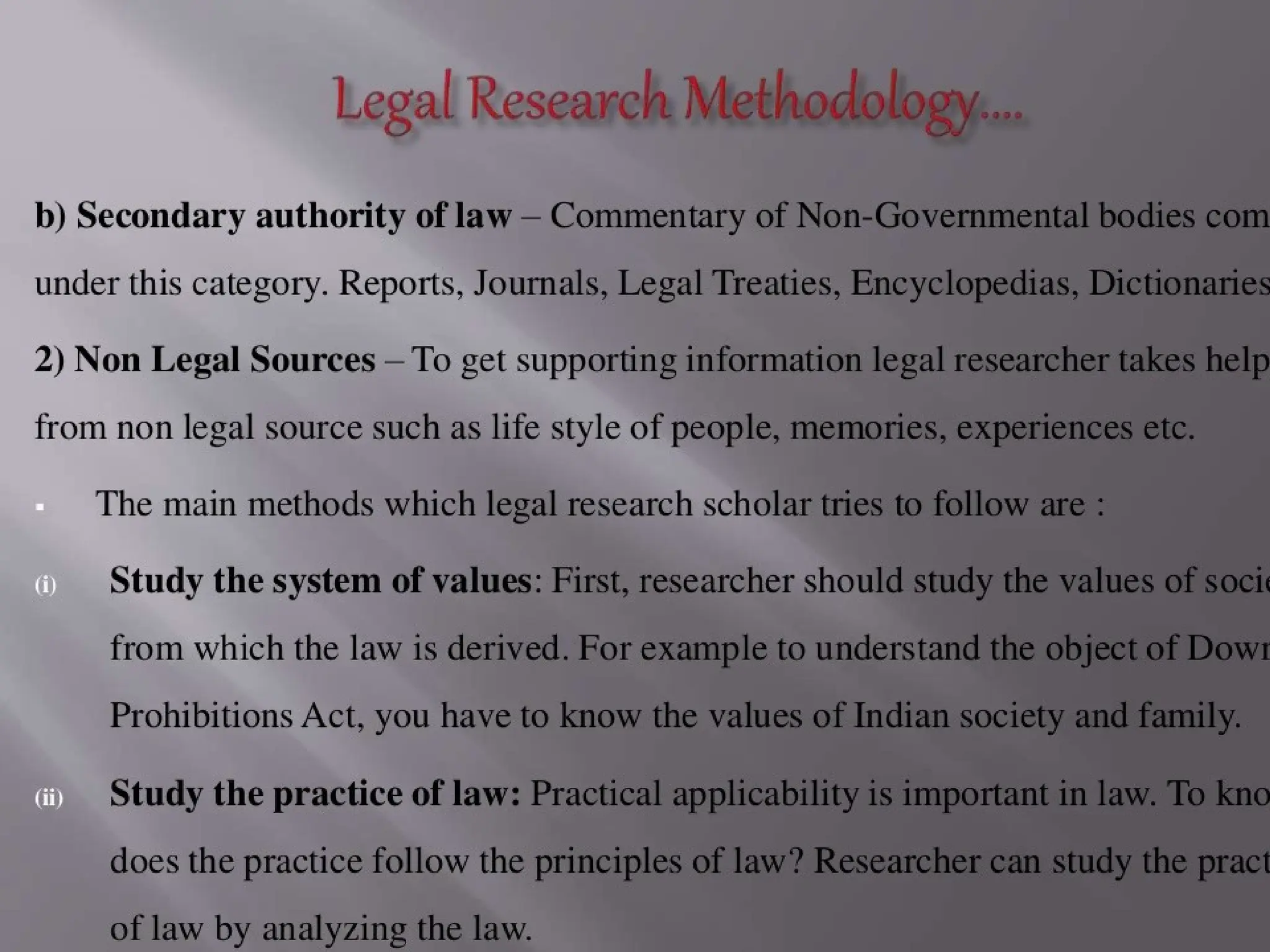
Advanced legal research techniques involve moving beyond basic statutory lookups and keyword queries to employ granular Boolean logic, specialized citation tracing, legislative history tracking, and computational analytics while navigating ongoing debates regarding algorithmic bias, citation validation, and open-access data.
Mastering modern jurisprudence requires a deep command of advanced legal research techniques and an awareness of the ongoing debates shaping the profession. As digital repositories expand and computational analytics enter the mainstream, legal professionals face a dual challenge: maximizing the precision of their investigative methodologies while grappling with systemic questions regarding authority, data equity, and the automation of legal reasoning. Traditional methods relying solely on basic digest systems or simple search-bar queries are no longer sufficient for comprehensive litigation, regulatory compliance, or academic scholarship.
The Evolution of Legal Research: From Print to Computational Analytics
The transition from physical digests and reporter volumes to electronic databases fundamentally transformed how practitioners uncover binding precedent. Early computer-assisted legal research (CALR) introduced keyword searching, which initially promised unmatched speed. However, plain-text keyword searches frequently generate unmanageable volumes of noise or miss relevant cases entirely due to variations in judicial terminology.
Advanced legal research moves past simple keyword entry by utilizing structural database querying and semantic mapping. Platforms such as Westlaw, LexisNexis, Bloomberg Law, and specialized regulatory trackers index documents using complex relational taxonomies—such as the West Key Number System or proprietary topic hierarchies. Understanding how these platforms ingest, index, and retrieve information is a prerequisite for executing exhaustive searches. Researchers must look past surface-level text to analyze metadata, docket histories, and judge-specific ruling tendencies.
Furthermore, the integration of predictive analytics and machine learning has introduced a new tier of research complexity. Modern platforms can analyze millions of historical dockets to predict motion outcomes, settlement probabilities, and judicial behavior patterns. While these tools offer strategic advantages, they also require practitioners to understand the underlying statistical models to avoid misinterpreting correlation for causation.
Advanced Search Methodologies and Syntax Mastery
Executing a sophisticated legal search demands precise syntax control. Relying on default search algorithms often conceals critical negative authority or obscure statutory interpretations. Professional search formulation requires a strategic combination of logical connectors, proximity operators, and field-restricted parameters.
Precision Query Construction
- Boolean Connectors (
AND,OR,NOT): Used to establish strict inclusion and exclusion boundaries, ensuring that retrieved documents contain specific conceptual relationships without introducing extraneous chatter. - Proximity Operators (
W/p,W/s,PRE/n): Essential for capturing legal concepts where terms must appear within the same paragraph, sentence, or a precise word distance to signify a meaningful legal relationship. - Segment and Field Restrictions: Targeting specific document components—such as authoring judge, counsel of record, holding, or specific headnotes—reduces false positives and isolates authoritative holdings.
Beyond standard syntax, effective researchers employ citation network analysis. Tracing how a primary case has been treated requires more than checking a citator status flag. Researchers must evaluate the substantive nature of subsequent citing cases to determine whether an unfavorable treatment is mere dicta, distinguishable on procedural grounds, or an explicit overruling of the core doctrine.
| Research Technique | Primary Objective | Common Pitfall to Avoid |
|---|---|---|
| Proximity Searching | Locating closely linked concepts | Overly restrictive word distances |
| Citation Network Tracing | Assessing continuing validity | Relying solely on colored flags |
| Legislative History Audit | Uncovering legislative intent | Citing non-authoritative debates |
| Docket Analytics Tracking | Evaluating judicial tendencies | Confusing correlation with rules |
Navigating Legislative and Regulatory Histories
Statutory interpretation frequently turns on legislative intent, making the reconstruction of legislative and regulatory histories a vital advanced skill. When statutory text is ambiguous, courts examine committee reports, floor debates, hearings, and antecedent drafts.
Executing a thorough legislative history requires adherence to a strict hierarchy of authority. Conference committee reports carry the highest persuasive weight, followed by Senate and House committee reports, sponsor statements, and rejected amendments. Researchers must navigate government portals such as Congress.gov and archival federal agency registers to trace the chronological evolution of a bill or regulation.
Regulatory research introduces additional layers of complexity due to the informal rulemaking process. Tracking notice-and-comment periods, agency response statements, and executive oversight documents requires systematic monitoring of the Federal Register and the Code of Federal Regulations. Practitioners must verify whether a regulation has been modified by subsequent administrative guidance documents, agency policy manuals, or judicial invalidations under administrative law doctrines.
Ongoing Debates in Legal Information Science
As research tools evolve, the legal profession remains embroiled in several critical debates concerning methodology, data access, and technology. These debates directly impact how research is conducted, billed, and validated.
1. Algorithmic Bias and Proprietary Opacity
The reliance on commercial legal research platforms has sparked intense debate over algorithmic opacity. Proprietary ranking algorithms determine which cases appear at the top of a search results page or how a citator evaluates negative treatment. Because these algorithms are often trade secrets, researchers cannot independently verify why certain documents are prioritized or omitted. Critics argue that this opacity can reinforce historical biases, elevate superficial authorities, and obscure minority legal perspectives.
2. The Democratization of Legal Data Versus Paywalls
Access to comprehensive legal databases remains a significant financial barrier for solo practitioners, legal aid organizations, and pro se litigants. While free repositories like the Legal Information Institute and court-sponsored docket portals have expanded public access, primary commercial platforms maintain a near-monopoly on advanced analytical tools and comprehensive citator services. This disparity fuels ongoing policy discussions regarding public domain legal data, open-access citation mandates, and the privatization of public legal records.
3. Generative AI and Citation Integrity
The integration of generative artificial intelligence into legal research workflows has introduced profound ethical and professional challenges. While AI assistants can synthesize large volumes of text and draft research memoranda, instances of "hallucinated" case citations—where models invent plausible-sounding case names, docket numbers, and holdings—have led to judicial sanctions for attorneys who failed to verify their research. This phenomenon underscores an enduring truth: advanced tools augment, but do not replace, rigorous human verification and professional judgment.
Best Practices and Quality Control in Advanced Research
To mitigate the risks associated with complex electronic discovery and automated legal research, practitioners must establish rigorous internal quality control protocols.
- Multi-Platform Verification: Never rely on a single database or search engine for high-stakes matters. Cross-reference critical holdings across independent platforms to ensure no conflicting or superseding authority was missed.
- Audit Trails: Maintain detailed documentation of search strings, date parameters, and database filters used during an investigation. This ensures reproducibility and protects against oversights during litigation updates.
- Substantive Reading: Avoid the temptation to rely entirely on headnotes, summaries, or AI-generated abstracts. The nuanced distinction in a court's reasoning often resides in dicta or footnotes omitted by secondary digests.
- Continuous Professional Development: Legal research technology evolves rapidly. Regularly engage with training resources provided by information professionals, law librarians, and primary publishers to stay fluent in emerging interface features and syntax updates.
Frequently Asked Questions
What distinguishes advanced legal research from basic case lookups?
Advanced legal research moves beyond finding a known case or statute. It involves systematic multi-platform investigations, legislative intent tracking, granular syntax structuring, and the evaluation of citation networks to uncover binding, persuasive, or distinguishing authorities in complex, unsettled areas of law.
How do proprietary citator tools impact research reliability?
Citators analyze the subsequent treatment of cases to flag whether a precedent is still good law. While indispensable, they are not infallible. Researchers must independently read citing cases to confirm whether a negative treatment actually undermines the specific proposition for which the case is being cited.
What are the risks of using generative AI for legal research?
Generative AI tools can hallucinate fake case citations, misinterpret legal standards, or miss subtle procedural nuances. Relying on unverified AI output violates professional duties of competence and diligence, exposing practitioners to severe judicial sanctions.
Why is legislative history important in statutory interpretation?
When statutory text is ambiguous, courts look to legislative history—such as committee reports and sponsor statements—to discern the intended scope and purpose of the enactment. Tracing this history helps advocates construct persuasive arguments regarding legislative intent.
How can resource-constrained organizations conduct effective advanced research?
Organizations with limited budgets can leverage free, authoritative repositories like the Library of Congress, state legislative websites, and university legal clinics, supplemented by targeted use of commercial pay-per-use services when deep analytical tracing is required.
Conclusion and Next Actions
Conducting sophisticated legal analysis requires a combination of technical syntax mastery, structural understanding of legal information systems, and critical skepticism toward automated tools. To elevate your research practice, audit your current methodology, integrate multi-platform verification for complex matters, and establish standardized documentation protocols for every major investigative project.