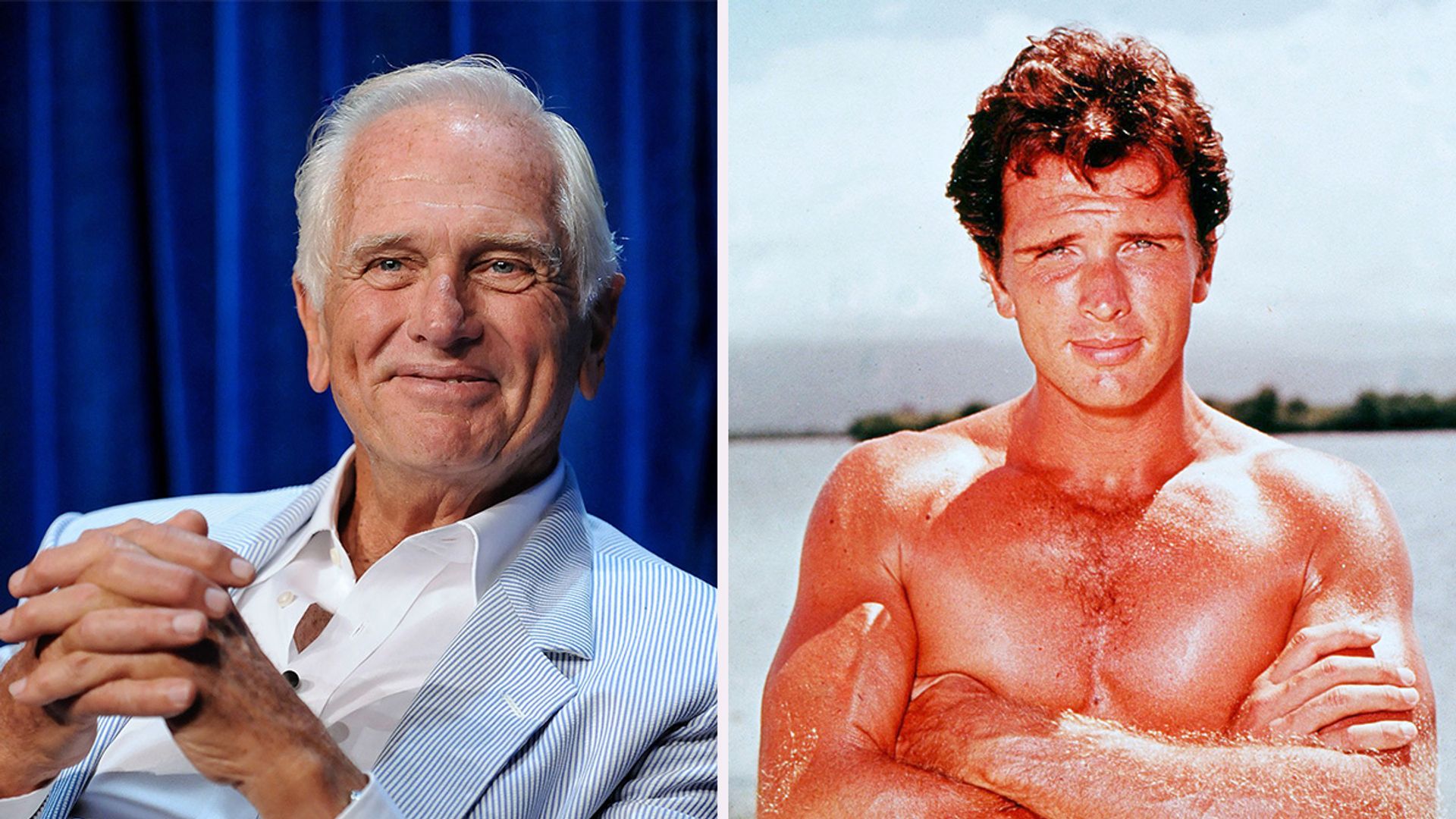
Since Edgar Rice Burroughs first introduced the iconic Lord of the Jungle in his 1912 novel Tarzan of the Apes, the character has transcended literature to become a cornerstone of global cinema and television. Over the past century, dozens of actors have donned the loincloth, swung from vines, and uttered the legendary cinematic yodel across hundreds of motion pictures and television series. Examining the actors who have played Tarzan in film and TV reveals not only the evolution of physical performance, stunt work, and special effects in Hollywood, but also changing cultural attitudes toward race, nature, and adventure storytelling over generations.
The Silent Era and the Dawn of Cinematic Jungle
The cinematic journey of Edgar Rice Burroughs' feral hero began during the silent film era, a period defined by physical expression, melodrama, and the physical novelty of location shooting. Translating a character defined by his physical prowess and untamed upbringing required unique athletes who could capture the imagination of audiences before sound was ever introduced to motion pictures.
Elmo Lincoln: The Progenitor of the Vine
The history of cinematic Tarzan officially began with Elmo Lincoln, who starred in Tarzan of the Apes (1918). Lincoln, a former stage actor and former Los Angeles police officer, established the quintessential physical template for the character. Standing broad-chested and muscular, Lincoln did not possess the sleek, gymnast-like physique of later iterations, but he exuded a raw, rough-hewn strength that made his portrayal believable as a man raised by apes in the deep African jungle.
Crucially, Lincoln's portrayal set technical and physical precedents for the role. He wrestled a real lion during production—albeit an aging, toothless studio animal—and established the visual iconography of the knife, the loincloth, and the dramatic confrontations with poachers and predatory beasts. Following his success, other silent actors such as Gene Pollar, P. Dempsey Tabler, and Kamuela C. Searle stepped into the role during the early 1920s, each attempting to capture the physical ruggedness that Lincoln popularized.
The Transition to Sound and Early Talkies
As cinema entered the sound era, studios recognized the immense commercial potential of the Tarzan franchise. The physical demands remained high, but actors now needed a commanding vocal presence. The most notable silent-to-sound transition star was Frank Merrill, a champion gymnast and stuntman who starred in several serials, including Tarzan the Mighty (1928) and Tarzan the Tiger (1929). Merrill brought unprecedented athletic authenticity to the screen, performing daring high-flying vine swings that thrilled audiences of the late 1920s.
The Golden Age and the Definitive Cinematic Era
The definitive golden age of Tarzan cinema arrived in the 1930s and 1940s, anchored by Metro-Goldwyn-Mayer (MGM) and later RKO Radio Pictures. This era transformed Tarzan from a pulp adventure hero into a pop culture icon recognized worldwide, largely thanks to casting choices that prioritized physical symmetry, charisma, and undeniable screen presence.
Johnny Weissmuller: The Undisputed King of the Jungle
No discussion of actors who have played Tarzan is complete without Johnny Weissmuller. An Olympic champion swimmer who won five gold medals, Weissmuller starred in 12 Tarzan films beginning with Tarzan the Ape Man (1932). Weissmuller defined the character for millions, introducing the iconic, multi-layered Tarzan yell—which was actually an audio collage of various human shouts, animal noises, and operatic yodels—and establishing the character's signature cinematic companion, Jane (played famously by Maureen O'Sullivan), and the chimpanzee Cheetah.
Weissmuller brought a physical grace and effortless athletic fluidity to the screen that previous actors lacked. He spent vast amounts of time swimming and diving on camera, integrating aquatic action sequences into the narrative fabric of the films. His longevity in the role, spanning from 1932 to 1948 across MGM and RKO productions, set a high-water mark that subsequent studios struggled to replicate.
Post-Weissmuller Successors at RKO
When Weissmuller outgrew the role, RKO sought fresh talent to maintain the lucrative franchise. They cast former Olympic decathlete Glenn Morris in Tarzan's Revenge (1938), though Morris struggled with the transition to dramatic acting. More successful was Lex Barker, who took over the role from 1948 to 1953, starring in five films beginning with Tarzan's Magic Fountain. Barker possessed a chiseled, classical Hollywood handsome look and an athletic background that revitalized the franchise, injecting a more serious, dignified tone into the character's dialogue.
Following Barker, producer Sol Lesser cast professional bodybuilder and former Mr. Universe, Gordon Scott, who portrayed Tarzan in six films between 1955 and 1960. Scott's tenure marked a critical stylistic pivot. While his early films adhered to the classic formula, his final two entries—Tarzan's Greatest Adventure (1959) and Tarzan the Magnificent (1960)—were gritty, critically acclaimed technicolor adventures that featured intelligent plotting, formidable villains, and a much more feral, resourceful protagonist closer to Burroughs' original literary vision.
Television Adaptations and the Silver Screen in the 1960s to 1980s
As Hollywood studios shifted production models and the studio system dissolved, the Tarzan franchise found new life on television and through international co-productions, while continuing to experiment with big-budget cinematic revisions.
Jock Mahoney and Ron Ely: Bringing Tarzan to the Small Screen
Jock Mahoney made history by playing two different roles in the franchise: he appeared as a villain opposite Gordon Scott in Tarzan the Magnificent (1960) before stepping into the titular role himself in Tarzan Goes to India (1962) and Tarzan's Three Challenges (1963). Mahoney, a seasoned stuntman and actor, brought incredible physical commitment to the role, contracting severe dysentery and dengue fever during the grueling on-location shoots in India.
In 1966, Ron Ely starred in the acclaimed NBC television series Tarzan, which ran for two seasons and 57 episodes. Ely's portrayal modernized the character significantly. Instead of the monosyllabic, loincloth-clad savage of earlier decades, Ely's Tarzan was a sophisticated, college-educated Lord Greystoke who chose to return to the African jungle to protect wildlife and indigenous populations. Ely performed the vast majority of his own hazardous stunt work, resulting in numerous injuries throughout the show's run.
Christopher Lambert and the Return to Literary Roots
The cinematic landscape shifted dramatically in 1984 with Warner Bros.' release of Greystoke: The Legend of Tarzan, Lord of the Apes. Directed by Hugh Hudson, this prestige film cast French actor Christopher Lambert in the title role. Abandoning the Hollywood camp and formulaic jungle tropes of the mid-20th century, Greystoke returned to Edgar Rice Burroughs' foundational text with psychological depth and tragic resonance.
The film explored the harrowing transition of a man caught between the primitive laws of the ape tribe and the suffocating, hypocritical etiquette of Victorian British aristocracy. Lambert's poignant, vulnerable performance earned critical praise and demonstrated that the material could support mature, dramatic storytelling.
Modern Interpretations and CGI Blockbusters
In the 21st century, advancements in computer-generated imagery (CGI) and changing cinematic sensibilities have reshaped how filmmakers approach the legend. Modern adaptations have focused on environmental themes, historical context, and high-octane action choreography.
Casper Van Dien and Direct-to-Video Iterations
Before modern blockbusters revived the character on the big screen, the late 1990s saw various television and direct-to-video adaptations. Most notably, Casper Van Dien starred in Tarzan and the Lost City (1998), an action-adventure film that attempted to blend 1930s-style pulp storytelling with 1990s production values. Television also revisited the mythos with series such as Tarzan (2003) starring Travis Fimmel on the WB network, which relocated the character to a contemporary urban setting in New York City before returning him to the jungle—a short-lived experiment that highlighted the challenges of modernizing the premise.
Alexander Skarsgård and the 21St-Century Blockbuster
The most recent major cinematic adaptation arrived with Warner Bros.' The Legend of Tarzan (2016), directed by David Yates. Swedish actor Alexander Skarsgård starred as John Clayton III, Lord Greystoke, who has integrated into Victorian London society years after leaving the Congo, only to be drawn back as an emissary for Parliament.
Skarsgård underwent a rigorous, months-long physical transformation to achieve a lean, sinewy physique distinct from traditional bodybuilder aesthetics, utilizing functional fitness training to mimic the movement of an apex predator. The film utilized extensive CGI environments and motion-capture technology to recreate the African jungle and its animal inhabitants, placing Tarzan within a complex historical narrative addressing Belgian colonial exploitation in the Congo Free State.
Comparative Overview of Major Tarzan Actors
To understand how the portrayal of the Lord of the Jungle has evolved across media and eras, the following table summarizes the key actors who defined major eras of film and television:
| Actor | Primary Medium | Active Years / Key Films | Defining Characteristics of Portrayal |
|---|---|---|---|
| Elmo Lincoln | Film (Silent) | Tarzan of the Apes (1918) | Raw physical strength, historic first screen portrayal, animal wrestling. |
| Frank Merrill | Film (Silent/Serial) | Tarzan the Mighty (1928) | Champion gymnast, introduced high-flying acrobatic vine stunts. |
| Johnny Weissmuller | Film | Tarzan the Ape Man (1932) – Tarzan and the Mermaids (1948) | Olympic gold medalist, iconic yell, defined the classic cinematic formula. |
| Lex Barker | Film | Tarzan's Magic Fountain (1948) – Tarzan and the She-Devil (1953) | Classical Hollywood handsome look, dignified, articulate speech patterns. |
| Gordon Scott | Film | Tarzan's Hidden Jungle (1955) – Tarzan the Magnificent (1960) | Former bodybuilder; transitioned from classic hero to gritty, feral survivor. |
| Ron Ely | Television | Tarzan (TV Series, 1966–1968) | Articulate, college-educated Lord Greystoke; performed own stunts. |
| Christopher Lambert | Film | Greystoke: The Legend of Tarzan (1984) | Psychological depth, tragic literary fidelity, aristocratic conflict. |
| Alexander Skarsgård | Film | The Legend of Tarzan (2016) | Modern CGI integration, post-colonial historical context, lean functional physique. |
Frequently Asked Questions
Who was the very first actor to play Tarzan on screen?
The first actor to play Tarzan in a feature film was Elmo Lincoln in Tarzan of the Apes (1918). However, child actor Gordon Griffith played a young Tarzan in flashbacks earlier in the same film, making Griffith technically the first person to portray the character on screen.
How many actors have officially played Tarzan in film and television?
More than 20 professional actors have officially portrayed Tarzan in credited, major film and television productions since 1918. This count increases significantly if one includes actors who voiced the character in animated series or played younger versions of him in flashbacks.
Who performed the famous Tarzan yell?
The iconic Tarzan yell was popularized by Johnny Weissmuller in his 1930s MGM films. Sound engineers created the distinctive sound effect by combining various vocal recordings, including Weissmuller's own modified shout, a hyena's growl played backwards, a soprano's high C, and audio of a violin string.
Did any actors perform their own stunts as Tarzan?
Yes, several actors performed substantial stunt work. Frank Merrill and Jock Mahoney were professional stuntmen before starring in the role. Ron Ely famously performed the majority of his own physical stunts and vine swings during his 1960s television series, sustaining numerous injuries.
Which Tarzan movie is considered the most faithful to Edgar Rice Burroughs' novels?
Greystoke: The Legend of Tarzan, Lord of the Apes (1984), starring Christopher Lambert, is widely regarded by literary critics as the most faithful adaptation of Edgar Rice Burroughs' original novel, emphasizing the psychological tragedy and cultural alienation of the character.
Conclusion and Next Actions
The legacy of Tarzan on screen reflects Hollywood's changing technical capabilities and cultural perspectives. For viewers interested in exploring this cinematic history further, starting with the foundational physical performances of Johnny Weissmuller provides a baseline of classic Hollywood adventure, while viewing Greystoke: The Legend of Tarzan, Lord of the Apes or The Legend of Tarzan (2016) offers a look at how modern filmmakers adapted the literary source material for contemporary audiences. Examine vintage serials and studio archives to trace how athletic stunt work evolved into the sophisticated motion-capture technology used in modern blockbusters.