Analyzing Abby Elliott from a design perspective involves examining how costume designers, camera operators, and stylists utilize vertical lines, silhouette proportions, and leg tailoring to establish visual character balance. Across television projects like The Bear and sketch performance on Saturday Night Live, structural framing and physical posture transform movement into intentional narrative design.
Deconstructing the Visual Silhouette: Line, Length, and Proportion
In visual design, whether applied to fashion, costume architecture, or industrial furniture design, the concept of the leg functions as a primary vertical support and line anchor. When analyzing an actor's presence on camera, human anatomy serves as the physical chassis upon which visual lines, fabric weight, and spatial geometry interact. Abby Elliott—known for her versatile roles in television comedy, dramatic series, and stage performance—provides a compelling case study in how physical proportions interact with wardrobe construction to project character authority, emotional state, and kinetic energy.
Visual design theory relies heavily on the distribution of line mass and vertical rhythm. The lower body, comprising the upper thigh, knee break, leg shaft, and ankle terminal point, dictates the visual center of gravity in full-length framing. Costume designers engineer silhouettes by controlling where visual breaks occur. When framing an actor in a medium-long or full shot, the relationship between leg length, torso framing, and footwear choice establishes an underlying geometric structure that shapes viewer perception before any dialogue is delivered.
| Component | Visual Silhouette Matrix |
|---|---|
| Torso Structure | Defines upper visual mass & shoulders |
| Waistline Break | Establishes proportional ratio (3/8) |
| Leg Shaft Line | Provides vertical vector & directionality |
| Footwear Terminal | Anchors vertical line to floor plane |
Verticality and Line Continuity in Screen Wardrobe
Verticality in screen design is achieved through uninterrupted directional lines. Costume designers working with actors of slim, elongated proportions often utilize continuous vertical seams, high-waisted tailoring, and monochromatic color palettes to extend the perceived length of the lower body. For Abby Elliott, whose comedic and dramatic roles demand distinct physical stances, the design of the trousers or skirt hemline plays a major role in framing her stance.
When wardrobe styling emphasizes vertical continuity, the eye moves smoothly from the hips down through the leg line without encountering abrupt visual interruptions. High-waisted trousers with straight-leg or slightly flared cuts eliminate harsh horizontal midband breaks. This continuous vector enhances the actor's spatial command within the camera frame, allowing static poses to retain dynamic tension. In contrast, introducing horizontal elements—such as cuffed trousers, contrasting ankle straps, or exaggerated mid-thigh hems—deliberately breaks vertical momentum, shifting visual weight toward the center of the frame and grounding the physical presence.
The Interaction of Hemlines, Footwear, and Spatial Framing
Footwear selection represents the structural terminal node of any leg line. From an ergonomic and architectural design standpoint, the shoe acts as the base pedestal that dictates posture, pelvic tilt, and stride dynamics. In set design and camera blocking, shoe heel height directly alters the vertical plane and angle of the leg, modifying how light hits fabric folds and how shadows fall across lower-body garments.
- Pointed-Toe Footwear: Extends the visual vector beyond the physical foot, creating a seamless line that exaggerates verticality and imparts a crisp, formal geometry.
- Ankle Boots and Booties: Introduce a firm horizontal structural break at the narrowest point of the leg, shortening the lower shaft while adding grounded visual weight suited for practical or working-class character concepts.
- Low-Profile Flats and Sneakers: Lower the center of gravity, accentuating natural physical alignment and favoring kinetic, movement-heavy blocking.
- Platform and Block Heels: Provide solid, architectural support blocks that alter stride kinetics and elevate the hip line relative to set set pieces and co-stars.
Hemlines dictate where negative space begins around the lower extremities. A floor-sweeping trouser hem creates a column-like architectural structure, hiding the foot to project uninterrupted vertical mass. Conversely, an knee-length skirt introduces negative space around the lower leg, turning the natural contours of the knee and calf into active compositional elements within the frame.
Costume Design and Character Identity Across Key Roles
The application of lower-body design principles varies drastically across production genres. Dramatic narrative television demands grounded, realistic wardrobe choices where silhouette choices subtly reflect psychological states. Sketch comedy and stage performance, by contrast, utilize deliberate exaggeration and high-contrast lines to communicate archetype and status in seconds.
Precision Tailoring in The Bear (Natalie "Sugar" Berzatto)
In FX's critically acclaimed series The Bear, costume design serves as a silent narrative layer. Abby Elliott's character, Natalie "Sugar" Berzatto, navigates emotional turbulence, family business management, and pregnancy while maintaining organizational stability amid chaos. The visual design of her character relies heavily on structured yet functional wardrobe choices—tailored denim, structured coats, relaxed-fit trousers, and practical footwear.
Sugar Berzatto Character Framing Architecture:
- Structured Outerwear
- Mid-Rise Tailored Trousers
- Functional Flat/Low-Heel Footwear
Result: High utility, balanced vertical stability, grounded emotional authority.
Costume designers construct Sugar’s silhouette using clean, practical lines that emphasize mobility and realism. Trousers feature straight-leg or subtle wide-leg cuts in natural textiles (cotton, denim, wool blends), creating vertical balance without appearing overly stylized. The leg line in The Bear is designed for stability; low-heeled boots and classic sneakers anchor her firmly to the gritty, utilitarian environment of the restaurant space. This structural grounding contrasts sharply with the frantic, unstable camera movement surrounding her, using static line symmetry to code her character as an anchor of order.
Dynamic Movement and Sketch Comedy Formatting on Saturday Night Live
During her tenure on Saturday Night Live, Elliott performed within a fast-paced environment where visual legibility is paramount. Sketch comedy design operates under tight timing constraints, requiring immediate character recognition. Here, costume construction relies on heightened contrast, sharp color blocking, and exaggerated proportions.
In multi-character sketch setups, lower-body design establishes immediate status hierarchies:
- High-Status Characters: Styled with elongated, vertical tailoring, sleek trousers, high heels, and fitted silhouettes that dominate frame geometry.
- Eccentric or Comedic Archetypes: Styled with truncated hemlines, contrasting knee-high socks, ill-fitting trousers, or visually heavy footwear that disrupts physical harmony for comedic effect.
- Physical Comedy Blocking: Styled with flexible, stretch-engineered garments that allow full range of motion, emphasizing leg extensions, wide stances, and expressive physical gags under bright studio lighting.
Design Principles of Visual Proportions: Applied Aesthetics
The aesthetic evaluation of human form and wardrobe in visual media rests on established spatial design principles, including the Rule of Thirds, the Golden Ratio ($1 : 1.618$), negative space management, and visual mass distribution.
OPTICAL RATIOS IN SCREEN SILHOUETTE DESIGN
| Ratio Component | Visual Impact |
|---|---|
| 1:1 Equal Split | Static, blocky, foreshortened |
| 1:1.618 Golden | Elegant, elongated, harmonized |
| 1:2 Extended | Highly stylized, dramatic vector |
The Rule of Thirds and Golden Ratio in Full-Length Framing
When framing a full-length subject, dividing the vertical canvas into equal halves (a 1:1 split between torso and legs) often results in a visually static composition. Designers and cinematographers prefer applying the Golden Ratio or a 1:2 proportion split, where the lower body occupies approximately two-thirds of the total vertical height of the silhouette.
To achieve this visual proportion on screen:
$$\text{Perceived Leg Length} = \text{Garment Waistline Position} + \text{Inseam Extension} + \text{Footwear Elevation}$$
By raising the optical waistline—through high-waisted trousers, belted dresses, or empire seams—the designer artificially shifts the focal break upward. This lengthens the lower vector, creating an aesthetically pleasing ratio that leads the viewer's eye along an unbroken line toward the head and face.
Color Blocking, Contrast, and Negative Space Around Lower-Body Elements
Color choice profoundly affects how visual weight is distributed across the leg line. Darker tones (navy, charcoal, black) absorb light and reduce perceived surface volume, creating a streamlined, linear silhouette. Lighter tones (cream, beige, pastel) reflect light, expanding perceived volume and drawing attention to surface texture and movement folds.
LIGHT REFLECTION & VISUAL WEIGHT IN LEG TAILORING:
- Dark Tones / Absorption
- Reduces Volume
- Streamlines Vertical Vector
- Light Tones / Reflection
- Expands Volume
- Highlights Surface Texture & Motion
Negative space—the unoccupied area surrounding the legs within the frame—is equally critical. Wide-leg trousers create a solid geometric trapezoid or rectangle, filling negative space and creating a heavy visual base. Fitted trousers or open skirts preserve negative space between and around the legs, producing a lightweight, airy graphic composition. Cinematographers utilize these negative space variations to frame subjects against backdrops, ensuring the actor remains distinct from background set pieces.
Comparative Design Matrix: Wardrobe Dynamics and Structural Elements
The following matrix compares how specific lower-body wardrobe elements alter physical proportions, visual mass, and camera blocking requirements across performance environments.
| Design Category | Garment / Style Element | Visual Weight | Primary Structural Effect | Ideal Camera Angle | Narrative / Aesthetic Purpose |
|---|---|---|---|---|---|
| High-Waisted Tailored Trouser | Dark wool blend with crisp front crease | Low to Medium | Extends lower vertical vector; elevates optical waistline | Eye-level to slightly low medium-long shot | Authority, sophistication, sleek modern elegance |
| Wide-Leg Relaxed Denim | Heavyweight indigo cotton denim | Medium to High | Fills negative space; creates solid trapezoidal lower base | Straight-on medium shot | Grounded, practical, authentic daily utility |
| A-Line Mid-Length Skirt | Structured woven fabric ending mid-calf | Balanced | Exposes lower leg shaft while adding triangular volume | Slightly elevated full shot | Classic visual balance, movement fluidity, approachable tone |
| Cropped Ankle Pants | Form-fitting textile ending above ankle bone | Low | Introduces sharp horizontal break at narrowest leg node | High-angle or tight tracking shot | Dynamic, youthful kinetic energy, crisp modern tailoring |
| Floor-Sweeping Evening Gown | Fluid silk or satin fabric with continuous drape | High | Eliminates structural leg breaks; forms continuous column | Low-angle full tracking shot | Monumental stature, dramatic elegance, fluid motion flow |
Industrial and Ergonomic Parallel: Leg Design in Spatial & Object Design
The principles governing human lower-body aesthetics in costume design directly mirror core concepts in industrial design, architectural support systems, and furniture design. Understanding these parallels reveals why certain leg silhouettes feel balanced while others feel clumsy or unstable.
STRUCTURAL COMPARISON: FURNITURE VS. HUMAN SILHOUETTE
| Furniture Design | Human Wardrobe & Stance |
|---|---|
| Tapered Wood Leg | Fitted Trouser / Pointed Shoe |
| Cantilevered Steel | Angled Stance / Dynamic Posture |
| Straight Pillar Support | Wide-Leg Trouser / Solid Stance |
Tapering, Cantilevering, and Load Distribution
In mid-century modern furniture design, table and chair legs are frequently tapered—widest at the top joint and narrowest at the floor contact point. This design technique serves two critical functions:
- Structural Load Management: Material mass is concentrated where joint stress and load moments are highest (the connection to the apron or frame).
- Visual Lightness: Tapering the profile toward the floor reduces visual mass at the base, making heavy wooden or metal structures appear weightless and floating.
This exact principle applies to leg tailoring in fashion and screen styling. A tapered trouser leg mirrors the aesthetic lightness of mid-century furniture. By narrowing the fabric silhouette toward the ankle, the designer reduces lower-body visual mass, drawing the eye smoothly upward toward the torso and face. Conversely, straight-column or flared designs mimic brutalist architectural pillars, projecting weight, permanence, and physical stability.
Ergonomics, Movement Flow, and Spatial Interaction on Set
From an ergonomic standpoint, legs act as dynamic mechanical linkages responsible for weight transfers, locomotion, and balance adjustment. In production design, set layouts must accommodate these dynamic sweeping envelopes—the physical volume required for an actor to walk, sit, pivot, or cross legs naturally within a scene.
Furniture designers and set decorators select chairs, couches, and props that complement the actor's tailored proportions:
- Low-Slung Lounge Chairs: Deep seat depths force acute knee bends, altering hemline positions and creating folded lap angles that require adjusted camera framing.
- High-Seated Dining/Office Chairs: Allow 90-degree leg angles, preserving clean vertical drop lines for trousers or structured skirts.
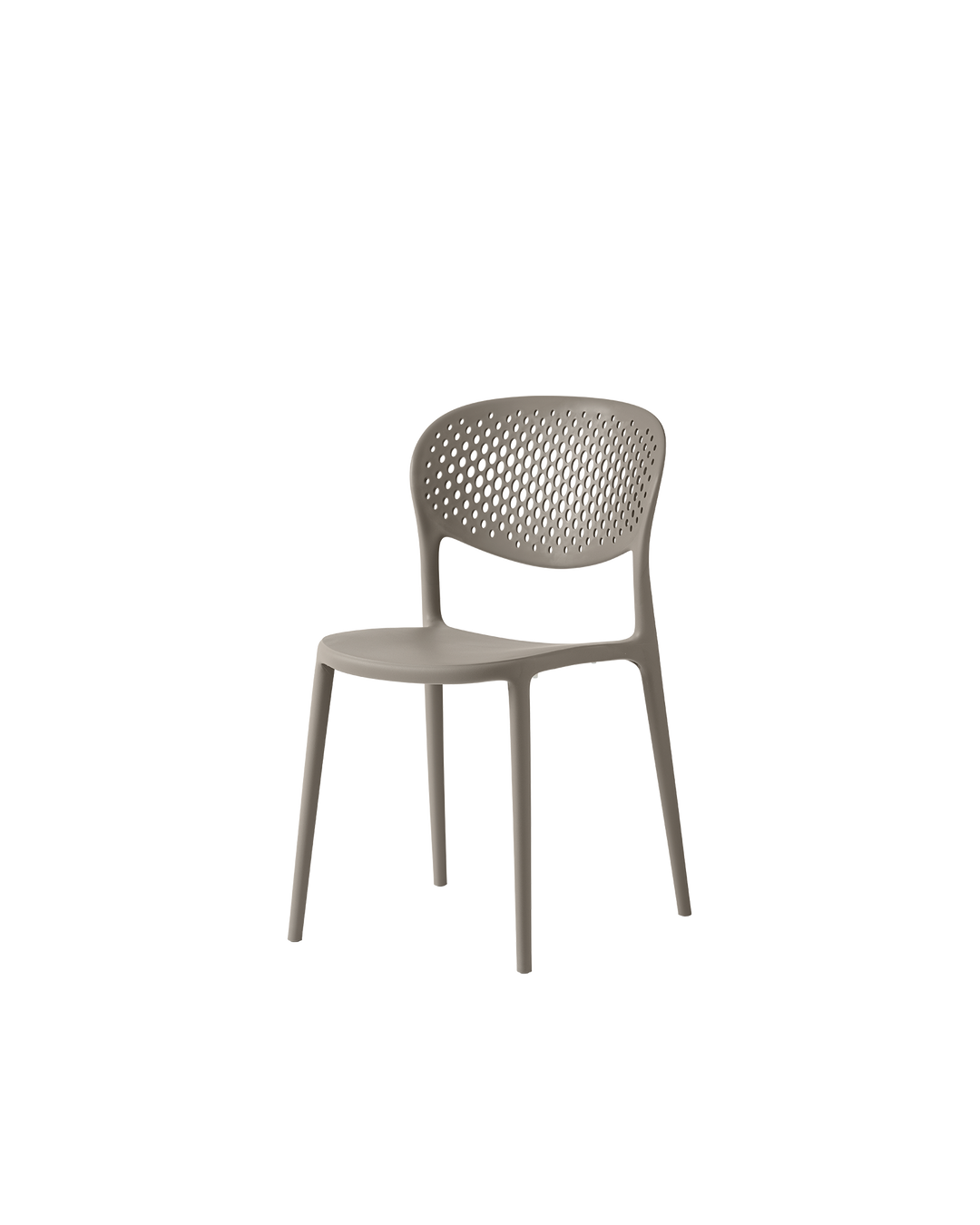
- Open-Legged Framework Furniture: Preserves background sightlines through chair legs, preventing visual clutter when actors are framed in seated positions.
Practical Guidance for Stylists, Costume Designers, and Visual Artists
Applying design principles to lower-body silhouette management requires a systematic approach to proportion, line continuity, and garment physics. Below is actionable guidance for visual professionals structuring wardrobe for camera or live environments.
Managing Vertical Scale and Proportion in Full-Body Composition
- Identify Natural Break Nodes: Locate the natural waist, hip crease, knee joint, and ankle bone. Design garment breaks precisely at these mechanical nodes to avoid awkward structural cuts.
- Utilize Continuous Creases: Incorporate sharp, pressed front creases in trousers to create a strong vertical highlight line that splits fabric volume and lengthens the perceived shaft.
- Coordinate Footwear Value: Match footwear color tone to trouser or leg wear shade to prevent harsh visual stops at the foot line, maximizing perceived vertical continuity.
- Balance Top-Heavy Layering: When styling bulky upper garments (e.g., oversized jackets or coats), maintain structured, streamlined leg silhouettes below to prevent the overall form from appearing top-heavy or top-unbalanced.
Avoiding Common Spatial and Wardrobe Composition Mistakes
- Mid-Calf Hemline Pitfalls: Avoid ending skirts or cropped pants directly across the thickest section of the calf muscle. This cuts the visual line at its widest point, shortening perceived leg length. Aim for hemlines that terminate just below the knee break or just above the ankle bone.
- Excessive Fabric Pooling: Ensure full-length trouser hems break softly over the shoe instep rather than piling up heavily in multiple fabric folds. Excess fabric pooling creates unsightly visual bulk at the base.
- Ignoring Lighting Dynamics: Be aware of how downlighting cast from studio grids creates strong shadows under skirts or wide trouser legs. Test garments under actual production lighting to ensure leg contours are not lost in deep shadow.
Frequently Asked Questions
What does "a design perspective" mean when analyzing an actor's wardrobe and screen presence?
It refers to evaluating wardrobe, physical posture, and camera composition using core visual design concepts such as line vector, proportion, negative space, visual mass, color contrast, and structural symmetry rather than focusing on subjective red-carpet fashion trends.
How do costume designers lengthen leg lines for on-screen performances?
Costume designers use high-waisted tailoring, continuous vertical seams, monochromatic color matching between trousers and footwear, pressed front trouser creases, and pointed-toe shoes to eliminate horizontal breaks and extend the vertical visual vector.
Why is lower-body framing important in character development for television and film?
The lower-body silhouette establishes physical grounding, status, and movement dynamics. Grounded, heavy shoe choices and structured trousers code a character as stable and practical (such as Sugar in The Bear), whereas sleek, high-heeled, or exaggerated silhouettes code high status, elegance, or comedic tension.
How do furniture leg design principles relate to fashion silhouette tailoring?
Both disciplines apply principles of structural load distribution, visual weight management, and line tapering. Tapered furniture legs reduce visual mass near the floor plane to create lightness—a visual effect mirrored by tapered trouser cuts that narrow toward the ankle to draw focus upward.
What is the ideal hemline break for maintaining clean visual proportions on camera?
The optimal hemline break occurs at natural anatomical narrow points—either just below the knee, right at the ankle bone, or draping cleanly over the shoe instep without heavy fabric pooling.
Key Takeaways and Next Steps
Analyzing Abby Elliott’s visual silhouette from a design perspective demonstrates how costume engineering, architectural proportion, and camera mechanics combine to create compelling character identity. By manipulating line continuity, footwear anchoring, and spatial negative space, designers build visual harmony that supports narrative performance across screen mediums.
To apply these visual design principles in wardrobe styling, character design, or visual media projects:
- Assess Proportions: Evaluate lower-to-upper body ratios using the Golden Ratio ($1:1.618$) to determine optimal waistline placement.
- Audit Garment Break Points: Ensure hemlines terminate at anatomical narrow points (ankle or below-knee) rather than thick muscle contours.
- Test Under Production Conditions: Evaluate fabric drapes, footwear height, and shadow distribution under actual set lighting and camera aspect ratios before finalizing camera blocking.