AARP members may access auto insurance discounts primarily through the AARP Auto Insurance Program from The Hartford. Eligibility is generally tied to holding an active AARP membership, meeting specific age requirements, and maintaining a clean driving record. While membership provides access to the program, actual savings depend on individual state regulations, vehicle type, and the specific underwriting criteria applied by the insurer.
The AARP and The Hartford Partnership
The AARP Auto Insurance Program is a specialized partnership between AARP and The Hartford. It is essential to understand that AARP itself is a non-profit, non-partisan organization that advocates for older adults; it is not an insurance company. Therefore, the "discounts" and "eligibility" criteria are governed by the specific policies underwritten by The Hartford.
When you pursue an auto insurance quote through this program, you are interacting with a private insurance carrier that has been vetted and endorsed by AARP. The program is designed to recognize the driving habits and lifestyle needs of older drivers, which often results in premiums that differ from those of standard commercial insurance products. Understanding this distinction is the first step in managing your expectations regarding policy pricing and coverage adjustments.
Core Eligibility Prerequisites
To be considered for the AARP Auto Insurance Program, there is a hierarchy of requirements that must be met. These are not merely suggestions but foundational criteria that determine whether an applicant can move forward with a quote.
- Membership Status: You must be an active member of AARP. As of 2026, membership is available to individuals aged 50 and older. If your membership has lapsed, you must renew it before you can finalize or benefit from the specific discounted rates associated with the program.
- Age Requirements: While AARP membership begins at 50, insurance underwriting often considers specific age brackets for actuarial purposes. Being an AARP member satisfies the age-based entry requirement, but the actual calculation of your discount is subject to the age-related risk assessments used by the insurer.
- State Licensing and Jurisdiction: Insurance is regulated at the state level in the United States. Not all states offer the same AARP-branded products, and the availability of specific discounts can vary significantly due to local insurance commissioners' filings.
- Vehicle Eligibility: The vehicle you are insuring must meet standard personal-use criteria. Commercial vehicles or those used for ride-sharing purposes may face different eligibility hurdles or exclusions, regardless of your AARP membership status.
How Discounts Are Calculated and Applied
Discounts within the AARP program are not applied as a flat percentage across the board. Instead, they are typically integrated into the premium calculation based on several factors. It is a common misconception that membership provides an automatic, uniform reduction in cost regardless of other variables.
- Longevity and Loyalty: Many programs offer reduced rates for policyholders who maintain their coverage with the same carrier for consecutive years.
- Driver Safety Training: One of the most significant levers for savings is the completion of a state-approved defensive driving course. These courses are designed to reinforce safe driving habits in older adults and can lead to a direct reduction in the base premium for a set period.
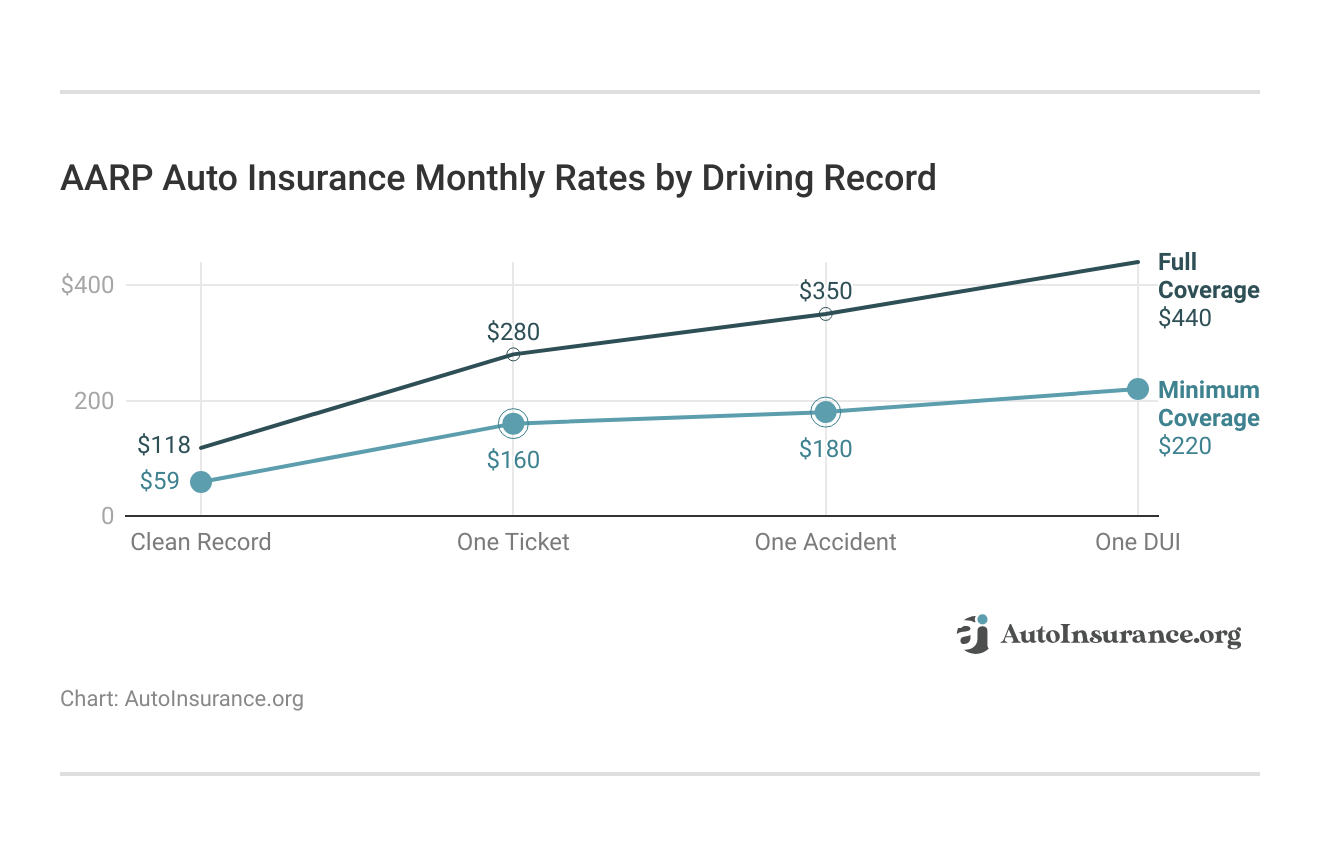
- Clean Driving Records: The most impactful factor remains your driving history. Accidents, moving violations, and claims history are scrutinized heavily. The "discount" offered by the program is often contingent on maintaining a risk profile that falls within the provider's preferred tier.
- Safety Features: Modern vehicles equipped with advanced driver-assistance systems (ADAS), such as lane-keep assist, automatic emergency braking, and collision warning, often qualify for additional technological discounts.
Comparing Standard vs. Program Rates
To determine the true value of AARP auto insurance discounts, you should conduct a comparative analysis. The following table illustrates the conceptual differences between general market insurance and program-specific benefits.
| Feature | Standard Market Insurance | AARP Auto Insurance Program |
|---|---|---|
| Eligibility Age | 16+ (General) | 50+ (AARP Member) |
| Primary Focus | Actuarial risk by age/history | Senior-specific risk assessment |
| Defensive Driving | Often optional/minimal impact | Often incentivized/required |
| Loyalty Benefits | Standard longevity credits | Enhanced "Renewable" protections |
| Support Channels | General customer service | Specialized senior-friendly support |
The Role of Defensive Driving Courses
Many AARP members view the defensive driving course as a chore, but it acts as a primary vehicle for eligibility in many regions. These courses are often available through AARP’s own educational platforms or state-approved third-party vendors.
When you complete a certified course, you typically receive a certificate of completion. You must submit this to The Hartford to trigger the application of the discount to your policy. It is crucial to check with your insurance representative every three years—or as required by your state law—to ensure the discount has been reapplied after renewal. Failure to provide proof of the course completion is a common reason why members perceive their premiums as having "unexpectedly increased."
Common Misconceptions Regarding Eligibility
A frequent point of confusion is the belief that "AARP discount" means the insurance is cheaper than any other option available. While the program offers competitive rates, "cheaper" is subjective.
- "Bundling" Eligibility: Some members assume that because they have an AARP membership, they are automatically eligible for the lowest bundle rates for home and auto. While bundling is possible, the discount is derived from the combination of policies rather than the membership status alone.
- Lifetime Guarantees: A persistent myth is that the program offers "lifetime" coverage regardless of driving history. While The Hartford offers features like "Renewable Promise" (subject to state laws and eligibility criteria), this does not mean the insurer is required to renew a policy for a driver who has become a high-risk liability due to frequent at-fault accidents.
- Immediate Coverage: Membership in AARP does not waive the underwriting process. You are still subject to credit-based insurance scoring, vehicle inspections where required, and verification of your driving record.
Steps to Verify and Apply for Discounts
If you are currently an AARP member and wish to determine your eligibility for specific discounts, follow this structured approach:
- Gather Documentation: Have your current driver’s license number, Vehicle Identification Number (VIN), and your current AARP membership card number ready.
- Request a Quote: Use the official website or the dedicated toll-free number provided by the AARP Auto Insurance Program. Do not share your personal information with third-party lead generation sites that promise "AARP discounts" but are not affiliated with the official program.
- Review the Declaration Page: If you receive a quote, look specifically for the line items that denote "discount" or "credit." Ask the agent to explain why a specific discount was—or was not—applied to your profile.
- Confirm Renewals: Ask about the "Renewable Promise" or equivalent longevity protection features. Understand the conditions under which a policy might be non-renewed, as this is a key differentiator of the AARP program.
- Re-evaluate Annually: Even if you are already enrolled, market conditions change. Annual reviews are necessary to ensure that you are still receiving the maximum possible discount based on your current age, driving habits, and vehicle status.
Troubleshooting Missing Discounts
If you believe you qualify for a discount that is not reflecting on your premium, start by reviewing your policy declarations page. The most common reasons for missing discounts include:
- Expired Defensive Driving Certificate: As noted, these usually require periodic renewal.
- Membership Lapse: If your AARP membership has expired, the insurer may drop the associated discounts at the next renewal cycle. Always ensure your AARP profile is up to date and linked to your insurance policy.
- Address Discrepancy: If you have moved, your eligibility for specific regional discounts may have changed. Ensure the insurer has your current residential address, as rates are heavily tied to zip codes and local traffic density.
- Vehicle Changes: If you replaced your vehicle, the new car may not qualify for the same safety discounts as the previous one. Always report vehicle changes to the insurer immediately to verify which discounts remain active.
Professional Advice and Liability Limitations
While the information provided herein is intended to clarify the processes for securing AARP auto insurance discounts, it does not constitute financial or legal advice. Insurance regulations are highly localized; what is applicable in one state may be prohibited or unavailable in another.
For personalized guidance regarding your financial exposure, retirement planning, or complex insurance needs, consult with a licensed insurance broker or a certified financial planner. Your insurance contract is the final legal authority on what discounts, coverage limits, and eligibility requirements apply to your specific policy. If you have a dispute with an insurer regarding the application of a discount, refer to your state’s Department of Insurance for information on consumer rights and complaint resolution procedures.
Frequently Asked Questions
1. Does being an AARP member guarantee the lowest auto insurance rate? No. AARP membership provides access to a program designed for older drivers, but it does not guarantee the lowest price compared to every other carrier in the market. Insurance premiums are determined by individual risk profiles, and you should always compare the AARP-endorsed program against other reputable insurers to ensure you are receiving the best value.
2. Can I get a discount if I have had a recent accident? Eligibility for the program is generally open to members, but your recent driving history will impact the premium. An accident may disqualify you from "preferred" or "safe driver" discounts, even if you are an AARP member. Insurers assess risk based on past performance, and a recent claim is a primary indicator of future risk.
3. Does the AARP Auto Insurance Program cover younger family members? Yes, in many cases, the program allows for the inclusion of other drivers in the household, though the primary policyholder must be an AARP member. However, the rates for younger drivers are typically calculated based on their own age and risk factors, not the discounted rates afforded to the primary senior policyholder.
4. How do I prove I completed a defensive driving course for the discount? Upon completing a state-approved course, you will receive a certificate of completion. You must submit this certificate to your insurance carrier. In many cases, you can upload this document through your secure online policy portal or provide it to your insurance agent during the renewal process. Always keep a digital or physical copy for your records.
5. What is the "Renewable Promise" and how does it help? The "Renewable Promise" is a feature offered by The Hartford through the AARP program which guarantees that they will renew your policy as long as you meet certain basic requirements, such as maintaining a valid driver’s license and paying your premiums on time. It is designed to provide peace of mind that you will not be dropped simply due to age or the increasing frequency of claims.
Final Recommendation
To maximize your potential savings, begin by verifying your AARP membership status and ensuring it is currently active. Use the official AARP Auto Insurance Program portal to request a customized quote that reflects your specific vehicle, location, and driving record. Prior to finalizing, specifically inquire about the availability of defensive driving discounts in your state and whether your current vehicle qualifies for any additional safety-feature credits. Commit to an annual policy review to ensure that as your driving habits change, your coverage—and your discounts—remain perfectly aligned with your needs.