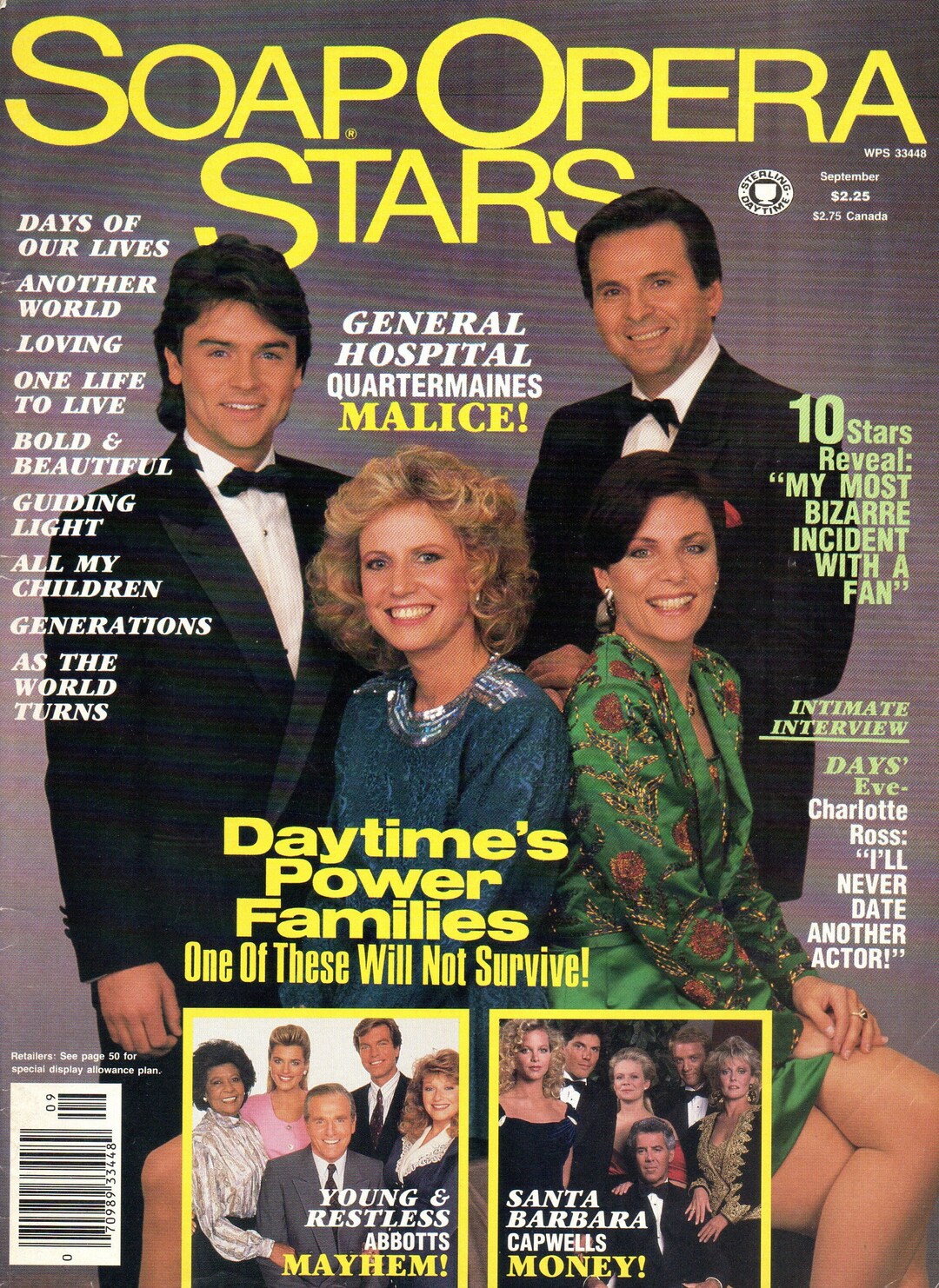
The 1980s represented the definitive "Golden Age" of American daytime television, a decade where soap opera stars achieved a level of celebrity comparable to Hollywood film icons. This era was defined by the rise of the "Supercouple," high-concept plotlines involving international espionage and science fiction, and a massive cultural footprint that saw millions of viewers tuning in daily to witness the dramatic lives of characters like Luke Spencer, Erica Kane, and Victor Newman.
The Cultural Dominance of the 1980s Soap Opera
In the early 1980s, daytime dramas were more than just television programs; they were cultural milestones. The most prominent example remains the 1981 wedding of Luke Spencer and Laura Vining on General Hospital, which drew an estimated 30 million viewers. To put this in perspective for 2026, such a number for a daytime broadcast is virtually unheard of in the modern fragmented media landscape. This event signaled to the industry that soap stars were no longer "secondary" actors but were instead the primary drivers of network revenue and fan obsession.
The 1980s shifted the focus from domestic, kitchen-sink realism to "glamour and grit." Production budgets swelled, allowing for location shoots in exotic locales and elaborate costume designs that mirrored the "power dressing" of the era. The stars of this decade became the faces of magazines, hosted talk shows, and released music albums. Their influence was so pervasive that even those who did not watch the shows were familiar with the names of the top-tier talent.
Leading Men: The Archtypes of the 80s
The 80s leading man evolved from the traditional romantic hero into more complex, often morally ambiguous figures. These actors carried the weight of massive storylines that often spanned several years.
Tony Geary (Luke Spencer, General Hospital)
Tony Geary redefined what a soap opera lead could be. His portrayal of Luke Spencer was unconventional; he wasn't the typical "pretty boy" hero of the 70s. Geary brought an edgy, unpredictable energy to the screen. His chemistry with Genie Francis (Laura) created the Supercouple template. By the mid-80s, Geary had become a household name, winning multiple Daytime Emmy Awards and proving that a character could be deeply flawed yet remains the audience's favorite.
Eric Braeden (Victor Newman, The Young and the Restless)
Joining the cast in 1980, Eric Braeden transformed Victor Newman from a short-term villain into the central patriarch of The Young and the Restless. Braeden’s commanding presence and distinct voice became synonymous with the show’s "corporate intrigue" style. As of 2026, Braeden remains an active and respected figure in the industry, but his 80s output—defined by the ruthless business dealings and his legendary romance with Nikki Reed (played by Melody Thomas Scott)—remains his most influential work.
Peter Reckell (Bo Brady, Days of Our Lives)
Peter Reckell represented the "rebel" archetype. As Bo Brady, the leather-jacket-wearing, motorcycle-riding hero of Days of Our Lives, Reckell appealed to a younger demographic. His pairing with Kristian Alfonso (Hope Williams) was a cornerstone of NBC’s daytime lineup throughout the 80s. Their "Bo and Hope" romance incorporated adventure and mystery, often taking them far away from the fictional town of Salem, which kept the format fresh for a decade increasingly influenced by action cinema.
The Queens of Daytime: Leading Ladies and Power Players
The women of 80s soaps were often the true masters of the narrative, moving between roles as victim, villainess, and mogul with seamless grace.
Susan Lucci (Erica Kane, All My Children)
No discussion of 80s soap stars is complete without Susan Lucci. As Erica Kane, Lucci became the face of the genre. Erica was the character the audience loved to hate and hated to love. During the 80s, Lucci’s fame transcended the show, partly due to her legendary streak of Emmy nominations without a win (a "snub" that became a national talking point). Erica Kane’s multiple marriages, career shifts from model to CEO, and her unapologetic vanity made her a feminist icon of sorts—a woman who always put her own desires first in an era of expanding female agency.
Deidre Hall (Dr. Marlena Evans, Days of Our Lives)
Deidre Hall provided the moral compass for Days of Our Lives. As a psychiatrist, her character Marlena Evans was intelligent and professional, a departure from the "damsel in distress" tropes of earlier decades. However, the 80s also saw Hall embroiled in some of the show's most dramatic plots, including the "Salem Strangler" storyline. Hall’s ability to ground even the most outlandish plots in emotional reality made her one of the most trusted faces in daytime.
Genie Francis (Laura Vining, General Hospital)
Genie Francis was the ingenue who grew up before the nation's eyes. Her portrayal of Laura was central to the 1980s soap boom. Francis captured the vulnerability and resilience of a young woman navigating extreme trauma and legendary romance. When she left the show in the early 80s, it was national news; her subsequent returns were treated as major television events.
The Rise of the Supercouple
The 1980s perfected the "Supercouple" formula: two characters whose romantic bond is the primary engine of the show’s plot. This was not just about romance; it was about branding. Fans didn't just watch a show; they watched "Luke and Laura," "Patch and Adrienne," or "Jack and Jennifer."
These pairings were often defined by:
- High Stakes: Their love was usually "forbidden" or interrupted by life-threatening external forces.
- Thematic Songs: Each couple often had a signature pop ballad that played during their romantic montages.
- Merchandising: Posters, books, and fan clubs dedicated specifically to the couple.
| Actor/Actress | Character | Show | 80s Debut/Peak |
|---|---|---|---|
| Tony Geary | Luke Spencer | General Hospital | 1978–1984 (First Run) |
| Genie Francis | Laura Vining | General Hospital | 1977–1982 (First Run) |
| Susan Lucci | Erica Kane | All My Children | 1970–2011 (Entire 80s) |
| Eric Braeden | Victor Newman | The Young and the Restless | 1980–Present |
| Deidre Hall | Marlena Evans | Days of Our Lives | 1976–Present |
| Peter Reckell | Bo Brady | Days of Our Lives | 1983–1987 (Initial Peak) |
| Kristian Alfonso | Hope Williams | Days of Our Lives | 1983–Present |
| John Stamos | Blackie Parrish | General Hospital | 1982–1984 |
| A Martinez | Cruz Castillo | Santa Barbara | 1984–1992 |
| Marcy Walker | Eden Capwell | Santa Barbara | 1984–1991 |
From Daytime to Primetime: The Crossover Stars
The 1980s was a fertile breeding ground for future Hollywood A-listers. Many actors who began their careers in the "trenches" of daytime soaps used the rigorous filming schedules (often 30 to 50 pages of dialogue a day) to hone their craft before moving to film or primetime TV.
- Demi Moore: Before she was a film icon, she played Jackie Templeton on General Hospital (1982–1983).
- John Stamos: His role as Blackie Parrish on General Hospital made him a teen idol before his long-running success on Full House.
- Meg Ryan: She portrayed Betsy Stewart on As the World Turns (1982–1984) long before her reign as the queen of romantic comedies.
- Julianne Moore: She played the dual roles of Frannie and Sabrina Hughes on As the World Turns, even winning a Daytime Emmy for her work in 1988.
- Rick Springfield: Already a musician, his role as Dr. Noah Drake on General Hospital at the height of his "Jessie's Girl" fame created a crossover frenzy that benefited both the show and his music career.
Technical Evolution and the "80s Look"
The visual language of 80s soaps was distinct. As the decade progressed, the standard three-camera studio setup began to incorporate more cinematic techniques. The "soft focus" lens, often used for close-ups of leading ladies like Linda Dano (Another World) or Erika Slezak (One Life to Live), became a stylistic hallmark.
The fashion of 80s soap stars was equally influential. Characters like Joan Collins on the primetime soap Dynasty influenced the daytime stars to adopt shoulder pads, sequins, and bold jewelry. The hair, famously "big," required significant maintenance from on-set stylists. For viewers, these stars were the ultimate fashion plates, providing daily inspiration for office wear and evening attire.
The Narrative Shifts: Social Issues and Fantasy
While 80s soaps are often remembered for their camp and melodrama, the stars of this era also tackled significant social issues, often for the first time on television. Soap operas were among the first to address the HIV/AIDS crisis, domestic violence, and breast cancer awareness.
Actors like Erika Slezak (Victoria Lord) were lauded for their ability to handle "social issue" storylines with gravitas. Slezak’s portrayal of a character with Dissociative Identity Disorder in the mid-80s remains a masterclass in daytime acting, requiring her to switch between distinct personalities in a single scene. This technical proficiency is a major reason why 80s soap stars were held in such high regard by their peers.
Simultaneously, the 80s introduced "high-concept" plots. General Hospital famously featured the "Ice Princess" storyline, involving a weather-machine and a villainous family (the Cassadines) intent on freezing the world. This move toward fantasy allowed stars like Tristan Rogers (Robert Scorpio) to play "James Bond-esque" roles, further broadening the appeal of the genre to male viewers.
The Legacy of 80s Stars in 2026
As of 2026, the landscape of daytime television has shrunk significantly, with many historic shows having moved to streaming platforms or ceased production. However, the stars of the 80s continue to command respect. Many of the survivors of that era are now the "legacy" players on the remaining shows (The Young and the Restless, The Bold and the Beautiful, General Hospital, and Days of Our Lives).
Their longevity is a testament to the training and discipline required during the 80s boom. In an era where "fame" can be fleeting and digital-first, the 80s soap star represents a vanished type of celebrity: the daily companion who lived in the viewer's living room for decades. Fan conventions in 2026 still see massive turnouts for actors who haven't been on air for thirty years, proving that the emotional bond formed during the 1980s remains unbreakable.
Frequently Asked Questions
Which 80s soap opera star had the highest ratings?
The highest-rated period in soap history was the early 1980s on General Hospital, largely attributed to Tony Geary and Genie Francis. Their wedding episode in November 1981 remains the most-watched hour in daytime television history.
Did any 80s soap stars win Oscars?
While no actor won an Oscar for a soap opera role, several 80s soap stars went on to win Academy Awards for their later film work. Julianne Moore (As the World Turns) and Brad Pitt (who had a brief stint on Another World) are notable examples of this trajectory.
Why were "Supercouples" so popular in the 80s?
Supercouples allowed networks to market a specific romantic brand. By focusing on two actors with intense chemistry, writers could create long-form "will-they-won't-they" narratives that kept audiences tuned in daily. This was bolstered by the 80s pop culture obsession with grand, cinematic romance.
Are any 80s soap opera stars still acting today?
Yes, many icons from the 80s remain active as of 2026. Eric Braeden, Melody Thomas Scott, Maurice Benard (who joined GH in the late 80s/early 90s), and Deidre Hall continue to anchor their respective shows, providing continuity for multi-generational audiences.
What happened to the stars of Santa Barbara?
Santa Barbara (which debuted in 1984) was known for its high-quality writing and acting. While the show was cancelled in 1993, stars like A Martinez and Marcy Walker moved on to other successful soap roles or primetime projects. Robin Wright, who played Kelly Capwell, became a major Hollywood film and television star.
Final Recommendation for Fans
For those looking to revisit the work of these 80s icons in 2026, many streaming services now host "classic" episodes or curated collections of the greatest Supercouple moments. Investigating the early work of stars like Susan Lucci or the Cassadine-era General Hospital episodes provides more than just nostalgia; it offers a look at a time when daytime television was the undisputed center of the pop culture universe.