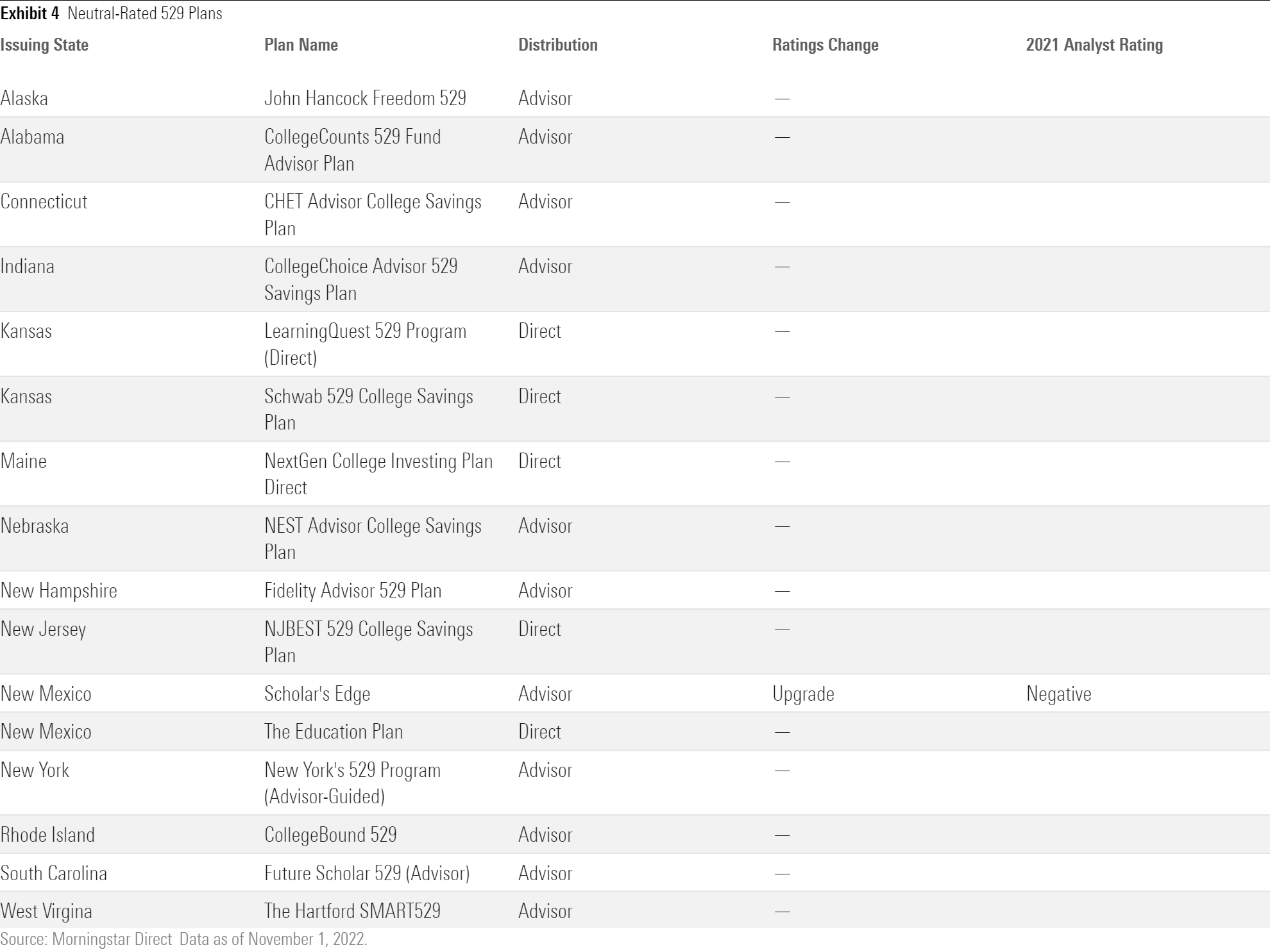
Navigating 529 plan rankings requires looking past headline scores to understand underlying metrics like fees, investment options, and state tax benefits. Ratings often weigh historical performance heavily, but low expense ratios and personalized state tax deductions usually have a much greater impact on long-term net savings for college and K-12 education.
Choosing a tax-advantaged college savings vehicle can feel like sorting through an alphabet soup of investment choices, mutual fund portfolios, and state-sponsored plans. For families trying to make sense of the landscape, third-party publications and financial research firms publish annual reviews and league tables. These resources assign stars, letter grades, or numerical scores to highlight the "best" plans in the country. However, looking at these scorecards without understanding the methodology behind them can lead to costly mistakes. To use these evaluations effectively, account holders must look past the headline numbers to evaluate how a plan's specific mechanics align with their financial situation.
The Anatomy of a 529 Plan Scorecard
Financial publications and independent ratings agencies evaluate dozens of state-sponsored education savings plans every year. To construct their lists, analysts typically review thousands of data points across several core categories. Understanding how these categories are weighted is essential for decoding what the final rankings actually communicate.
Most reputable rating systems break their evaluation criteria down into distinct pillars. These generally include investment performance, expense ratios and fee structures, administrative oversight, and the quality of the underlying asset managers, such as Vanguard, TIAA, or Fidelity. However, a high score in one pillar can easily mask a weakness in another. For instance, a plan might boast stellar historical returns for its equity portfolios while charging annual administrative fees that erode those gains over time.
Furthermore, many national rankings operate under a generalized set of assumptions that may not apply to an individual investor. A rating system might prioritize open-access plans—those available to residents of any state without in-state tax incentives—while completely ignoring the hidden value of local tax credits. Consequently, a plan ranked in the bottom tier nationally might actually be the single best choice for a local resident due to state-level deductions.
Decoding the Metrics That Matter Most
When examining the data tables and performance metrics within a 529 plan review, certain figures carry far more weight than others. Financial experts generally agree that expenses and tax advantages are more predictable and impactful over a multi-year savings horizon than historical investment returns.
Expense Ratios and Total Annual Asset-Based Fees
Fees are the single most controllable factor in long-term investment growth. Every 529 plan charges an annual asset-based fee, which covers investment management, state administration, and program management. These fees are expressed as an annual percentage of the total account balance.
- Underlying Fund Fees: These are charged by the mutual funds or exchange-traded funds (ETFs) held within the portfolio. Low-cost index funds typically feature expense ratios below 0.10%, while actively managed funds can exceed 0.50%.
- State Program Management Fees: Collected by the state or its private program manager, these fees pay for operational oversight and customer service.
- State Administrative Fees: Some states tack on an extra fee to cover local oversight, though many have reduced or eliminated these charges to remain competitive.
When a ranking gives high marks for low costs, it means the plan relies heavily on passively managed index portfolios with minimal expense ratios. Over an 18-year savings timeline, avoiding an extra 0.30% in annual fees can preserve thousands of dollars for tuition payments.
Historical Performance Versus Future Reality
Investors frequently gravitate toward plans with the highest past performance numbers. However, financial regulators and industry analysts routinely caution that past performance is no guarantee of future results.
Age-based portfolios, which automatically shift from equities to fixed-income assets as the beneficiary grows older, are judged on how smoothly they navigate market cycles. A plan that ranked near the top during a prolonged bull market might experience significant drawdowns during a market correction if its glide path is too aggressive. Instead of looking purely at three- or five-year returns, evaluate the consistency of the fund managers and the structural integrity of the asset allocation strategy.
Comparing Plan Structures: Direct-Sold Versus Advisor-Sold
One of the most consequential divisions in 529 plan rankings separates direct-sold plans from advisor-sold plans. Recognizing this distinction prevents investors from accidentally paying for services they do not need.
| Feature | Direct-Sold 529 Plans | Advisor-Sold 529 Plans |
|---|---|---|
| How to Open | Directly online or via mail through the state plan provider. | Through a certified financial planner, broker, or wealth manager. |
| Annual Fees | Generally very low; often restricted to underlying fund costs and minimal program fees. | Higher; includes ongoing advisor service fees and potentially sales loads (Class A, B, or C shares). |
| Investment Selection | Usually standardized age-based tracks and static portfolios. | Often includes a wider array of boutique managers and customized multi-fund strategies. |
| Best Suited For | Do-it-yourself investors comfortable managing their own asset allocation. | Investors seeking professional guidance, estate planning integration, and personalized advice. |
Rankings often evaluate direct-sold and advisor-sold plans on entirely different scales because their cost structures are fundamentally incompatible. Comparing the expense ratio of a direct-sold Vanguard plan to an advisor-sold plan with a 1.00% ongoing wrap fee is an apples-to-oranges comparison. Always verify which category a plan belongs to before reviewing its cost metrics.
The Local Tax Factor That National Rankings Miss
National publications face a difficult challenge: they must evaluate more than 50 distinct state plans under a single, unified lens. To do this fairly, they typically evaluate plans based on their merits for an out-of-state investor.
However, for most families, the most powerful wealth-building tool in a 529 plan is not low expense ratios—it is the state income tax deduction or credit offered by their home state.
- State Tax Parity: A handful of states offer tax deductions for residents regardless of which state's plan they use. If you live in one of these states, national rankings that emphasize open-market plans are genuinely useful.
- Resident-Only Tax Benefits: The vast majority of states restrict their tax breaks to residents who invest in their own home-state plan. If a state offers a generous income tax deduction for contributions, that local tax savings will almost always outweigh a minor difference in expense ratios between an in-state plan and a top-ranked national plan.
When reading rankings, look for callouts regarding state tax parity. If a publication awards a plan five stars primarily because of low fees, but you lose a 5% state income tax deduction by switching away from your local plan, the national ranking is misleading for your specific circumstances.
Common Misinterpretations of 529 Rankings
Misunderstanding how numerical scores and star ratings are calculated can steer savers away from optimal choices. Recognizing common analytical pitfalls helps clarify what the numbers truly convey.
Assuming Higher Ratings Equal Better Investment Returns
A five-star rating from a financial research firm rarely means a plan generates superior market returns. Instead, a five-star rating typically indicates that a plan offers an optimal combination of low fees, robust investment choices, strong state financial backing, and clear consumer disclosure. The actual return of the portfolio depends entirely on broader market conditions and the asset classes selected by the account owner.
Ignoring Plan Upgrades and Downgrades
Rankings are point-in-time snapshots. A state program might overhaul its investment lineup, replace its program manager, or lower its fees, instantly transforming a mediocre plan into an industry leader. Conversely, a previously top-ranked plan might experience fee hikes or management changes that drop its quality. Always check the publication date of any ranking list and verify current fee schedules directly on the official state plan website before moving funds or opening an account.
Frequently Asked Questions
Are 529 plan ratings determined by federal agencies?
No. Federal agencies like the IRS and the SEC establish the tax rules and regulatory framework for 529 plans, but they do not rank or endorse individual state plans. Ratings are published by independent financial media outlets, research firms, and consumer advocacy groups using their own proprietary methodologies.
Can I use a top-ranked 529 plan from a state where I do not live?
Yes. With very few exceptions, U.S. citizens and permanent residents can open a direct-sold 529 plan sponsored by any state, regardless of residency. However, choosing an out-of-state plan usually means forfeiting any state income tax deductions or credits offered by your home state.
How often do 529 plan rankings change?
Most major research firms update their comprehensive 529 plan evaluations annually. Minor adjustments or fee changes can occur at any time during the year, which is why reviewing primary source documentation on official state portals remains essential.
Do 529 plan fees change based on my account balance?
Most asset-based fees are charged as a flat percentage of your total balance, meaning the dollar amount you pay scales with your savings. Some plans, however, waive certain annual account maintenance fees if you maintain a minimum balance or enroll in automatic monthly contributions.
What happens to my 529 plan if the state changes its program manager?
States periodically rebid their management contracts to secure better pricing or services for account holders. If your plan transitions to a new manager, you will receive advance notification detailing your options, which typically include remaining in the plan under the new structure or rolling your funds into another 529 plan penalty-free once per calendar year.
Next Actions for Choosing Your Plan
Do not rely solely on headline scores when selecting an education savings vehicle. Begin by checking your home state's tax code to determine whether you qualify for local income tax deductions or credits for contributing to your local plan. If the local tax savings are substantial, use your home state plan regardless of its national ranking. If your state offers no tax incentives, or offers tax parity for out-of-state investments, consult reputable, low-cost direct-sold plans that feature diversified index portfolios and transparent, minimal administrative fees. Verify all current expense ratios directly through official program disclosure statements before making your final contribution.