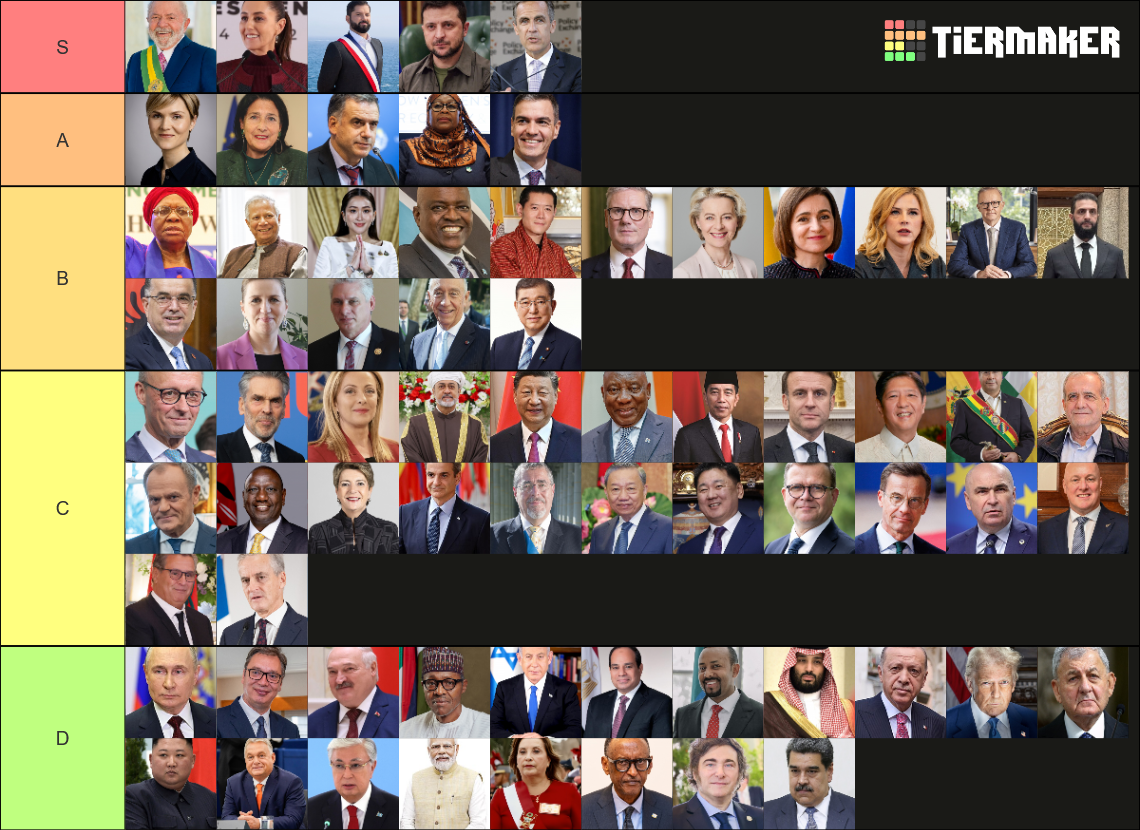
Determining the most attractive world leaders involves more than just physical symmetry; it encompasses charisma, personal style, and the "halo effect" of political power. As of 2026, the rankings are led by Canada’s Justin Trudeau, followed by El Salvador’s Nayib Bukele, Chile’s Gabriel Boric, France’s Emmanuel Macron, and Italy’s Giorgia Meloni.
The intersection of physical appearance and political efficacy has long been a subject of psychological study. In the digital age, where a leader’s image is disseminated instantly across social media platforms like Instagram and X, the visual branding of a head of state has become a vital tool of soft power. Attractiveness in this context is rarely about vanity; it is often a curated component of a leader's ability to communicate stability, modernity, or relatability to both domestic voters and the international community.
The Psychology of Attractiveness in Political Leadership
The "halo effect" is a cognitive bias where our overall impression of a person influences how we feel and think about their character. In politics, research consistently shows that voters often subconsciously associate physical attractiveness with competence, health, and trustworthiness. This phenomenon, sometimes referred to as "pretty privilege" in the workforce, translates into a measurable advantage at the ballot box.
In 2026, this dynamic has been amplified by high-definition streaming and the constant need for "camera-ready" leadership. A leader who maintains a fit appearance and a sharp wardrobe is often perceived as having the discipline required to manage a nation. However, the definition of "attractive" varies significantly across cultures. In some regions, a rugged, paternalistic look is preferred, while in others, a youthful, fashion-forward aesthetic signals a break from a stagnant past.
The Role of Personal Branding and Style
Attractiveness for a world leader is frequently tied to their "sartorial diplomacy." This refers to the strategic use of clothing and grooming to convey specific messages. For example, a leader might choose a traditional suit to signal respect for institutional norms or opt for more casual attire to appear as a "man or woman of the people." The leaders on this list have mastered the art of using their physical presence to reinforce their political identity.
5. Emmanuel Macron (France)
Emmanuel Macron has long been a fixture on lists of the world’s most attractive leaders, representing a quintessentially French blend of intellectualism and polished style. By 2026, Macron has transitioned from the "boy wonder" of European politics into a more seasoned statesman, yet he retains the slender build and sharp features that characterized his initial rise to power.
Sophistication and the "Jupiterian" Image
Macron’s attractiveness is rooted in his "Jupiterian" style of leadership—a term coined early in his presidency to describe a remote, dignified, and authoritative presence. His wardrobe is a masterclass in French tailoring; he is almost exclusively seen in slim-fit, dark navy suits that emphasize his lean frame. This consistency creates an image of unwavering professionalism and European sophistication.
Beyond his clothing, Macron’s charisma stems from his intensity. Whether he is engaged in a heated debate or a diplomatic photo-op, his piercing gaze and animated expressions suggest a high level of engagement. This "intellectual sex appeal" resonates particularly well in the European theater, where the ability to navigate complex philosophical and political landscapes is highly valued.
Evolution Over Time
In recent years, Macron has allowed for more candid, "behind-the-scenes" photography that shows a more relaxed side—occasionally appearing in hoodies or with unbuttoned collars during high-stress negotiations. This shift has added a layer of relatability to his otherwise rigid persona, proving that his aesthetic appeal is adaptable to the changing demands of public perception in 2026.
4. Giorgia Meloni (Italy)
As Italy's first female Prime Minister, Giorgia Meloni has cultivated an image that balances traditional Italian elegance with the grit of a grassroots politician. Her presence on the world stage is defined by her expressive features and a style that emphasizes strength without sacrificing femininity.
Power Dressing and Italian Heritage
Italy is the global epicenter of fashion, and Meloni utilizes this heritage to her advantage. She often favors bold colors—cobalt blues, vibrant greens, and crisp whites—that make her stand out in a sea of gray-suited male counterparts. Her choice of structured blazers and tailored trousers communicates a sense of "power dressing" that is both modern and authoritative.
Meloni’s attractiveness is also linked to her authenticity. Unlike leaders who appear overly coached, Meloni’s facial expressions are famously transparent. This perceived honesty, combined with her well-coiffed blonde hair and steady poise, has made her a prominent figure in international media. Her aesthetic is one of "approachable authority," which has helped her maintain a strong following even in the volatile landscape of Italian politics.
3. Gabriel Boric (Chile)
Gabriel Boric represents a radical shift in what a world leader looks like. As one of the youngest heads of state in the world, Boric’s attractiveness is tied to his authenticity and his rejection of the traditional "presidential" mold.
The Millennial Leader Aesthetic
Boric gained international attention for his refusal to wear a tie, his visible tattoos, and his slightly unkempt, thick hair. By 2026, while he has refined his look to suit the gravity of his office, he remains the poster child for millennial leadership. His appeal lies in his relatability; he looks like the people he represents.
His style is characterized by a "smart-casual" approach—well-fitted blazers worn over open-collared shirts, often accompanied by his signature beard. This look signals a break from the rigid, often out-of-touch hierarchies of the past. Boric’s attractiveness is a form of "cool" that is rare in the high-stakes world of geopolitics, making him a figure of fascination for a younger generation of voters globally.
2. Nayib Bukele (El Salvador)
Nayib Bukele, the self-proclaimed "coolest dictator in the world" (a title he used ironically on social media), has revolutionized political branding. His attractiveness is inseparable from his "tech-CEO" persona, which he has used to transform the international image of El Salvador.
Streetwear and Statecraft
Bukele is rarely seen in a traditional suit. Instead, his "uniform" often consists of a baseball cap (worn backward or forward), leather jackets, and aviator sunglasses. This unconventional look is a deliberate choice to signal that he is a disruptor. His grooming is meticulous, with a perfectly trimmed beard and a youthful energy that stands in stark contrast to the aging political class of Latin America.
In 2026, Bukele’s aesthetic remains a core part of his political strategy. By looking more like a Silicon Valley entrepreneur than a traditional president, he attracts international investment and maintains a cult-like following on social media. His attractiveness is defined by a sense of modern, high-energy confidence that suggests he is always three steps ahead of the curve.
1. Justin Trudeau (Canada)
Even after more than a decade on the world stage, Justin Trudeau remains the most frequently cited example of an attractive world leader. While his "Disney Prince" looks initially garnered him global headlines, his longevity is due to his ability to evolve his image while maintaining a high level of physical fitness and charismatic presence.
The Gold Standard of Political Charisma
Trudeau’s appeal is multifaceted. He possesses the classic "Hollywood" features—symmetrical face, athletic build, and a famous head of hair. However, it is his "socks diplomacy" and his ability to engage with people on a personal level that cements his status. Trudeau is a master of the "photo-op," whether he is participating in a pride parade, boxing in a gym, or engaging in high-level climate summits.
By 2026, Trudeau has leaned into a more "distinguished" look. The addition of salt-and-pepper hair and a more somber wardrobe has helped him transition from the "young reformer" to a "seasoned elder statesman." This evolution has allowed him to remain aesthetically relevant, proving that his appeal is not just a product of youth, but of a carefully maintained public persona.
Comparative Analysis of Top 5 Leaders
The following table compares the primary aesthetic and branding characteristics of the ranked leaders to illustrate how they utilize their appearance in the political sphere.
| Leader | Country | Primary Style Element | Key Aesthetic Trait | Impact on Public Perception |
|---|---|---|---|---|
| Justin Trudeau | Canada | Versatile/Athletic | Classic Charisma | Perceived as empathetic and energetic. |
| Nayib Bukele | El Salvador | Tech-CEO/Streetwear | Modern Disruptor | Perceived as innovative and decisive. |
| Gabriel Boric | Chile | Millennial/No-Tie | Authentic/Relatable | Perceived as grounded and progressive. |
| Emmanuel Macron | France | French Tailoring | Intellectual/Sharp | Perceived as professional and elite. |
| Giorgia Meloni | Italy | Bold Colors/Structured | Approachable Power | Perceived as strong and traditional. |
Beyond the Surface: The Strategic Use of Image
While the ranking focuses on attractiveness, it is essential to understand that for world leaders, image is a form of currency. This is not a new phenomenon—John F. Kennedy’s victory over Richard Nixon in the first televised debate is often attributed to his superior visual presentation—but in 2026, the stakes are higher.
High-Definition Diplomacy
The transition to 8K video and ultra-high-resolution photography means that every flaw is magnified. Leaders now employ entire teams of image consultants, photographers, and social media managers to ensure that every "candid" moment is perfectly lit and framed. The leaders on this list are those who have successfully navigated this landscape, using their physical traits to build a brand that resonates across borders.
The Impact of Physical Fitness
A common thread among the top-ranked leaders is a commitment to physical fitness. Trudeau’s boxing, Macron’s tennis, and Bukele’s high-energy public appearances all contribute to a perception of "vitality." In a world facing perpetual crises—from climate change to economic shifts—a leader who appears physically capable is often seen as more mentally resilient.
Frequently Asked Questions
Does being attractive actually help a leader get elected?
Yes, multiple studies in political psychology suggest that voters often use physical attractiveness as a heuristic, or mental shortcut, for positive traits like competence and honesty. This is particularly prevalent among voters who are less informed about specific policy platforms. However, while beauty can provide a "foot in the door," it rarely sustains a political career in the absence of results.
Who is the most attractive former world leader?
Sanna Marin, the former Prime Minister of Finland, is frequently cited as one of the most attractive leaders in history. Her "rockstar" persona and minimalist Nordic style made her a global icon. Other historical figures often mentioned include John F. Kennedy, Imran Khan (Pakistan), and Jigme Khesar Namgyel Wangchuck (The Dragon King of Bhutan).
How does the "attractiveness" ranking change by region?
Attractiveness is highly subjective and culturally dependent. In many parts of the Middle East and South Asia, traditional attire and a more "regal" or "stoic" appearance are highly valued. In Western democracies, there is currently a trend toward "youthful energy" and "relatability," which favors leaders like Boric or Trudeau.
Do world leaders have professional stylists?
Most high-ranking world leaders have access to professional tailors and image consultants. While they may not have a "stylist" in the celebrity sense, their wardrobes are often carefully managed by their communications teams to ensure they are appropriate for various cultural and diplomatic contexts.
Is there a "downside" to being an attractive leader?
Yes. Attractive leaders, particularly women, often face the "bimbo" or "himbo" stereotype, where their intellectual capabilities are underestimated because of their looks. They may have to work harder to prove their policy expertise and can be dismissed as "populists" or "celebrity politicians" by their critics.
Practical Recommendation: Evaluating Beyond the Image
While it is natural to be drawn to charismatic and attractive leaders, it is crucial for citizens to differentiate between a leader’s aesthetic brand and their policy outcomes. In 2026, the tools for image manipulation are more powerful than ever, with AI-enhanced photography and deep-fake technologies making it easier to curate a "perfect" persona.
To be a more informed observer of global politics, consider the following:
- Analyze Consistency: Does the leader’s public image align with their legislative actions?
- Look for Substance: Seek out long-form interviews and policy white papers rather than relying on curated social media clips.
- Recognize the Bias: Be aware of the "halo effect" and consciously try to evaluate a leader’s performance based on economic indicators, human rights records, and diplomatic successes rather than their physical presence.