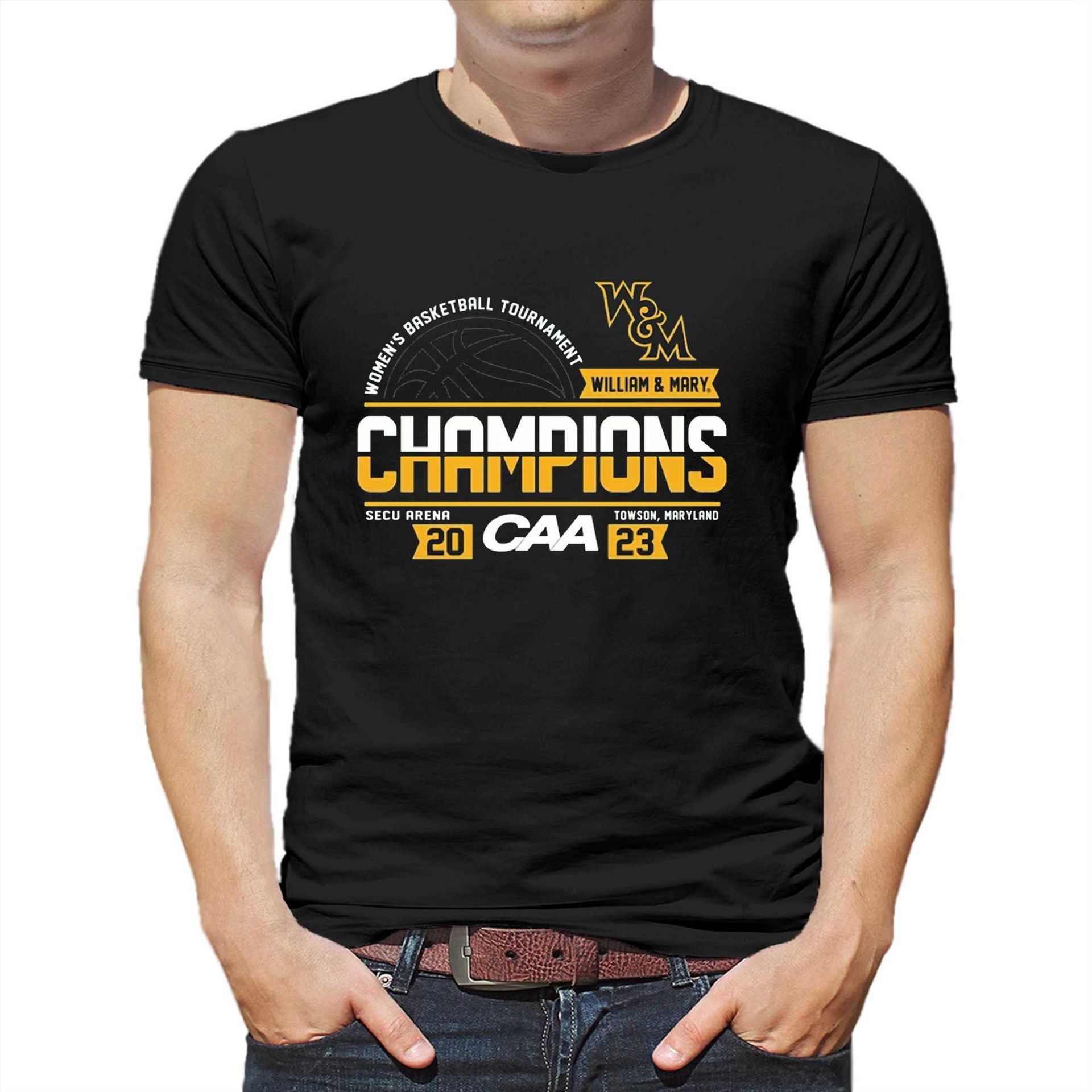
Choosing the best custom t-shirt requires evaluating fabric composition, fit and sizing, printing method, GSM weight, and garment construction quality to ensure durability, comfort, and professional visual appeal.
Introduction
Designing custom apparel—whether for corporate branding, merchandise, a local sports team, or a personal milestone—begins with selecting the right blank canvas. The market is flooded with countless wholesale options, retail-fit blanks, heavy-duty workwear, and eco-friendly textiles. Selecting the wrong shirt can result in faded prints, misshapen garments after a single wash, or discomfort that prevents your target audience from wearing the item.
Navigating this process successfully demands moving past basic color choices and examining the structural characteristics of the garment. By focusing on five essential factors, you can balance cost, longevity, and aesthetic appeal to produce a final product that meets high standards.
1. Fabric Composition and Material Quality
The foundation of any great custom t-shirt is the fabric. The choice of yarn dictates how the shirt feels against the skin, how it absorbs moisture, how it reacts to heat during printing, and how it holds up over time.
Cotton vs. Blends vs. Synthetics
- 100% Combed and Ring-Spun Cotton: Ring-spun cotton undergoes a mechanical process that flattens, straightens, and cleans the individual fibers, resulting in a softer, stronger, and smoother yarn than standard carded cotton. It is the premier choice for retail-quality feel and crisp screen printing.
- Poly-Cotton Blends: Combining polyester and cotton creates a lightweight, breathable fabric that resists shrinking and wrinkles better than pure cotton. These blends are popular for athletic wear and fashion-fit tees.
- Tri-Blends: A mixture of polyester, cotton, and rayon. Rayon adds a distinct drape and silky texture, making tri-blends exceptionally soft with a vintage, heathered appearance.
- 100% Polyester: Synthetic fabrics excel at moisture management, making them ideal for athletic jerseys and performance gear. However, printing on 100% polyester requires specific methods like dye-sublimation to prevent ink migration.
Sourcing and Ethical Considerations
Beyond tactile comfort, the origin of the fabric matters. Many modern apparel brands emphasize ethically sourced cotton, such as organic cotton grown without synthetic pesticides, or recycled polyester made from post-consumer plastic bottles. When producing garments for a brand that values sustainability, confirming the supplier's certifications—such as OEKO-TEX Standard 100 or Global Organic Textile Standard (GOTS)—protects both the environment and end-user safety.
2. GSM Weight and Fabric Density
Many buyers mistake thickness for quality, assuming a heavier shirt is automatically better. In textile manufacturing, fabric weight is measured in GSM (grams per square meter) or ounces per square yard. Understanding GSM helps you match the shirt to its intended environment and climate.
- Lightweight (130–150 GSM / 3.5–4.3 oz): Thin, highly breathable, and ideal for hot summer weather, fashion-forward slim fits, and layering. However, very low GSM shirts can sometimes feel translucent, especially in white.
- Midweight (150–180 GSM / 4.4–5.3 oz): The industry standard for retail promotional tees. Midweight shirts strike an optimal balance between breathability, opacity, and durability, fitting most casual use cases.
- Heavyweight (190+ GSM / 5.5+ oz): Substantial, structured, and resilient. Heavyweight cotton is often associated with streetwear brands, boxy fits, and long-lasting workwear. It maintains its shape well and provides a rigid base for bold graphic prints.
Matching the GSM to your design is critical. For instance, a delicate, minimalist left-chest logo on a 220 GSM heavyweight tee can look unbalanced, just as a dense, multi-color plastisol print on a 130 GSM shirt can cause the fabric to sag under the weight of the ink.
3. Fit, Cut, and Sizing Inclusivity
A t-shirt can feature premium fabric and a heavy GSM, but if the cut does not flatter the wearer or align with your audience, the garment will remain in the closet. Fit styles have evolved significantly beyond the boxy, tubular promotional tees of the past.
Common Fit Categories
- Retail / Modern Fit: Tailored slightly through the torso and sleeves without being tight. This is the prevailing standard for modern merchandise.
- Classic / Tubular Fit: Straight-cut sides with no side seams. Often less expensive to manufacture, these are durable and work well for universal giveaways.
- Slim / Fitted Fit: Narrower shoulders, tapered sleeves, and a tighter torso. Best suited for fashion brands and targeted demographic profiles.
- Oversized / Boxy Fit: Dropped shoulders and a wider body, heavily favored in contemporary streetwear fashion.
Sizing Inclusivity and Consistency
When ordering custom apparel for groups, accessibility is vital. Look for blank manufacturers that offer a wide size range—typically from XS to 3XL or 5XL—while maintaining consistent grading across sizes. Furthermore, check whether the garments are pre-shrunk. Pre-shrunk cotton minimizes post-wash sizing surprises, whereas unwashed cotton can shrink by up to 5% to 10% on the first wash cycle.
4. Garment Construction and Durability Details
The construction quality of a t-shirt determines its lifespan. Inspecting minor structural elements reveals whether a blank will withstand repeated industrial laundering or degrade quickly.
Key Construction Indicators
- Side Seams vs. Tubular Construction: Tubular shirts are knit as continuous cylinders, meaning they lack side seams. While cost-effective, they are prone to twisting after washing. Side-seamed shirts hold their structural integrity and drape much better on the human body.
- Stitching and Seam Reinforcement: Look for shoulder-to-shoulder taping, which involves a strip of fabric sewn into the shoulder seams to prevent stretching and shoulder blowout. Double-needle stitching on the hems and collar adds extra tensile strength.
- Collar Construction: The collar is often the first part of a t-shirt to fail (i.e., "bacon neck"). Ribbed collars with spandex or lycra recovery maintain their elasticity far longer than loose, unreinforced cotton collars.
5. Compatibility with Printing and Embellishment Methods
Not all t-shirt fabrics and styles accept customization equally. The interaction between the textile and your chosen printing method dictates the final visual outcome, hand-feel, and longevity of the artwork.
Matching Technique to Textile
- Screen Printing: The gold standard for bulk orders. It relies on pressing ink through woven mesh screens. Works exceptionally well on 100% ring-spun cotton and heavy cotton blends, yielding vibrant, long-lasting colors.
- Direct-to-Garment (DTG) Printing: Utilizes specialized inkjet technology to print ink directly onto the fabric fibers. DTG excels with complex, full-color photographic designs on 100% cotton blanks, yielding a soft hand-feel because the ink absorbs directly into the weave.
- Direct-to-Film (DTF) Printing: Prints designs onto a specialized film, which is then heat-pressed onto the garment. DTF is versatile, working on cotton, polyester, and blended fabrics without requiring pre-treatment, though it leaves a slightly heavier surface feel.
- Embroidery: Best suited for heavy-weight fabrics (180+ GSM) to prevent puckering. Ideal for clean, professional logos on polo shirts, hoodies, and structured cotton tees.
| Factor | Primary Considerations | Best Use Cases | Common Pitfalls |
|---|---|---|---|
| Fabric Composition | Ring-spun cotton, poly-blends, tri-blends, sustainability | Softness, breathability, retail feel | Choosing cheap carded cotton that pills quickly |
| GSM Weight | Light (130-150), Mid (150-180), Heavy (190+) | Matching climate, durability, and brand style | Picking a weight too thin for heavy print designs |
| Fit & Cut | Retail, classic, slim, oversized, size ranges | Target audience comfort and style preference | Ignoring pre-shrunk status, leading to post-wash fit issues |
| Construction | Side seams, shoulder taping, collar ribbing | Long-term durability and shape retention | Tubular construction that twists out of alignment |
| Printing Method | Screen print, DTG, DTF, embroidery | Aligning ink/thread type with fabric absorbency | Using DTG on untreated synthetic or low-density fabrics |
Frequently Asked Questions
What is GSM, and why does it matter for custom t-shirts?
GSM stands for grams per square meter, measuring the density and weight of a fabric. It matters because it helps you determine whether a shirt is light and breathable for hot climates or heavy and structured for streetwear. Heavier GSM fabrics generally offer greater durability and opacity, while lower GSM fabrics offer better flexibility and airflow.
Is ring-spun cotton better than standard cotton?
Yes, ring-spun cotton is generally superior for custom apparel. The mechanical spinning process elongates and aligns the cotton fibers, making the yarn softer, stronger, and smoother than standard carded open-end cotton. This creates a superior printing surface and a more comfortable retail feel.
How do I prevent custom t-shirts from shrinking?
To minimize shrinkage, choose shirts made from pre-shrunk cotton or poly-cotton blends. During production and laundering, wash custom shirts in cold water and tumble dry on low heat or air-dry them. High heat in industrial dryers is the primary cause of cotton fiber contraction.
What printing method lasts the longest?
Traditional screen printing generally offers the highest durability for large quantities, as plastisol or water-based inks bond deeply with the fabric fibers. However, high-quality Direct-to-Film (DTF) and proper Direct-to-Garment (DTG) prints also offer exceptional longevity if cured correctly under precise heat presses.
Should I choose side-seamed or tubular t-shirts?
Side-seamed t-shirts are vastly superior for retail and custom branding. They feature vertical seams along the sides that help the garment maintain its shape and fit the body's contours. Tubular shirts are cheaper to manufacture because they lack side seams, but they frequently twist and warp after a few washes.
Conclusion and Next Actions
Selecting the best custom t-shirt requires looking beyond the initial unit price and evaluating the structural integrity of the blank. Begin by defining your target audience and use case—whether you are creating promotional event giveaways or launching a retail clothing line. Request physical sample blanks from your printer to inspect the fabric weight, collar elasticity, and stitching quality before committing to a bulk production run. Balancing fabric composition, GSM density, accurate sizing, and the correct printing technique guarantees a finished product that your audience will want to wear repeatedly.