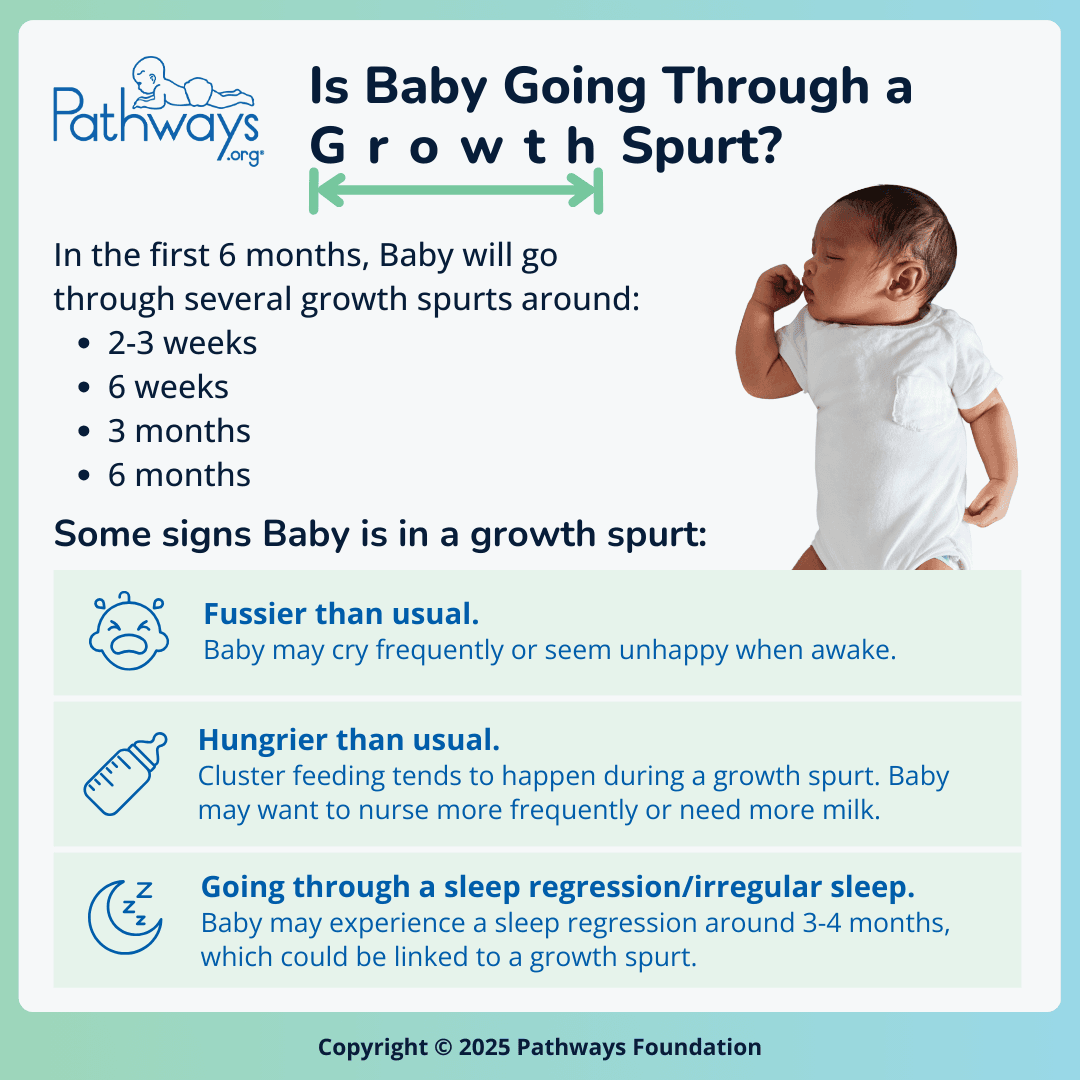
The 4-month growth spurt is a significant physiological and developmental event characterized by a sudden increase in nursing frequency, disrupted sleep patterns, and increased irritability. As infants reach this milestone, they undergo rapid physical elongation and neurological maturation, requiring higher caloric intake and extra emotional comfort to navigate their changing perception of the world.
The four-month mark is often cited by parents and pediatricians alike as one of the most transformative periods in an infant’s first year. While the newborn phase is characterized by a "sleep-eat-repeat" rhythm, the fourth month introduces a complex interplay of physical growth, cognitive leaps, and changes in sleep architecture. Understanding the specific symptoms of the 4-month growth spurt is essential for parents to provide the necessary support while maintaining their own well-being.
The Physiology of the 4-Month Growth Spurt
A growth spurt is not merely a matter of a baby getting "bigger." It is a systemic event involving the endocrine system, the skeletal system, and the brain. In 2026, pediatric research continues to emphasize that these periods are driven by the pulsatile release of growth hormone (GH), which primarily occurs during deep sleep. This creates a biological paradox: the baby needs deep sleep to grow, yet the process of growing often disrupts that very sleep.
During this window, an infant’s metabolic demands skyrocket. The caloric energy required to build new bone tissue, expand muscle mass, and facilitate the myelination of neural pathways is immense. Consequently, the most prominent symptom of the 4-month growth spurt is a significant shift in feeding behavior.
Identifying Key Symptoms and Signs
Recognizing the symptoms of a growth spurt allows parents to distinguish between a temporary developmental phase and other issues, such as illness or teething. While every child is unique, several hallmark signs consistently emerge during the four-month window.
1. Increased Hunger and Cluster Feeding
The most immediate sign is an insatiable appetite. You may find that a baby who previously settled into a predictable feeding schedule suddenly wants to eat every hour or two. In breastfed babies, this often manifests as "cluster feeding," where the infant stays at the breast for extended periods or requests multiple feedings in a short span. This behavior is the baby’s natural way of signaling the mother’s body to increase milk production to meet the new caloric demands. Formula-fed babies may also seem unsatisfied after their usual bottle, signaling a need for an ounce or two more per feeding.
2. Disrupted Sleep Patterns
Often coinciding with the "4-month sleep regression," the growth spurt can wreak havoc on nighttime rest. A baby who was previously sleeping five- or six-hour stretches may begin waking every two hours. These wakings are usually driven by genuine hunger (the metabolic need mentioned earlier) but can also be caused by physical discomfort. Growing pains, while difficult to quantify in infants, are believed to involve the stretching of the periosteum—the sensitive membrane covering the bones.
3. Heightened Irritability and Fussiness
A 4-month-old experiencing a growth spurt may seem "cranky" for no apparent reason. This fussiness is often a result of both physical exhaustion and the sensory transition they are undergoing. As their brain develops, they become more aware of their surroundings, which can lead to overstimulation. When you combine overstimulation with the physical ache of rapid growth and the fatigue of disrupted sleep, irritability is a natural outcome.
4. Mastering New Physical Milestones
Growth spurts are frequently accompanied by "developmental leaps." Around four months, many infants begin to master the art of rolling from tummy to back (or vice versa), reaching for objects with more precision, and showing improved head control. The brain is so focused on practicing these new motor skills that it often "forgets" how to sleep soundly. It is common to see a 4-month-old practicing rolling in their crib in the middle of the night.
| Symptom Category | Growth Spurt Indicator | Common Parent Observation |
|---|---|---|
| Feeding | Increased frequency and duration | "He's acting like he's starving every hour." |
| Sleep | Frequent night wakings; shorter naps | "She used to nap for two hours, now it's 20 minutes." |
| Mood | General fussiness and clinginess | "He won't let me put him down without crying." |
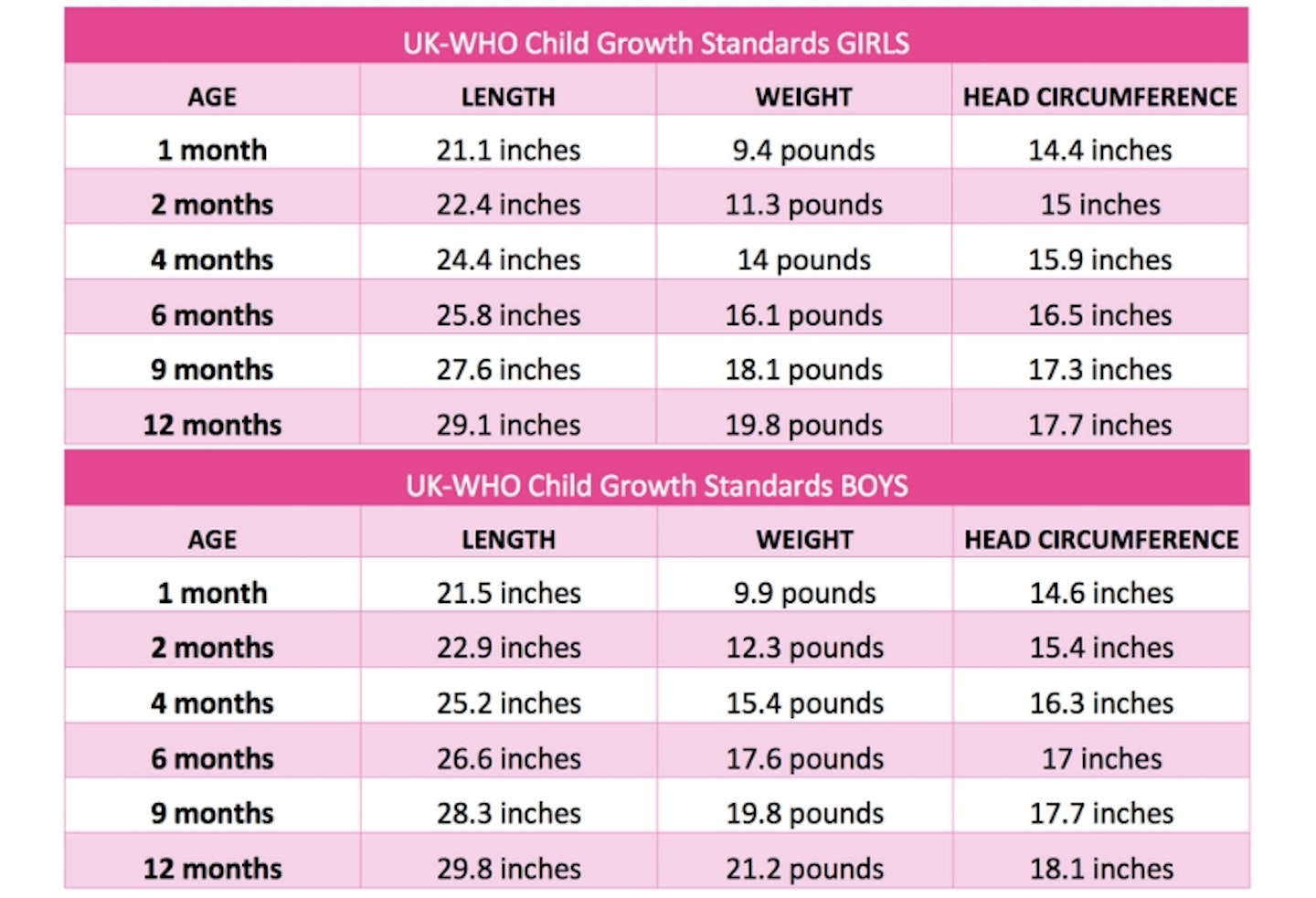
| Physical | Rapid increase in weight/length | "She suddenly outgrew all her 0-3 month onesies." |
| Cognitive | Distractibility during feeding | "She keeps pulling off the bottle to look at the dog." |
The Link Between Growth and the Sleep Regression
It is impossible to discuss the 4-month growth spurt without addressing the 4-month sleep regression. While they are distinct phenomena, they usually occur simultaneously. The sleep regression is specifically a permanent change in how a baby’s brain manages sleep cycles.
Before four months, infants have relatively simple sleep patterns. Around the four-month mark, their sleep architecture matures to include more distinct stages, including deep sleep and REM sleep, similar to an adult’s. As they transition between these cycles, they "wake up" more fully. If they haven't learned to self-soothe, they will cry out for assistance to get back to sleep. When you overlay a physical growth spurt on top of this neurological shift, the result is a period of significant sleep deprivation for the entire household.
Differentiating Growth Spurts from Illness or Teething
Because the symptoms of a growth spurt—fussiness, sleep disruption, and increased feeding—are non-specific, they can sometimes be confused with other issues.
- Teething: While some babies begin teething at four months, teething usually involves excessive drooling, swollen gums, and a desire to gnaw on hard objects. A growth spurt focuses more on hunger and total-body restlessness.
- Illness: A growth spurt should not cause a fever, a cough, or a rash. If the infant’s temperature rises above 100.4°F (38°C) or if they appear lethargic rather than just fussy, a consultation with a pediatrician is necessary.
- Ear Infections: Ear infections often cause pain when lying flat, leading to sleep disruptions. However, ear infections usually accompany a cold and may involve the baby tugging at their ears.
Managing the 4-Month Growth Spurt: Practical Strategies
Navigating this period requires a blend of patience, increased caloric support, and a flexible routine. Since the 4-month growth spurt is a temporary phase—usually lasting between three to seven days—the goal is "survival and support" rather than rigid sleep training.
Responsive Feeding
The most effective way to manage the increased hunger is to follow the baby’s cues. This is not the time to worry about "spoiling" the baby or overfeeding. If the baby shows signs of hunger (rooting, sucking on hands, smacking lips), offer a feeding. For breastfeeding mothers, this is a critical time to stay hydrated and increase caloric intake to support the temporary surge in milk demand.
Optimizing the Sleep Environment
Since the baby is more distractible and their sleep is more fragile, 2026 pediatric guidelines suggest prioritizing a "low-stimulation" sleep environment. This includes:
- Blackout Curtains: To prevent light from triggering the "wake" response during cycle transitions.
- White Noise: To mask household sounds that might startle a lightly sleeping infant.
- Consistent Bedtime Routine: A simple sequence (bath, book, feeding) that signals to the brain that sleep is approaching.
Supporting Motor Development
During the day, provide ample "floor time." Since the baby’s brain is obsessed with new movements, giving them a safe space to practice rolling and reaching can help expend physical energy. This may lead to slightly better sleep at night as the "novelty" of the movement wears off through repetition.
Managing Distractibility
At four months, a baby’s vision has improved significantly, and they are becoming intensely curious about their environment. This often leads to "distracted feeding," where the baby pulls away from the breast or bottle to look at a lamp, a sibling, or a noise. To ensure they get enough calories during the day (which prevents them from making up for those calories at night), try feeding in a dark, quiet room.
Nutritional Considerations: Is it Time for Solids?
A common misconception is that the 4-month growth spurt is a sign that the baby needs solid food. While the infant is hungrier, the World Health Organization (WHO) and the American Academy of Pediatrics (AAP) generally recommend waiting until approximately six months of age to introduce solids.
The hunger of a growth spurt is best met with increased volumes of breast milk or formula, which are more calorically dense and easier to digest than infant cereal or purees at this stage. Parents should look for developmental readiness signs—such as sitting upright with little support and the loss of the tongue-thrust reflex—rather than using a growth spurt as the sole indicator for starting solids.
When to Consult a Professional
While the 4-month growth spurt is a normal part of development, there are instances where professional advice is warranted. Parents should reach out to their pediatrician if:
- The baby is not gaining weight despite increased feeding.
- The period of extreme fussiness lasts longer than two weeks without improvement.
- The baby shows signs of dehydration (fewer than six wet diapers in 24 hours).
- The parent is feeling overwhelmed, anxious, or exhibiting signs of postpartum depression or exhaustion.
Summary of Next Actions for Parents
If you suspect your child is entering the 4-month growth spurt, the following steps can help stabilize the household:
- Adjust your expectations: Accept that your schedule will be disrupted for the next several days. Postpone non-essential tasks to focus on rest and feeding.
- Increase feeding frequency: Offer the breast or bottle more frequently during the day to help minimize nighttime hunger wakings.
- Prioritize floor time: Give the baby space to work through their physical developmental milestones.
- Watch for "Ready" signs: Monitor the baby’s growth and milestones, as this spurt often leads to a more predictable "infant" schedule once the dust settles.
Frequently Asked Questions
How long does the 4-month growth spurt actually last?
Most growth spurts are relatively short-lived, typically lasting between three to five days. However, if the spurt is accompanied by a major developmental leap (like learning to roll) or the 4-month sleep regression, the period of disrupted behavior can feel like it lasts for two weeks. The "intense" phase of constant hunger usually resolves within the first week.
Can a 4-month growth spurt cause a fever?
No, growth spurts do not cause fevers. While a baby might feel slightly warmer due to increased metabolic activity or crying, a true fever (100.4°F or higher) is an indicator of an underlying infection or virus. If your baby has a fever during a growth spurt, it is a coincidence, and you should contact your healthcare provider.
Why is my baby suddenly "fighting" their feedings?
This is often "distracted feeding," a hallmark of the 4-month stage. As their eyesight and cognitive processing improve, the world becomes much more interesting than a bottle or breast. This can be frustrating for parents, but it is a sign of healthy neurological development. Try feeding in a darkened, boring room to help them focus.
Is the 4-month growth spurt the same as a "leap"?
They are related but not identical. A growth spurt refers specifically to physical changes (size, weight, caloric needs). A "leap" (often associated with the "Wonder Weeks" theory) refers to a neurological shift in how the brain perceives the world. At four months, these two events frequently overlap, creating a "perfect storm" of fussiness and sleep disruption.
Should I start sleep training during a growth spurt?
It is generally recommended to wait until the growth spurt has passed before starting a new sleep training regimen. Because the baby has a genuine physiological need for more calories and comfort during a spurt, attempting to limit nighttime feedings or responses can be counterproductive and stressful for both the parent and the infant. Once the baby’s appetite stabilizes, you will have a clearer picture of their "new" sleep baseline.