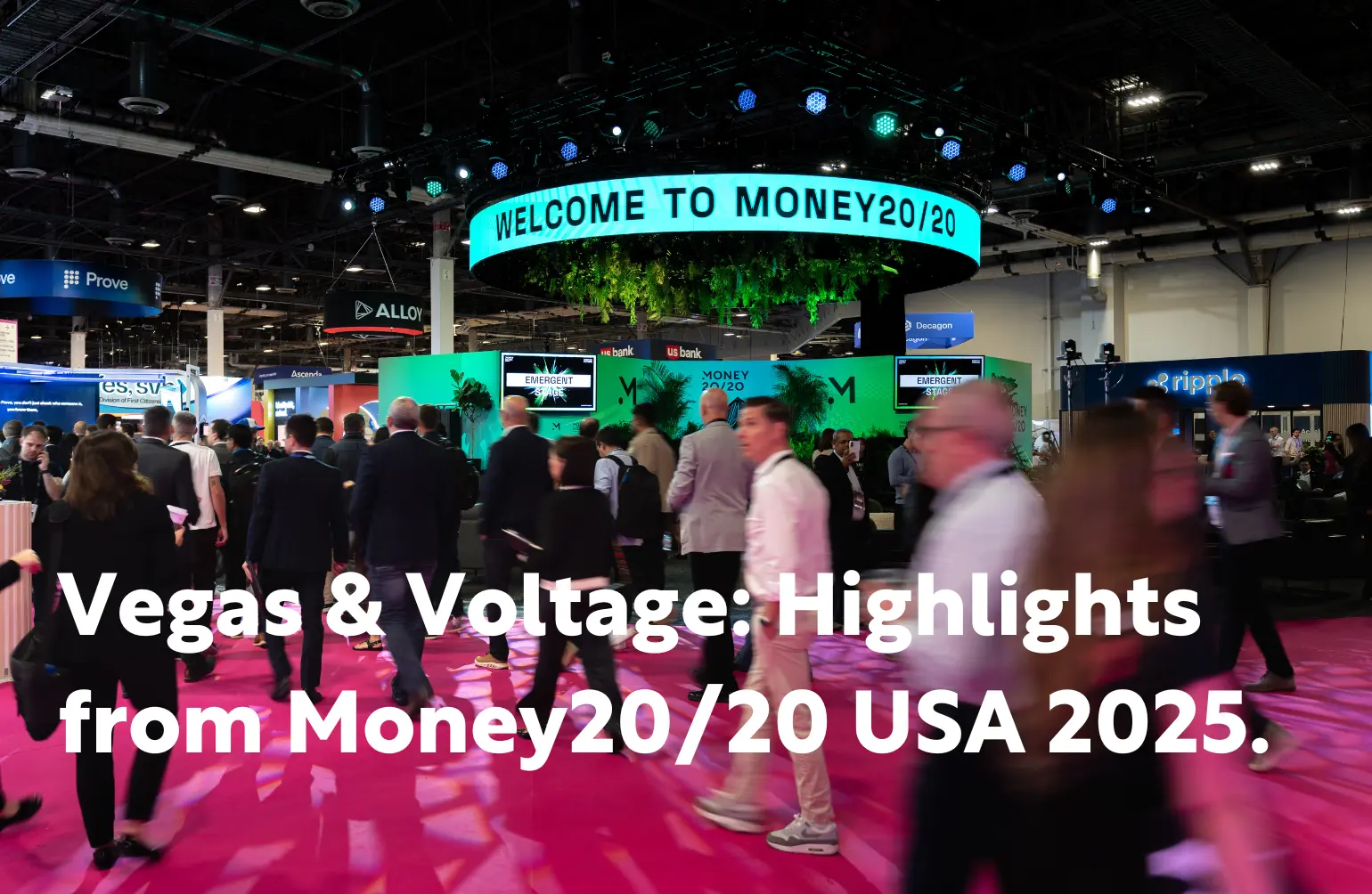
The 2020 Money20/20 event in Las Vegas underwent a major pivot, transitioning from its traditional massive in-person gathering at the Venetian Resort to a digital format due to the global COVID-19 pandemic, while continuing to serve as a vital virtual convergence point for fintech, banking, and payment industry leaders to discuss resilience, contactless trends, and digital transformation.
Introduction to the 2020 Money20/20 Landscape
Money20/20 is widely recognized as the premier global conference for the fintech, payments, financial services, and retail technology sectors. Each year, thousands of executives, founders, regulators, and investors converge to network, unveil product roadmaps, and debate the future of money. However, the year 2020 presented an unprecedented operational environment. Due to the severe public health restrictions and international travel limitations imposed by the COVID-19 pandemic, the organizers of Money20/20 faced a critical choice: cancel the flagship Las Vegas event entirely or pivot toward an entirely digital experience.
The decision resulted in the creation of specialized virtual initiatives, notably "Money20/20 Rise Up" and alternative digital programming designed to keep the financial technology community connected during a time of immense market disruption. While the physical halls of the Venetian Convention Center remained quiet in October 2020, the discussions surrounding the event captured the exact moment the industry accelerated its digital transformation. This retrospective examines how the 2020 cycle unfolded, the core themes that dominated the discourse, the logistical adjustments made by organizers, and the lasting impact this pivotal year had on the broader financial ecosystem.
The Operational Pivot: From the Venetian to the Digital Sphere
For years, the sheer scale of Money20/20 Las Vegas defined its reputation. The conference floor typically featured massive interactive booths from tech giants, traditional financial institutions, and agile startups, alongside tightly packed keynote stages and notorious networking lounges. In the spring and summer of 2020, as the realities of the pandemic set in, event leadership monitored global health metrics and travel guidelines before officially announcing the cancellation of the physical October 2020 gathering in Las Vegas.
This shift required an immediate reconfiguration of how content was delivered and how business-to-business (B2B) matchmaking occurred. Rather than attempting to replicate a four-day physical conference through simple video webinars, organizers leaned into targeted digital broadcasts, thought-leadership panels, and specialized connection platforms. The objective was to maintain business continuity for fintech companies whose growth trajectories depended on securing venture capital, forging banking-as-a-service (BaaS) partnerships, and navigating rapidly changing regulatory frameworks.
Maintaining Industry Connectivity Through Virtual Initiatives
To bridge the gap left by the absence of the live Las Vegas event, organizers curated digital content streams that addressed the immediate operational challenges faced by financial institutions. Key elements of this virtual approach included:
- Executive Roundtables: Closed-door digital sessions where C-suite executives discussed liquidity management, remote workforce security, and crisis response strategies.
- Curated Matchmaking: Software-driven networking tools intended to pair early-stage fintech founders with venture capitalists and enterprise buyers.
- Thematic Content Tracks: Segmented video presentations focusing on cybersecurity, fraud prevention, digital identity, and central bank digital currencies (CBDCs).
Although these virtual adaptations lacked the spontaneous hallway networking that physical conferences provide, they offered unprecedented accessibility for international participants who might otherwise have faced prohibitive travel costs and visa constraints.
Core Themes and Industry Trends of 2020
The discussions emerging from the 2020 digital programming reflected an industry under intense pressure to adapt. The economic shockwaves of the pandemic acted as a massive catalyst for consumer and enterprise behavior shifts, forcing financial institutions to compress multi-year digital roadmaps into mere months. Several dominant themes characterized the discourse throughout that year.
The Acceleration of Contactless and Digital Payments
Physical distancing guidelines and a consumer aversion to handling cash or touching shared PIN pads caused an immediate surge in contactless payment adoption. In 2020, tap-to-pay cards, mobile wallets (such as Apple Pay and Google Pay), and QR code-based transactions transitioned from convenient alternatives to essential safety measures. Financial technology providers highlighted how backend infrastructure had to scale rapidly to handle unprecedented transaction volumes without latency or security compromises.
The Rise of Banking-as-a-Service (BaaS) and Embedded Finance
The 2020 environment underscored the reality that consumers increasingly prefer financial services integrated directly into non-financial apps and platforms—a concept known as embedded finance. BaaS providers enabled non-bank brands, from software-as-a-service (SaaS) companies to e-commerce marketplaces, to offer checking accounts, debit cards, and lending products seamlessly. Discussions during the 2020 programming focused on how regulatory compliance, API stability, and risk management must evolve as financial services become decentralized across diverse digital ecosystems.
Financial Inclusion and Economic Vulnerability
With millions of individuals experiencing sudden job losses or income instability, the vulnerabilities within traditional banking systems became starkly apparent. Industry leaders debated the role of fintech in delivering government stimulus funds rapidly and securely, expanding access to unbanked populations, and deploying digital lending models that could assess creditworthiness outside traditional, rigid scoring systems.
Comparison of Event Formats: Physical vs. 2020 Virtual Adaptations
To understand the unique nature of the 2020 Money20/20 landscape, it is helpful to contrast the traditional Las Vegas physical format with the digital alternative deployed that year.
| Feature | Traditional Las Vegas Event | 2020 Digital Adaptation |
|---|---|---|
| Primary Location | The Venetian Resort, Las Vegas, Nevada | Global virtual access via web browsers and mobile apps |
| Networking Style | Spontaneous meetings, hallway chats, evening receptions | Algorithmic matchmaking, scheduled video calls, chat forums |
| Exhibit Hall | Multi-vendor expo floor with interactive booths | Digital company profiles, downloadable collateral, demo videos |
| Keynotes & Panels | Large physical auditoriums with live audience interaction | Streamed video presentations with moderated live Q&A text |
| Accessibility | Limited by travel budgets, time zones, and visas | Broadened global reach, reduced travel costs, asynchronous viewing |
Economic and Strategic Impact on the Fintech Sector
The cancellation of the physical 2020 Las Vegas conference represented a notable financial adjustment for the city's hospitality and convention economy, which traditionally benefited from tens of thousands of high-spending business travelers. For the fintech industry itself, the absence of the physical gathering prompted a reassessment of marketing spend, customer acquisition strategies, and product launch timelines.
Many startups that relied on the physical floor to make their breakthrough announcements had to pivot to digital PR campaigns, virtual product demonstrations, and targeted social media outreach. Venture capitalists, while cautious during the initial months of the pandemic, ultimately deployed record amounts of capital into digital infrastructure, e-commerce enablement, and cybersecurity solutions throughout late 2020 and 2021. The lessons learned in 2020 regarding remote collaboration and digital client onboarding permanently altered how financial institutions approach operational resilience.
Frequently Asked Questions
Did Money20/20 take place physically in Las Vegas in 2020?
No, the traditional physical conference scheduled for October 2020 at the Venetian Resort in Las Vegas was canceled due to the global COVID-19 pandemic and associated travel restrictions. Organizers pivoted to digital programming and specialized virtual connection initiatives instead.
What were the main topics discussed during the 2020 digital programming?
The primary discussions centered on the rapid acceleration of contactless payments, the expansion of Banking-as-a-Service (BaaS) and embedded finance, cybersecurity challenges in remote work environments, and the role of fintech in addressing financial inclusion and economic uncertainty.
How did fintech startups showcase new products in 2020 without the physical expo floor?
Startups relied heavily on digital PR campaigns, virtual product demonstration webinars, targeted social media marketing, and software-driven networking platforms designed to connect founders directly with investors and enterprise partners.
When did Money20/20 return to an in-person format in Las Vegas?
Following the 2020 digital pivot, Money20/20 successfully resumed its large-scale, in-person event at the Venetian Resort in Las Vegas in October 2021, welcoming back thousands of industry professionals under updated health and safety protocols.
What long-term impact did the 2020 event changes have on the conference?
The 2020 digital shift accelerated the integration of hybrid networking tools and digital content components into future editions of the conference, ensuring that participants who could not travel retained access to key insights and matchmaking capabilities.
Conclusion and Industry Takeaways
The 2020 Money20/20 experience in Las Vegas stands as a historical marker of resilience and rapid adaptation within the financial technology sector. While the iconic physical gathering at the Venetian was paused, the virtual programming captured the precise moment when digital transformation shifted from a strategic goal to an absolute operational necessity. By examining how organizers, founders, and executives navigated this turbulent period, industry professionals gain valuable perspective on managing systemic disruption and scaling digital solutions under pressure.