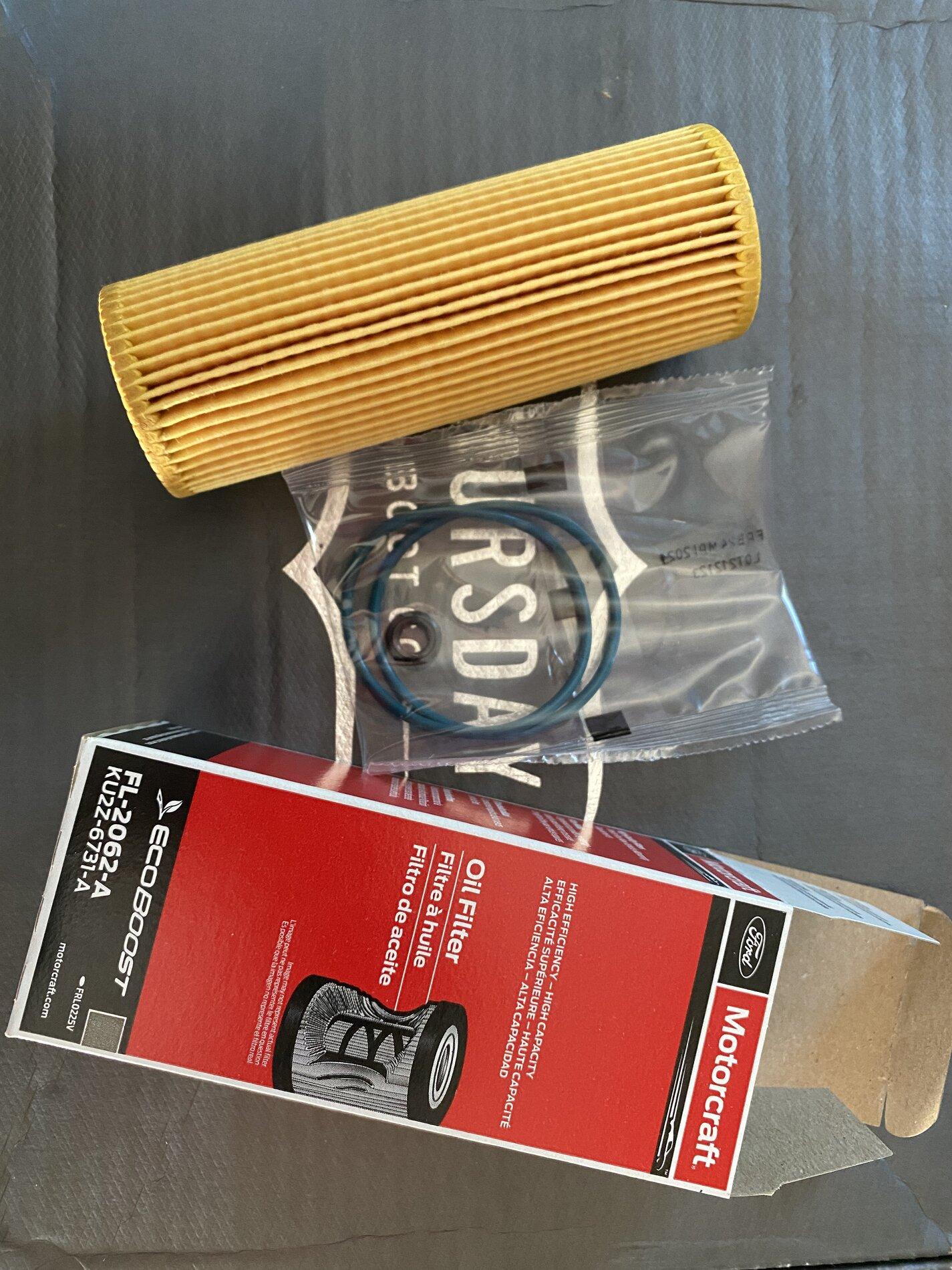
For the 2018 Ford F-150 equipped with the 3.5L EcoBoost V6 engine, Ford specifies Full Synthetic SAE 5W-30 motor oil that meets Ford specification WSS-M2C946-B1 (or the updated WSS-M2C946-A standard). Maintaining proper viscosity and adhering to manufacturer-certified specifications are critical steps for safeguarding the complex turbocharger architecture and high-pressure fuel systems inherent in modern EcoBoost powerplants.
Proper fluid maintenance is the lifeblood of any modern internal combustion engine, but forced-induction platforms like the second-generation 3.5L EcoBoost place extraordinary thermal and mechanical demands on their engine oil. Understanding the exact oil type, correct fluid capacity, oil filter choices, and change intervals will protect your truck against premature wear, timing chain stretch, and turbocharger bearing failure.
Engineering Context: Why the 2018 3.5L EcoBoost Demands Specific Oils
The second-generation 3.5L EcoBoost engine featured in the 2018 Ford F-150 utilizes twin turbochargers, direct gasoline injection, and a complex dual-overhead-camshaft timing chain assembly. Unlike naturally aspirated V8 engines of the past, turbocharged direct-injection (GDI) engines operate under extreme internal pressures and higher operating temperatures.
When engine oil is exposed to the intense heat of a turbocharger's turbine shaft housing, inferior or conventional oils can break down rapidly. This thermal breakdown leads to varnish deposits, oil coking, and sludge accumulation, which can starve the turbocharger bearings of lubrication. Furthermore, direct injection is prone to a phenomenon known as Low-Speed Pre-Ignition (LSPI), where air-fuel mixtures ignite prematurely under high load at low RPMs, potentially causing catastrophic piston and ring land damage. Modern synthetic oils formulated with specific detergent packages help mitigate LSPI risks.
| Viscosity Grade | SAE 5W-30 |
|---|---|
| Oil Category | Full Synthetic |
| Ford Specification | WSS-M2C946-B1 / API SN / SN PLUS |
| Oil Capacity (w/ Filter) | 6.0 US Quarts (5.7 Liters) |
| OEM Oil Filter | Motorcraft FL-500-S |
Breaking Down Ford's Oil Specifications
When walking down the automotive aisle or browsing online stores, you will see dozens of 5W-30 motor oils. However, not all 5W-30 oils are created equal. Ford establishes strict engineering standards to ensure lubricants can handle the unique internal tolerances of their engines.
Understanding WSS-M2C946-B1
Ford’s proprietary specification WSS-M2C946-B1 (and its predecessor WSS-M2C946-A) ensures that the oil passes stringent bench tests and engine dynamometer testing for wear protection, deposit control, and fuel economy. Oils carrying this specification have demonstrated superior resistance to high-temperature deposits and oxidation.
The API Certification and SN Plus / SP Standards
In addition to Ford's internal standards, look for oils displaying the American Petroleum Institute (API) certification starburst and donut symbols. For the 3.5L EcoBoost, ensure the oil meets API SN PLUS or API SP. These standards were specifically introduced to combat LSPI in turbocharged direct-injection engines. If you use an oil that only meets older API standards (like API SM or SL), you risk exposing your engine to damaging pre-ignition events during heavy towing or acceleration.
Oil Capacity and Filter Selection
Getting the fluid level correct is just as important as choosing the right chemistry. Overfilling an engine can cause excessive internal crankcase pressure, aeration, and seal leaks, while underfilling leads to oil starvation and rapid component wear.
Exact Oil Capacity
The 2018 Ford F-150 3.5L EcoBoost engine holds 6.0 US quarts (5.7 liters) of engine oil when performing a standard oil and filter change. Always verify the level using the dipstick after filling, running the engine briefly to fill the new oil filter, and allowing the oil to settle back into the oil pan for a few minutes.
Choosing the Correct Oil Filter
Ford engines are sensitive to oil filter design, particularly regarding internal bypass valve pressure settings and anti-drainback valves. The factory-recommended and most reliable filter for this application is the Motorcraft FL-500-S.
- Anti-Drainback Valve: The FL-500-S features a silicone anti-drainback valve that prevents oil from draining out of the filter back into the pan when the engine is turned off. This ensures immediate oil pressure to the turbochargers upon startup, minimizing dry-start wear.
- Filter Construction: Utilizing high-capacity synthetic-blend media, the FL-500-S traps microscopic contaminants without restricting oil flow.
Synthetic vs. Conventional: Making the Right Choice
While some older vehicle manuals allowed conventional or synthetic-blend oils, the 3.5L EcoBoost engine requires full synthetic motor oil to perform reliably over its service life.
| Feature | Conventional | Full Synthetic |
|---|---|---|
| Thermal Stability | Moderate | Exceptional |
| Resistance to Coking | Low | High |
| Cold Weather Flow | Good | Excellent |
| Recommended For | Older, N.A. Engines | 3.5L EcoBoost |
Full synthetic oils are engineered in laboratories to have uniform molecular structures. This uniformity allows them to maintain their viscosity across a much wider temperature range—flowing easily during sub-zero winter startups while maintaining a strong protective film under extreme towing temperatures. Given the intense heat soak experienced by turbocharger center housings after shutting down a hot engine, conventional oil will quickly cook, leave carbon deposits, and ruin the turbo bearings. Full synthetic oil resists this degradation entirely.
Recommended Change Intervals for the 3.5L EcoBoost
How often should you change the oil in your 2018 F-150 EcoBoost? The answer depends heavily on your driving habits, operating environment, and towing frequency.
The Intelligent Oil-Life Monitor
Your truck is equipped with Ford’s Intelligent Oil-Life Monitor (IOLM) system. This system calculates oil life based on actual operating conditions, including engine idle time, oil operating temperatures, cold starts, and towing loads. When the message center displays "Oil Change Required," you should schedule service promptly.
Real-World Service Recommendations
While the factory IOLM can stretch intervals up to 10,000 miles under ideal highway driving conditions, experienced technicians and long-term owners of EcoBoost trucks generally recommend a more conservative schedule:
- Standard Driving: 5,000 to 7,500 miles or every 6 months, whichever comes first.
- Severe Duty Driving: 3,000 to 5,000 miles if you frequently tow heavy trailers, drive in dusty environments, make frequent short trips where the engine never reaches full operating temperature, or engage in extensive heavy idling.
Frequent oil changes are the single most effective preventative maintenance task you can perform to prevent timing chain wear and turbocharger failure on high-mileage EcoBoost engines.
Step-by-Step Oil Change Procedure
Performing an oil change on a 2018 F-150 3.5L EcoBoost is straightforward, but requires attention to detail regarding torque specifications and fluid disposal.
- Preparation and Warm-Up: Run the engine for a few minutes to warm the oil, making it less viscous so it drains more completely. Turn off the truck, engage the parking brake, and elevate the front end safely using certified jack stands and wheel chocks.
- Locate and Drain: Position a drain pan beneath the oil pan. Remove the drain plug. Note that 2018 models may feature a traditional threaded metal drain plug or a yellow plastic composite plug requiring a quarter-turn release. Allow the oil to drain completely.
- Replace the Filter: Locate the oil filter near the front underside of the engine. Unscrew the old filter using a filter wrench if necessary. Ensure the old rubber O-ring gasket comes off with the filter and does not stick to the mounting flange. Wipe the mounting surface clean.
- Prepare the New Filter: Apply a thin film of clean synthetic oil to the rubber gasket of the new Motorcraft FL-500-S filter. Screw it on hand-tight until the gasket contacts the base, then turn it an additional three-quarters to one full turn. Do not over-tighten with a wrench.
- Reinstall Plug and Fill: Reinstall the drain plug securely (replace the O-ring or plug if worn). Remove the oil filler cap under the hood and pour in exactly 6.0 quarts of approved 5W-30 full synthetic oil.
- Verify and Reset: Start the engine and check for leaks around the filter and drain plug. Turn off the engine, wait five minutes, and check the dipstick level. Finally, reset your Oil-Life Monitor through the instrument cluster settings.
Frequently Asked Questions
Can I use 5W-20 oil in my 2018 3.5L EcoBoost?
No. While some lighter Ford engines specify 5W-20 for fuel economy, the 3.5L EcoBoost specifically requires 5W-30. Using a thinner 5W-20 oil under high boost pressures can compromise the lubricating film strength required by the turbocharger bearings and camshaft journals.
What happens if I use an oil that does not meet Ford specifications?
Using non-certified oil increases the risk of premature timing chain wear, sludge buildup in the turbocharger oil feed lines, and LSPI engine damage. During the vehicle warranty period, using uncertified fluids could also complicate warranty claims if an engine failure occurs due to lubrication breakdown.
Do I need to use a synthetic blend or is full synthetic mandatory?
While early manuals may have listed synthetic blends as acceptable, full synthetic oil is strongly recommended for all EcoBoost applications. The extreme heat generated by the twin turbochargers breaks down conventional and synthetic-blend oils far too quickly, leading to costly mechanical failures.
How do I reset the oil life monitor on a 2018 F-150?
Turn the ignition key to the ON position without starting the engine. Using the directional pad on your steering wheel, navigate to Settings > Advanced Settings > Vehicle > Oil Life Reset. Press and hold the OK button until the screen confirms the oil life has been reset to 100%.
Final Recommendations
Protecting your 2018 Ford F-150 3.5L EcoBoost starts with using the correct fluids. Always insist on Full Synthetic 5W-30 motor oil meeting Ford WSS-M2C946-B1 (or API SN PLUS/SP) paired with a genuine Motorcraft FL-500-S oil filter. Commit to a conservative 5,000-to-7,500-mile change interval, especially if you tow heavy loads or drive in stop-and-go city traffic. Investing in high-quality oil today prevents expensive turbocharger and engine repairs down the road.