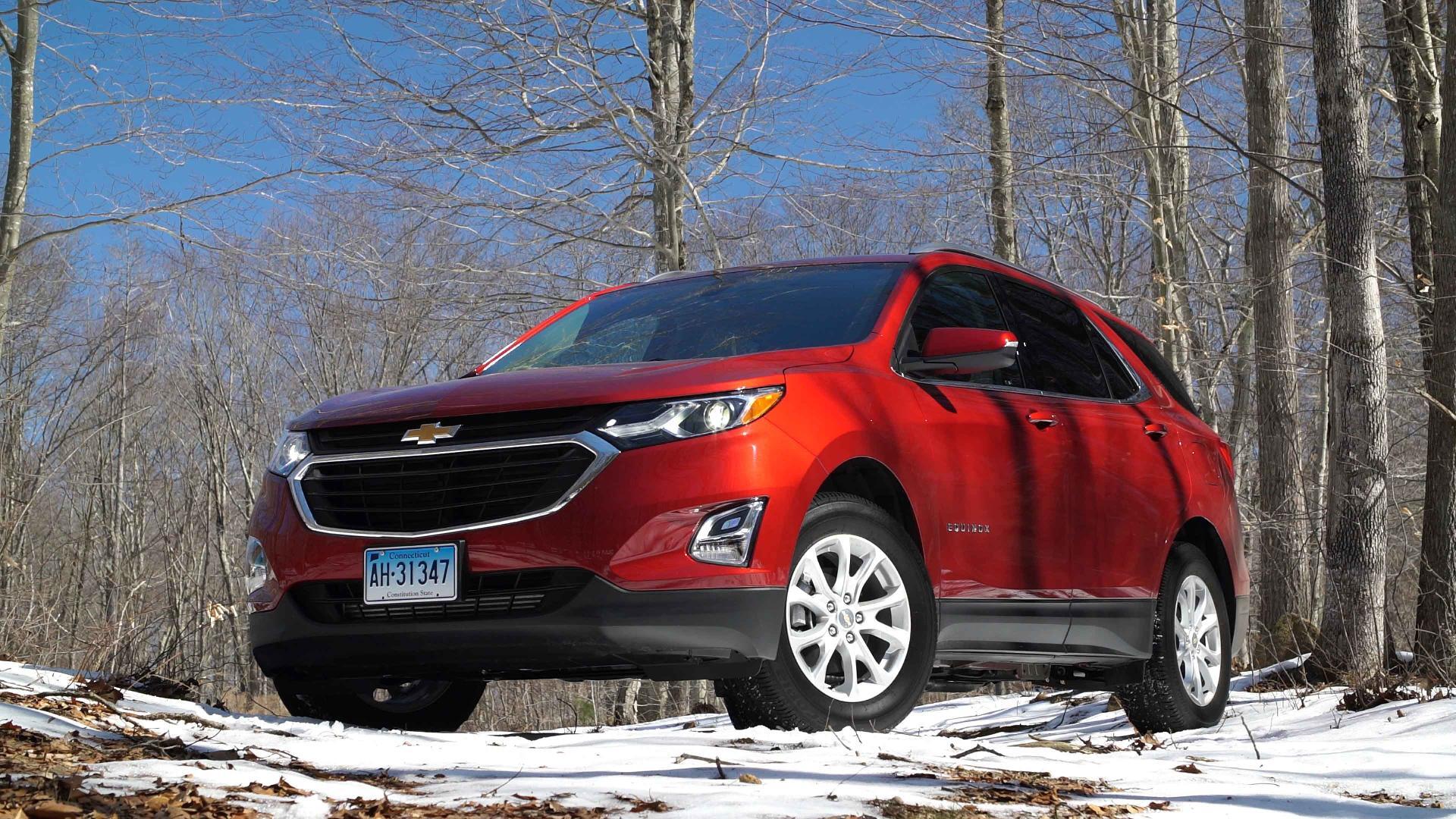
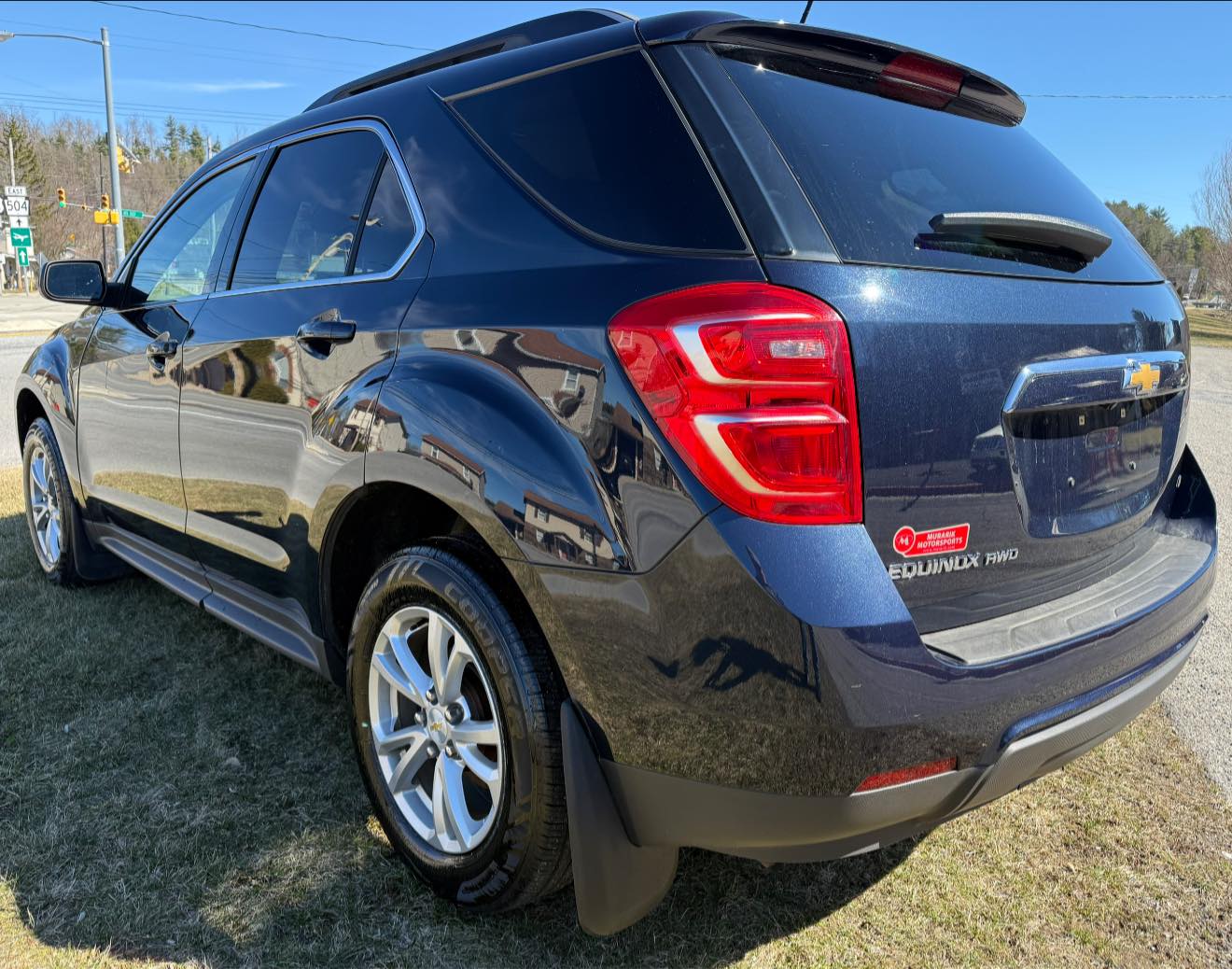
The 2017 Chevrolet Equinox LT AWD demonstrates above-average reliability compared to earlier second-generation models, benefiting from factory revisions to its 2.4L Ecotec engine and 6-speed transmission. While overall mechanical dependability is solid, prospective buyers must monitor the Power Transfer Unit (PTU), watch for PCV valve clogging in cold climates, and maintain strict oil and fluid change intervals.
Overview of the 2017 Chevy Equinox LT AWD
The 2017 Chevrolet Equinox represents the final model year of the vehicle's second generation (2010–2017). Because automobile manufacturers typically resolve engineering flaws over a generation's production lifecycle, the 2017 model year avoids many of the severe mechanical pitfalls that plagued earlier 2010–2014 iterations.
The LT (Light Truck) trim sits in the middle of the Equinox lineup, balancing budget-friendly practicality with essential modern conveniences. Equipping the LT trim with All-Wheel Drive (AWD) adds an intelligent, on-demand driveline system that improves traction on slick pavement, mud, and snow.
- 2017 Equinox LT AWD Powertrain Configurations
- 2.4L LEA I4 Engine
- 182 hp / 172 lb-ft
- Hydra-Matic 6T45 6-Speed
- Ideal for commuter economy
- 3.6L LFX V6 Engine
- 301 hp / 272 lb-ft
- Hydra-Matic 6T70 6-Speed
- Preferred for towing & durability
- Power Transfer Unit (PTU)
- Rear Drive Module (RDU) AWD
- 2.4L LEA I4 Engine
Engine Options: 2.4L I4 vs. 3.6L V6
The 2017 Equinox LT AWD came standard with a 2.4-liter Ecotec inline four-cylinder (I4) engine and offered an optional 3.6-liter LFX V6 engine:
- 2.4L Ecotec I4 (LEA): Produces 182 horsepower and 172 lb-ft of torque. It utilizes spark-ignition direct injection (SIDI) and variable valve timing (VVT). Designed primarily for fuel efficiency, it delivers an EPA rating of 20 MPG city / 28 MPG highway in AWD configuration.
- 3.6L LFX V6: Produces 301 horsepower and 272 lb-ft of torque. This engine delivers significantly stronger acceleration, smoother highway merging, and a towing capacity of up to 3,500 lbs (compared to 1,500 lbs for the 2.4L).
Drivetrain & AWD System Architecture
The AWD system in the 2017 Equinox is an active, on-demand setup. Under normal dry-pavement driving conditions, the system directs nearly 100% of engine torque to the front wheels to maximize fuel economy. When sensors detect wheel slip or rapid acceleration, an electronically controlled clutch inside the Rear Drive Module (RDU) engages, directing torque through the Power Transfer Unit (PTU) to the rear wheels.
Core Reliability Assessment: How Durable Is the 2017 Model?
When evaluating the reliability of a used crossover, historical trends provide vital context. The early second-generation Equinox models (2010–2013) suffered from severe engine defects, including defective piston rings that caused excessive oil consumption, stretched timing chains, cracked exhaust manifolds, and catastrophic engine failures.
By the 2017 model year, General Motors implemented critical mechanical updates:
- Redesigned Piston Rings: The 2.4L engine received updated piston rings and cylinder wall coatings, dramatically reducing the systemic oil consumption issues seen in early years.
- Upgraded Timing Chains and Tensioners: The timing hardware was reinforced to prevent premature chain stretch, provided the engine receives regular oil changes.
- Refined Transmission Software: Operating calibrations for the 6-speed automatic transmissions were updated to eliminate shift hesitation and reduce internal clutch pack wear.
As a result, major reliability databases—including the National Highway Traffic Safety Administration (NHTSA)—show a dramatic drop in owner-reported engine and transmission complaints for 2017 compared to 2011–2013 models.
On average, a well-maintained 2017 Chevy Equinox LT AWD can reach 150,000 to 200,000 miles before requiring major component overhauls. However, achieving this longevity requires proactive maintenance, particularly regarding fluid changes for the AWD driveline and monitoring engine oil levels.
Common Failure Modes and Mechanical Vulnerabilities
Despite significant generation-end improvements, specific mechanical vulnerabilities remain present in the 2017 Equinox LT AWD. Knowing these potential failure points helps owners and buyers detect issues before they result in expensive repairs.
1. 2.4L Engine: PCV Valve Freezing and Rear Main Seal Leaks
In freezing winter conditions, moisture and blow-by gases inside the 2.4L Ecotec engine can collect in the Positive Crankcase Ventilation (PCV) system integrated within the intake manifold.
- The Mechanism: If tiny PCV passages freeze shut with ice, crankcase pressure builds rapidly inside the engine block.
- The Failure: The excessive pressure forces engine oil past the weakest barrier, which is typically the rear main crankshaft seal.
- The Result: A blown rear main seal results in sudden, massive oil loss. Operating the engine without sufficient oil pressure can cause complete engine destruction within minutes.
- Mitigation: GM issued technical service bulletins regarding this issue. Owners in northern climates should inspect the PCV orifice regularly, ensure moisture is purged through long engine drives, and consider installing an updated, vented oil filler cap designed to relieve pressure spikes.
2. Power Transfer Unit (PTU) and Rear Differential Leaks
The PTU transfers rotational power from the front transaxle to the rear propshaft. Because the PTU operates near the hot exhaust manifold and holds a relatively small volume of synthetic gear lubricant (typically under 1 quart), the oil experiences severe thermal stress.
- Fluid Degradation: Over time, heat degrades the gear oil, causing seals to harden, weep, and leak.
- Symptom: A burning oil smell outside the vehicle after highway driving, or visible fluid spots beneath the front passenger side axle area.
- Failure Consequence: Running the PTU dry causes gear teeth failure, leading to loud whining noises, grinding, and eventual lockup or total loss of AWD capability.
3. Exhaust Manifold Cracking (2.4L Engine)
The cast-iron exhaust manifold on the 2.4L engine is prone to thermal stress cracking over time due to repeated heating and cooling cycles.
- Symptoms: A loud ticking noise from the engine bay upon cold startup that diminishes as the metal heats up and expands, accompanied by a faint exhaust smell inside the cabin.
- Impact: Unrepaired cracks can throw off oxygen sensor readings, leading to poor fuel economy and a lit Check Engine Light (diagnostic trouble code P0171 for lean running conditions).
4. Hydra-Matic Transmission Hesitation & Solenoid Wear
The 2.4L engine pairs with the GM 6T45 automatic transmission, while the 3.6L V6 pairs with the heavier-duty 6T70 transmission.
While both transmissions are generally reliable in 2017 models, high-mileage units without fluid maintenance can suffer from:
- Flared or harsh 2-3 shift points.
- Debris build-up in the transmission fluid pressure control solenoids.
- Torque converter clutch (TCC) slip, causing subtle shuddering under light acceleration around 40–50 mph.
5. Infotainment and Electrical Gremlins
The standard 7-inch Chevrolet MyLink touchscreen system can occasionally suffer from system freezing, Bluetooth disconnects, or black screens upon startup. In most cases, these issues stem from outdated software calibrations or dying 12-volt starter batteries rather than physical hardware defects.
Technical Specifications and Driveline Matrix
To evaluate component durability and replacement specifications, consult the following comparison chart detailing the mechanical breakdown of the 2017 Equinox LT AWD:
| Component / Feature | 2.4L I4 AWD (Standard) | 3.6L V6 AWD (Optional) |
|---|---|---|
| Engine Code | LEA Ecotec | LFX DOHC V6 |
| Horsepower @ RPM | 182 hp @ 6,700 RPM | 301 hp @ 6,500 RPM |
| Torque @ RPM | 172 lb-ft @ 4,900 RPM | 272 lb-ft @ 4,800 RPM |
| Transmission Model | 6-Speed Automatic (6T45) | 6-Speed Automatic (6T70) |
| AWD System Type | Active On-Demand (PTU + RDU) | Active On-Demand (PTU + RDU) |
| Max Towing Capacity | 1,500 lbs | 3,500 lbs |
| Recommended Engine Oil | 5W-30 (dexos1 Gen 2/3 compliant) | 5W-30 (dexos1 Gen 2/3 compliant) |
| Engine Oil Capacity | 5.0 Quarts (with filter) | 6.0 Quarts (with filter) |
| AWD PTU Fluid Type | SAE 75W-90 Synthetic Gear Lube | SAE 75W-90 Synthetic Gear Lube |
| Typical Fuel Economy (AWD) | 20 City / 28 Highway MPG | 16 City / 23 Highway MPG |
| Primary Vulnerability | PCV freeze / Exhaust manifold cracks | Higher fuel consumption / Engine bay heat |
Recommended Maintenance Schedule for AWD Longevity
Adhering to a strict preventative maintenance schedule is the single most effective way to prevent costly repairs on a 2017 Equinox LT AWD. Operating an AWD vehicle imposes additional stress on driveline lubricants, making standard factory "lifetime" fluid claims impractical for long-term ownership.
- Preventive Maintenance Intervals
- Every 5,000 Mi
- Engine oil & filter change
- Tire rotation
- Check oil level
- Every 30,000 Mi
- Inspect PTU & RDU for leaks
- Replace engine & cabin air filters
- Every 50,000 Mi
- Drain/fill trans fluid
- Service PTU & RDU gear lube
- Every 100,000 Mi
- Replace spark plugs
- Replace engine coolant
- Every 5,000 Mi
Essential Service Intervals
Engine Oil & Filter Changes (Every 5,000 miles / 6 months):
- Do not rely solely on the instrument cluster's Oil Life Monitor (OLM), which can stretch intervals past 7,500 miles.
- Direct-injection engines shear oil quickly and deposit soot. Use full synthetic 5W-30 oil meeting GM's dexos1 specification to minimize wear on timing chains and variable valve timing phasers.
Transmission Fluid Refresh (Every 45,000 to 50,000 miles):
- Perform a drain-and-fill procedure using Dexron VI automatic transmission fluid.
- Avoid high-pressure chemical flushes on high-mileage units, as pressure surges can dislodge trapped debris into narrow hydraulic valve bodies.
Power Transfer Unit (PTU) & Rear Differential Service (Every 45,000 to 50,000 miles):
- Drain and refill the PTU and rear axle module using synthetic 75W-90 gear lubricant.
- Fresh fluid prevents seal degradation caused by extreme thermal breakdown near the exhaust pipes.
Spark Plug Replacement (Every 98,000 to 100,000 miles):
- Replace spark plugs with factory-spec Iridium plugs to maintain complete combustion, preventing unburnt fuel from damaging the catalytic converter.
PCV System Inspection (Annual / Before Winter):
- In cold climates, inspect the PCV vacuum orifice on the 2.4L engine intake manifold for moisture and carbon buildup. Clean out any blockage to prevent pressure buildup.
Real-World Ownership Costs & Repair Estimations
Maintaining a 2017 Chevy Equinox LT AWD is moderately affordable compared to European compact SUVs, thanks to wide availability of domestic service parts and straightforward mechanical access.
Average Annual Repair Costs
On average, owners spend between $450 and $650 annually on routine maintenance and unexpected repairs. However, component failures can incur significant out-of-pocket costs if neglected:
- Rear Main Seals Replacement: $800 – $1,200 (Labor-intensive due to removing or dropping the transmission).
- Power Transfer Unit (PTU) Replacement: $900 – $1,400 (Parts and labor).
- Exhaust Manifold Replacement (2.4L): $400 – $650.
- Transmission Fluid Service: $150 – $250.
- Timing Chain Kit Replacement: $1,100 – $1,600.
Comparing the 2017 Equinox LT AWD Against Key Rivals
When evaluating used compact crossover options, comparing the 2017 Equinox LT AWD against market alternatives highlights key trade-offs in power, purchase price, and long-term durability.
- Compact SUV Trade-Off Analysis
- 2017 Equinox LT AWD
- Lower entry price
- Optional 301-hp V6
- Heavy-duty towing (V6)
- 2017 Toyota RAV4 AWD
- Higher resale price
- Conservative 4-cyl engine
- Exceptional durability
- 2017 Honda CR-V AWD
- Excellent interior space
- 1.5L Turbo engine
- Oil dilution risk (1.5T)
- 2017 Equinox LT AWD
1. Toyota RAV4 AWD (2017)
- Reliability Advantage: The 2017 RAV4 ranks higher overall in long-term assembly quality and holds its resale value significantly better than the Equinox.
- Equinox Advantage: The Equinox LT AWD offers a quieter highway cabin, softer ride quality, and available 301-hp V6 engine option (the 2017 RAV4 came only with a modest 176-hp 2.5L engine).
2. Honda CR-V AWD (2017)
- Reliability Advantage: Superior interior space, fuel efficiency, and cargo ergonomics.
- Equinox Advantage: 2017 was the first year of the 5th-gen CR-V featuring the 1.5L turbocharged engine, which suffered early fuel-in-oil dilution issues in cold weather. The naturally aspirated 2.4L and 3.6L engines in the 2017 Equinox avoid turbocharger failure risks entirely.
3. Ford Escape SE AWD (2017)
- Reliability Advantage: Modern interior styling and responsive handling.
- Equinox Advantage: The 2017 Ford Escape's 1.5L and 2.0L EcoBoost engines are notorious for coolant intrusion into the cylinder bores (requiring complete block replacement). The 2017 Equinox features a distinctly lower risk of engine block cracking.
Pre-Purchase Inspection Checklist for Used Buyers
If you are inspecting a used 2017 Chevy Equinox LT AWD on a dealership lot or from a private seller, follow this step-by-step evaluation procedure:
1. Under-the-Hood Checks
- Oil Dipstick Level & Quality: Pull the dipstick on the 2.4L engine. If the oil level is low or smells strongly of fuel, walk away or demand a diagnostic test.
- Underside Leak Inspection: Look under the rear of the engine block near where it connects to the transaxle. Wet, fresh oil indicates a leaking rear main seal.
- Exhaust Manifold Ticking: Start the engine cold with the hood open. Listen for a sharp ticking noise near the front heat shield that fades as the engine warms (indicates a cracked exhaust manifold).
2. Driveline & AWD Test Drive
- PTU Noise Test: Drive the vehicle at highway speeds (55–70 mph). A high-pitched whining noise that changes pitch with throttle input indicates worn PTU gears or low gear oil.
- AWD Engagement: Turn tightly at low speeds in a clean parking lot. Binding, chatter, or clunking from the rear axle indicates worn RDU clutch packs or dirty differential fluid.
- Shift Quality: Accelerate smoothly through all six gears. Watch for rev slipping or harsh engagement during the 2-3 shift transition.
3. Vehicle History & Recalls
- NHTSA Recall Check: Verify that safety recalls have been addressed. Notably, certain 2017 Equinox models were recalled for wiper module corrosion causing windshield wiper failure.
- Service Records: Look for evidence of consistent oil changes at 5,000-mile intervals and transmission/AWD fluid maintenance around 50,000 miles.
Frequently Asked Questions
Is the 2017 Chevy Equinox LT AWD a good used car?
Yes, the 2017 Chevy Equinox LT AWD is a solid used car choice. As the final year of its generation, GM resolved most of the severe engine and transmission issues that affected 2010–2014 models. However, buyers should prioritize finding a vehicle with documented service records and have the AWD system inspected prior to purchase.
Does the 2017 Equinox 2.4L still have severe oil consumption issues?
No, the 2017 2.4L Ecotec engine does not suffer from the widespread, rapid oil consumption that ruined 2010–2014 models. GM redesigned the piston rings, cylinder wall honing, and PCV flow rates for late-2015 through 2017 production runs. However, as with any direct-injected engine, checking the dipstick monthly remains good ownership practice.
Is the V6 engine more reliable than the 4-cylinder engine in the 2017 Equinox?
Yes, the optional 3.6L LFX V6 engine is generally considered more durable and reliable long-term than the standard 2.4L 4-cylinder. It pairs with the heavier-duty 6T70 transmission, provides significantly more power, handles towing better, and lacks the PCV freezing risks associated with the 2.4L in freezing weather. Its primary downside is lower fuel economy.
How does the 2017 Equinox AWD system handle snow and winter driving?
The active, on-demand AWD system handles moderate snow, slush, and heavy rain effectively. Under normal conditions, it operates in FWD to save fuel, but transfers power to the rear wheels within milliseconds of detecting front-wheel slippage. For optimal winter safety, pair the AWD system with dedicated winter tires.
What fluid standard is required for the 2017 Equinox 2.4L engine?
The 2.4L engine requires 5W-30 full synthetic engine oil carrying the GM dexos1 certification (Gen 2 or Gen 3). Using non-dexos approved conventional oil can accelerate carbon formation on intake valves and lead to premature timing chain wear.
Final Recommendation & Next Steps
The 2017 Chevrolet Equinox LT AWD represents a practical value point in the used compact SUV market. By choosing the final year of the second generation, buyers avoid the high purchase prices of newer vehicles while dodging the severe engine defects of earlier Equinox production years.
Your Recommended Next Actions:
- Target the 3.6L V6 Model: If your budget permits, look for an LT trim equipped with the optional 3.6L V6 engine for superior long-term driveline durability and passing power.
- Order a Pre-Purchase Inspection (PPI): Before signing a purchase agreement, pay a licensed independent mechanic to lift the vehicle and specifically check the rear main seal, PTU casing, and exhaust manifold for leaks or cracks.
- Budget for Initial Fluid Upgrades: Upon buying a used 2017 Equinox over 60,000 miles, immediately change the engine oil, transmission fluid, PTU gear lube, and rear differential fluid to set a clean baseline for future maintenance.