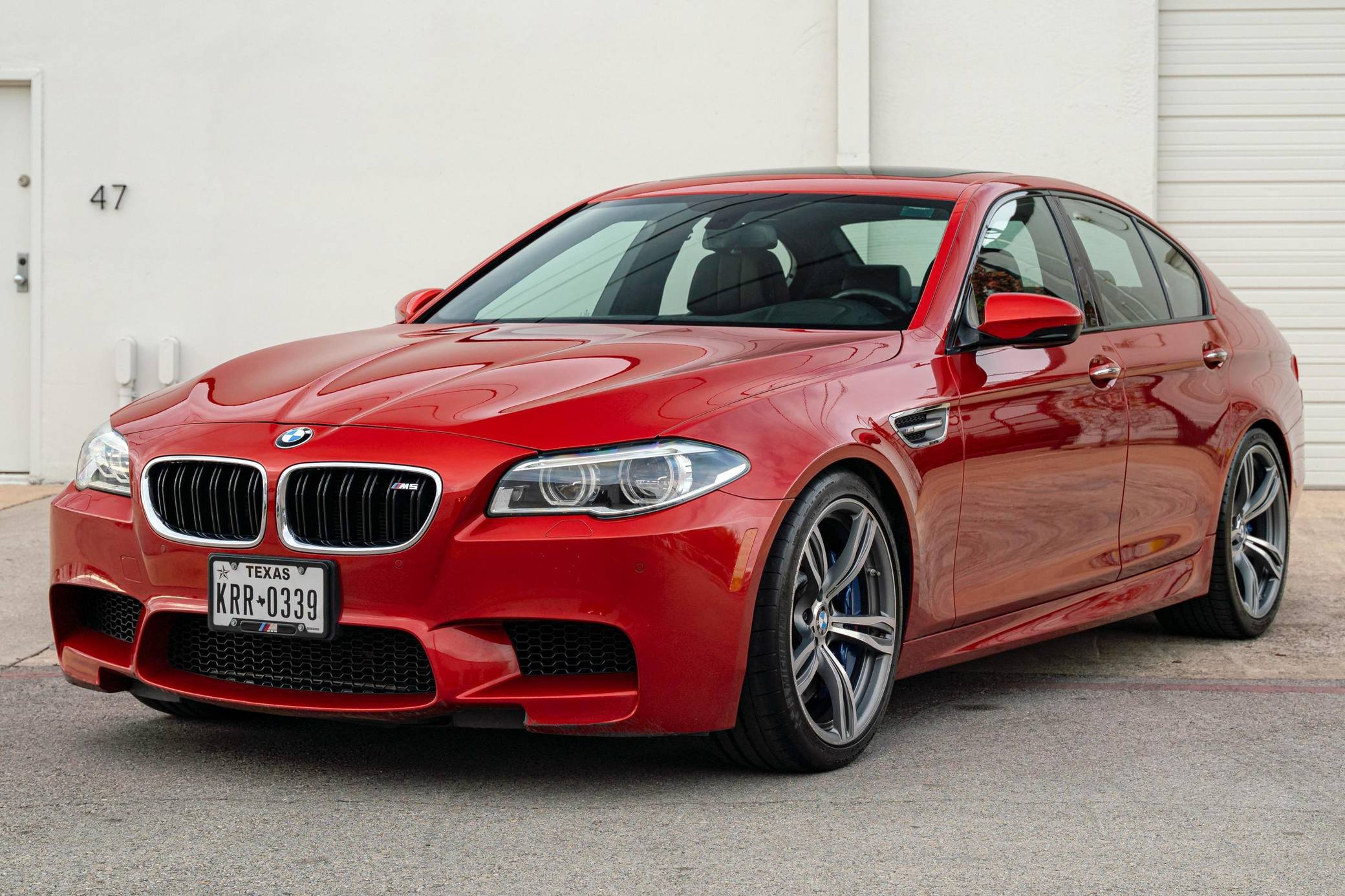
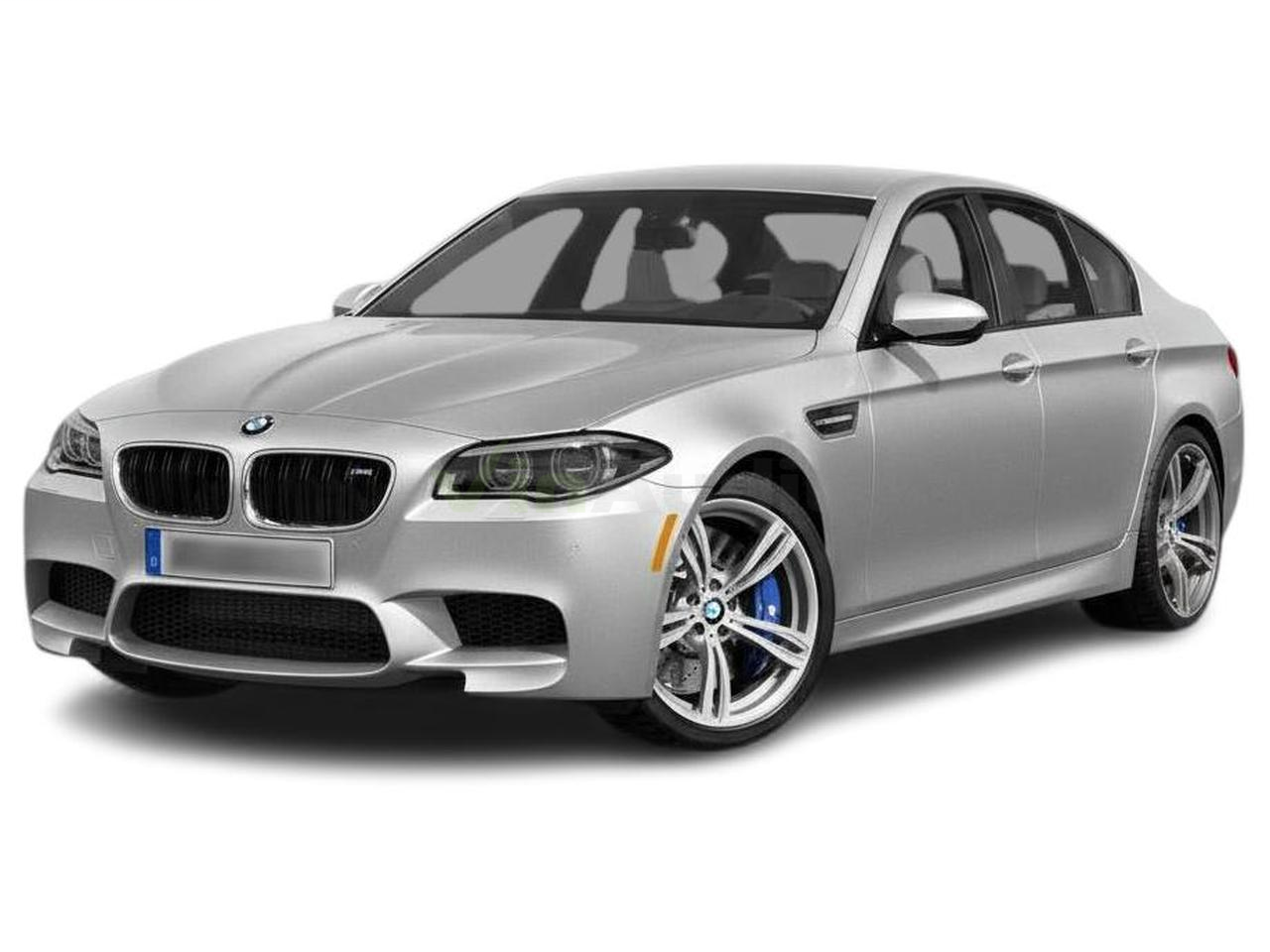
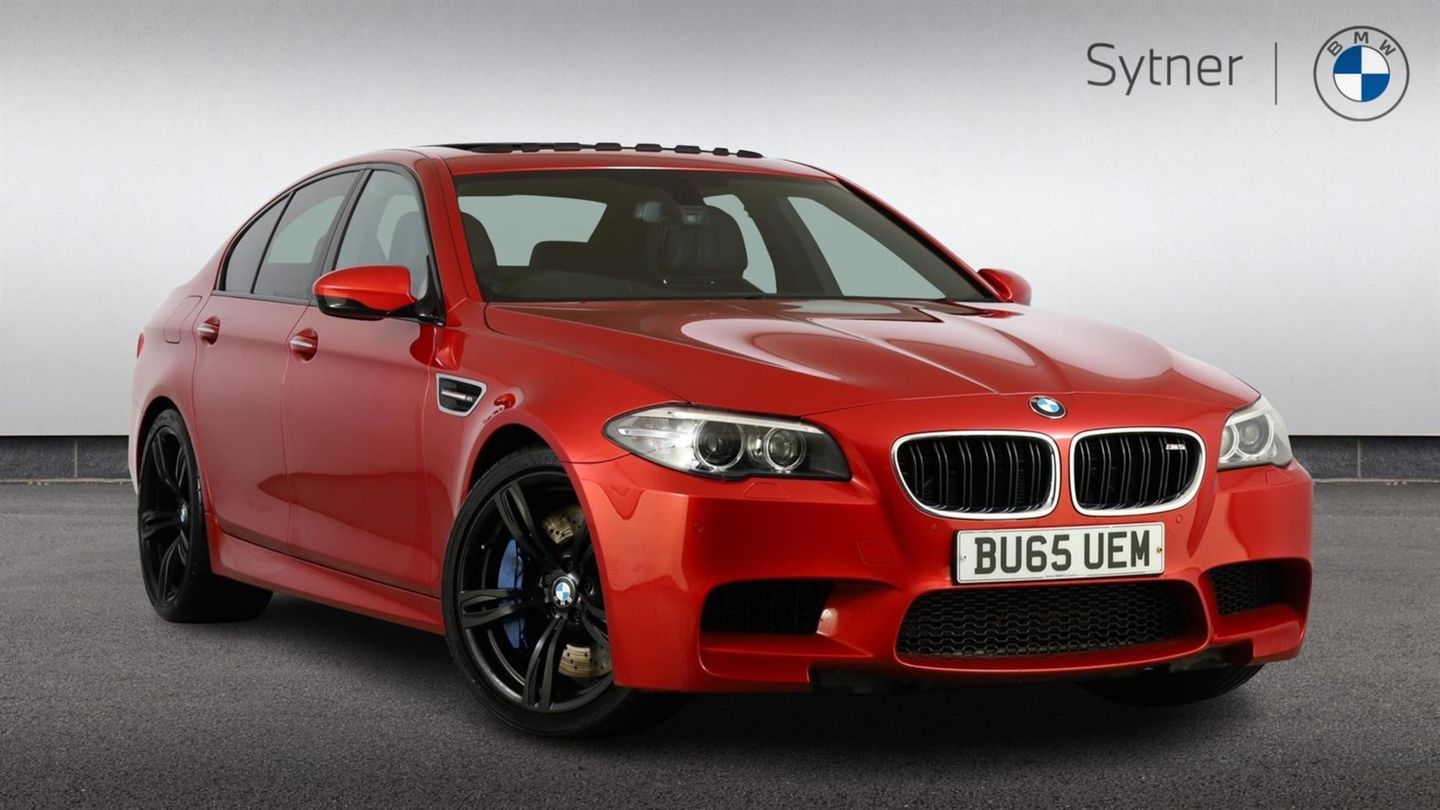
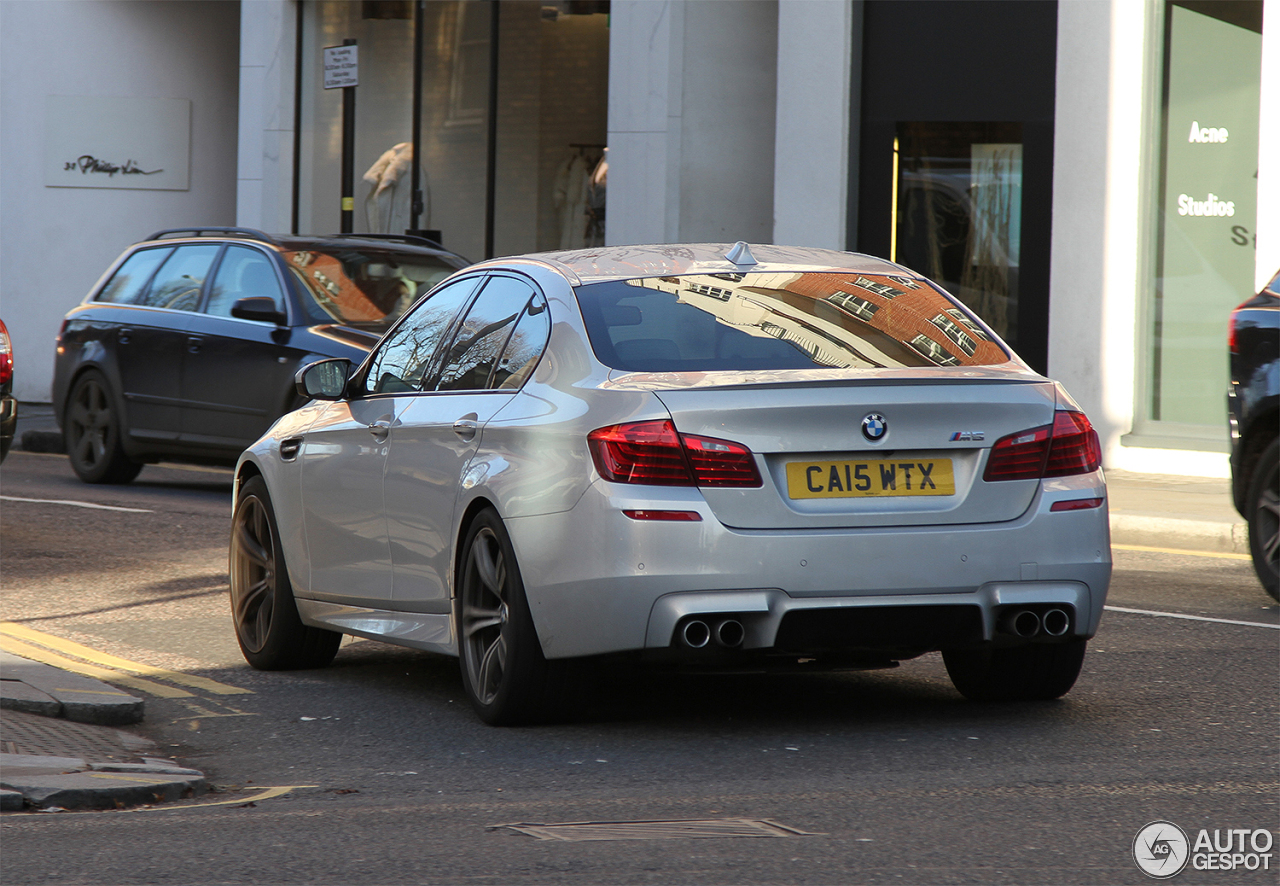
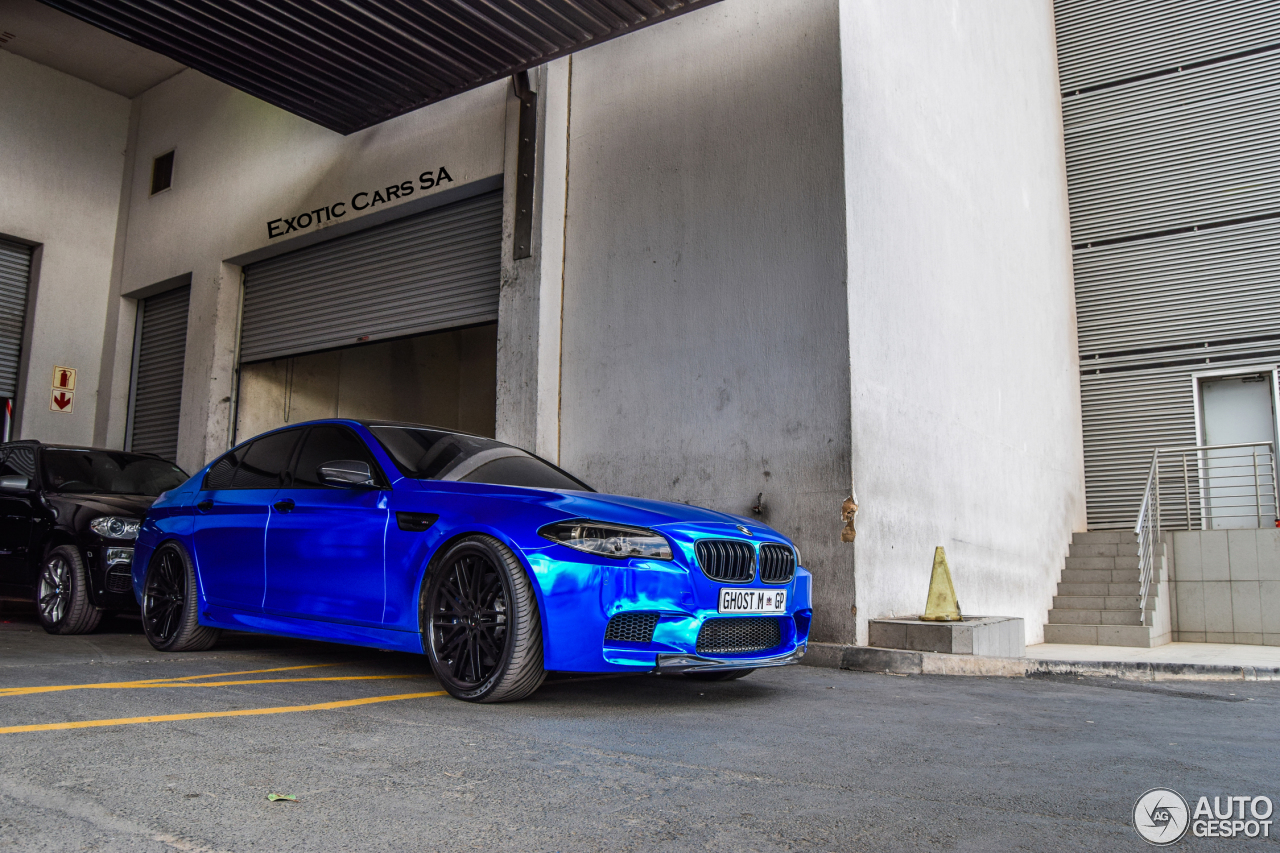
The 2015 BMW M5 generates 560 horsepower in its standard configuration, which increases to 575 horsepower when equipped with the optional Competition Package. Powered by a 4.4-liter twin-turbocharged V8 engine, this high-performance luxury sedan delivers immense power alongside 502 lb-ft of torque, cementing its status as a benchmark executive sports car of its era.
Introduction to the 2015 BMW M5 Powertrain
Evaluating high-performance German sedans requires looking past marketing monikers to examine the mechanical hardware beneath the hood. The 2015 model year marked an important era for the F10-generation BMW M5, falling right into the middle of its production lifecycle. As enthusiasts and prospective buyers research the vehicle, the primary figure they look for is output. Understanding the exact figures, powertrain dynamics, and performance packages available for the 2015 model helps explain why this iteration remains a formidable machine on both the highway and the track.
The F10 M5 utilized a departure from the high-revving naturally aspirated V10 engines of its predecessor, the E60. Instead, BMW M division adopted forced induction, mating displacement with twin turbochargers to maximize efficiency, low-end torque, and peak output. This shift transformed how the M5 delivered its power, making it an everyday cruiser capable of violent acceleration at a moment's notice.
Base Horsepower and Engine Specifications
At the core of the standard 2015 BMW M5 lies the S63B44TU engine. This is a 4.4-liter, 90-degree V8 engine featuring BMW’s M TwinPower Turbo technology, which uses twin scroll turbochargers, High Precision Direct Injection, and Valvetronic variable valve timing.
The standard engine produces 560 horsepower arriving between 6,000 and 7,000 RPM. More importantly for real-world drivability, the torque curve is remarkably flat, delivering 502 lb-ft (680 Nm) of torque from just 1,500 RPM all the way up to 5,750 RPM. This broad powerband means the heavy sedan experiences virtually no turbo lag off the line and pulls aggressively across every gear in the 7-speed dual-clutch transmission (M-DCT) or, in certain markets, the 6-speed manual transmission.
Key Performance Metrics for the Standard 2015 M5
- Engine Type: S63 4.4L Twin-Turbo V8
- Horsepower: 560 hp @ 6,000–7,000 RPM
- Torque: 502 lb-ft @ 1,500–5,750 RPM
- Transmission: 7-speed M-DCT with Drivelogic
- 0–60 mph Time: Approximately 4.1 to 4.2 seconds (manufacturer estimated)
The Competition Package: Boosting Output and Handling
For drivers seeking enhanced track performance and a sharper throttle response, BMW offered the Competition Package (ZCP) for the 2015 model year. This package did not merely change cosmetic details; it brought mechanical revisions that affected both output and driving dynamics.
When the Competition Package is selected, the engine tuning is revised to produce 575 horsepower, an increase of 15 horsepower over the standard model. Peak horsepower is achieved across a slightly wider band at the top end, while maximum torque remains identical at 502 lb-ft but is sustained over a broader RPM range.
Beyond horsepower figures, the Competition Package introduced several crucial mechanical upgrades:
- Suspension Tuning: Stiffer springs, dampers, and anti-roll bars, accompanied by a 10mm lowering of the ride height.
- Steering Calibration: A more direct steering ratio and recalibrated M Servotronic steering for enhanced feedback.
- Active M Differential: Software tuning updates to maximize traction during aggressive cornering.
- Exhaust System: Exclusive black chrome tailpipes paired with a sportier exhaust note.
- Wheels: Distinctive 20-inch light-alloy wheels wrapped in wider performance rubber.
2015 BMW M5 Powertrain Comparison
| Specification | Standard 2015 M5 | M5 with Competition Package |
|---|---|---|
| Peak Horsepower | 560 hp @ 6,000–7,000 RPM | 575 hp @ 6,000–7,000 RPM |
| Torque Output | 502 lb-ft @ 1,500–5,750 RPM | 502 lb-ft @ 1,500–6,000 RPM |
| 0–60 mph Acceleration | ~4.1 seconds | ~3.9 to 4.0 seconds |
| Top Speed (Limited) | 155 mph (250 km/h) | 190 mph (305 km/h) with M Driver's Package |
| Suspension Setup | Standard Adaptive M Suspension | Stiffer, lower sport-tuned setup |
Real-World Performance and Track Dynamics
Raw horsepower numbers tell only part of the story. The 2015 BMW M5 weighs roughly 4,385 pounds, making it a heavy executive cruiser. However, the delivery of its 560 or 575 horsepower masks that weight effectively once the vehicle is in motion.
The integration of the 7-speed dual-clutch transmission allows for lightning-fast gear changes, utilizing Drivelogic settings that let the driver adjust shift speed and aggressiveness. In its most aggressive track mode, gear shifts impart a noticeable mechanical jolt, transferring power directly to the rear wheels.
Because power is sent exclusively to the rear wheels in the F10 generation—unlike its successor, the F90 M5, which introduced all-wheel drive—managing throttle application is critical. With 502 lb-ft of torque available instantly from low RPMs, breaking rear traction on damp or cold roads is easy if electronic stability aids are switched off. Modern driver aids, including the M Dynamic Mode (MDM), allow for controlled slip angles while maintaining a safety net for the driver.
Maintenance Considerations for High-Horsepower V8s
Owning a high-performance twin-turbocharged V8 from 2015 requires strict adherence to maintenance schedules to ensure the engine continues producing its factory-rated horsepower. Over time, forced induction engines accumulate carbon buildup on the intake valves, and turbocharger components endure significant thermal stress.
- Oil Changes: High-performance engines demand frequent oil changes—typically every 5,000 to 7,500 miles—using high-grade synthetic oil to protect the twin turbos and variable valve timing mechanisms.
- Cooling System: The S63 engine generates substantial heat. Monitoring intercoolers, water pumps, and radiator health prevents heat soak, which can temporarily reduce engine output.
- Spark Plugs and Ignition Coils: Tuned turbo engines rely heavily on healthy ignition sparks. Replacing plugs more frequently than standard passenger cars prevents misfires under high boost conditions.
Frequently Asked Questions
Does the 2015 BMW M5 have a manual transmission?
Yes, but availability depended heavily on the market. In North America, BMW offered a 6-speed manual transmission as a no-cost option alongside the standard 7-speed dual-clutch transmission. In global markets outside North America, the M-DCT was often the sole transmission choice.
What is the top speed of a 2015 BMW M5?
The top speed is electronically limited to 155 mph (250 km/h) in standard form. However, when paired with the optional M Driver's Package, the electronic limiter is raised to 190 mph (305 km/h), allowing the vehicle to stretch its legs on unrestricted highways or closed tracks.
How does the 2015 M5 compare to the 30 Jahre Edition M5?
Released to celebrate 30 years of the M5, the 2014–2015 "30 Jahre M5" (30th Anniversary Edition) pushed output even further. It came standard with a modified version of the Competition Package engine that produced 600 horsepower and 516 lb-ft of torque, making it the most powerful factory M5 of the F10 generation. Only 300 units were built globally, with 30 allocated to the United States.
Is the 2015 BMW M5 fuel-efficient?
No. Fuel economy is naturally compromised by the heavy weight and high-output twin-turbo V8. The EPA fuel economy ratings for the 2015 M5 sit around 14 mpg city and 20 mpg highway for the automatic transmission, with manual variants performing slightly lower. Real-world fuel economy depends heavily on driving habits and throttle application.
Can the horsepower of a 2015 M5 be easily increased through tuning?
Yes. Because the S63 is a turbocharged engine, electronic engine control unit (ECU) software tuning—commonly called a "stage 1 tune"—can unlock an additional 60 to 100 horsepower without changing any physical hardware, simply by increasing turbo boost pressure safely within factory tolerances.
Conclusion and Recommendations
The 2015 BMW M5 remains an engineering achievement, balancing executive luxury with sports car performance. Whether you choose the standard 560-horsepower variant or locate a model equipped with the 575-horsepower Competition Package, the powertrain delivers immense acceleration and responsive handling. Prospective buyers and enthusiasts should prioritize maintenance history, verify cooling and turbo system health, and select a model that aligns with their preference for track handling or relaxed long-distance grand touring.