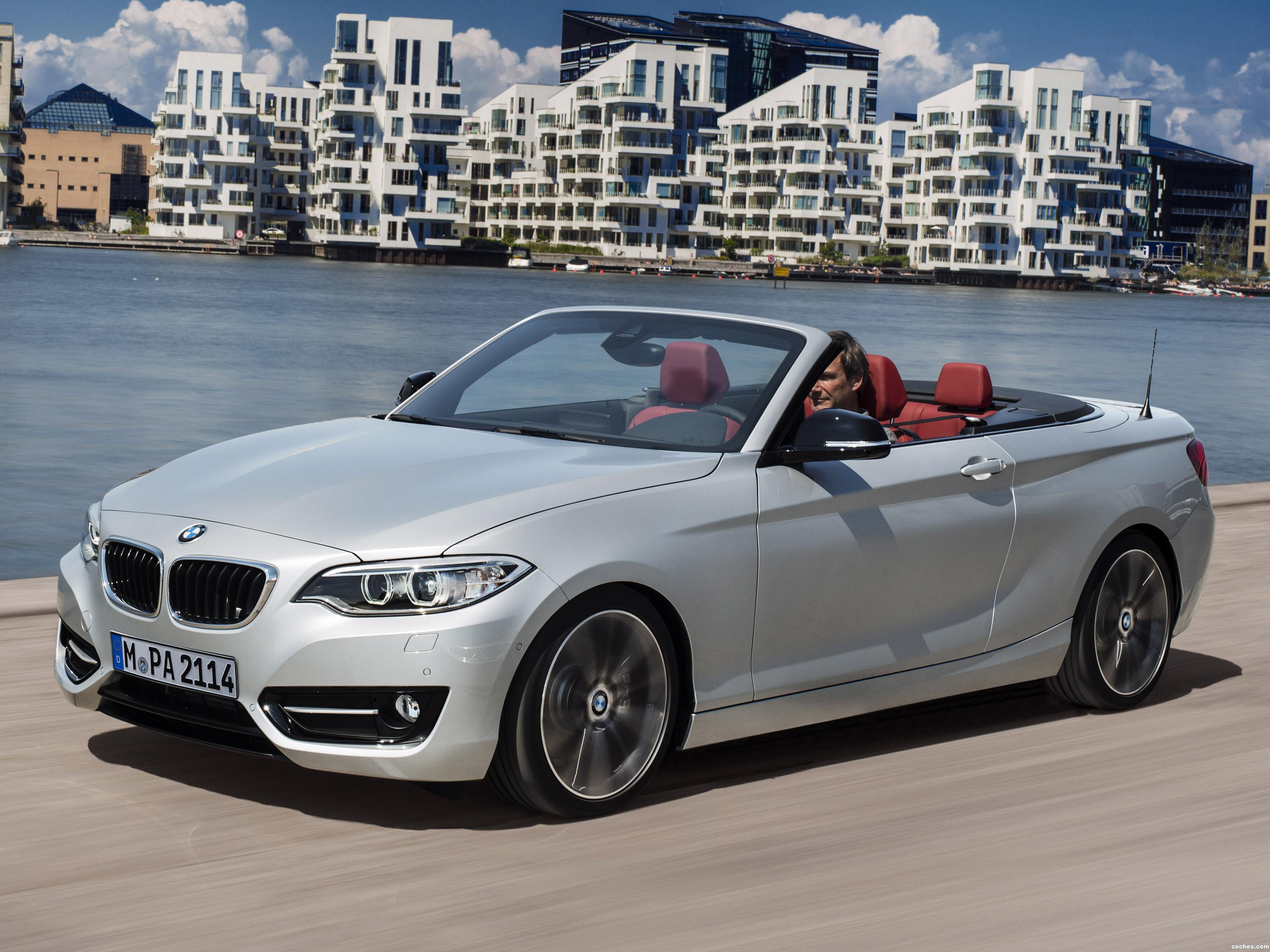
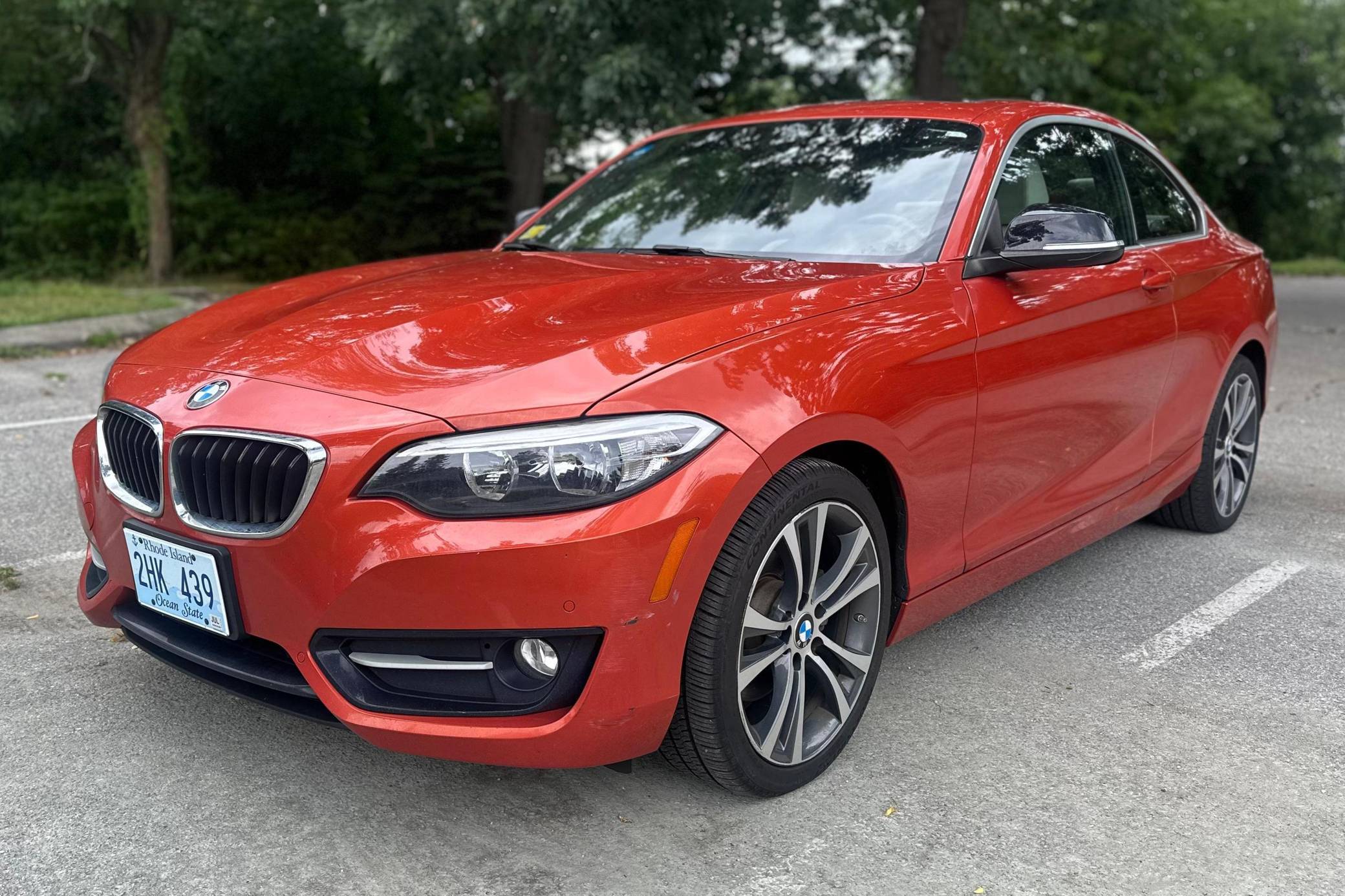
The 2015 BMW 228i represents a compelling sweet spot in the German automaker’s modern lineage, successfully combining rear-wheel-drive dynamics, a punchy turbocharged engine, and everyday usability into a compact two-door coupe or convertible package. For enthusiasts seeking a daily driver that does not sacrifice handling prowess for fuel economy or cargo space, the 228i offers a balanced alternative to its more powerful sibling, the M235i, while maintaining a refined driving experience.
Understanding the 2015 BMW 228i Identity and Lineage
The F22 generation 2 Series arrived for the 2014 model year, effectively replacing the 1 Series coupe in North America and global markets. Within this lineup, the 2015 BMW 228i occupied the role of the entry-level model, though describing it as "entry-level" undersells its capability. Built on a sophisticated platform featuring a near 50:50 weight distribution, independent multi-link rear suspension, and precise electric power steering, the 228i was engineered from the ground up to uphold BMW's longstanding reputation as a builder of driver-focused compact cars.
Available in both coupe and convertible body styles, the car catered to buyers looking for classic sports coupe proportions without the bulk or weight of a 3 Series or 4 Series. Its exterior design featured aggressive styling cues, short overhangs, and a low center of gravity that visually communicated its dynamic intent. Underneath the sheet metal, it bridged the gap between economical commuters and high-performance sports cars, utilizing modern forced-induction technology to punch well above its weight class.
Powertrain and Power Delivery: The N20 Engine Explored
At the heart of the 2015 BMW 228i is the N20B20 engine, a 2.0-liter, inline-four-cylinder powerplant utilizing a single twin-scroll turbocharger, direct fuel injection, and BMW’s Valvetronic fully variable valve control alongside Double-VANOS variable camshaft timing. This engine produces 240 horsepower at 5,000 to 6,500 rpm and 258 lb-ft of torque available from an impressively low 1,250 rpm all the way up to 4,800 rpm.
| Specification | 2015 BMW 228i Details |
|---|---|
| Engine Type | 2.0L Turbocharged Inline-4 (N20) |
| Horsepower | 240 hp @ 5,000–6,500 rpm |
| Torque | 258 lb-ft @ 1,250–4,800 rpm |
| Transmission | 6-speed manual / 8-speed ZF automatic |
| Drivetrain | Rear-Wheel Drive (RWD) / xDrive AWD optional |
| 0–60 mph Time | ~5.4 to 5.6 seconds |
The broad torque curve is arguably the defining characteristic of the N20 engine in real-world driving. Because peak torque arrives just off idle, the 228i responds instantly to throttle inputs, making urban passing maneuvers and highway merging effortless. Unlike older naturally aspirated inline-six engines that required high revs to deliver their best performance, the 228i provides effortless thrust throughout the rev range.
Transmission choices further elevate the powertrain. Enthusiasts could opt for a traditional 6-speed manual transmission, a relative rarity in modern luxury sport coupes that rewards drivers with clean shifter gates and a predictable clutch pedal. Alternatively, the overwhelming majority of buyers selected the ZF 8-speed automatic transmission. Widely regarded as one of the best torque-converter automatics ever produced, this gearbox offers rapid, intelligent shifts, helps maximize fuel efficiency on the highway, and features manual paddle shifters for engaged driving.
Dynamic Performance and Handling Characteristics
Power is only one component of the equation; how a vehicle translates that power to the tarmac defines its true character. The 2015 BMW 228i shines brightest when the road begins to twist. Its compact footprint, combined with a rigid chassis, allows it to change directions with a level of agility that larger luxury cruisers simply cannot match.
The standard suspension setup strikes a civilized balance between compliance and firmness, absorbing expansion joints and rough pavement without feeling floaty. However, many models were equipped with the optional Track Handling Package, which added variable sport steering, an M Sport suspension that lowered the ride height by 10 millimeters, and upgraded M Sport brakes. This package transforms the car into a genuinely capable track-day tool, reducing body roll and sharpening turn-in response.
Rear-wheel drive remains the purist configuration, pushing the front wheels to focus exclusively on steering, which eliminates torque steer and provides neutral, predictable handling dynamics near the limit of adhesion. For drivers living in regions with severe winters, BMW also offered the 228i xDrive variant, which added intelligent all-wheel drive. While the xDrive system adds a slight weight penalty and raises the ride height marginally, it delivers supreme all-weather traction and security.
Practicality in Daily Life: Packaging, Space, and Efficiency
While performance credentials capture enthusiast attention, practicality is what makes the 2015 BMW 228i a viable single-car solution for many owners. Despite its compact exterior dimensions, the interior layout maximizes usable space for front-seat occupants. The driver-centric cockpit places all primary controls within easy reach, and the front seats offer substantial bolstering and multi-way adjustments that remain comfortable over long road trips.
Cargo capacity is another strong suit. The coupe model features a trunk measuring 13.0 cubic feet, a remarkably generous volume for a car of this size. Combined with standard 60/40 split-folding rear seats, owners can easily transport longer items, such as golf clubs, snowboards, or bicycle wheels, that would otherwise require an SUV.
Fuel efficiency rounds out the vehicle's practical resume. Thanks to the efficiency of the four-cylinder turbo engine and the tall overdrive ratios of the 8-speed automatic transmission, the rear-wheel-drive 228i coupe achieves EPA-estimated fuel economy ratings of roughly 23 mpg city and 35 mpg highway. These figures allow owners to enjoy spirited weekend drives without incurring punishing fuel costs during weekday commuting.
Technological Features and Interior Ergonomics
The interior of the 2015 BMW 228i reflects the technological landscape of its era, featuring BMW’s iDrive infotainment system controlled by a rotary dial on the center console and a freestanding dashboard display screen. While early iterations of iDrive faced criticism, the version found in the 2015 model year is refined, stable, and relatively intuitive once users become familiar with its menu structures.
Standard equipment included automatic climate control, Bluetooth phone and audio connectivity, and selectable driving modes via the Driving Dynamics Control switch (Eco Pro, Comfort, Sport, and Sport+). These modes alter throttle mapping, transmission shift points, and steering weight, allowing the car to transition from an efficient commuter to a responsive sports coupe instantly.
Optional interior upgrades frequently found on the used market include the Premium Package (adding leather upholstery, keyless entry, and satellite radio) and the Technology Package, which introduced a larger navigation screen, a high-resolution instrument cluster display, and BMW Online services. The build quality throughout the cabin utilizes soft-touch materials, sturdy switches, and durable trim pieces that have proven resilient against premature wear.
Ownership Considerations and Reliability Insights
For prospective buyers evaluating a 2015 BMW 228i, understanding long-term reliability and maintenance requirements is essential. The N20 engine has a mostly positive reputation, but it does have specific known failure points that require proactive monitoring.
The most prominent mechanical consideration involves the timing chain assembly and oil pump drive chain guides on early-to-mid N20 engines. Certain vehicles produced prior to 2015 experienced premature wear or failure of the plastic timing chain guides, which can lead to catastrophic engine damage if ignored. BMW updated the component material and design in early 2015 production runs, but buyers should verify service records to confirm whether the timing chain assembly has been inspected, serviced, or updated.
Other routine maintenance items include managing high-pressure fuel pump seals, checking charge pipe connections (the factory plastic charge pipes are prone to cracking under high boost or age, leading to aftermarket aluminum replacements), and performing frequent oil changes. Adhering to strict preventative maintenance schedules ensures that the 228i remains dependable well past standard mileage thresholds.
Frequently Asked Questions
Is the 2015 BMW 228i a reliable car?
Yes, the 2015 BMW 228i is generally considered a reliable daily driver, provided it has been maintained meticulously. While the N20 four-cylinder engine is powerful and efficient, buyers must be aware of potential timing chain guide wear on earlier production units and verify that regular fluid changes have been performed on schedule.
How does the 228i compare to the M235i?
The 228i features a 2.0-liter turbocharged four-cylinder engine with 240 horsepower, focusing on lighter front-end weight, nimble handling, and excellent fuel economy. The M235i steps up to a 3.0-liter turbocharged inline-six engine producing 320 horsepower, offering faster straight-line acceleration and a more aggressive exhaust note at the expense of slightly higher fuel consumption and nose-heavier handling dynamics.
Does the 2015 BMW 228i come with a manual transmission?
Yes, the 2015 BMW 228i was offered with a traditional 6-speed manual transmission as a no-cost option alongside the ubiquitous 8-speed ZF automatic transmission. Manual-equipped models are relatively uncommon on the used market and are frequently sought after by driving enthusiasts.
What is the real-world fuel economy of a 2015 BMW 228i?
In mixed driving conditions, rear-wheel-drive automatic models typically achieve between 26 and 30 mpg combined. On highway road trips, it is common to exceed 34 mpg, making the 228i one of the most fuel-efficient luxury sports coupes in its class.
Can the 2015 BMW 228i be used as an everyday car?
The 228i excels as an everyday vehicle due to its compliant ride quality, spacious 13-cubic-foot trunk, split-folding rear seats, and manageable dimensions that simplify parallel parking in urban environments without sacrificing driving enjoyment.
Final Recommendation
The 2015 BMW 228i successfully bridges the gap between spirited sports car dynamics and practical daily transportation. By prioritizing a lightweight chassis, a responsive low-end torque curve, and impressive highway fuel efficiency, it provides an engaging ownership experience without the steep running costs associated with higher-tier performance models. Prospective buyers should prioritize well-maintained examples with comprehensive service documentation, paying specific attention to timing chain maintenance history. For drivers seeking an agile, rear-wheel-drive German coupe that handles both weekend canyon roads and Monday morning commutes with equal poise, the 228i remains a standout choice.