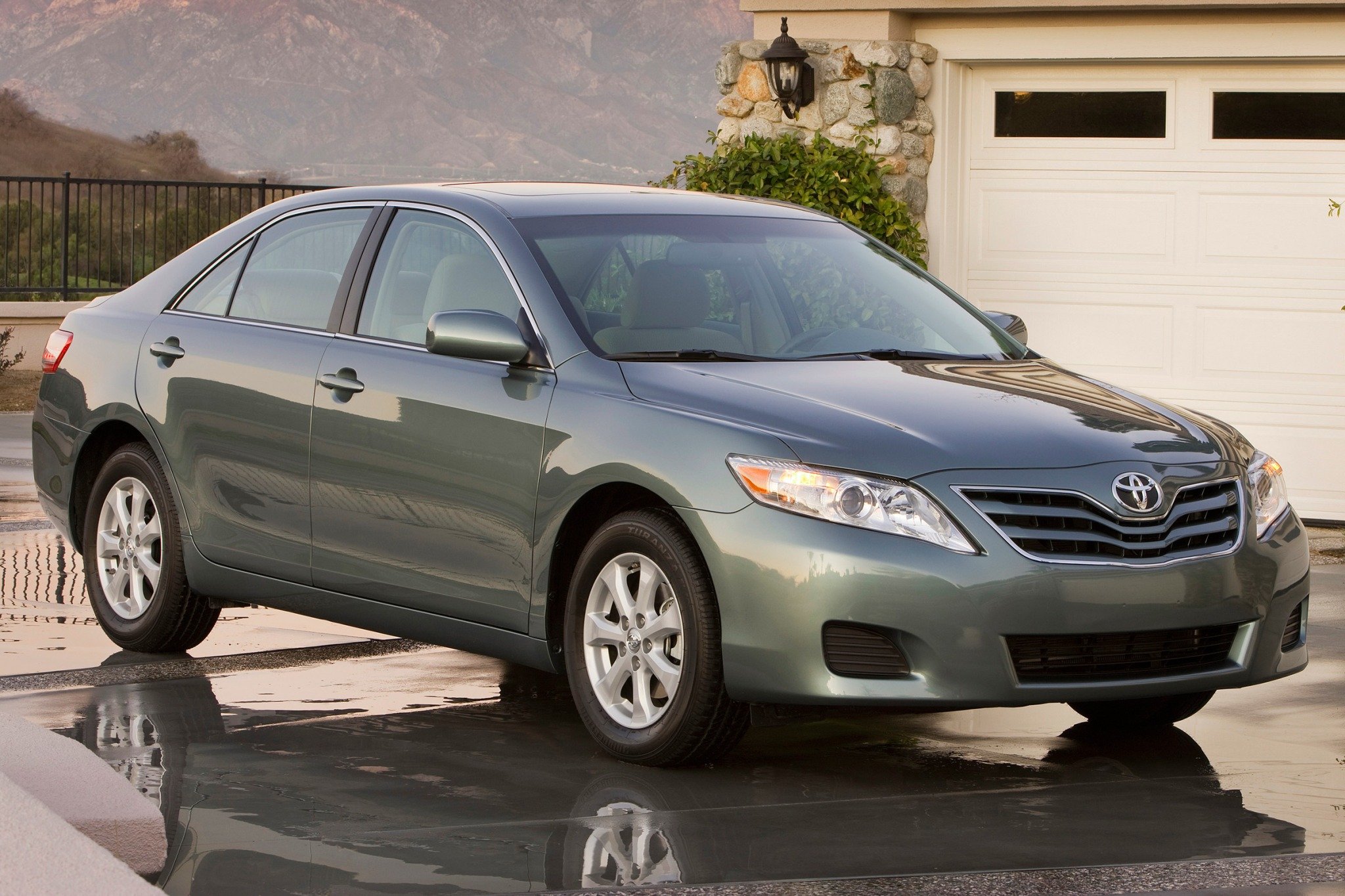
The 2010 Toyota Camry XLE V6 remains a benchmark for mid-size sedan reliability, pairing a robust 3.5-liter 2GR-FE engine with the premium trim’s comfort-oriented features. As a pinnacle of the sixth-generation XV40 platform, this model offers a distinct balance of highway power, refined interior appointments, and long-term mechanical durability for budget-conscious buyers and enthusiasts.
Engineering and Performance Specifications
At the heart of the 2010 Toyota Camry XLE V6 lies the 3.5-liter DOHC 24-valve V6 engine. This powerplant, designated as the 2GR-FE, was widely considered one of the most sophisticated engines in its class during the late 2000s. It produces approximately 268 horsepower and 248 lb-ft of torque, providing the vehicle with exceptional passing power and a smooth, linear delivery that contrasts sharply with the four-cylinder alternatives of the same era.
The engine is mated to a 6-speed electronically controlled automatic transmission with intelligence (ECT-i). This combination ensures that the vehicle maintains a manageable fuel efficiency profile despite its high output, as the transmission allows the engine to operate in lower RPM ranges during highway cruising. Drivers often note the seamless shifting behavior, which is calibrated more for passenger comfort than aggressive sporting performance.
Handling and Chassis Dynamics
The XLE trim is specifically tuned for ride comfort. It utilizes a MacPherson strut front suspension and a dual-link independent rear suspension. Toyota engineers focused on noise, vibration, and harshness (NVH) mitigation for the XLE, incorporating additional sound-deadening materials that differentiate it from the sportier SE trim.
While the chassis is not intended for track use, it handles highway commuting with composure. The electronic power steering provides a light feel, which is advantageous in urban environments, though it may feel somewhat disconnected at higher speeds compared to performance-oriented sedans.
Interior Appointments and Technology
The "XLE" badge signifies the luxury-oriented tier of the 2010 Camry lineup. Unlike the base-level LE, the XLE features a suite of comfort-focused amenities that have largely retained their utility even fifteen years later.
Key features include:
- Dual-Zone Automatic Climate Control: Features an air filtration system with a pollen filter, which was a significant selling point in 2010.
- Premium Audio System: Many XLE models were equipped with a JBL synthesis audio system, offering an eight-speaker arrangement that provides depth and clarity superior to the standard four-speaker setup.
- Interior Materials: The XLE features wood-grain-style trim and high-quality fabric or available leather seating surfaces.
- Rear Seating Flexibility: The rear seats in the XLE often feature a reclining function, a rarity in the mid-size sedan segment, providing a unique level of comfort for long-distance travel.
Maintenance and Long-Term Reliability
For owners in 2026, the primary concern regarding the 2010 Camry V6 is preventative maintenance rather than repairing inherent design flaws. The 2GR-FE engine is known for its durability, often exceeding 200,000 miles if standard intervals are respected.
Critical Maintenance Items
- Oil Change Intervals: The engine requires full synthetic 0W-20 or 5W-20 oil (depending on climate and local service recommendations) every 5,000 to 7,500 miles. Neglecting this leads to sludge buildup in the VVT-i (Variable Valve Timing with intelligence) oil lines.
- Cooling System: The factory-installed water pumps on these models have a tendency to weep coolant after high mileage. It is recommended to inspect the water pump area during every major service interval.
- Transmission Fluid: While Toyota classified the automatic transmission fluid as a "lifetime" fill, many transmission specialists recommend a drain-and-fill service every 60,000 to 90,000 miles to preserve the clutch packs and valve body integrity.
- VVTi Oil Feed Line: Early production models of the 2GR-FE had a rubber hose in the oil feed line that was prone to leaking. Ensure that if you own or purchase a 2010 model, this component has been replaced with the updated all-metal version.
Comparison of Trim Levels
Understanding the position of the XLE within the 2010 lineup helps prospective buyers determine if this is the correct vehicle for their needs.
| Feature | LE Trim | SE Trim | XLE Trim |
|---|---|---|---|
| Engine | 2.5L I4 | 2.5L I4 or 3.5L V6 | 3.5L V6 |
| Suspension | Standard | Sport-Tuned | Comfort-Tuned |
| Wheels | 16-inch Steel | 17-inch Alloy | 16-inch Alloy |
| Primary Focus | Economy | Handling/Sport | Luxury/Comfort |
| Climate Control | Manual | Automatic | Dual-Zone Auto |
Common Troubleshooting and FAQ
Owners frequently encounter specific issues as the vehicle ages. Addressing these early ensures the long-term viability of the sedan.
Are there major electrical issues to worry about?
The 2010 Camry is relatively simple compared to modern vehicles. The most common electrical gremlin involves the power window master switch, which can develop contact fatigue. These are easily replaced as standalone modules without needing to rewire the door.
How does the V6 handle modern fuel?
The 3.5-liter engine is designed for 87-octane (regular) gasoline. Using higher octane fuel provides no tangible performance benefit for this engine's compression ratio and will only increase fuel costs unnecessarily.
Is the navigation system worth keeping?
The factory navigation units from 2010 are considered obsolete by 2026 standards. Maps cannot be updated, and the user interface lacks the fluidity of modern smartphone integration. Many owners opt to install an aftermarket head unit that supports modern interfaces while retaining the factory steering wheel controls.
Does the sunroof require special care?
The XLE trim often features the moonroof. The drain tubes can become clogged with debris over time, leading to water accumulation in the footwells. It is a best practice to clear these drains with a thin, flexible nylon line during your annual spring maintenance.
What is the most significant wear item?
Aside from standard consumables like brakes and tires, the engine mounts are a significant wear item. Because the V6 provides substantial torque, the rubber mounts experience significant stress over 15 years, which can lead to increased vibration at idle.
Expert Recommendation for 2026 Buyers
If you are looking to acquire a 2010 Toyota Camry XLE V6 today, prioritize examples with a documented service history, specifically verifying the replacement of the VVTi oil line and periodic transmission fluid changes. Inspect the dashboard for any "sticky" or melting plastic textures, a known issue with the soft-touch materials used in this generation.
If the interior is clean and the engine runs smoothly without timing cover oil leaks, this vehicle serves as an excellent, high-value daily driver. It provides a level of power and refinement that rivals many modern entry-level vehicles, provided you are willing to manage the maintenance of an aging premium powertrain.