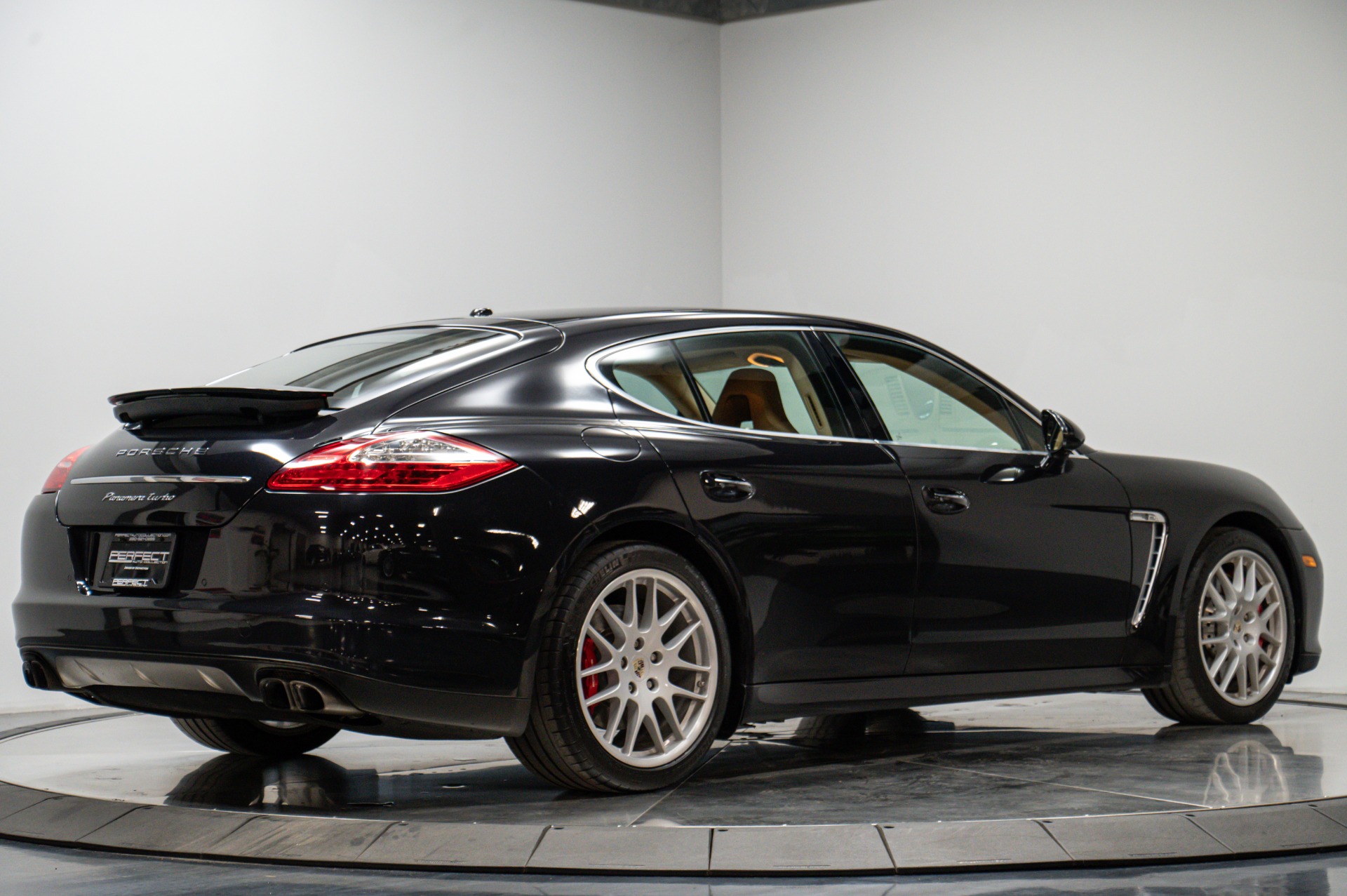
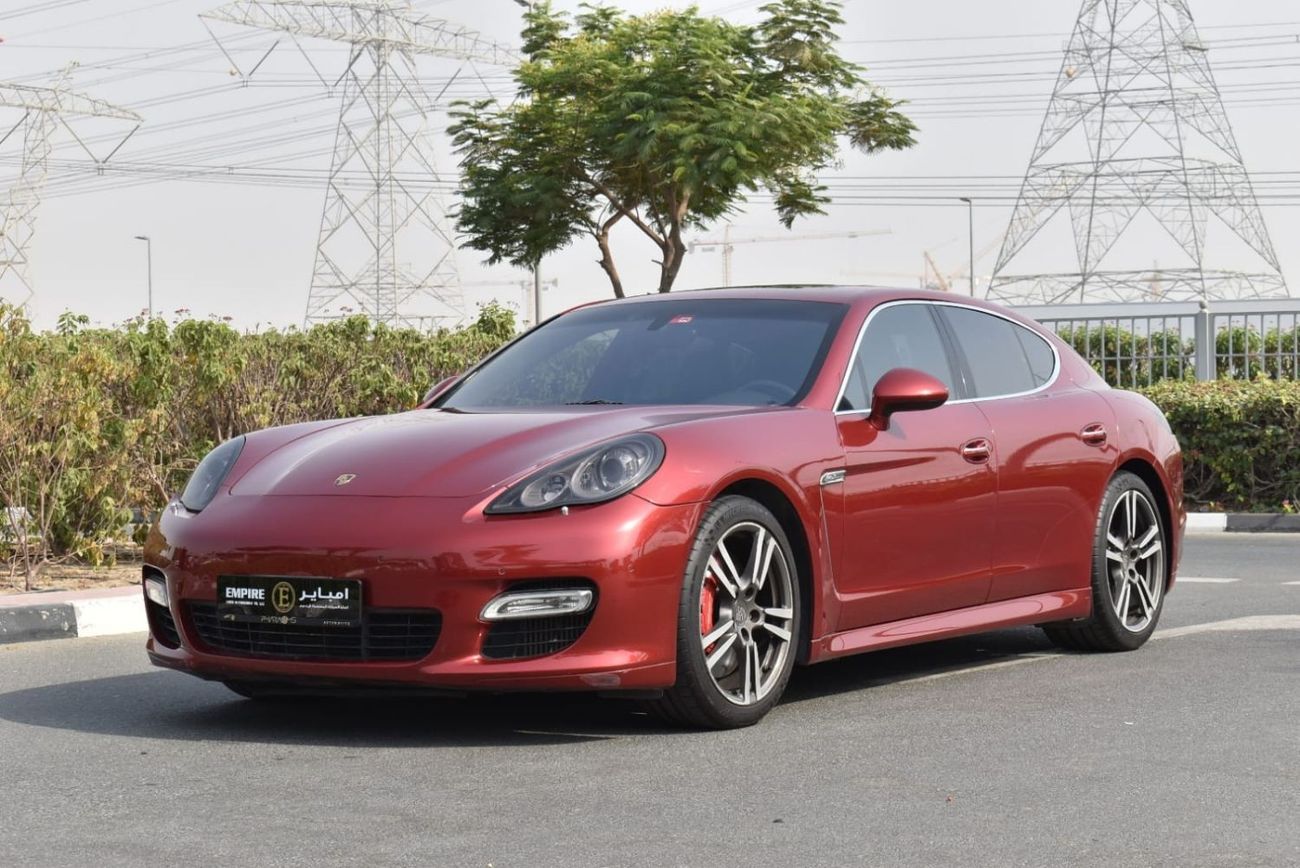
The 2010 Porsche Panamera Turbo represents a significant milestone in automotive history, marking Porsche’s definitive entry into the high-performance luxury sedan segment. Equipped with a 4.8-liter twin-turbocharged V8 engine producing 500 horsepower and 516 lb-ft of torque, this model delivers supercar-level performance within a sophisticated, four-door gran turismo chassis designed for long-distance comfort and precise handling.
Evolution of the Panamera Platform
When Porsche introduced the Panamera in 2010, it was a departure from the company’s traditional sports car DNA, yet it remained tethered to the brand's engineering philosophy. The development of the 970 chassis—the internal designation for the first-generation Panamera—was a massive undertaking aimed at providing a car that could comfortably transport four adults at high speeds while maintaining the dynamic agility expected of a Porsche.
The Turbo variant served as the pinnacle of the initial launch lineup, sitting above the naturally aspirated S and 4S models. It was not merely a faster sedan; it was a technological showcase that integrated advanced aerodynamics, active suspension systems, and an interior architecture that prioritized driver engagement. For the 2010 model year, the Panamera Turbo effectively bridged the gap between the Porsche 911’s performance and the luxury requirements of executive vehicles like the Mercedes-Benz S-Class.
Engine and Powertrain Specifications
The heart of the 2010 Panamera Turbo is the 4.8-liter, 90-degree V8 engine featuring direct fuel injection and twin turbochargers. This engine was built to deliver a broad power band, ensuring that torque was available early in the rev range.
- Engine Displacement: 4,806 cc
- Induction: Twin-turbocharged with intercoolers
- Horsepower: 500 hp (368 kW) at 6,000 rpm
- Maximum Torque: 516 lb-ft (700 Nm) from 2,250 to 4,500 rpm
- Transmission: 7-speed Porsche Doppelkupplung (PDK) dual-clutch gearbox
- Drivetrain: Permanent all-wheel drive with Porsche Traction Management (PTM)
The integration of the PDK dual-clutch transmission was critical. Unlike traditional torque-converter automatics found in luxury sedans of that era, the PDK offered near-instantaneous gear changes without interrupting power flow. This transmission allowed the Turbo to sprint from 0 to 60 mph in approximately 4.0 seconds when equipped with the Sport Chrono Package, a figure that remained highly competitive for years following its release.
Performance and Driving Dynamics
The handling of the 2010 Panamera Turbo is characterized by its adaptive suspension and chassis control systems. Porsche equipped the Turbo as standard with Porsche Active Suspension Management (PASM) and adaptive air suspension. These features allow the driver to toggle between comfort-oriented settings for cruising and firm, performance-focused settings for spirited driving.
The vehicle’s dynamic stability is further enhanced by the Porsche Dynamic Chassis Control (PDCC) system (offered as an option). PDCC acts as an active roll stabilization system, virtually eliminating body roll during cornering. This is particularly impressive given the Panamera’s curb weight of approximately 4,343 pounds (1,970 kg). The combination of a low center of gravity and sophisticated damping ensures that the car feels smaller and more agile than its physical dimensions suggest.
Technical Specifications Comparison Table
| Feature | 2010 Panamera Turbo |
|---|---|
| Engine Type | 4.8L Twin-Turbo V8 |
| Horsepower | 500 hp @ 6,000 rpm |
| Torque | 516 lb-ft @ 2,250 rpm |
| 0–60 mph (Sport Chrono) | 4.0 Seconds |
| Top Speed | 188 mph (303 km/h) |
| Transmission | 7-Speed PDK |
| Drive Layout | All-Wheel Drive |
| Curb Weight | 4,343 lbs |
Interior, Comfort, and Technology
Inside, the 2010 Panamera Turbo features a cockpit designed with a focus on individual seating. Unlike traditional sedans that prioritize the rear bench, the Panamera features four distinct, sport-contoured seats. The center console rises dramatically, mimicking the layout of the Carrera GT and creating a sense of containment for the driver and front passenger.
Technology in the 2010 model was cutting-edge for the period, featuring a high-resolution TFT screen integrated into the instrument cluster. This display provides the driver with essential vehicle data, navigation directions, and engine diagnostics without requiring the driver to take their eyes off the road. The multi-function steering wheel and the sophisticated Bose or Burmester audio options (depending on the build) provided a high-end sensory experience consistent with the vehicle’s price point at the time of its release.
Maintenance and Ownership Considerations
For a prospective owner in 2026, the 2010 Panamera Turbo requires a distinct approach to maintenance. While the mechanical engine core is robust, the complexity of the vehicle's electrical and air-suspension systems requires consistent attention.
- Air Suspension: Over time, the air struts may experience leaks. It is common to see these replaced in older models to restore the original ride quality and vehicle height control.
- PDK Service: The dual-clutch transmission requires fluid and filter changes at specific intervals. Adherence to these intervals is non-negotiable for long-term reliability.
- Cooling System: The high-performance V8 generates significant heat. Routine inspection of coolant hoses and the expansion tank is recommended to prevent premature failure.
- Tire Wear: Due to the vehicle's weight and high torque output, the Panamera Turbo is demanding on tires. High-performance, N-spec tires (tires developed by Porsche) are recommended to maintain intended handling characteristics.
Common Questions Regarding the 2010 Panamera Turbo
How does the Sport Chrono Package affect performance? The Sport Chrono Package adds a "Sport Plus" button that alters the engine mapping, transmission shift points, and suspension settings. It also includes the Launch Control function, which optimizes clutch engagement and traction for maximum acceleration from a standstill, enabling the car to achieve its 4.0-second 0–60 mph time.
Is the 2010 Panamera Turbo considered a reliable daily driver? It can be, provided the service history is documented and verified. It is a high-performance vehicle with sophisticated electronics; prospective buyers should budget for a higher-than-average maintenance cost compared to a standard luxury vehicle, given the complexity of the twin-turbocharged powertrain and chassis systems.
What is the fuel economy like on this model? The 2010 Panamera Turbo is not designed for fuel efficiency. It typically returns approximately 15 mpg in city driving and 23 mpg on the highway. Aggressive driving will significantly lower these figures, as the twin turbos, when engaged, consume fuel rapidly.
Can the adaptive air suspension be replaced with coilovers? While technically possible, replacing the adaptive air suspension with passive coilovers is generally discouraged. It removes a core feature of the car's dynamic character (PASM) and will trigger error codes in the vehicle’s ECU that are difficult to bypass without specialized software.
What should I look for during a pre-purchase inspection (PPI)? Prioritize a check of the coolant pipes, which can fail in older V8 models, as well as a diagnostic scan of the transmission (PDK) for any signs of hesitation. Ensure the air suspension holds its height overnight, and verify that the active spoiler deploys and retracts smoothly without clicking or mechanical binding.
Final Recommendation
The 2010 Porsche Panamera Turbo is a triumph of engineering that serves as an excellent entry point into the world of Porsche performance for those who require four-door practicality. For current buyers, the most important factor is the vehicle's maintenance history. Seek out examples with comprehensive service records, ideally performed by a Porsche specialist or authorized dealer. Before finalizing a purchase, ensure a thorough inspection of the suspension and cooling systems, as these are the primary areas where neglect can lead to significant ownership costs. When maintained correctly, the Panamera Turbo remains one of the most capable and engaging luxury sedans ever built.